Two-time Olympic triathlon champion Alistair Brownlee shared how he trained for peak performances as he spoke about the official launch of his nutrition product truefuels. Brownlee emphasized the importance of carbohydrates for endurance athletes, and outlined his training hours when he was a professional athlete.
He revealed in a video on social media that most days he did three sessions, a swim, bike and run, with a couple of gym workouts as well throughout the week. Fuelling and recovery were the keys to supporting such a massive training volume.
“I think recovery is quite simple. You have to provide the body with the nutrients it needs to rebuild itself, and you have to give it the time to rebuild. And that time is most effective when you’re asleep. I try to sleep a minimum of eight hours a night.
“When I was training professionally, that could have been nine or 10 hours, plus a nap during the day in times of very heavy training periods,” he said.

Carbs the key to going harder and longer
Brownlee extolled the benefits of carbohydrates for endurance athletes, despite sugar often being blamed for health concerns. For triathletes, carbohydrates are essential fuel as glucose is the body’s primary energy source during training, he said. Although simple sugars are the ideal carbohydrates source, how those are consumed is not so simple.
Brownlee highlighted that “timing and composition” is critical for absorption. A one-to-one ration of glucose to fructose is imperative to maximize absorption, as the body ulitizes different transport pathways in the stomach. Leveraging more than one pathway reduces the risk of gut issues. By sticking to this ratio, and timing fuelling appropriately, you can get the most out of those calories.
To fuel smarter, Brownlee recommended taking 60-120g of carbohydrates per hour during intense workouts. This range depends on how intense and how long the session is, and how many grams per hour you have trained your gut to consume. By gradually increasing the number of carbohydrates you consume per hour, you can stretch this amount to the top of the range over time.

The importance of sodium in hydration
For effective hydration, Brownlee suggested consuming 400ml to 1500ml of fluid, which should contain between 500mg and 700mg of sodium, per hour. As with carbohydrate consumption, athletes should gradually increase their body’s tolerance for fluids and sodium, and adjust depending on temperature, humidity, duration and intensity.
With truefuels, this can be achieved by taking one 40g-gel every 30 to 45 minutes, with additional sodium, if required. With few gels on the market that contain any significant amount of sodium, truefuels is unique. The Performance Gel 40/.25 contains 40g of carbohydrates and 250mg of salt, which is labelled as its “low salt” gel. For a “high salt” gel there is the 40/1.0, which contains 40g of carbohydrates and 1000mg salt. Each gel also contains 288mg of potassium and 30mg of magnesium.
Other products that contain higher than the standard amount of sodium include Powerbar gels and Amacx gels, each containing 200mg of sodium. Both of these products were used by Cam Wurf when he broke the all-time record for fastest Ironman bike split at Ironman Texas recently.
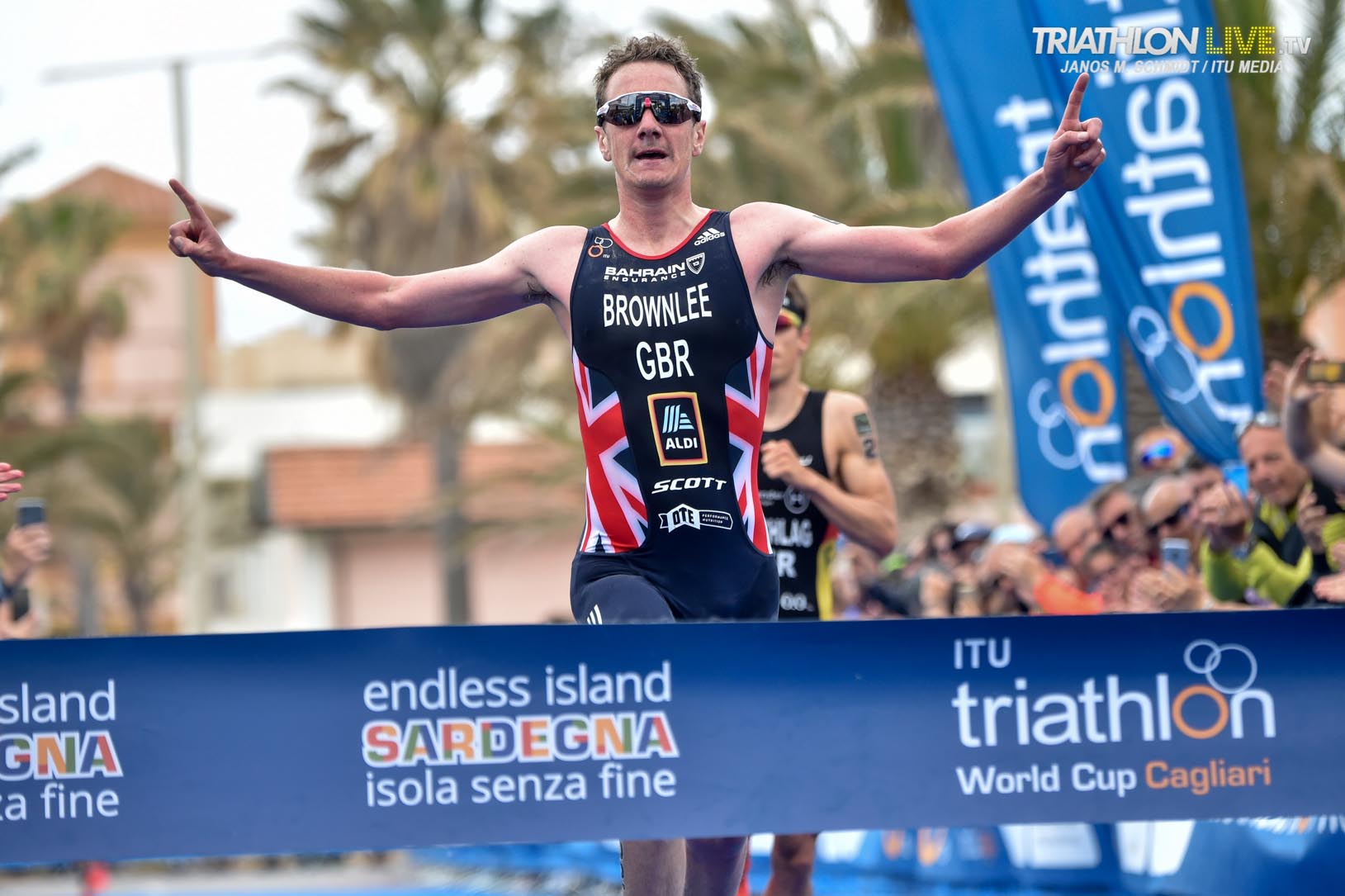
Brownlee’s secrets to racing at the highest level
To prepare days out from a race, Brownlee outlined his recommendations for glycogen loading, which tops up energy stored in your muscles so that you can arrive at the start line locked and loaded. He advised consuming 10 to 12g of carbohydrates per kilo of body weight.
“It’s how endurance athletes supercharge their energy stores before a big event. Anything from two to three hours before, to 48 hours. They eat maybe anywhere between four and 12g of carbs per kilo of body weight per day. Depending exactly on the intensity and length of the effort to fully load their muscles with glycogen, so they can go harder for longer without crashing.”
Although Brownlee places a huge emphasis on fuelling before, during and after training and racing, he shared two other secrets to his ability to train at such high volume and frequency to dominate at the professional level.
“When you’re training that much, I think two things are very important. The first is that it is part of your routine, and you don’t give yourself the option not to do it,” he shared on social medial.
“The second is that you make it as easy as possible for you to train. Remove the barriers. Make sure you have the equipment ready. Make it fun. Do it with good people.”
For motivation, truefuels holds a monthly challenge that encourages athletes to be consistent. The May challenge focused on putting in as many runs over 5km as possible, and logging those results to see how you stack up against others on the leaderboard. Each month Brownlee sets a new challenge, as he continues to be a leader in the triathlon community.
The post Alistair Brownlee reveals top secrets to elite triathlon success appeared first on Triathlon Magazine Canada.