Why I’m addicted to my WHOOP fitness tracker

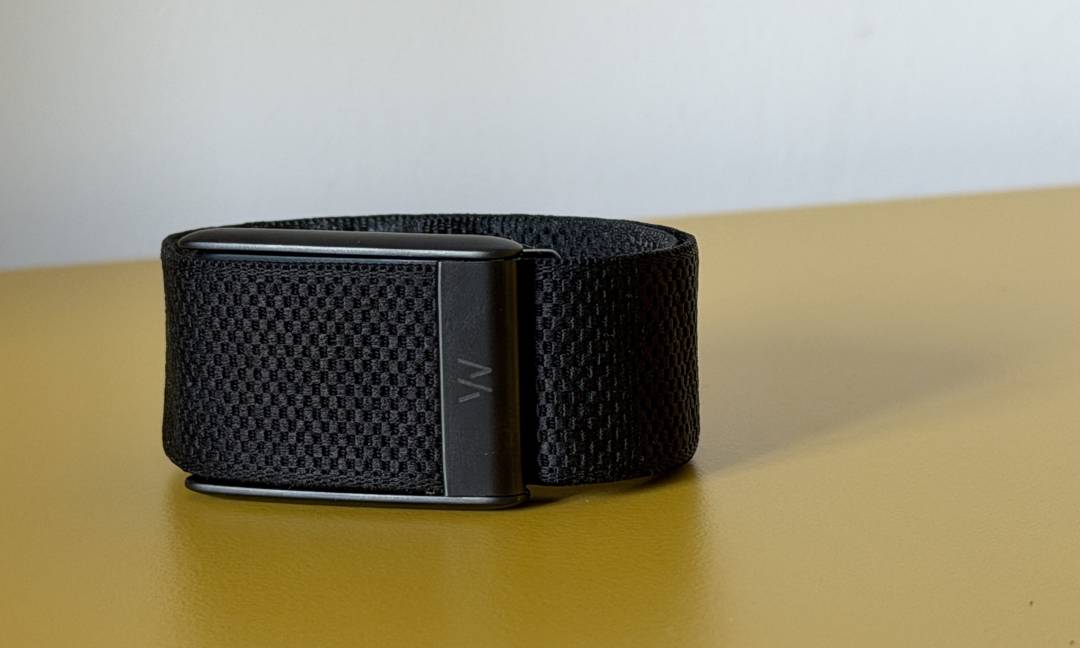
Screen-free fitness trackers are having a moment. Unlike traditional smartwatches, these wearables quietly collect data on everything from heart rate and sleep to stress and recovery, all without a screen showing you your phone notifications or the time. They are simply a band that goes on your wrist or finger.
WHOOP, founded by Will Ahmed in 2012, was one of the first companies to champion the concept, and it’s since been joined by the likes of Oura, Polar and, most recently, Garmin with its new screen-free CIRQA wearable.
I’ve worn plenty of fitness watches over the years. Suunto, Garmin and Polar have all spent time on my wrist, helping me pace runs, track my steps, and tell me how “ready” I am to train. But just over a year ago – proudly showing off my 417-day streak – I strapped on a WHOOP band alongside my Garmin Forerunner 970 smartwatch.
What I didn’t expect, however, was just how much I’d grow to love it. So much so that I now often leave the house without my smartwatch (unless I am going for a run) and rely solely on WHOOP to track everything else.
Here’s why I have become obsessed with my WHOOP:
It is constantly tracking
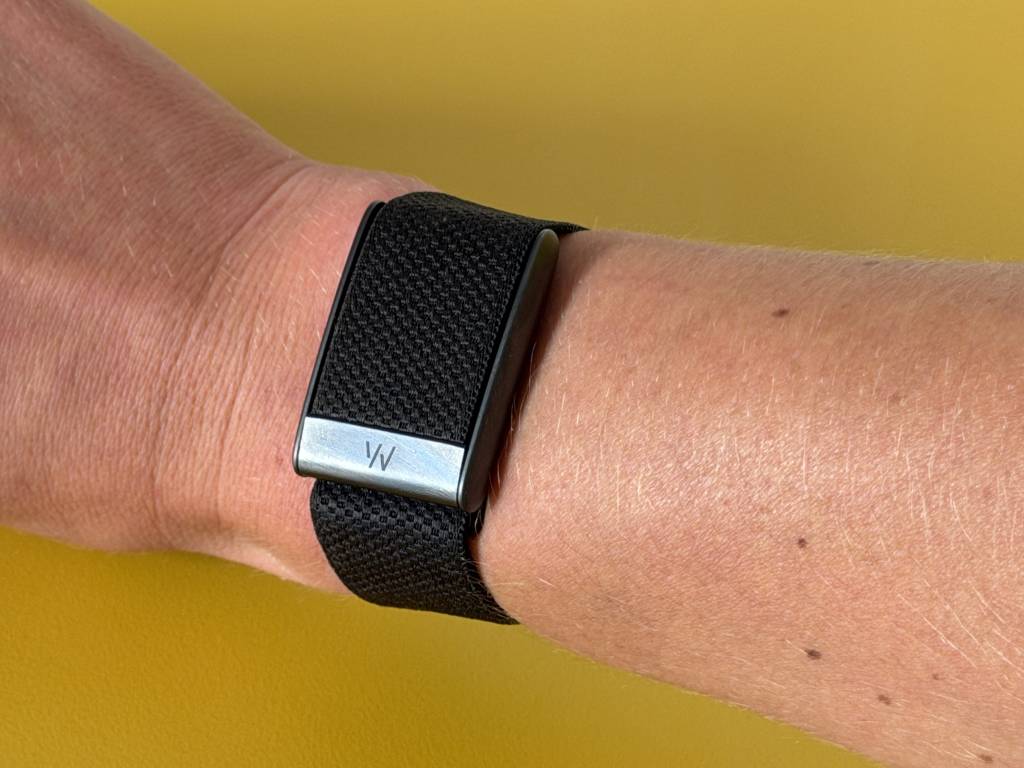
I wear the WHOOP 5.0 almost constantly. The only time it comes off is for a few minutes under the tap when I give the band a clean. Showering, running, working, sleeping – it stays on my wrist.
My band is WHOOP’s SuperKnit fabric, which has an antimicrobial coating to help keep it fresh despite everything I put it through. There are other band options too, including a waterproof silicone version for those who prefer a lower-maintenance option.
The biggest thing I’ve noticed is how comfortable it is. I often forget I’m wearing it, which means I’m collecting data 24/7 and building a much clearer picture of my health, recovery and performance. Before WHOOP, I would often take my smartwatch off overnight because I found it too chunky to sleep in. That meant missing valuable sleep and recovery data, creating gaps in my overall picture. With WHOOP, I don’t miss a second (also thanks to the 14-day battery life and portable charger).
My only concern? If I ever do have to take it off, whenever that day comes, I’m going to be left with one impressive tan line. Thankfully, WHOOP offers a range of interchangeable bands (from £44) in different colours, so you can at least match it to your outfit to prevent that day ever coming.

It helps me chase green days
Every morning, WHOOP gives me a recovery score – a percentage between zero and 100 that’s calculated using data collected during sleep, including heart rate variability (HRV), resting heart rate (RHR), respiratory rate and sleep quality. The score is then categorised into three colours: green (67-100%), yellow (34-66%) and red (0-33%).
Then there’s the infamous 1% club, complete with its skull symbol. This is WHOOP’s lowest recovery category, appearing when your body is under significant strain and showing limited signs of recovery. This mainly happens when you’re unwell or after one too many alcoholic drinks.
Green is the colour every athlete wants to wake up to. It suggests your body is showing positive signs of recovery and that you may be ready to push harder in training. Yellow means you’re somewhere in the middle, while red indicates your body may need more rest and recovery.
On the day of writing this article, I woke up to a 53% recovery score – firmly in the yellow zone. For me, that’s a sign I need to pay a little more attention to recovery after a harder-than-usual session, prioritising the basics: refuelling properly, rehydrating and giving my body the recovery it needs.
One of my favourite features is WHOOP’s journal. Each morning, you answer questions you’ve selected about your lifestyle habits, which over time builds a picture of what may be influencing your recovery. For example, WHOOP has shown me that keeping a consistent bedtime improves my recovery by 3%, while eating enough protein has a 7% positive impact. Alcohol, unsurprisingly, has a much bigger negative impact, reducing my recovery by 15%. Apparently, spending time with friends and family also reduces it by 3% (sorry to my loved ones).
Of course, I won’t be turning into a recluse just to chase a green score. Nevertheless, WHOOP has helped me become more aware of the balance between training, recovery and everyday life – something that becomes increasingly important when you’re juggling triathlon training alongside work and a social life.
That said, I do feel it can be possible to become fixated on the colour of your recovery. There have been mornings I am in the green but feel like I should be a red, or vice versa, making me question how hard to train. Since using it, like any other smartwatch, I’ve learnt to take the scores with a pinch of salt.
It has an integrated AI coach
In 2023, WHOOP introduced WHOOP Coach, an AI-powered feature designed to help users better understand their data and make more informed decisions. Since then, it has continued to expand its capabilities, offering more personalised insights based on your own metrics.
Each morning, after checking my recovery score and seeing which colour zone I’ve landed in, I can open my Daily Outlook, an AI-generated summary of my recent data, along with suggestions for how I might approach the day’s training based on my recovery.
For me, this is where WHOOP becomes more than just a tracker. Your body produces an overwhelming amount of data, but the challenge is knowing what to do with it. Before using WHOOP, I could see my HRV sitting at 98ms, for example, but I didn’t really understand what that meant, whether it was good for me, or what factors could influence it. Now I can ask those questions and get a simple explanation based on my own trends.
I’ve also used WHOOP Coach to ask about race tapering, fuelling strategies and whether I’d done enough training to survive my first triathlon (asking for a friend…). The fact it can draw on more than a year of my own data makes the advice feel much more personalised.
Of course, for me, it doesn’t replace a coach, physio or sports nutritionist, but it has become a useful tool for helping me understand the meaning behind the numbers.
It doesn’t just focus on the now
Most fitness trackers are built around performance, which is the primary reason why most, like myself, wear them. What I like about WHOOP, however, is that it also looks beyond the now. It has a growing focus on helping users understand the habits that may contribute to long-term health and wellbeing.
The Healthspan feature, available to Peak and Life members, looks at how your daily behaviours may influence your long-term health rather than simply your fitness performance. As athletes, we often focus on what we can achieve today, but the real goal is being able to continue doing the things we love for decades to come.
Healthspan is split into two measurements: WHOOP Age and pace of ageing. According to WHOOP, the feature analyses nine metrics across sleep, strain and fitness, including sleep consistency, daily steps, time spent in different heart rate zones, strength training, VO2 max, resting heart rate and lean body mass. Not to brag, but WHOOP currently estimates my “age” to be 10.8 years younger than my actual age, giving me a WHOOP Age of 19.3 years and an ageing pace of 0.9x.
The useful part, however, isn’t just the number itself. Within the app, I can see which habits are contributing positively to my Healthspan and where I could make improvements.
For those more interested in monitoring health metrics alongside fitness, WHOOP’s Life membership also includes features such as blood pressure insights, on-demand ECG readings and irregular heart rhythm notifications.
Ultimately, this is why I’ve become a bit obsessed with my WHOOP. It isn’t just looking at how hard I am training now, but showing me how I can keep training this hard in the future.
The downside…
The only downside is the cost. Unlike other smart bands, WHOOP requires a membership. I pay £27 a month to subscribe and did have to pay for the band when I first joined. Memberships do decrease when you pay annually – £169 for WHOOP One – but increase from there depending on the data you’d like to access.
Overall, I don’t mind the cost of the membership as I feel the insights it provides me for both performance and general health equate to the cost per month. If I wasn’t a data-driven person, this additional cost might not be worthwhile.
I have also never tried another screen-free smart band, so I can’t say whether WHOOP offers better value than competitors that don’t require an ongoing subscription. If you’re considering making the switch, it’s worth weighing up whether you’ll make enough use of the data to justify the monthly cost.
220 Triathlon Verdict
WHOOP isn’t for everyone, especially with its monthly subscription, but if you value recovery and health insights as much as performance, it’s an excellent investment.
Pros
- Comfortable to wear
- Helps understand the numbers
- Focus on longevity
Cons
- Subscription required and cost for new bands
- Potential for terrible tan lines



indiapaine