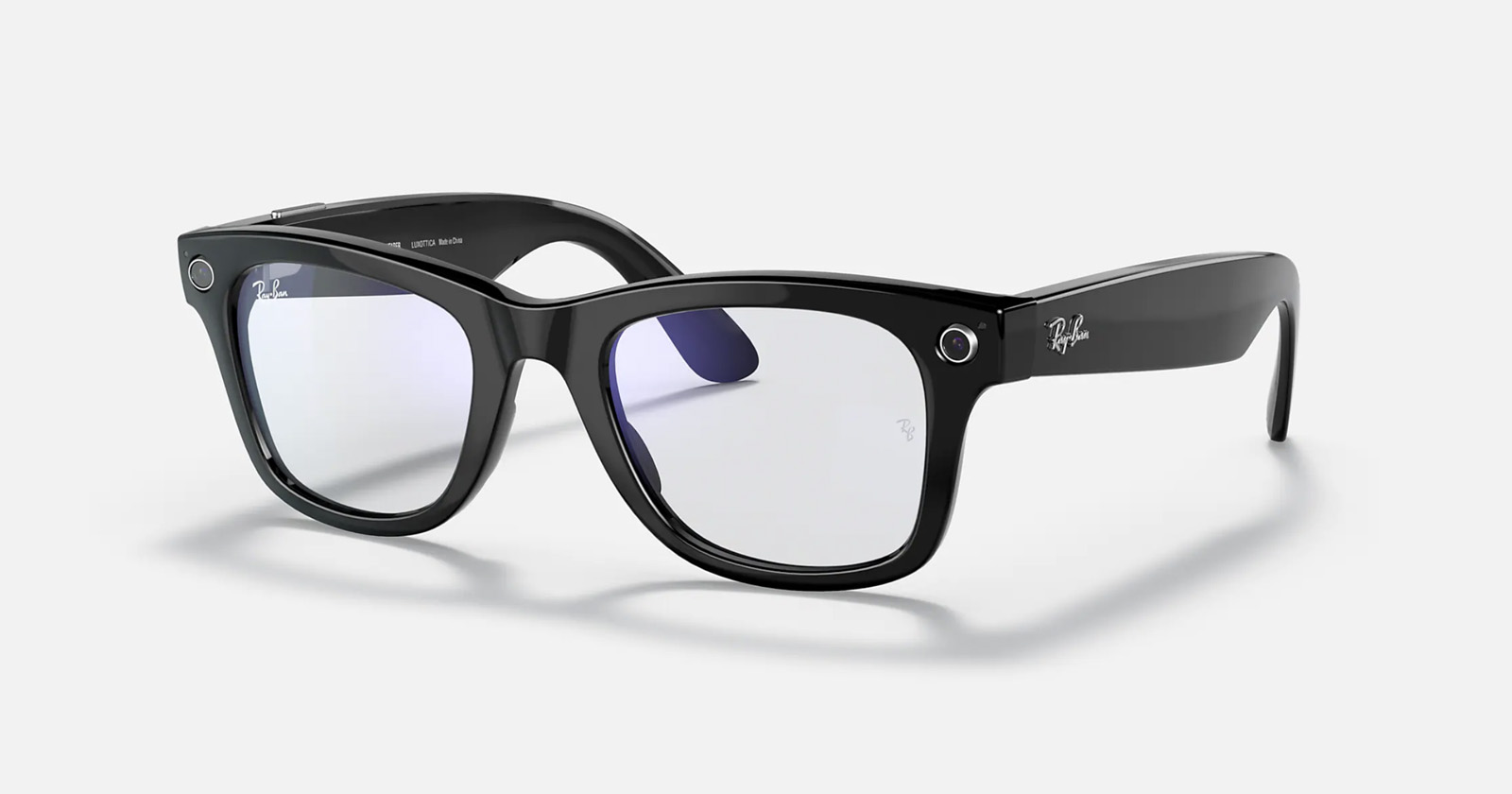
Meta Smart Glasses Face Calls for Bans Across Europe Over Privacy Concerns

Several European countries — including France, Germany, and the Netherlands — are considering banning Meta’s smart glasses as regulators examine whether the devices comply with privacy laws.
Meta’s smart glasses, which include built-in cameras, are facing increasing scrutiny from lawmakers, regulators, and privacy advocates across Europe. Officials are debating whether the technology meets the requirements of the European Union’s (EU) privacy rules, including whether people captured by the cameras have a meaningful way to object to the collection and use of their personal data.
According to news outlet Euractiv, the European Data Protection Board (EDPB), which brings together data protection authorities from across Europe, is expected to issue a report on smart glasses by the end of summer. The review is examining potential privacy risks and what measures could be taken at the European level to regulate the technology.
However, some European countries say action is needed sooner and are pursuing their own approaches to limiting the use of smart glasses.
In Germany, privacy advocates and regulators have increased calls for restrictions on Meta’s glasses, warning that the devices could enable covert recording and contribute to digital abuse. According to Euractiv, Thomas Fuchs, the commissioner of Hamburg’s data protection authority (DPA), said in an interview with German broadcaster ARD on Friday that smart glasses are “disguised cameras” and suggested they could potentially be prohibited under German law that bans recording devices hidden in everyday objects.
Meta’s glasses include white LED lights that flash to indicate when the device is recording. But the news outlet reports that Hamburg’s DPA has been examining whether these indicators are sufficient and is also looking into how data collected by the glasses may be used for AI training. The concerns in Germany have intensified after digital rights organization HateAid revealed that police in the city of Potsdam had received complaints from young women who alleged they had been secretly recorded by male strangers using Meta Glasses at a public swimming pool.
In the Netherlands, digital rights advocates have also called for Meta’s AI glasses to be banned, raising concerns that the devices’ small cameras could allow people to be recorded without their knowledge. Dutch news outlet NOS reports that Bits of Freedom, a national organization that campaigns for digital civil rights, is calling for restrictions similar to existing rules covering technologies such as undress apps, spyware, and stalkerware.
“Imagine if everyone walks around with such glasses. You would lose your complete privacy on the street. In every conversation you would have to wonder if you are being filmed,” Bits of Freedom tells NOS. “That would do a lot to our sense of safety and human interaction. We absolutely should not want that.”
France has similarly raised concerns about the potential privacy impact of smart glasses. According to Politico, France’s privacy regulator, the National Commission on Informatics and Liberty (CNIL), warned in May that the devices pose a “significant risk” of creating a form of surveillance that is “almost invisible and omnipresent” and “could lead to a profound transformation of our societies.” The CNIL says that smart glasses are not simply consumer technology, highlighting concerns about their “ability to capture, process, and interpret data in real time, without necessarily being known by those around them.”
Affiliate Disclosure PetaPixel articles may include affiliate links; we may earn a commission if you buy through one.