Not exactly a highlight
The Pixel 11’s “glow” feature is actually called HiLight—here’s what it does
The camera flash will evolve into a multicolor LED that illuminates when your phone is face down.
Credit:
Credit:
Google will reveal the Pixel 11 series later this month, but leaks and teasers so far have painted a picture of phones that have barely changed since last year. One notable exception seems to be the illuminated dot from some of the teasers. This has been rumored as “Pixel Glow,” but a new leak all but confirms a different (and less interesting) name. Say hello to HiLight.
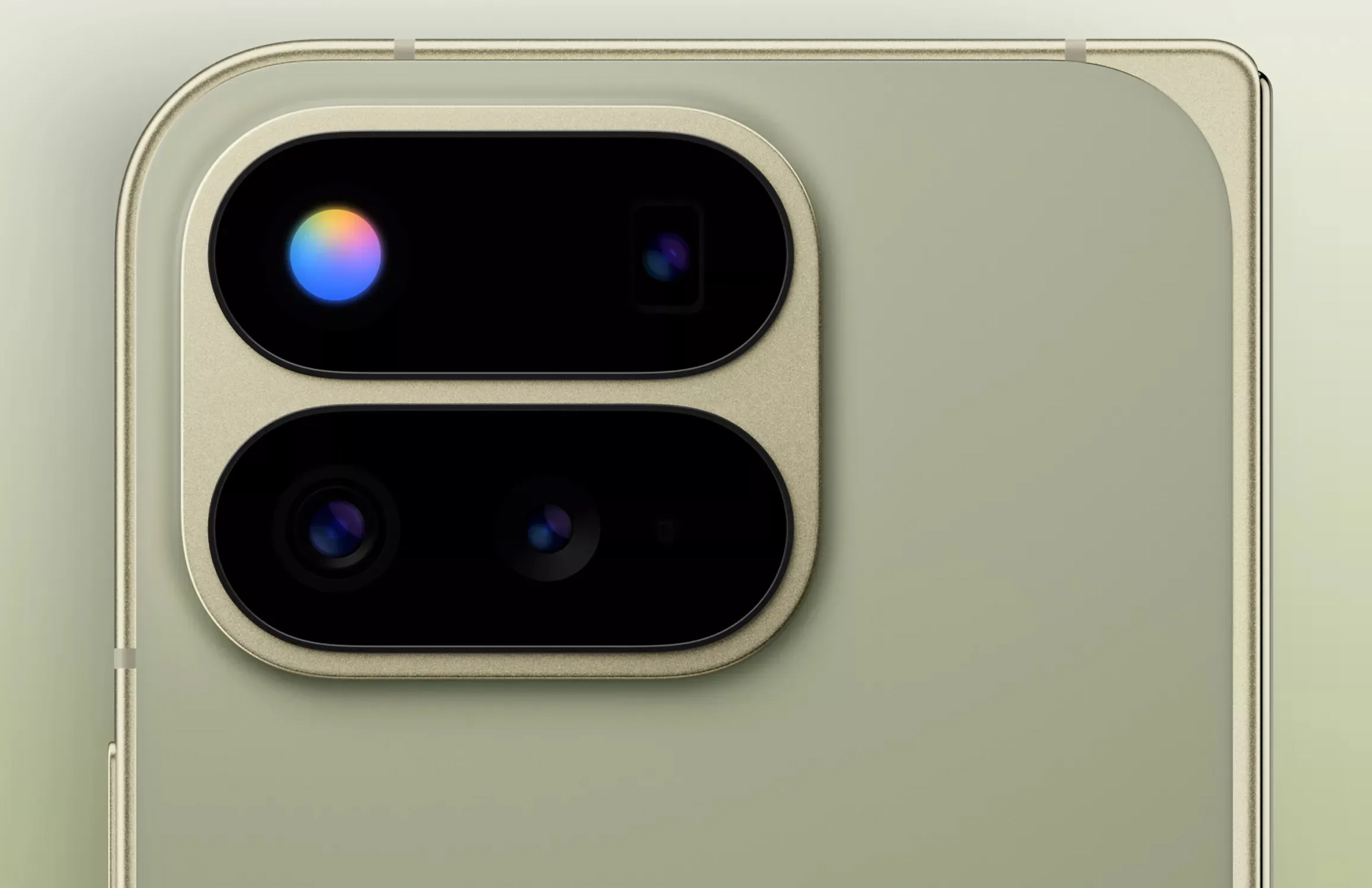
A post on Bluesky by WinFuture’s Roland Quandt shows the new LED inside the camera module of the Pixel 11 Pro Fold. We can see the actual body of the device rather than a shadowy outline as in Google’s teasers, and it does look a bit different than the previous Pixel Fold.
The camera bump on the Pixel 11 Pro Fold is smaller, with no separate section for the flash off to the right. It appears that HiLight is the flash. Presumably, it still works as a flashlight and camera flash, but it can also produce a range of colors.
Credit:
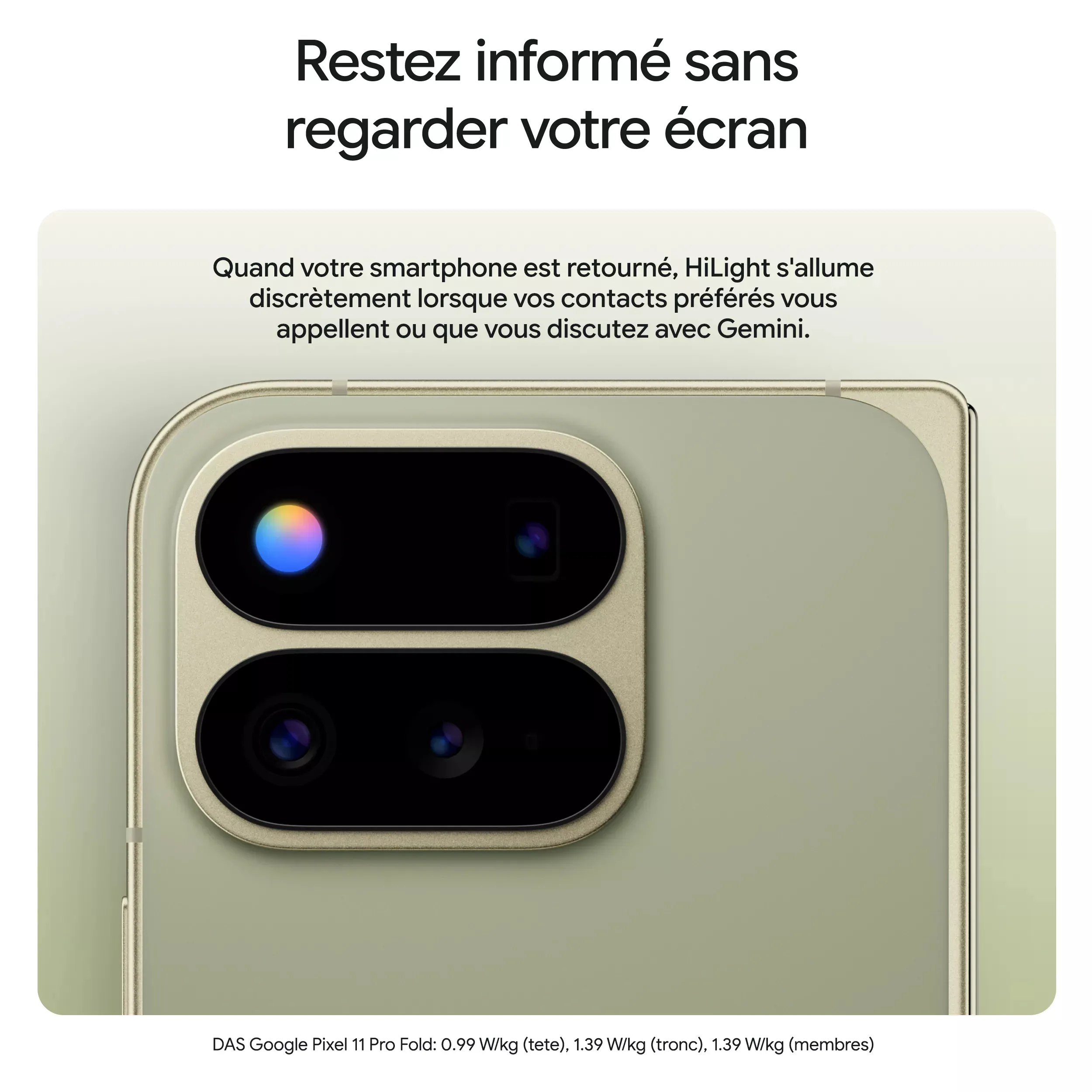
What does this thing do, anyway? The graphic includes text in French, which translates to:
Stay informed without looking at your screen
When your smartphone is turned upside down, HiLight discreetly illuminates when your favorite contacts call you or when you chat with Gemini.
So this is, in part, a return to the days of the notification LED. You’ll be able to set HiLight to alert you when you get a call from certain contacts. It’s unclear if that will also extend to messages and other app-based notifications. That was all possible with classic notification LEDs, but all bets are off with HiLight.
Before displays grew to dominate the entire face of our phones, it was common for Android devices to have a small RGB LED that would illuminate to indicate pending notifications or incoming calls. This helped save power back when waking up the display too often could kill the battery.
But HiLight is on the back of the phone. It appears this feature will only be useful when the phone is face down, which many people instinctively avoid to prevent screen scratches. Perhaps Google will have some answer for that in the form of new, harder glass.
Shining a light on Gemini
The other angle for HiLight is the Gemini tie-in, and this jibes perfectly with some of Google’s other products. In the coming months, we expect to see the first Googlebook laptops hit the market. These devices will come from various manufacturers, but they’ll all have the Glowbar. Google has been vague on what the feature will do, but it’s a safe bet based on HiLight that the bar will light up when you’re talking to or otherwise interacting with Gemini.
Likewise, the new Google Home Speaker, with its deep Gemini integration, has an illuminated ring around the bottom. It lights up when you’re talking to Gemini and changes colors to represent status. HiLight probably does much the same.
This may be what passes for hardware innovation in Google’s latest phones. In 2025, the biggest change was the addition of Qi2 magnets, which Google brands as Pixel Snap. A Gemini-focused notification LED on the back of the phone is arguably less important. We’ll have to wait until August 12 to see how Google pitches this feature, though.