Let the light shine
Google reveals 2026 hardware lineup: Pixel 11, Pixel Watch 5, and Pixel Tag
Google focuses more on AI and curated experiences than spec upgrades in 2026.
Credit:
Credit:
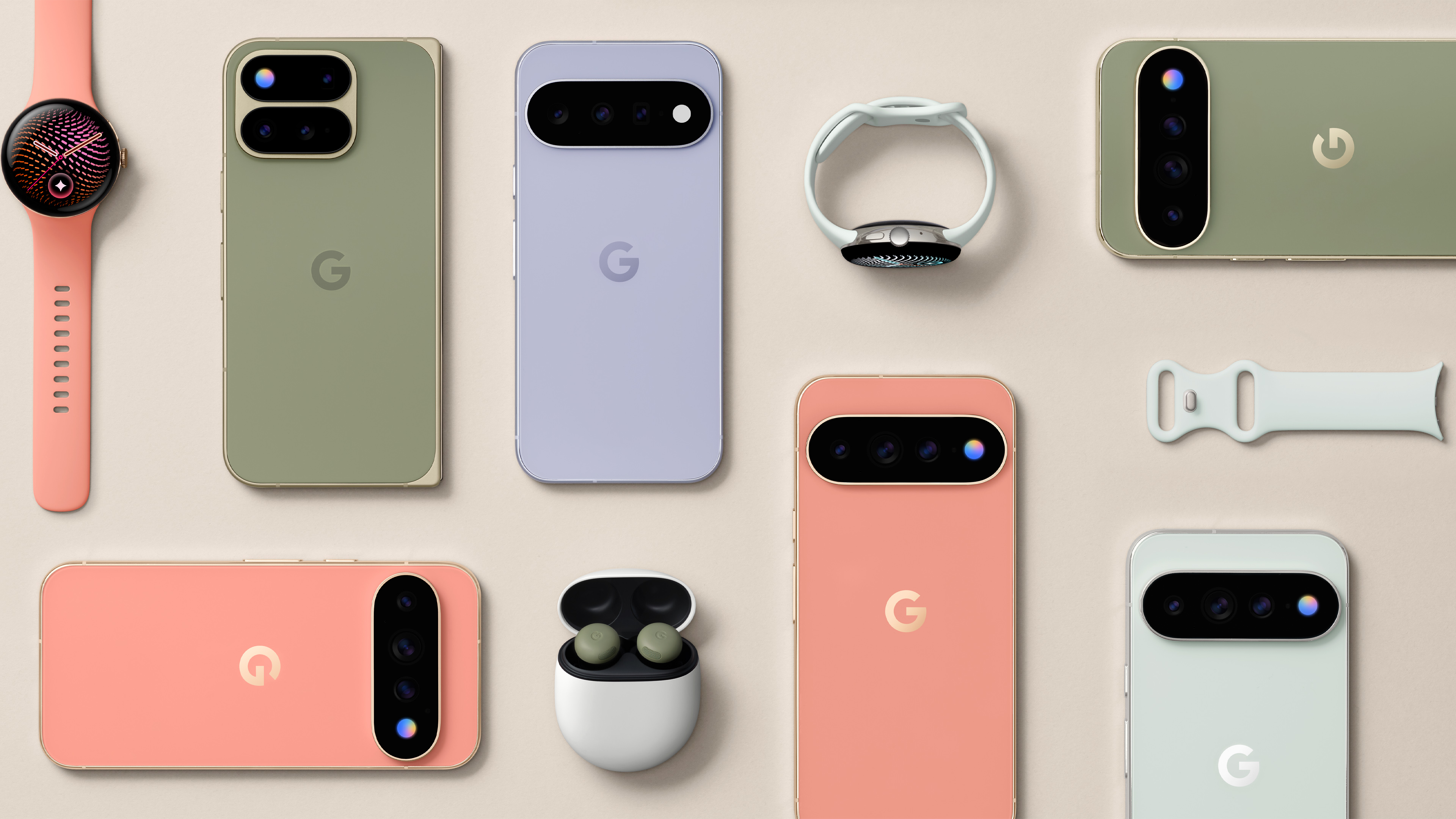
Google has revealed its Pixel phone hardware for 2026, and you won’t be surprised. The Pixel 11 series looks a lot like last year’s lineup, featuring an evolution of the design Google adopted with the Pixel 9. There are some minor tweaks, a few new hardware goodies, and yes, even more Gemini-powered AI. The new phones are joined by an updated Pixel Watch 5 with much the same story, as well as Google’s first in-house tracker device, the Pixel Tag. And you can place orders for all of Google’s new hardware today.
The Pixel 11 series is clearly the star of the show—you might even call it the highlight… erm, sorry, HiLight. Just as the leaks predicted, Google’s most notable hardware innovation for the 2026 Pixel phones is the return of the notification LED (sort of).
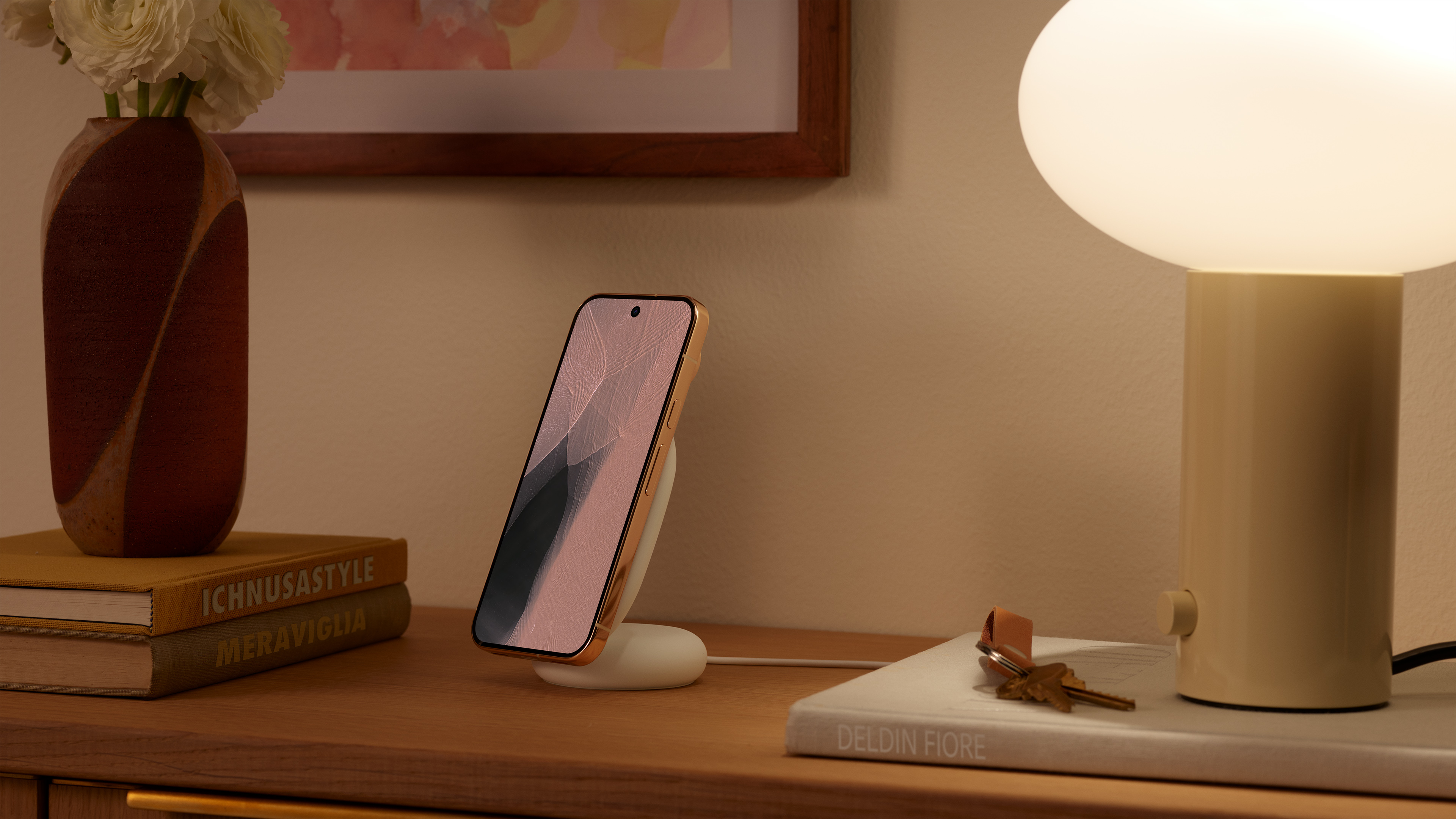
HiLight is available on the Pro phones, so the base model Pixel will remain unilluminated. HiLight consists of a ring of RGB LEDs inside the flash assembly on the back of the phone. It lights up when you’re talking to Gemini, so you don’t have to look at the screen of your phone to know you’ve been heard or that the AI is working. Thus, it makes the most sense when the phone is lying face down.
The multicolored LEDs can also alert you to an incoming call from specific contacts. This works for both standard phone calls and voice calls in WhatsApp. But it’s only those apps. It sounds like you can’t use HiLight for any other kind of notification for other apps—not even for a text in Google Messages. Notification LEDs can be useful, but the ones we had years back were infinitely more configurable. HiLight is locked down in modern Google fashion, and I wouldn’t be surprised if we see more HiLight features drip-fed in future Pixel Drops.
| Specs at a glance: Google Pixel 11 series | ||||
|---|---|---|---|---|
| Pixel 11 ($899) | Pixel 11 Pro ($1,099) | Pixel 11 Pro XL ($1,299) | Pixel 11 Pro Fold ($1,899) | |
| SoC | Google Tensor G6 | Google Tensor G6 | Google Tensor G6 | Google Tensor G6 |
| Memory | 12 GB | 12 / 16 GB | 12 / 16 GB | 16 GB |
| Storage | 256 GB / 512 GB | 256 GB / 512 GB / 1 TB | 256 GB / 512 GB / 1 TB | 256 GB / 512 GB / 1 TB |
| Display | 6.3-inch 1080×2424 OLED, 60-120Hz, up to 3000 nits peak | 6.3-inch 1280×2856 LTPO OLED, 1-120Hz, up to 3600 nits peak | 6.8-inch 1344×2992 LTPO OLED, 1-120Hz, up to 3600 nits peak | External: 6.5-inch 1080 x 2342 OLED, 1-120Hz, up to 3600 nits peak; Internal: 8-inch 2076×2152 OLED, 1-120Hz, up to 3600 nits peak |
| Cameras | 48 MP wide with Macro Focus, f/1.7; 13 MP ultrawide, f/2.2; 10.8 MP 5x telephoto, f/3.1; 10.5 MP selfie, f/2.2 | 50 MP wide, f/1.68; 48 MP ultrawide with Macro Focus, f/1.7; 48 MP 5x telephoto, f/2.8; 42 MP selfie, f/2.2 | 50 MP wide, f/1.68; 48 MP ultrawide with Macro Focus, f/1.7; 48 MP 5x telephoto, f/2.8; 42 MP selfie, f/2.2 | 48 MP wide, f/1.7; 10.5 MP ultrawide with Macro Focus, f/2.2; 10.8 MP 5x telephoto, f/3.1; 10 MP inner and outer selfie, f/2.2 |
| Software | Android 17 | Android 17 | Android 17 | Android 17 |
| Battery | 4,985 mAh, up to 30W wired charging, Pixelsnap wireless charging up to 25W | 4,850 mAh, up to 30W wired charging, Pixelsnap wireless charging up to 25W | 5,115 mAh, up to 45W wired charging, Pixelsnap wireless charging up to 25W | 4,806 mAh, up to 30W wired charging, Pixelsnap wireless charging up to 25W |
| Connectivity | Wi-Fi 6E, NFC, Bluetooth v6, sub-6 GHz and mmWave 5G, USB-C 3.2 | Wi-Fi 7, NFC, Bluetooth v6, Ultra-Wideband, sub-6 GHz and mmWave 5G, USB-C 3.2 | Wi-Fi 7, NFC, Bluetooth v6, Ultra-Wideband, sub-6 GHz and mmWave 5G, USB-C 3.2 | Wi-Fi 7, NFC, Bluetooth v6, Ultra-Wideband, sub-6 GHz and mmWave 5G, USB-C 3.2 |
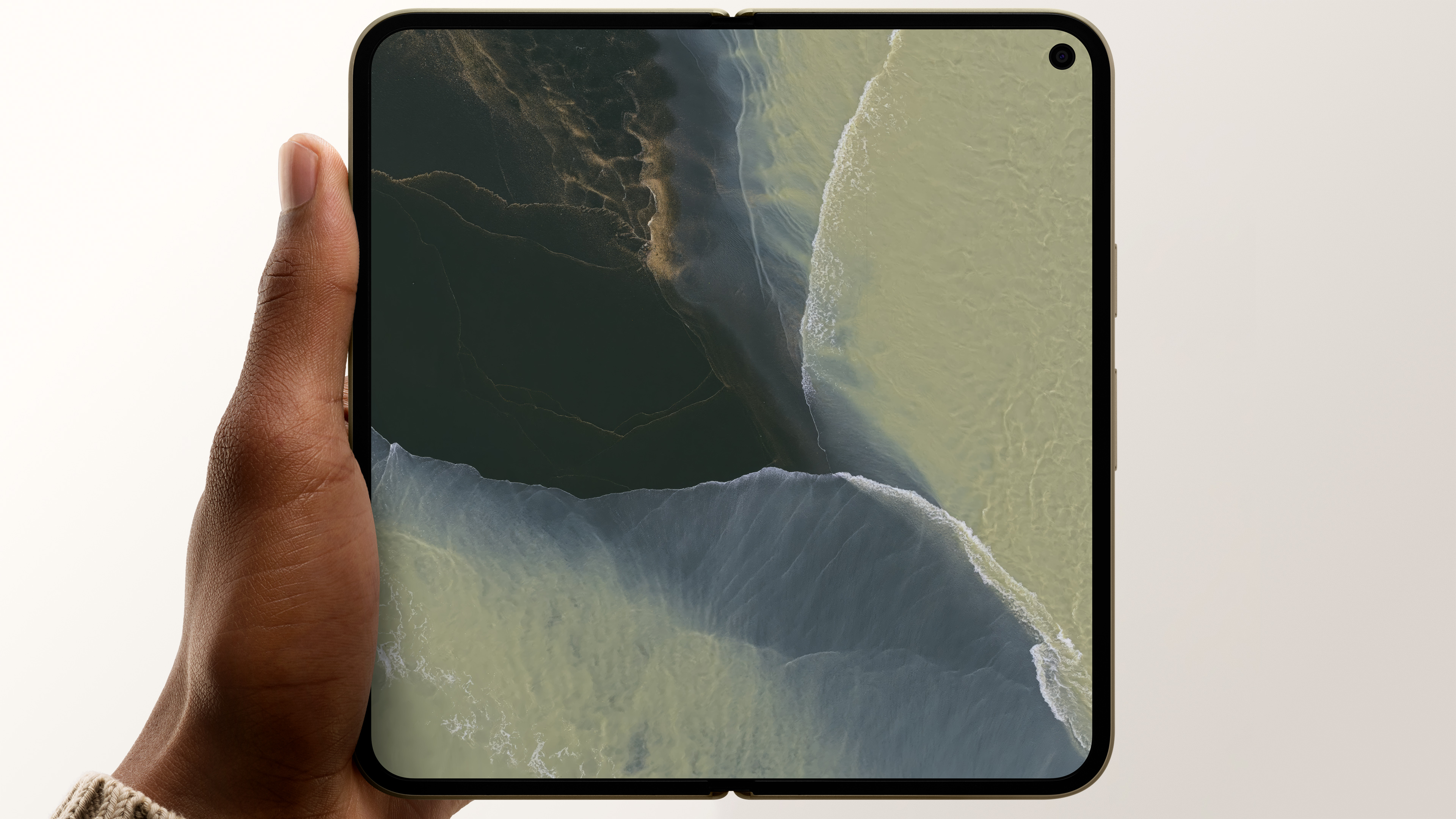
| Measurements | 152.4 mm height×71.1 mm width×7.6 mm depth, 195.6 g | 152.4 mm height×71.1 mm width×7.6 mm depth, 204.1 g | 162.6 mm height×76.2 mm width×7.6 mm depth, 226.8 g | Folded: 155.2 mm height×76.0 mm width×10.1 mm depth; Unfolded: 155.2 mm height×150.4 mm width×5.0 mm depth; 239 g |
| Colors | Frost, Pistachio, Hibiscus, Obsidian | Canyon, Olive, Fog, Obsidian (matte) | Canyon, Olive, Fog, Obsidian (matte) | Olive, Obsidian |
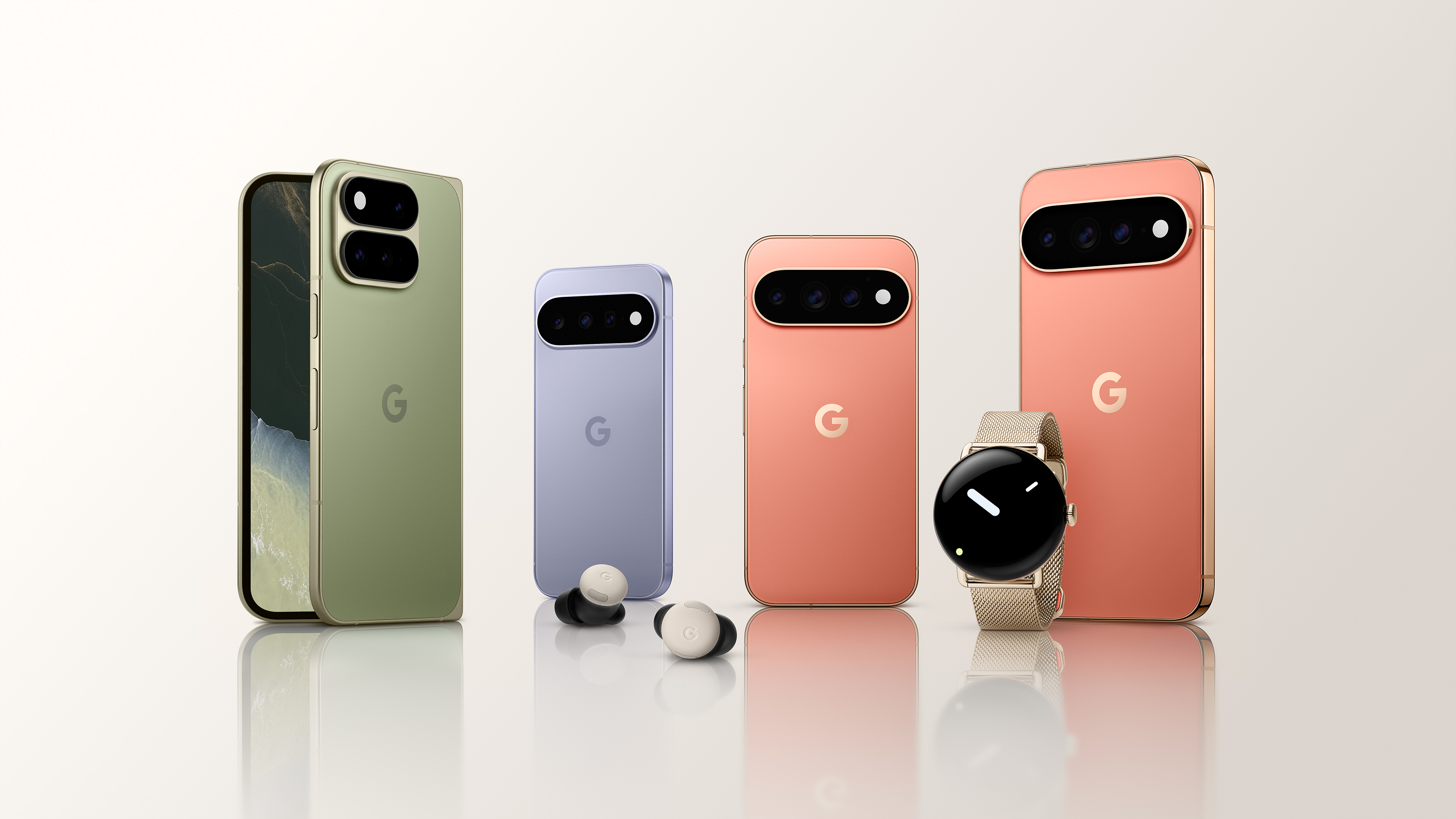
You may also notice the camera bars are a bit different this year. Google is keeping this distinctive design element, but the bar has shrunk considerably on the base model. The Pixel 11’s bar now rises just a couple of millimeters above the back of the phone, making it a bit less awkward to drop in your pocket. All the bars now have edge-to-edge glass, dropping the metal inlay that previously housed the flash and thermometer. The latter, unsurprisingly, is gone this year.
Credit:
The displays on this year’s Pixel phones are brighter. While the base model remains at 3,000 nits, the Pro phones have all risen to 3,600 nits. Google also says it has new glass on the phones that is twice as resistant to scratching.
It’s not all upgrades, though. For the past few years, Google’s battery capacity has been inching upward, but the Pixel 11 series bizarrely reverses that trend. The three flat phones all have slightly lower capacity. It’s not a huge difference—under 100 mAh for each—but that’s still moving in the wrong direction when one of the primary complaints about Pixel phones is the middling battery life. The Pixel 11 Pro Fold is even stranger, dropping a full 200 mAh of capacity to land at 4,806 mAh. However, it is a little lighter and thinner.
For what it’s worth, Google is claiming the same “24+ hours” of total battery life on the new phones. There is at least a new “Extreme Charging Mode” that keeps charging wattage higher for longer. This generates more heat, but the chipset will slow down to compensate so you don’t overheat.
Google probably figured it could get away with smaller batteries because the new Tensor G6 uses less juice. The company claims a 20 percent boost in power efficiency, along with 25 percent faster browsing and 15 percent faster app loading. However, this is really all Google is saying about Tensor G6—there are no official chip specs. Based on leaks, Tensor G6 is most likely a custom seven-core Arm chip, which has one fewer CPU core than the Tensor G5 had.
Credit:
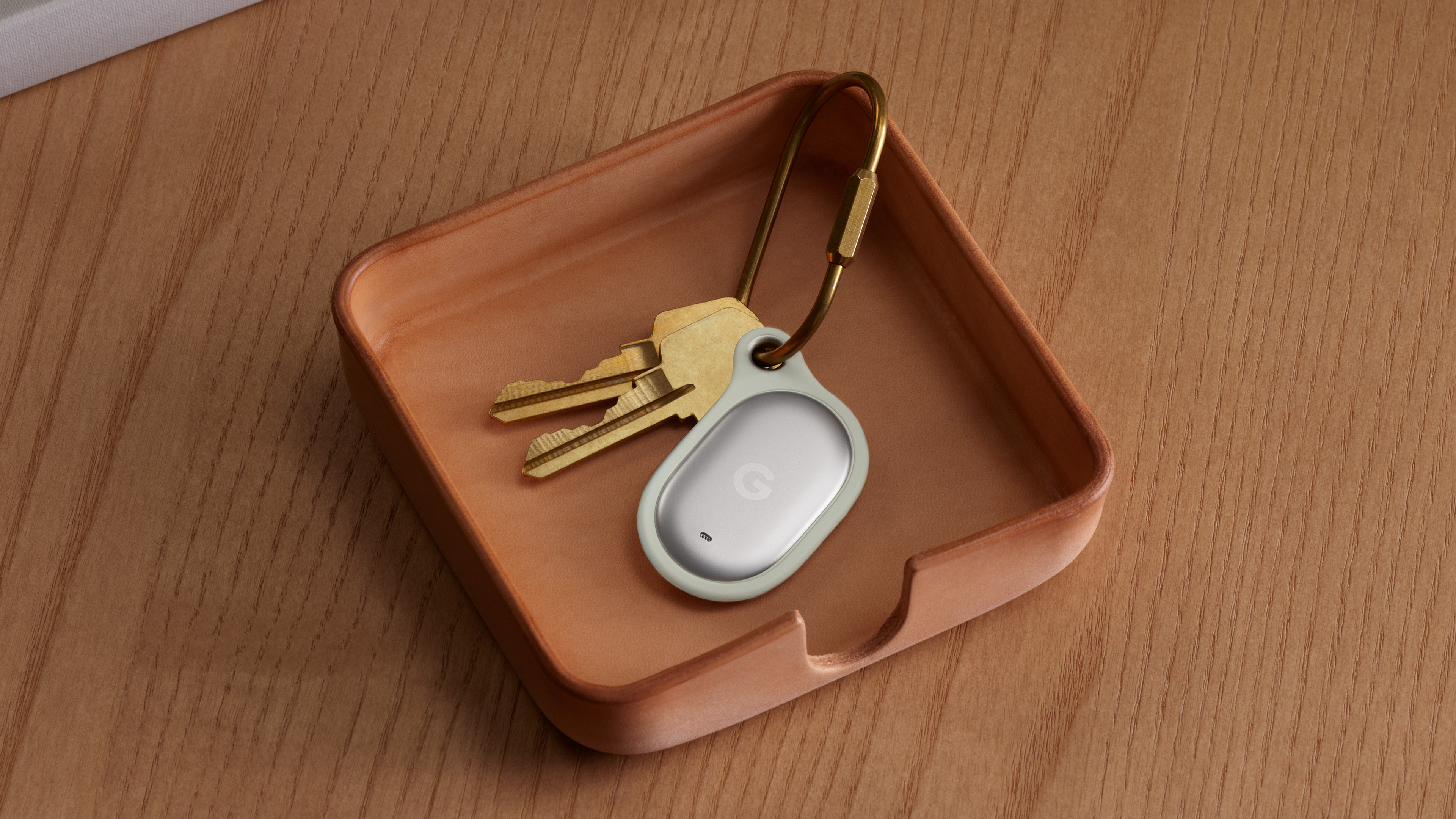
Google’s Pro phones continue to have an ultra-wideband radio, and Google finally has a product that can take advantage of it with the $29 Pixel Tag. It’s a location tracker like the Apple AirTag or any number of similar but less popular products on the Android side. This Bluetooth beacon uses the Find Hub network of Android phones to report its location, which has been slow to improve compared to Apple’s network. Devices with ultra-wideband, like the Pro Pixels, can use that signal for more precise finding when the tag is nearby.
The new Google phones will run Android 17 with the customary seven years of updates (not that Google likes to talk about versions much anymore)—it’s much more interested in talking about all the things Gemini can do on Android. Google has expanded the slate of apps that support automation, allowing you to task Gemini with things like ordering a ride or shopping. Gemini can also place calls to businesses on the Pixel 11, and you’ll get a transcript of the conversation to keep tabs on the robot.
Credit:
Rambler, which Google announced a few months ago, will be front and center on the Pixel 11. This voice-to-text feature is steeped in generative AI. It doesn’t directly transcribe your words, but rather will summarize to clean up repetitions, streamline corrections, and remove the occasional “um” or “uh.”
The camera experience is where Pixels really shine, and Google has paid some attention to that with the 2026 lineup. The Pixel 11 and the Pixel 11 Pro Fold have a new primary sensor. It’s the same resolution at 48 MP, but it’s slightly larger to collect more light. Google also expanded digital zoom on those phones to 30x. The Pro versions have been boosted to 120x digital zoom.
There are some new software camera features, too. Magic Capture takes the guesswork out of when to press the shutter button. When activated, this mode will automatically take a video and a high-quality still photo at the right moment, leveraging the phone’s image processing to crop and remove blur. The Pro phones also lean on the Tensor G6’s enhanced AI processing to power Instant Night Sight. It’s not clear how “instant” it will be, but the gist is that low-light photos will be faster.
Credit:
Camera Looks is probably the most interesting addition to the Pixel camera. Google’s HDR+ processing is generally great, but Pixels don’t include many customization options. Camera Looks will allow you to create styles that change the aesthetics of your photos. There will be some pre-crafted looks on the phone, and you can create your own. These aren’t just filters applied to the photos after processing—Camera Looks are implemented in the HDR+ processing pipeline. Google also notes that Camera Looks still support Real Tone, so no one’s skin will look out of whack even with highly stylized looks.
You’ll pay a little more for the new Google phones, but that’s par for the course in 2026. The prices are up $100 across the board, starting at $899 for the Pixel 11 and going up to $1,899 for the Pixel 11 Pro Fold. You can preorder now, and phones will ship on August 20. The Pixel Tag won’t launch until November 11.
Pixel Watch 5: More AI and health tracking
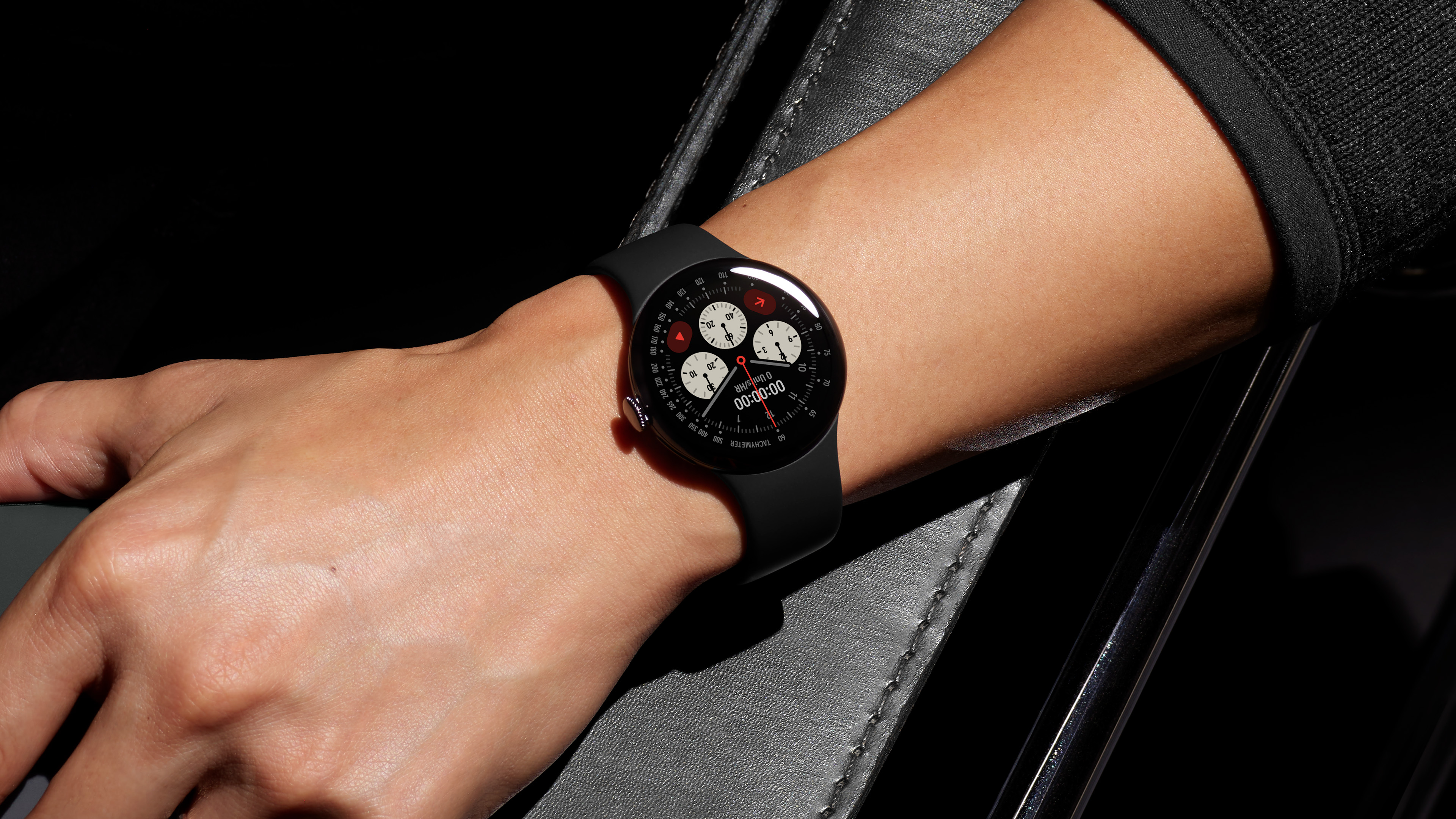
Google’s new wearable isn’t reinventing the wheel, either. It looks identical, and the battery capacity is just a smidge larger. The dimensions are identical, the charger is unchanged (thankfully), and it still comes in both 41 mm and 45 mm sizes with domed “Actual 360” OLED screens.
The watches run the Qualcomm Snapdragon W5 Gen 2 Accelerated, which is similar to the non-accelerated version from last year’s watches. Google says the new watches are about 20 percent faster, and, unsurprisingly, it’s using that extra speed to do more on-device AI processing.
Credit:
Google is leaning into proactive insights with the Pixel Watch 5, which can suggest actions or content based on the notifications that arrive. The watch might suggest locations or reminders based on messages. Some of the new watch faces can also display Gemini-powered content, like flight info or arrival times based on your data. You can also use Gemini offline to manage basics like timers and workout tracking by voice.
Google also promises a big improvement to health and fitness tracking with the Pixel Watch 5. The wearable can track more than 50 types of exercise, and it can provide audio and visual cues to help you through a planned routine. GPS is also improved for better reliability in dense urban environments.
There aren’t any new health sensors on the watches, but Google says it has found new ways to use them to offer wellness insights. Google has developed an AI model that uses pulse and movement data to estimate your blood pressure. While noting that this is not a replacement for real medical equipment, the company claims this can reveal important trends in your blood pressure. Similarly, the watch can estimate your insulin sensitivity on a monthly basis using pulse, movement, and sleep data. These features aren’t exclusive to the new watches, though. Insulin resistance and blood pressure trends will be rolled out to the Pixel Watch 3, Pixel Watch 4, and Fitbit Air this fall.
Pixel Watch 5 pricing starts at $399 for the 41 mm and $429 for the 45 mm, which is $50 and $30 higher than last year, respectively. If you want LTE, add $100 to those prices. It ships on August 20 as well.