Fair’s fair
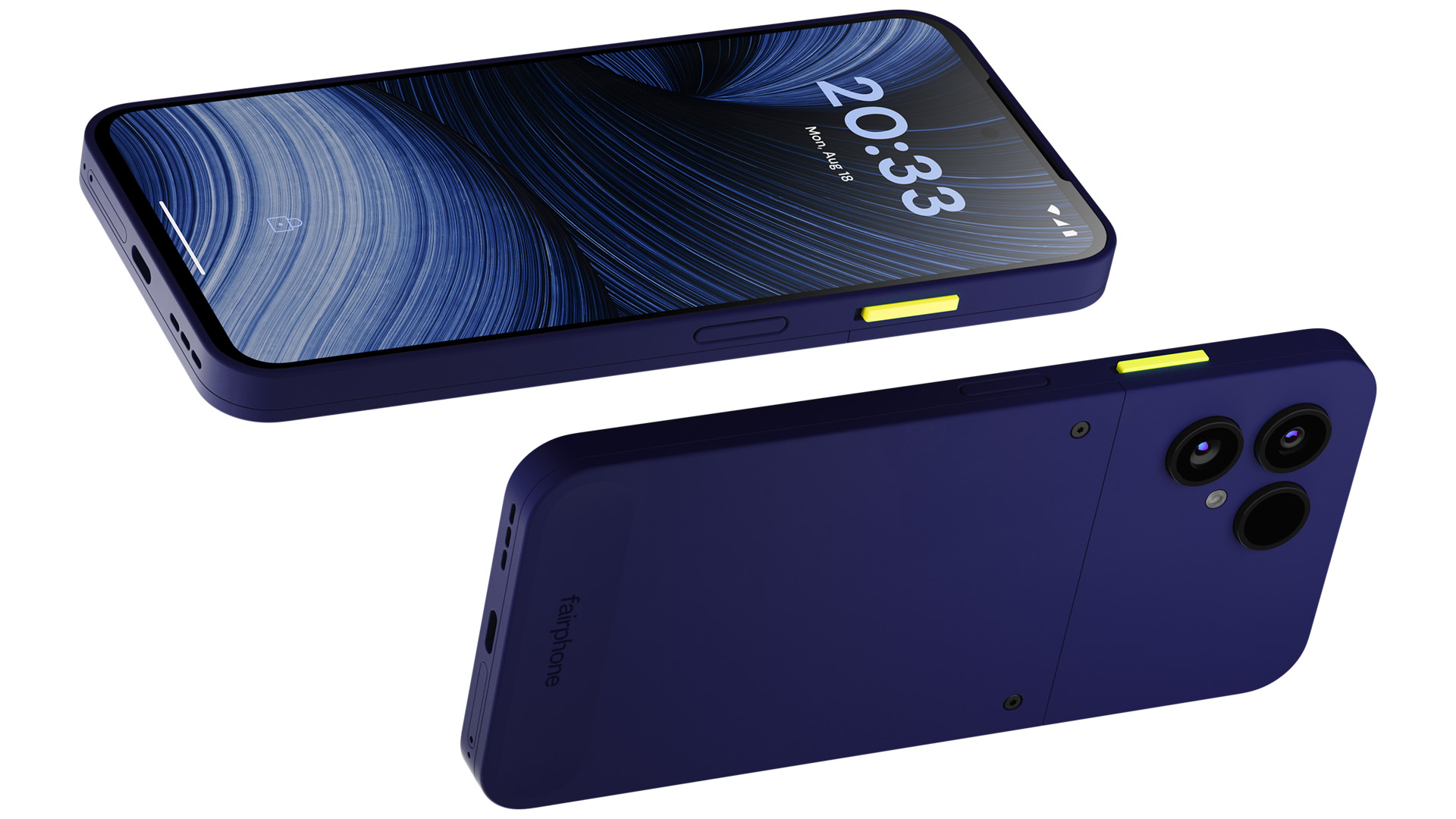
Fairphone’s latest repairable phone is finally available in the US for $650
Fairphone sells components like the USB port and screen, all swappable with a single torx driver.
Credit:
Fairphone
Credit:
Fairphone
As smartphone designs have become more refined, they’ve also become less repairable. Fairphone bucks that trend, offering devices that can be fully disassembled and serviced using a single screwdriver. But its devices were a pain to get in the US until now.
The Dutch company has launched the Fairphone Gen 6+ in the US, offering not only the phone but a full line of accessories and replacement parts so you can keep your phone running for years. And yes, the battery is removable.
Don’t expect the Fairphone Gen 6+ to blow you away in the spec department—it focuses on being repairable and paying workers a fair wage. Half of the phone is made from recycled materials, and it has a microSD card slot. How retro.
| Specs at a glance: Fairphone Gen 6+ ($650) | |
|---|---|
| SoC | Snapdragon 7s Gen 4 |
| Memory | 12GB |
| Storage | 256GB plus microSD |
| Display | 6.31-inch 1116×2484 LTPO OLED, 10-120 Hz, 1400 nits |
| Cameras | 50 MP f/1.88 primary, 13 MP f/2.2 ultrawide, 32 MP f/2.0 selfie |
| Software | Android 16 |
| Battery | 4415 mAh removable battery, 30 W wired charging |
| Connectivity | 5G, LTE, Wi-Fi 6e, Bluetooth v5.4, SIM+eSIM |
| Measurements | 156.57 mm × 73.28 mm × 9.6 mm, 193 g |
| Colors | Cobalt Blue, Horizon Black, Forest Green |
The Fairphone Gen 6+ is not an entirely new phone, but it is slightly upgraded from the regular Fairphone 6. The processor is slightly more powerful, with a Snapdragon 7s Gen 4 processor replacing the Gen 3 in the last phone. The RAM has also been increased from 8GB to 12GB, a rarity during our current global RAM shortage. Fairphone also offers the device in a new “Cobalt Blue” color, which is a reference to the company’s efforts to support ethical cobalt mining in Africa.
It’s been possible to buy Fairphones in the US before, but they were imported through other companies. The non-plus Fairphone 6 was offered through a company called Murena, which sold it for a higher price and loaded the phone with its de-Googled /e/OS. The new phone runs a standard build of Android 16 with all the usual Google services, and the company promises seven years of update support.
Fairphone
Credit:
Fairphone
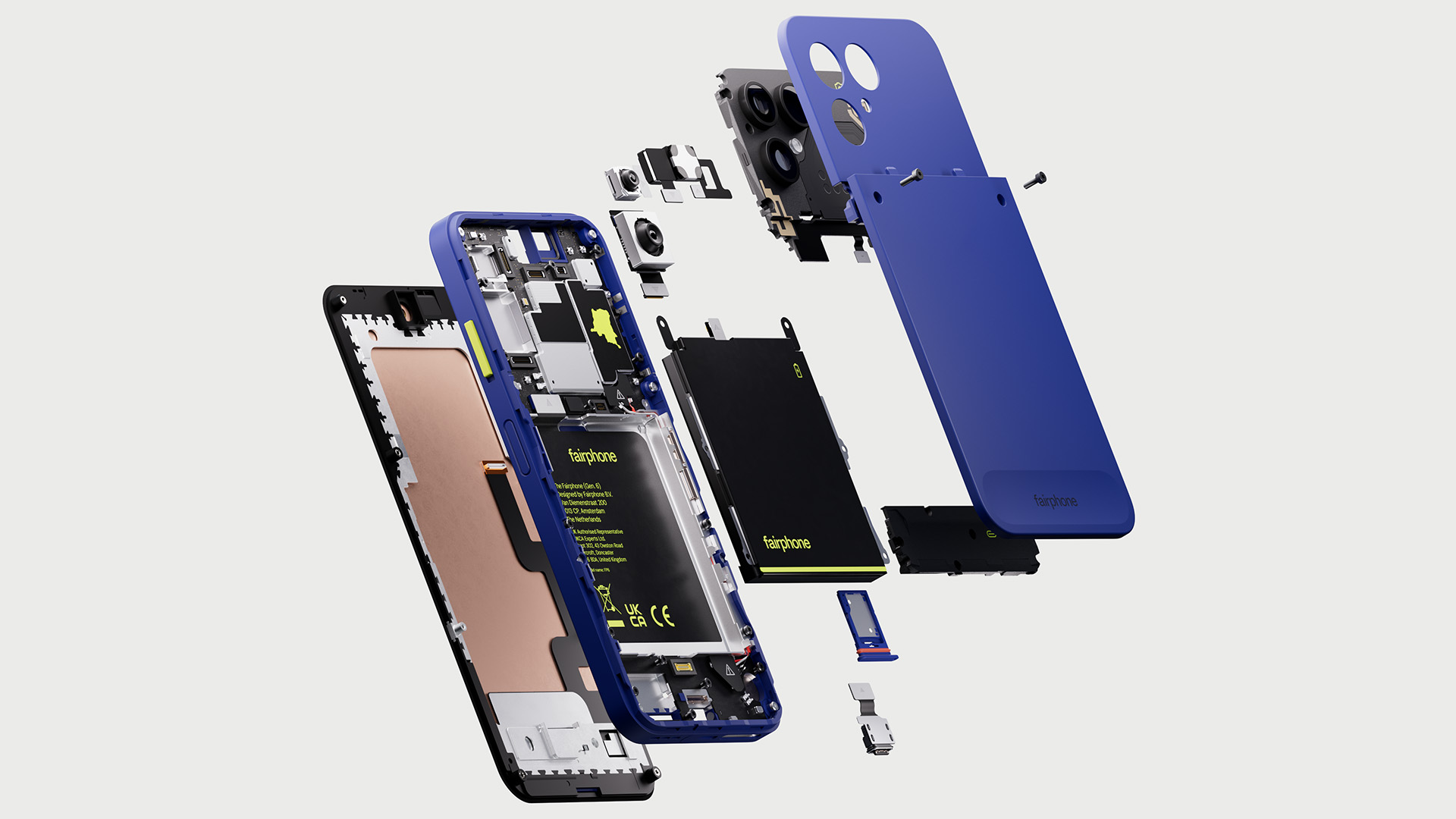
The power of the Fairphone is its modular design. With other phones, even something simple like replacing an aging battery often requires melting adhesive, prying apart fragile glass panels, and decoupling cables. The Fairphone Gen 6+ has two screws on the back to open the rear panel, providing access to the internals. As a result, the phone is only IP55 rated—safe from splashes but not full submersion.
With a single T5 torx driver, you can replace the battery, cameras, USB-C port, display, and more. In all, there are 12 components available for purchase, from the $8 SIM card tray to the $90 OLED screen assembly. Fairphone also sells a few accessories, including a case, a lanyard, and alternative back panels with a card holder or a finger loop.
The Fairphone Gen 6+ is fully unlocked with support for T-Mobile and AT&T in the US. It’s available directly from Fairphone, and it will be on sale on Amazon soon as well.