a pox upon you
Buyer beware: Those mummified remains might carry toxic spores
“Mummified remains sold online exhibit signs of biodeterioration, yet sellers provide no safety guidance.”
Credit:
Universal Pictures
Credit:
Universal Pictures
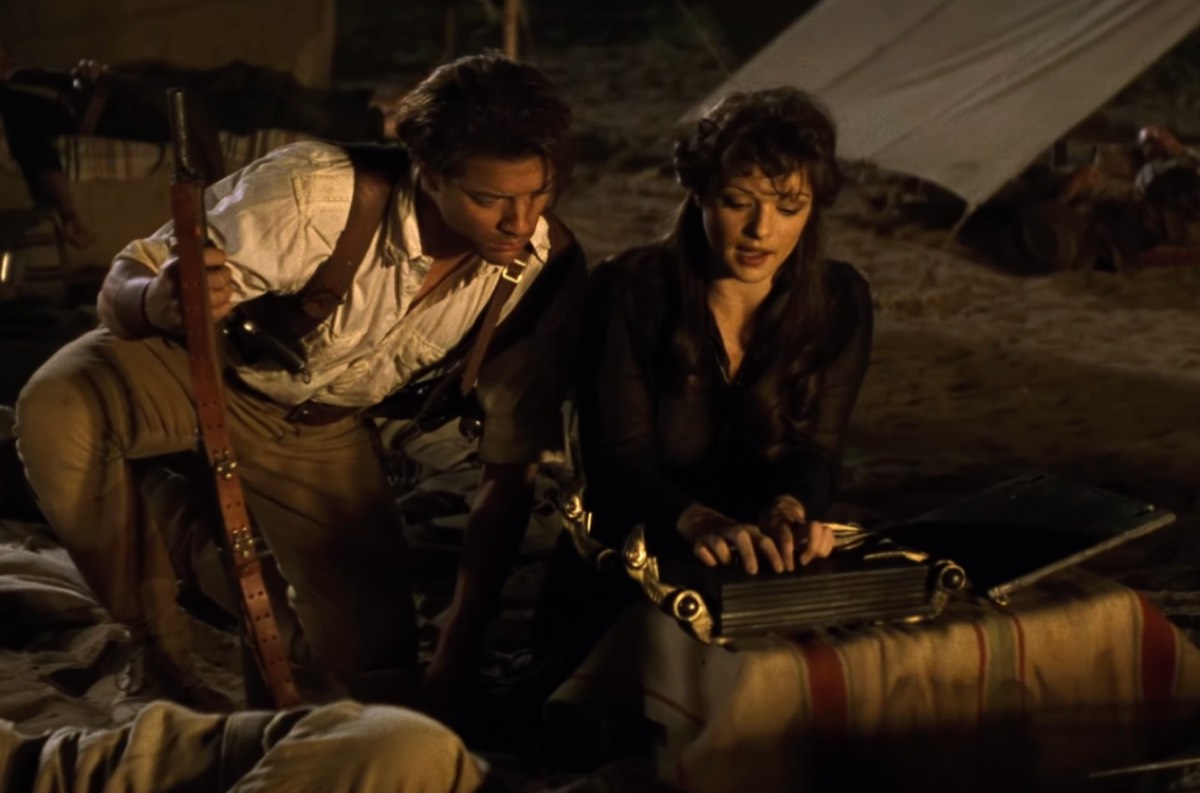
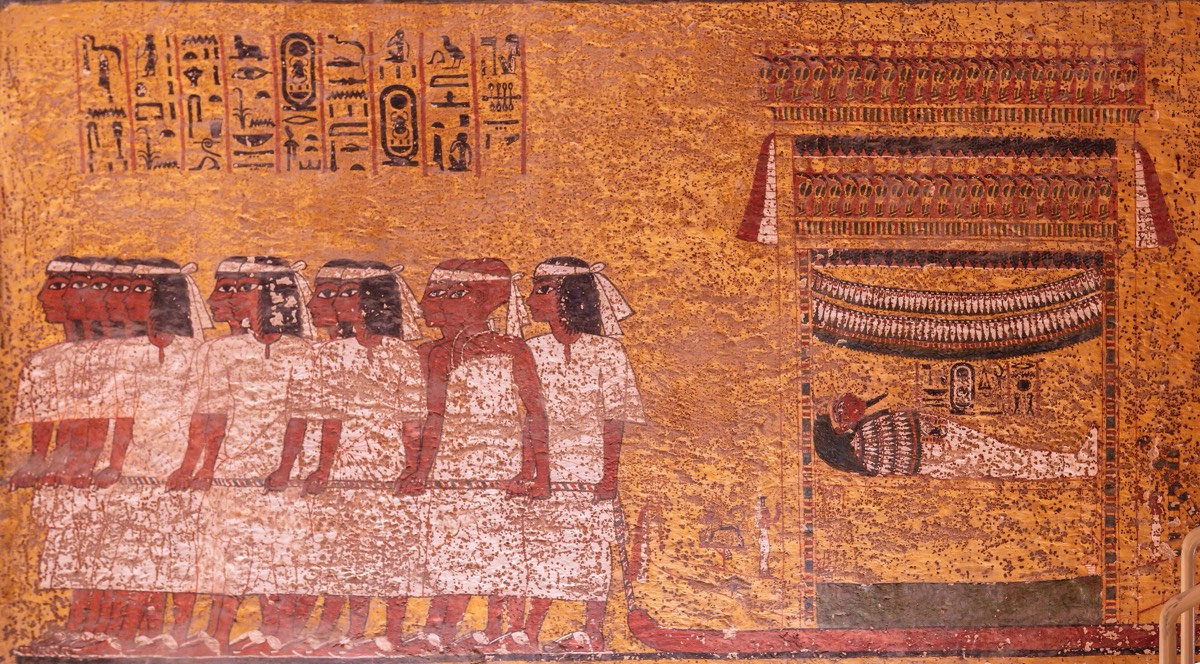
Mummified human and animal remains have long been in demand among collectors, and such items are sufficiently rare that their acquisition may involve unregulated, occasionally clandestine trade practices—if not outright illegal ones. According to the authors of a paper published in the International Journal of Cultural Property, the risks to would-be collectors aren’t just legal. Mummified remains may also pose a significant health hazard due to toxic substances used in their preservation and microbial growth due to improper storage. In fact, toxic spores or fungi are often cited as the source of the legendary “mummy’s curse” tied to the excavation of King Tutankhamen’s tomb.
Per the authors, the mummification process throughout history has relied on various toxic materials and substances to help preserve the remains—heavy metals like arsenic, mercury, and lead, for example—which is why careful handling is necessary to avoid adverse health effects. (Professionals typically don masks, gloves, and lab coats when working with such remains.) Various micro-organisms (bacteria, fungi, yeasts) can also lie dormant in the tissues for centuries and can recolonize and multiply due to a ready supply of organic material—particularly if the remains have been stored in suboptimal conditions.
A 1962 case, for example, revealed the presence of poisonous fungi spores in mummified remains that would cause respiratory inflammation and infection if inhaled, as well as fever. A 2013 study found that the hundreds of mummies on display at the Capuchin Catacombs in Palermo, Sicily, are prone to microbial and fungal growth after years of unstable environmental conditions. Similarly, in 2012, scientists identified three species of fungi (Aspergillus, Penicillium, and Stachybotrys) on human remains, coffins, walls, and in the air in the crypts of the Church of St. Peter and Paul in Krakow, Poland.
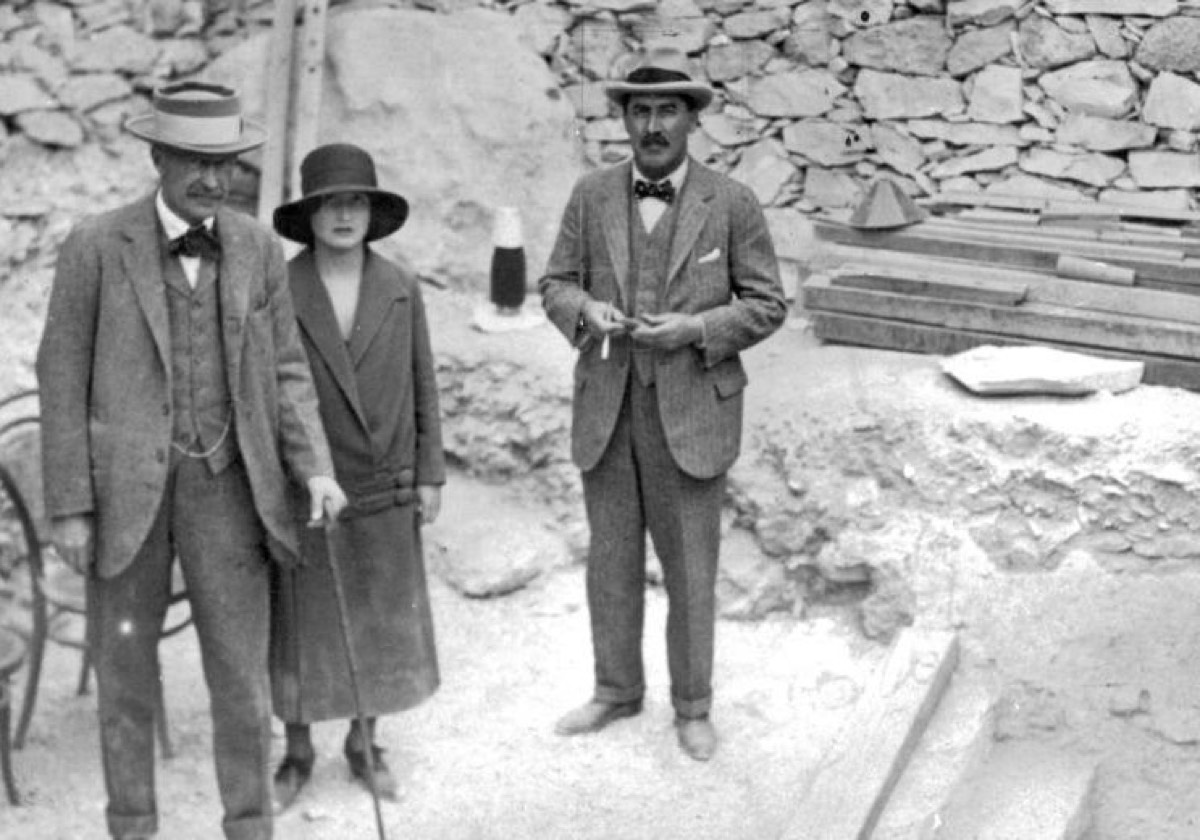
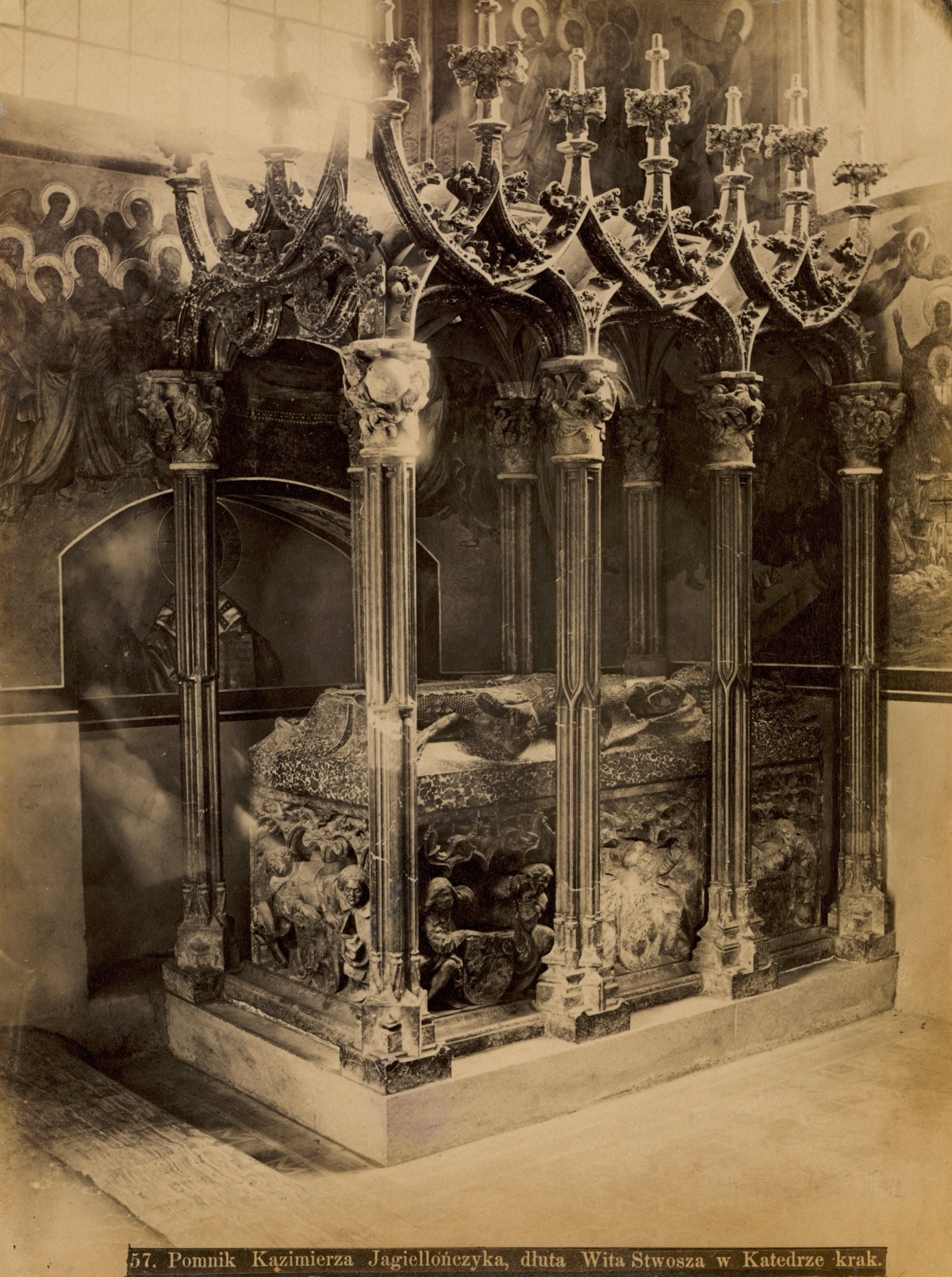
These microorganisms can have serious health effects. Spores of Aspergillus flavus famously infected and killed 10 of the 12 scientists who first opened the 15th century Royal tomb of Grand Duke Casimir IV Jagillon in Poland in 1973. Rumors of a “mummy’s curse” have also dogged the death of George Herbert, fifth Earl of Carnarvon, who funded Howard Carter’s expedition that discovered Tutankhamen’s tomb. The theory that Lord Carnarvon succumbed to exposure to toxic fungi—one archaeologist reported seeing a black fungus inside the tomb—was dismissed outright as “tommy-rot” by Carter, who had asked a scientist to test the bandages for any pathogens.
Carnarvon died after accidentally slashing a fresh mosquito bite while shaving; it became infected, and he died of blood poisoning—technically pneumonia arising from a streptococcal infection of the skin, according to a 1994 report published in The Lancet. Carnarvon had long been prone to chronic lung infections. Per The Lancet article, there was a “general belief that one acute attack of bronchitis could have killed him.” In fact, 58 people were present when King Tut’s tomb was opened, and only eight died within 12 years. Lord Carnarvon’s daughter, Lady Evelyn Herbert, was among the first to enter, and she didn’t die until 1980. That hasn’t stopped the “mummy’s curse” story from resurfacing occasionally, most recently in a 2022 documentary that cited the toxic spores theory.
A modern mummy’s curse?
Diego Delso/CC BY-SA 4.0
Public domain
Public domain
All that microbial growth still poses a serious health risk to collectors of mummified remains. “The rise of the Internet, especially social media, has amplified international trafficking and driven demand for unique cultural heritage, including mummified humans and animals,” said co-author Kirsty Squires of the University of Staffordshire. “However, these preserved remains pose health and biosecurity risks, due to the toxicity of embalming methods and/or suboptimal storage that can promote microbial growth. Our research revealed that mummified remains sold online exhibit signs of biodeterioration, yet sellers provide no safety guidance, suggesting limited awareness or deliberate disregard of hazards.”
Squires et al. scoured the Internet for public posts related to the sale or collection of mummified remains, both human and animal: public and business pages on Facebook, public Instagram pages, websites of brick-and-mortar stores, a Dutch e-commerce platform, and online auctioneers. Only 24 of the 128 posts included in the study came from non-Meta platforms. All the posts were anonymized to protect any personal information, although unaltered versions were stored on an external hard drive not connected to the cloud.
Most of the items for sale were mummified human remains, usually body parts such as hands and feet, or heads (like Peruvian shrunken heads); six were animals, specifically a cat, a falcon, an ibis, a perch, and a primate skull. Only one seller was offering a complete mummified body. The authors note that such items are extremely rare and hence very costly; such transactions would not usually be handled via public social media posts.
The resulting analysis showed that sellers were very much aware of any legal issues associated with the sale and shipment of mummified human remains, often specifying geographical locations where laws forbid such transfers. Typically, such sellers would not openly declare shipment contents to avoid seizure by authorities. There was also often no provenance offered for such items.
The authors were particularly alarmed to note 13 Facebook posts offering mummified remains with visible fungal colonization in the photos, likely due to improper storage conditions: yellow spots, white spots, white spots on a black patina, white and gray spots, black and pink patinas, and so forth. Because such growth is not always immediately visible to the naked eye, the problem may be widespread.
“There is evidence to show that mummified remains are being mailed to buyers, both nationally and internationally, with little (if any) consideration of the health and safety implications of these actions,” said Squires. “Clearer, more prominent guidelines are needed to ensure buyers and sellers are unable to misinterpret or find loopholes in shipping policies.”
International Journal of Cultural Property, 2026. DOI: 10.1017/S0940739126100393 (About DOIs).