The First-Ever Earthrise Photo Was Taken 60 Years Ago on a Film Camera by a Robot Spacecraft
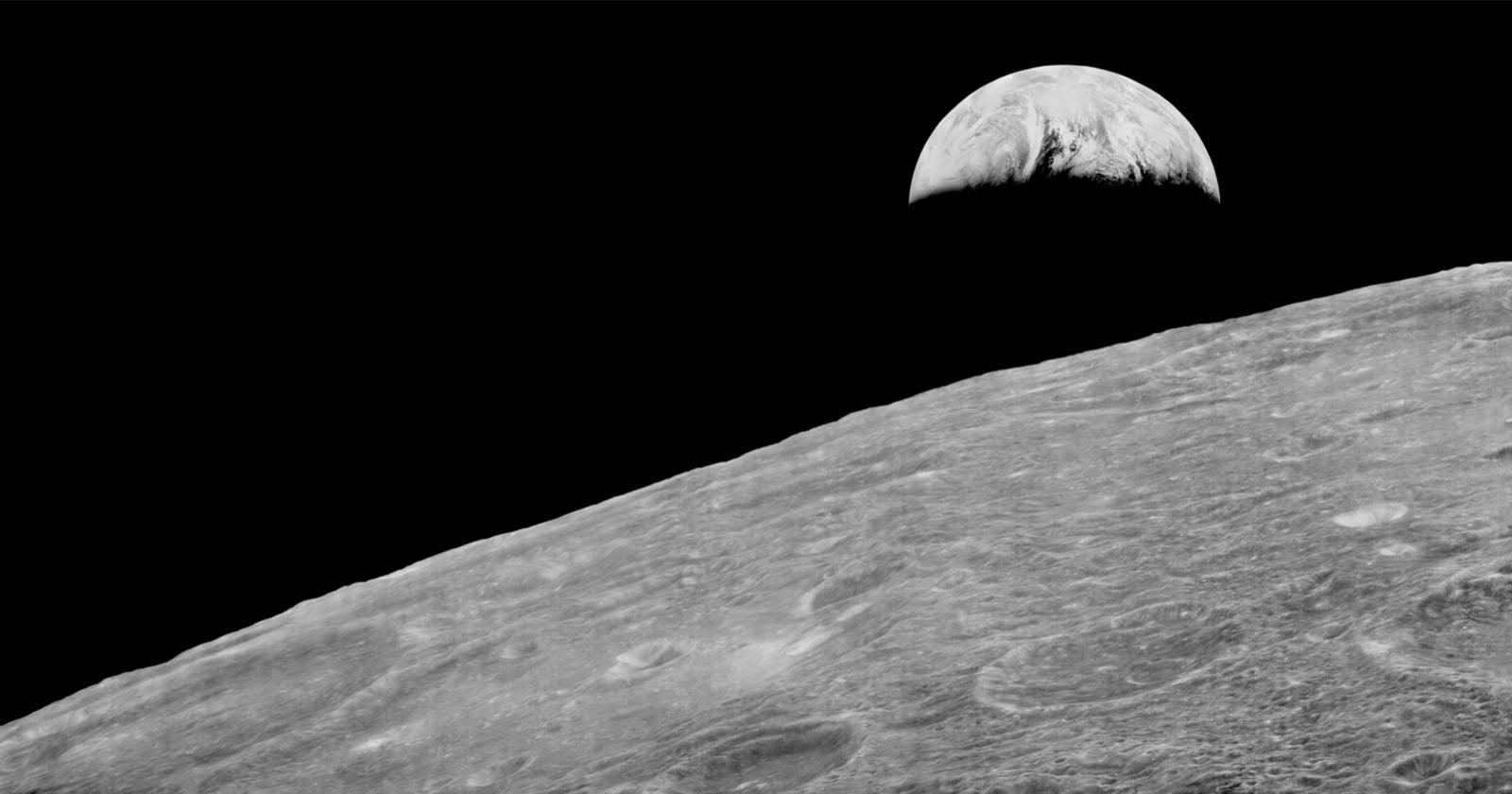
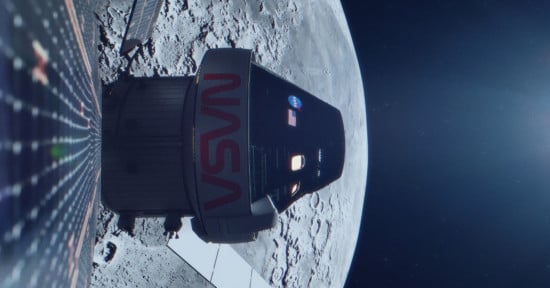
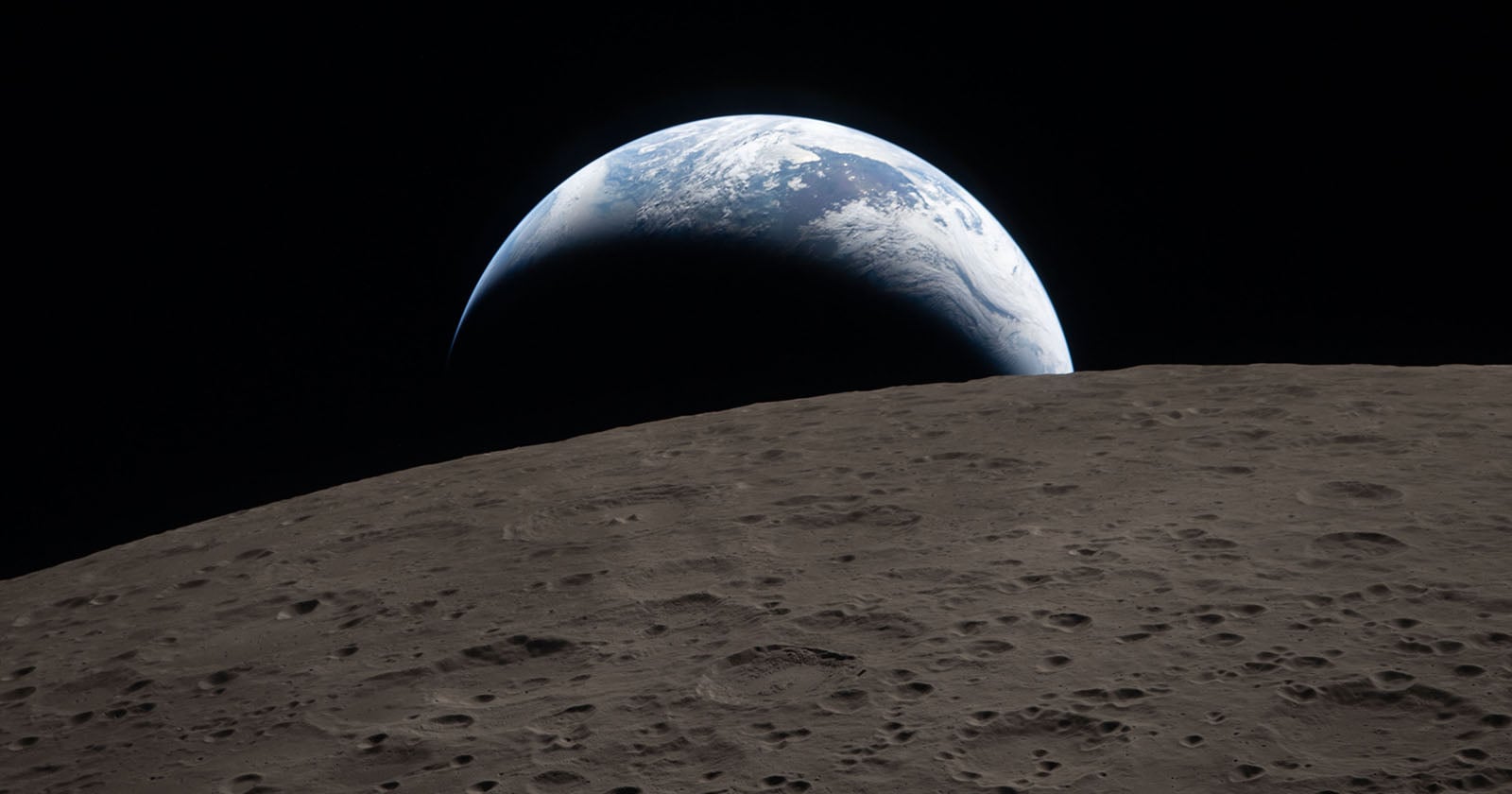
60 years ago, a robotic spacecraft captured the first Earthrise photo — a stunning view that the Artemis II crew recreated earlier this year.
Lunar Orbiter 1 was launched in 1966 with a film camera and its own film processing lab onboard to develop the negatives and scan them so the images could be transmitted back to Earth.
The primary reason for having a high-resolution onboard camera was so that the orbiter could pick out landing sites for the Apollo program. The 70mm film enabled the Eastman Kodak imaging system to resolve objects on the lunar surface as small as one to two meters; not bad considering the modern-day lunar orbiter can resolve objects that are half a meter.
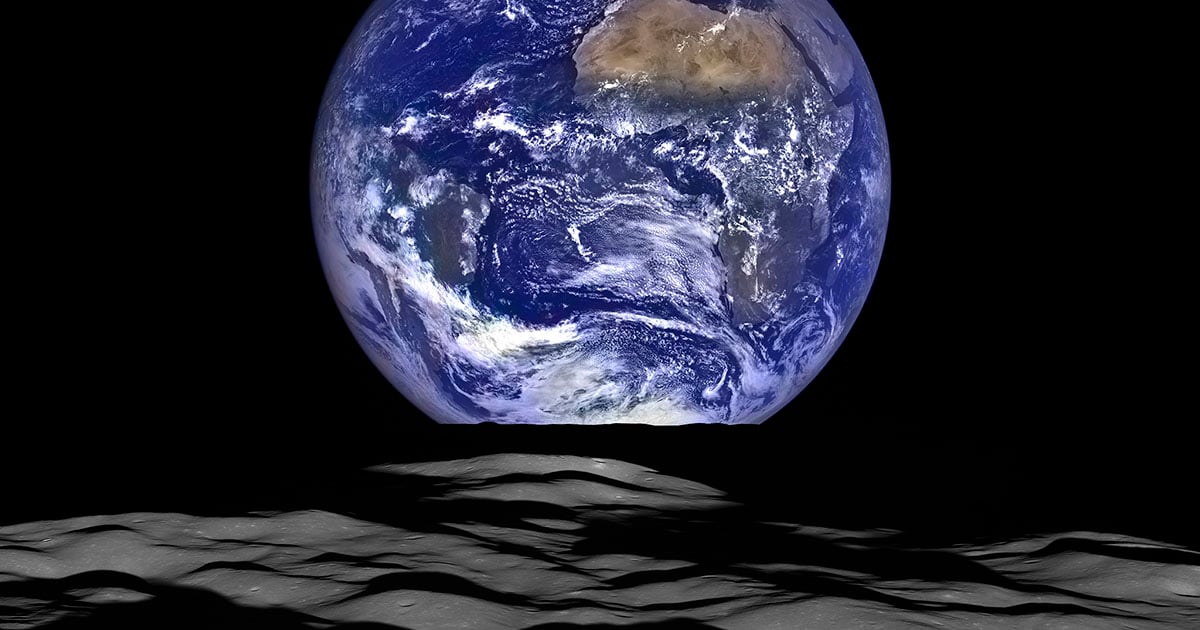
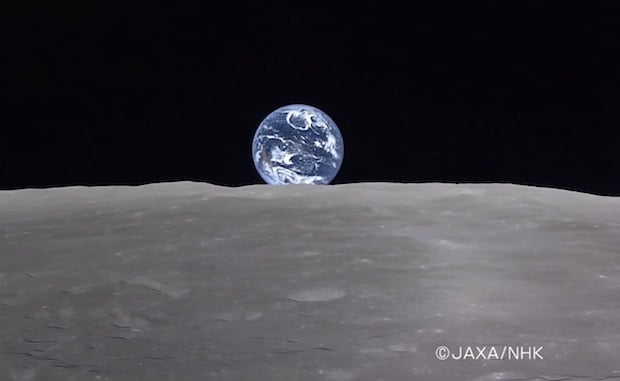
But the Lunar Orbiter 1 captured something other than potential landing sites: it captured the first-ever photo of Earth rising above the Moon.
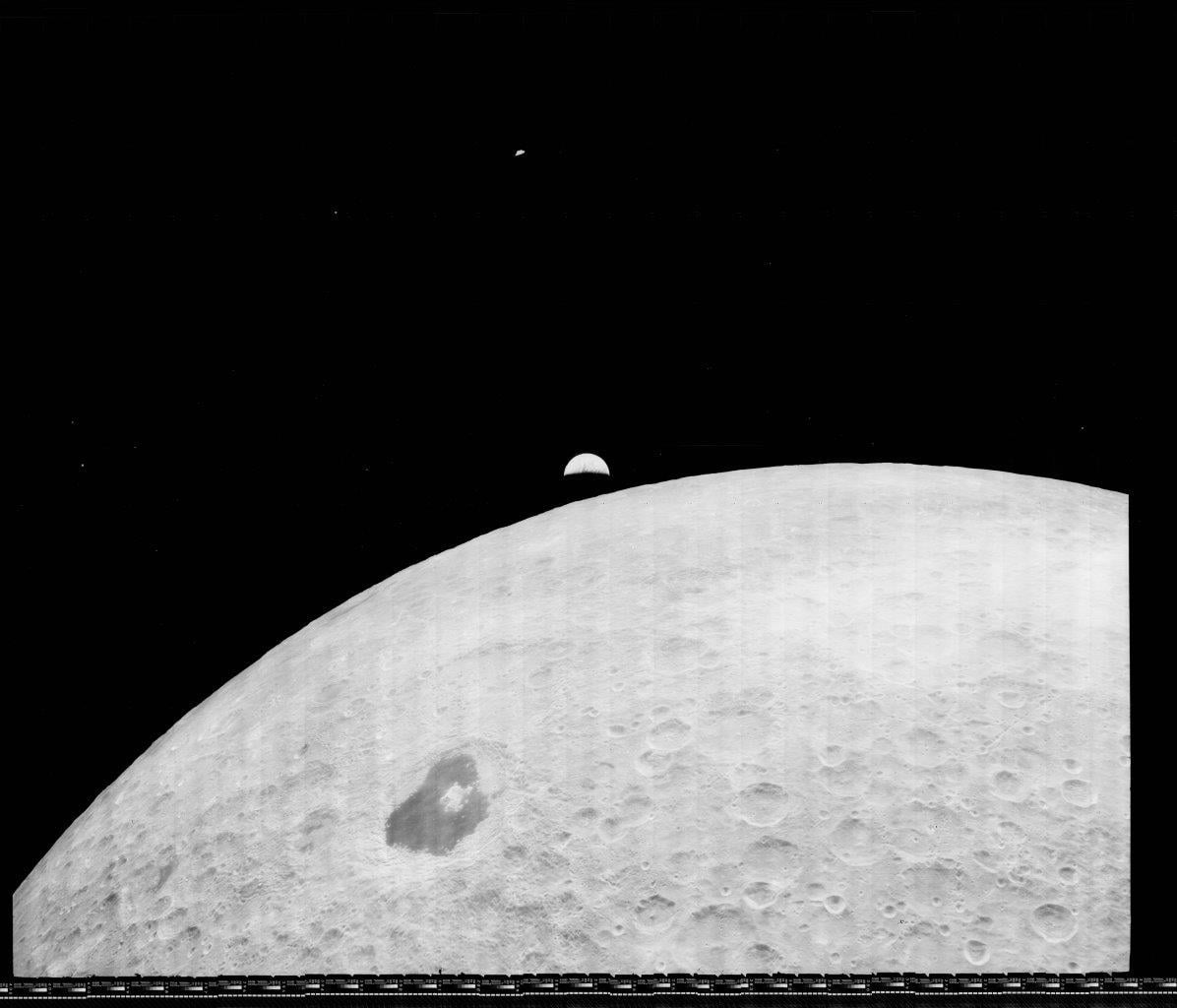
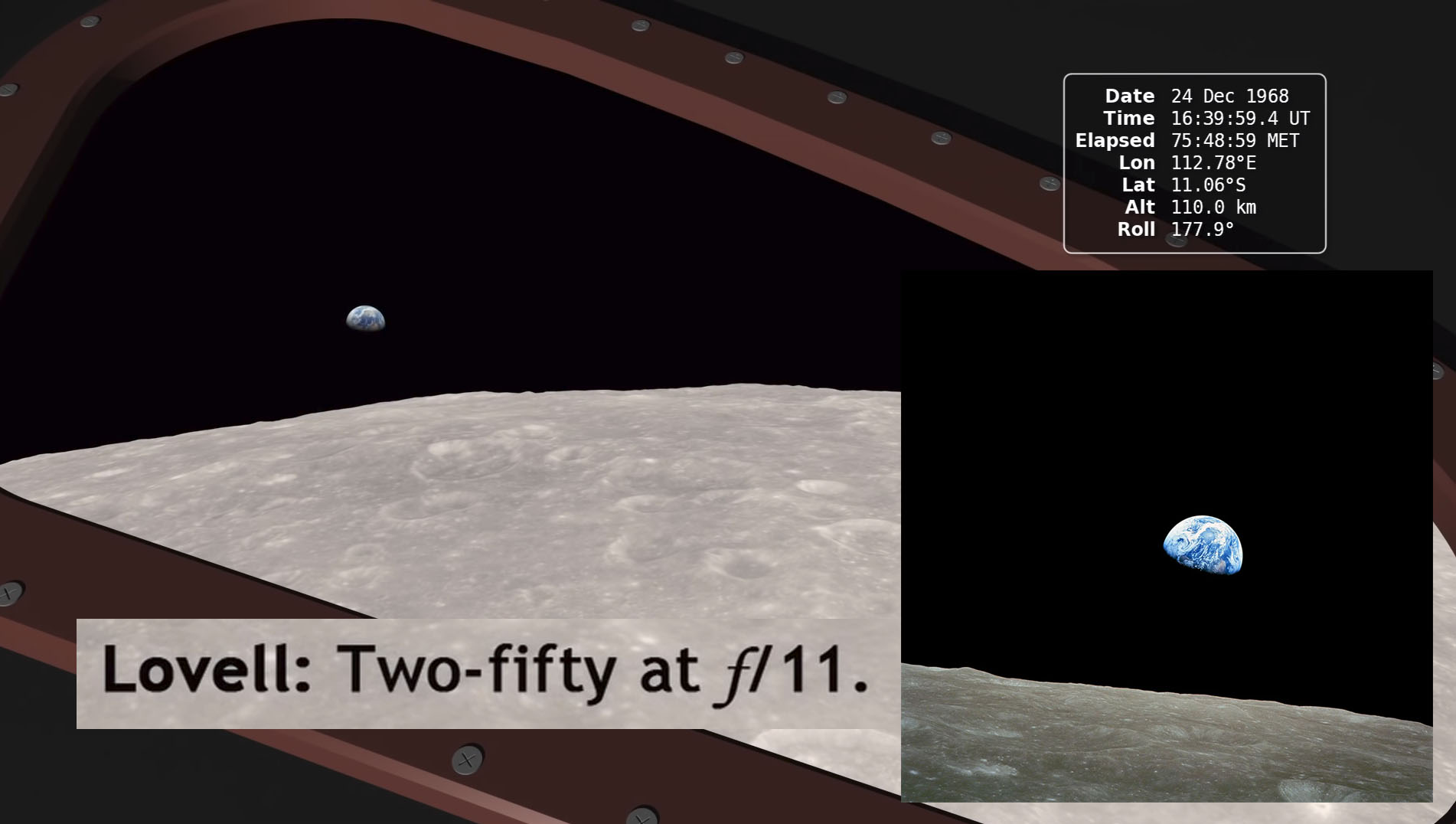
While astronaut Bill Anders is generally credited with capturing the most iconic Earthrise photo a couple of years later from his Apollo 8 spacecraft, the Lunar Orbiter 1 was the first to do it — but there’s good reason why it isn’t particularly well-known.
Bad Scan
As astrophysicist Scott Manley explains, the initial scans of the 1966 photo were poor quality; NASA was restricted by the technology of the time.
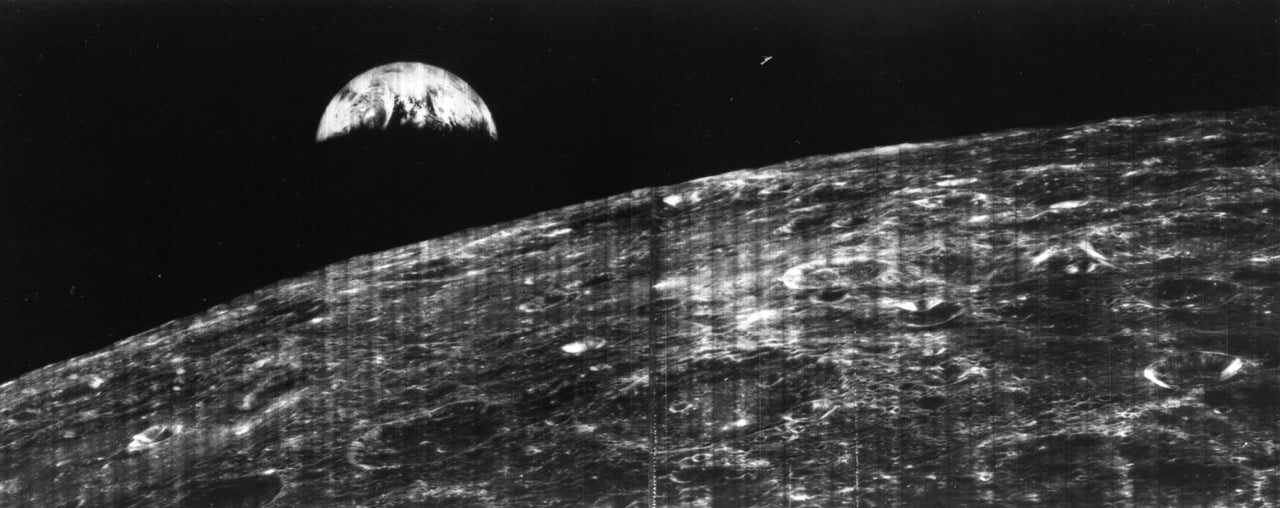
But as techniques improved, NASA soon realized it could glean better and more aesthetic images from the tapes the data was stored on.
“About 20 years ago, a bunch of engineers got together to re-scan those tapes because they realized the quality of the information could be improved with modern technology,” explains Manley in a YouTube Short.
“They found experts in the tape machines and resurrected the hardware so that they could transfer the old 70mm tapes.”
The team set up shop in an old McDonald’s in Moffett Federal Airfield, dubbing it “McMoons.”
“They were able to recover the old analog 70mm tapes and convert them into a new modern digital archival version,” adds Manley.
“And then using modern processing techniques, they were able to remove the artifacts and see the images in all their space-age glory.”
The Lunar Orbiter 1 eventually deteriorated and was commanded by ground control to crash into the Moon on October 29, 1966.
Affiliate Disclosure PetaPixel articles may include affiliate links; we may earn a commission if you buy through one.