Photographer Captured Crowds in the 1980s and 1990s Before Society Changed Forever
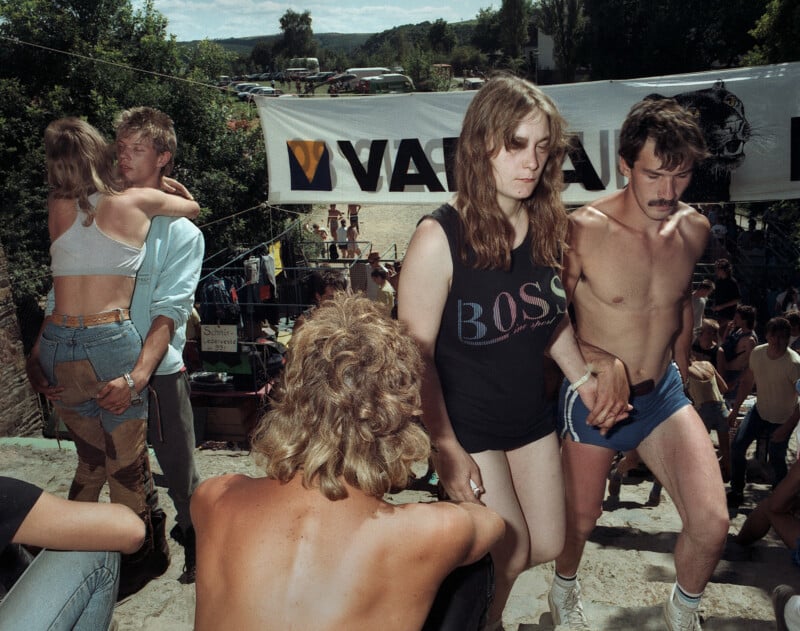
A photographer’s fascinating images of crowds in the 1980s and 1990s offer a vivid look at a society in transition — revealing the relationships, tensions, and shared experiences unfolding within them.
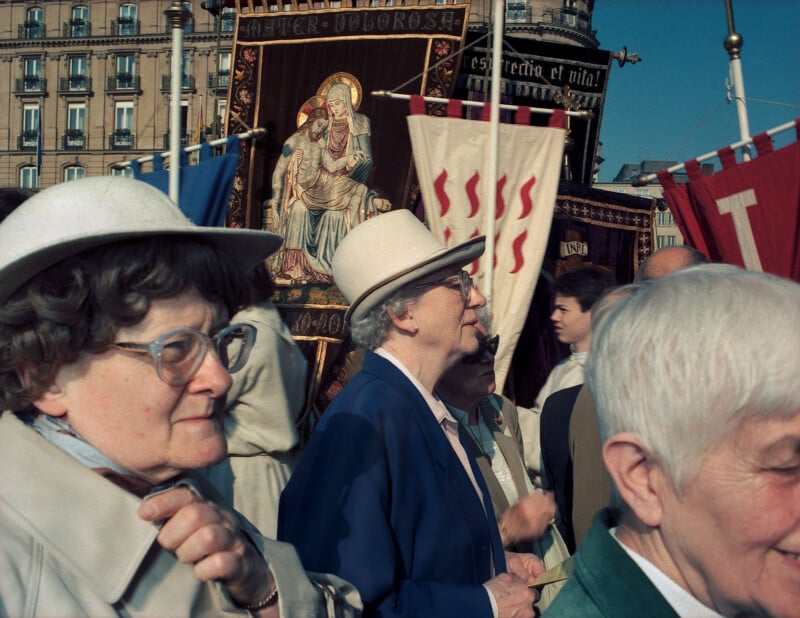
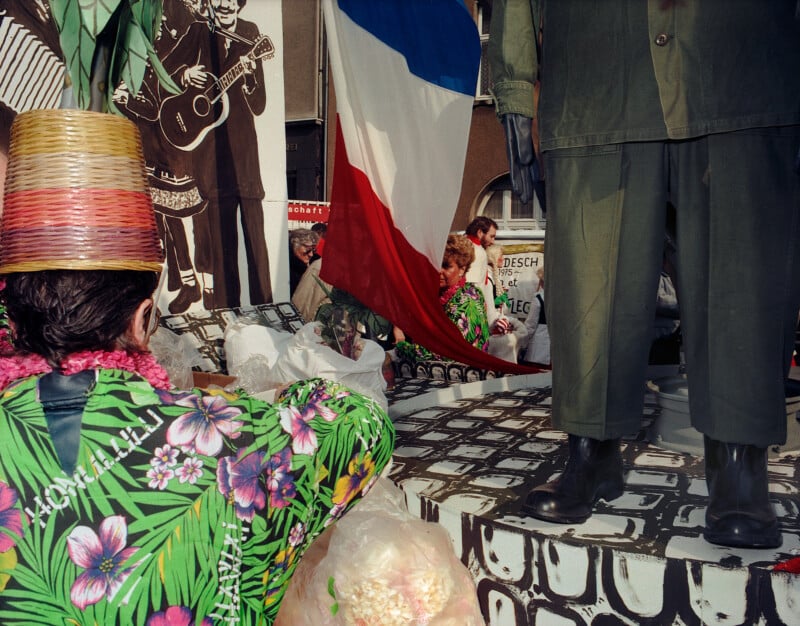
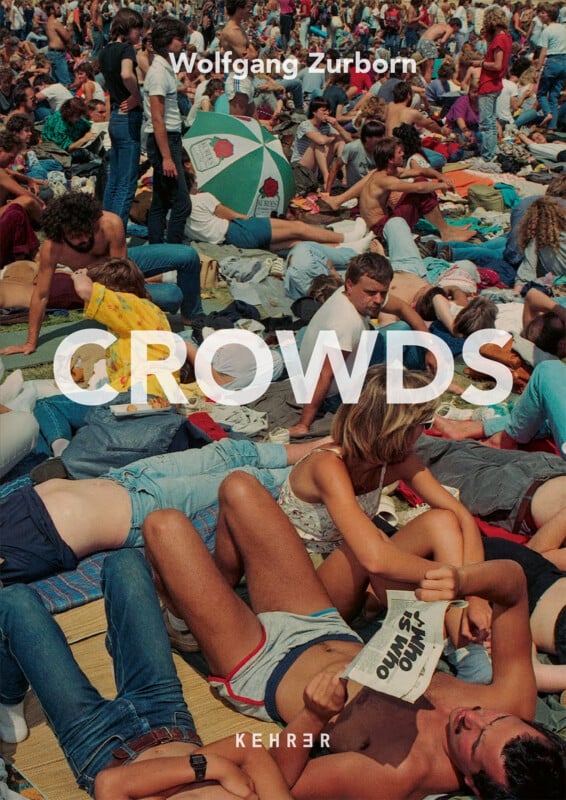
German photographer Wolfgang Zurborn’s upcoming book Crowds, published by Kehrer Verlag, brings together hundreds of digitized analog color negatives from his archive, many of which have never been published before.
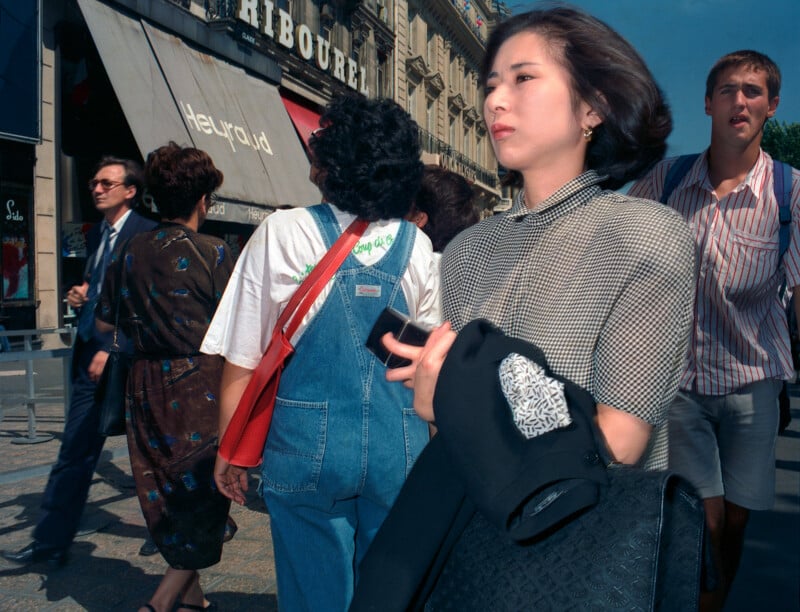
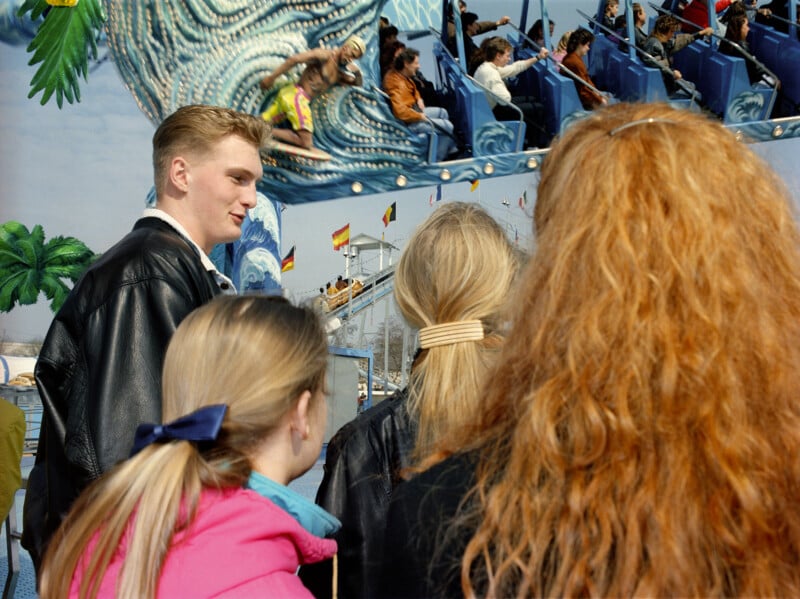
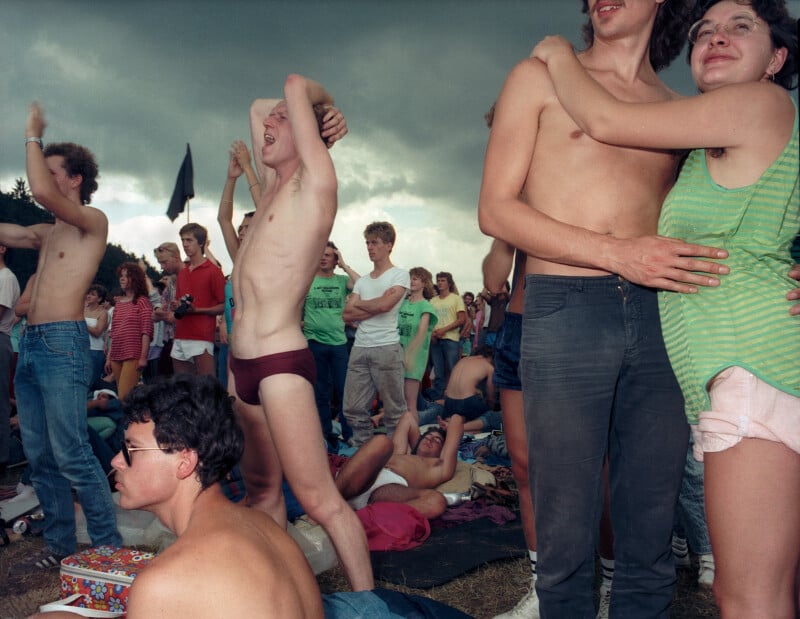
For more than four decades, Zurborn has photographed people in public spaces, focusing on encounters, gestures and coincidences that show how people interact and behave in social settings. Crowds brings together photographs Zurborn has taken since the 1980s. Together, they document an era shaped by mass culture, social conditioning and the growing influence of the media.
Zurborn’s portraits cover a range of public gatherings, including political, sporting, religious, tourist and entertainment events — providing opportunities for the photographer to document how people behave as part of a larger group. Within tightly packed crowds, Zurborn photographs moments in which the movements and interactions between people create connections between individual actions and broader social patterns.
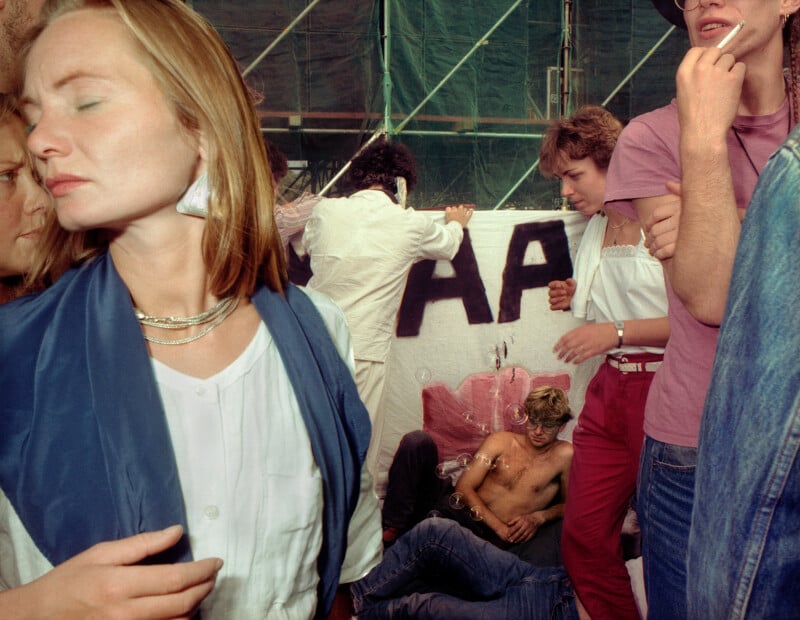
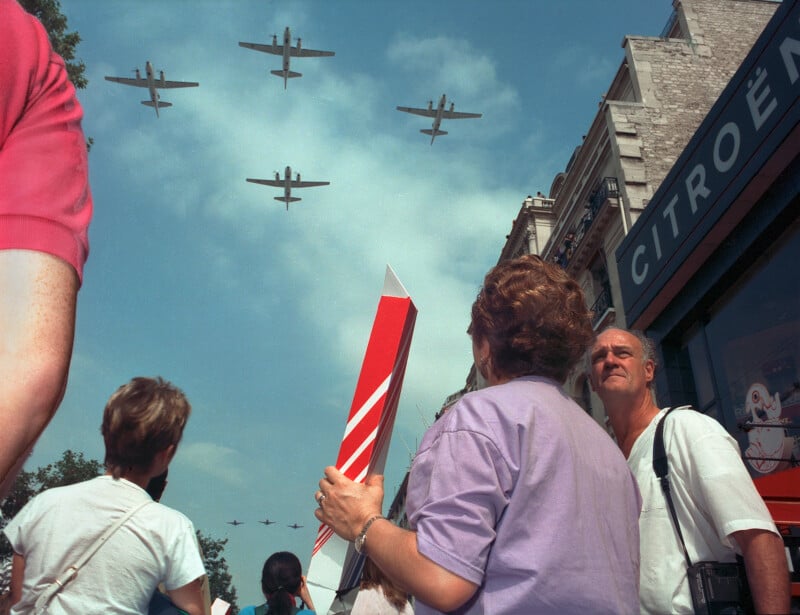
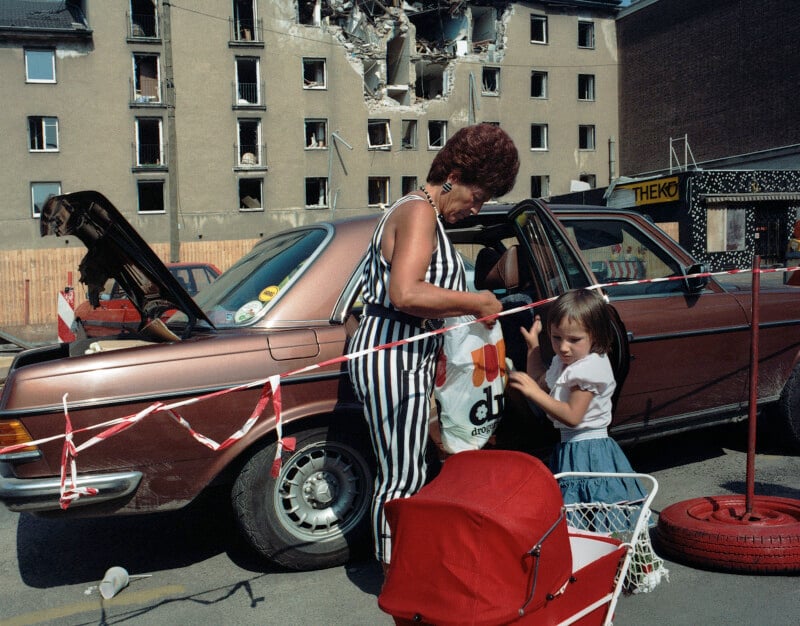
His photographs do not simply treat people as part of the visual background, nor do they present them as isolated individuals removed from their surroundings. Instead, the images show relationships between people, groups and the environments around them. They also reflect on the increasingly pervasive presence of mass media in contemporary life.
A Project That Took Shape in the Pandemic
Zurborn’s project took shape during the lockdowns of the coronavirus pandemic, when public gatherings had suddenly come to a standstill. During this period, Zurborn returned to his archive and scanned hundreds of analog color negatives. The process allowed him to identify connections between photographs taken across several decades.
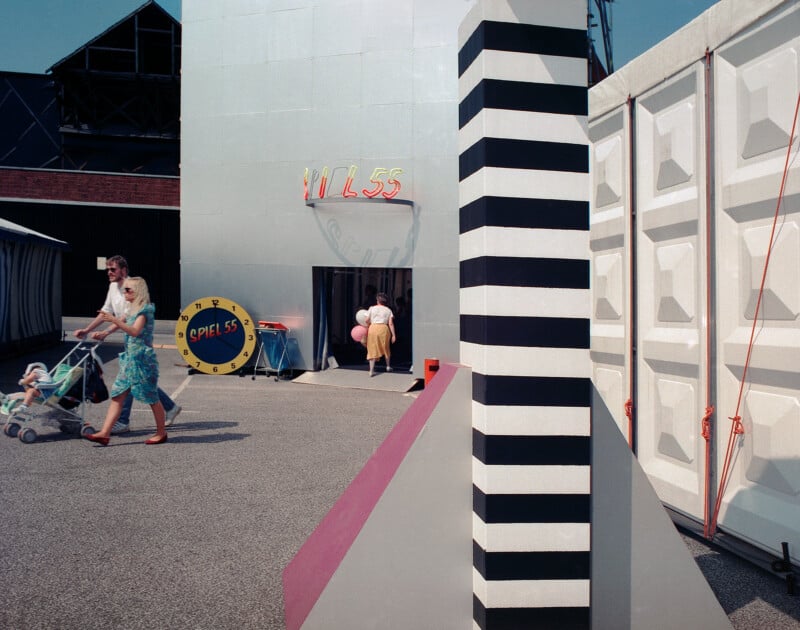

The enforced pause in an overstimulated mass culture also led him to reconsider how people are influenced by their social environments and the media around them, as well as the possibility of living a self-determined life.
Crowds does not impose a single interpretation on the photographs. Instead, Zurborn’s images present moments of contemporary life that encourage viewers to examine the complex, contradictory, and often chaotic structures of society more closely.
Working in the tradition of color street photography, Zurborn embraces the amount of visual information found in public spaces rather than giving one element clear priority. His photographs often contain activity in both the foreground and background, with smaller details appearing alongside larger patterns. Scenes that initially seem chaotic can reveal a visual order as the viewer looks more closely, while still retaining the unpredictability of everyday public life.
Wolfgang Zurborn’s book Crowds (published by Kehrer Verlag) can be purchased here.
Affiliate Disclosure PetaPixel articles may include affiliate links; we may earn a commission if you buy through one.