That oughta do it
Shuffling the deck chairs: Xbox continues its “reset” with dramatic restructuring
Activision gets Halo, Obsidian becomes part of Bethesda, and more internal shake-ups.
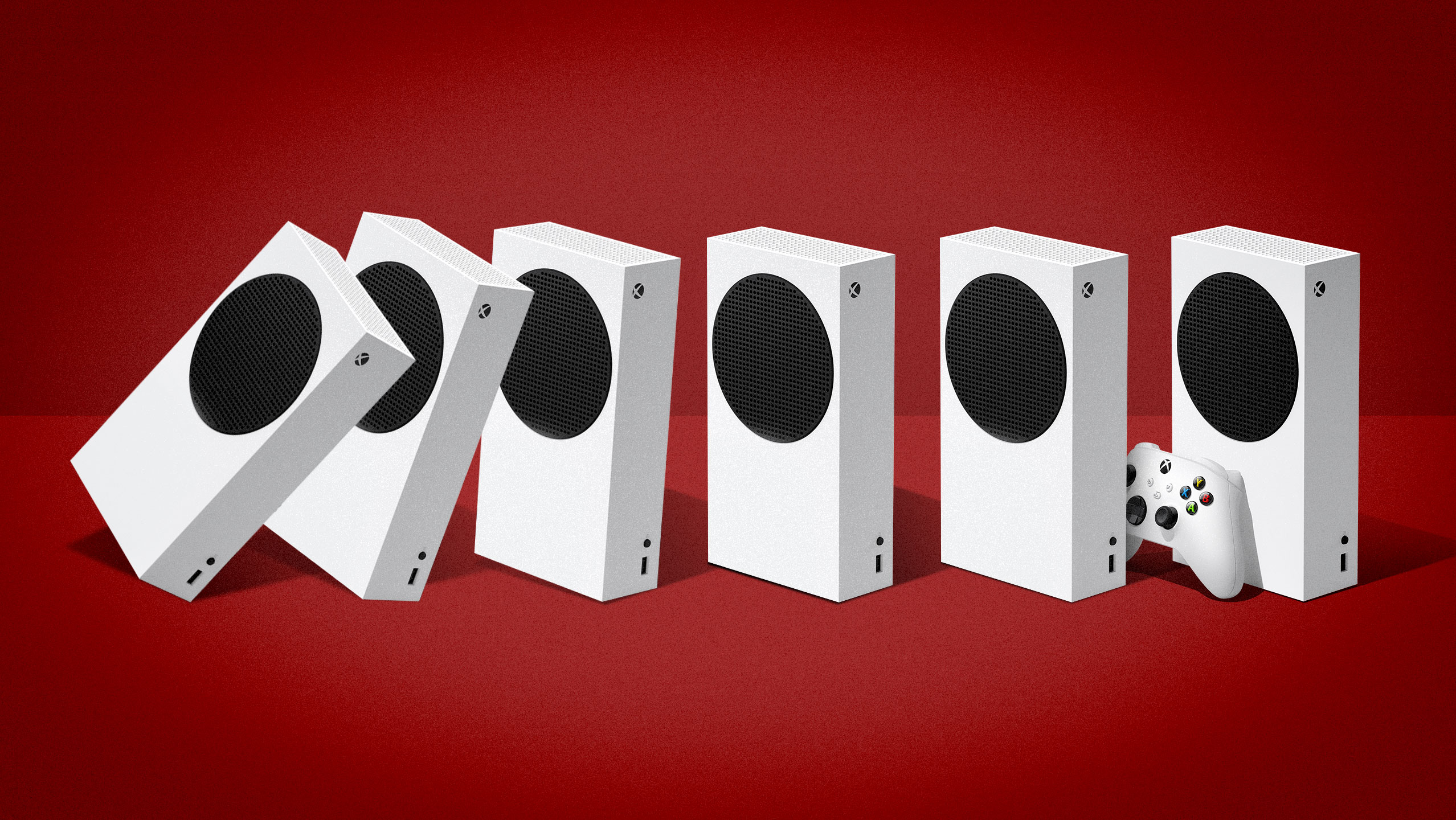
When Xbox announced sweeping layoffs in July as part of a brutal “reset” for the gaming brand, Xbox CEO Asha Sharma said part of the pre-existing problem in the gaming unit was “teams, studios, and functions [that] often operate independently, [making it] harder to work toward a shared goal.” Today, the company announced a radical restructuring of its internal studios that is seemingly designed to reduce that “independence” for the teams behind some of gaming’s biggest franchises.
The biggest apparent change is for the Halo franchise, which will now be under the remit of Call of Duty maker Activision. Halo Studios (formerly 343 Industries), which recently released Halo: Campaign Evolved, will remain as just a “small team” to support the player community, Microsoft said, with the remaining staffing roles eliminated as part of 268 newly announced layoffs.
“For Halo, our goal is clear: make the greatest Halo game ever, worthy of its universe and legacy, while staying true to what made players love it in the first place,” Activision President Rob Kostich said in a statement provided to Kotaku. “It is a bold ambition, one that this franchise deserves. We have already begun assembling a purpose-built team, unique in capability and talent, ready and excited to deliver this next chapter with the community.”
Activision, which Microsoft officially purchased just under three years ago, will now also take control of venerable studio Rare (Sea of Thieves) and the Age of Empires stewards at World’s Edge.
In the world of more RPG-infused Xbox games, Obsidian—the studio behind games like Fallout: New Vegas, Avowed, and The Outer Worlds—will now become part of Bethesda. There, the team will continue work on a new Grounded game and a “new Fallout project made in collaboration with Bethesda Game Studios,” Microsoft announced.
Elsewhere in the company, Microsoft Casual Games (which still publishes former Windows pack-ins like Solitaire and Minesweeper) will now report to Candy Crush studio King. Playground Games (Fable, Forza Horizon) and Turn 10 (Forza Motorsport) are also being merged into a single team.
Xbox said it is continuing to look for a buyer to obtain Ninja Theory (Hellblade: Senua’s Sacrifice) and Arkane Studios (Dishonored, Prey). Microsoft has already divested itself of Compulsion (We Happy Few), Undead Labs (State of Decay), and Double Fine (Psychonauts, Kiln), the last of which bought itself to become the independent studio it was before the 2019 Xbox acquisition.
Streaming those lines, lining those streams
Microsoft says these dramatic internal moves are an attempt to “strengthen our franchises and games by operating fewer business units, aligning groups that already work closely together, and focusing our publishing expertise.” Consolidating development teams like this will also likely help Microsoft in its stated goal of reducing the layers of management that have beset the bloated company—today’s fresh layoffs also include some employees from the “XGS management and central functions layer.”
In July, Sharma said that some work at the company “passes through as many as 14 layers of management” resulting in “slowed decisions [and] blurred accountability,” making it “harder to deliver for players.” Sharma also said at the time that Xbox would be “shifting investment to focus on higher priority projects” as the restructuring goes forward.
As of today, the company says it is “roughly three-quarters of the way” through the planned 3,200 layoffs it announced earlier this summer.