Camera Trap Survey of Cheetahs in South Africa Makes for Sad Reading
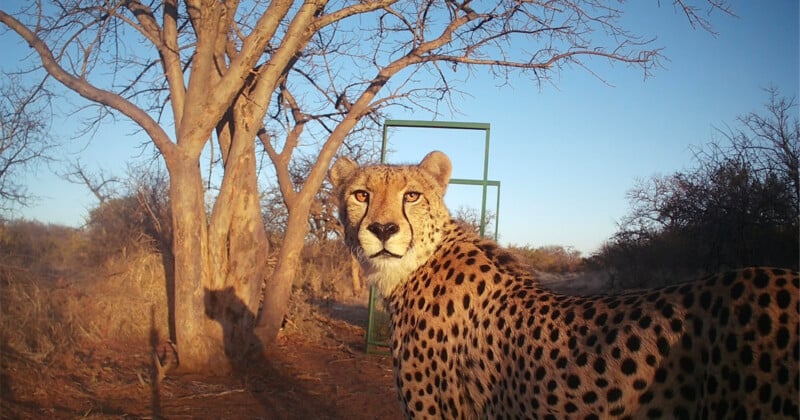
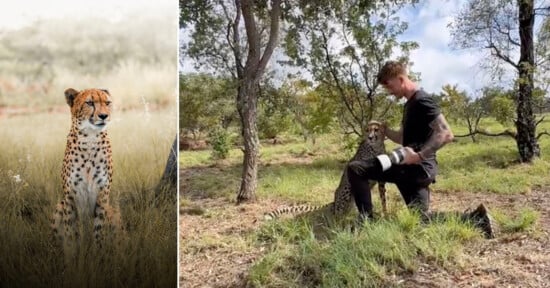
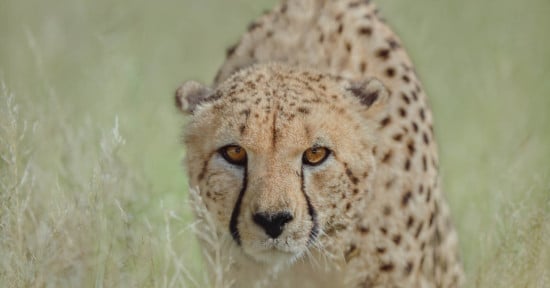
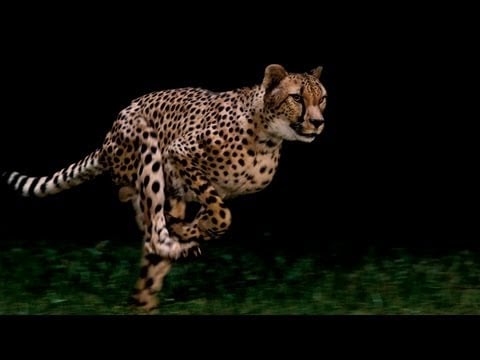
A three-and-a-half-year camera trap survey of South Africa’s wild cheetah population has found there are far fewer of the spotted big cats than previously thought.
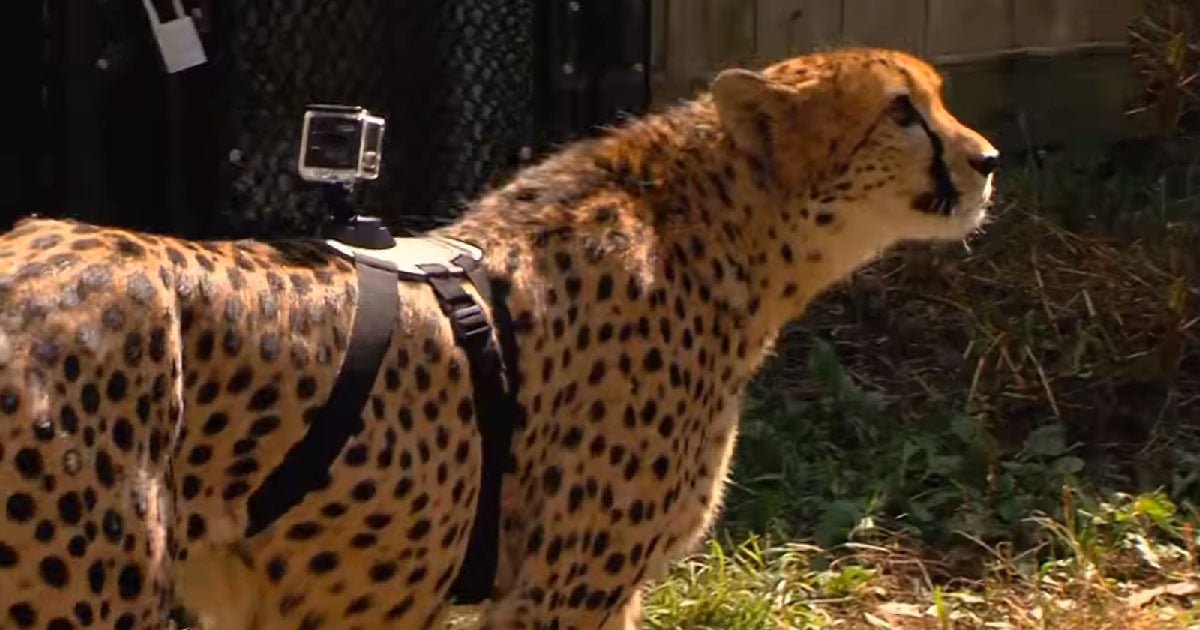
Three field teams managing 389 camera traps shot 5.2 million images as they sought information on South Africa’s free-roaming cheetah population.
Although the researchers used artificial intelligence to classify the images, a human still had to browse through the millions of images to check the technology’s work.
“AI is great, but it’s only great about 70% of the time,” Marna Smit, project coordinator at Ashia Cheetah Conservation, the organization that initiated and conducted the Free-Roaming Cheetah Census, tells the Daily Maverick.
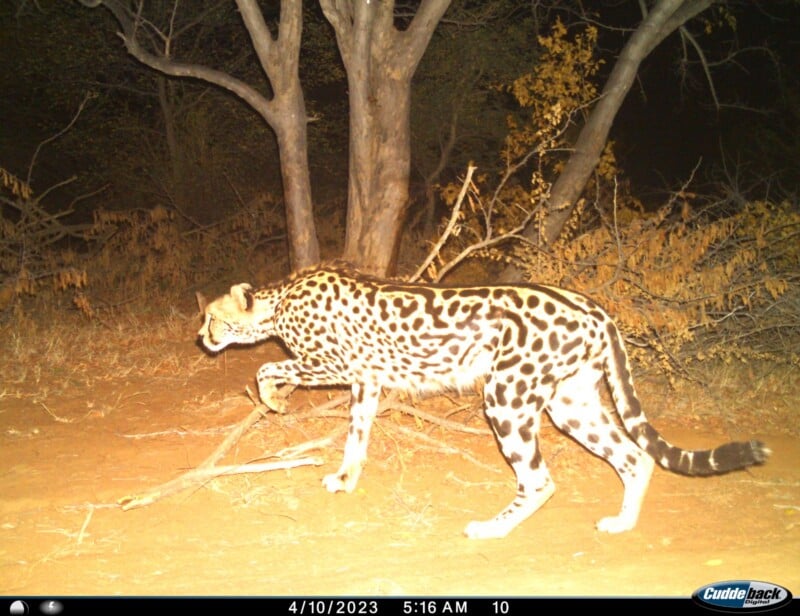
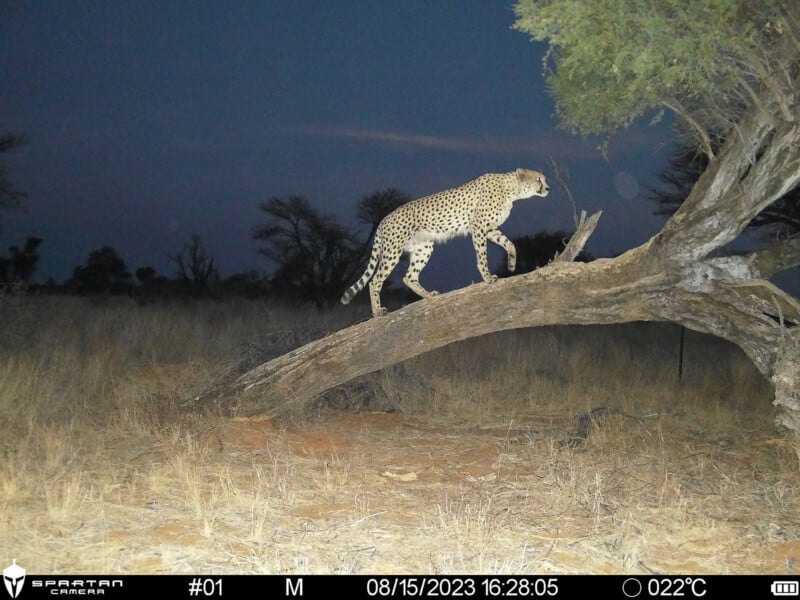
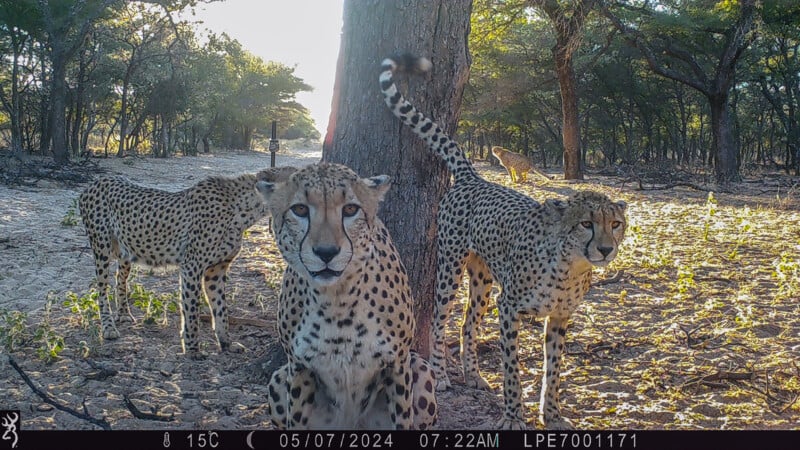
In South Africa, the cheetah population is broken up into four categories: the captive population, cheetahs living in private game reserves and national parks, semi-protected populations in Kruger National Park (KNP) and Kgalagadi Transfrontier Park (KTP), and the free-roaming population persisting in private and commercial farmlands along the borders with Namibia, Botswana, and Zimbabwe.
It was this latter group that Smit and her team focused on. These cheetahs don’t live in the glamor of Kruger National Park; instead, they live on bits of open land, farms, and around remote communities. They’re sometimes blamed by farmers for livestock disappearing who will shoot them.
“The caracals and jackals are usually the main culprits with smaller livestock, and leopards with bigger livestock,” Smit tells the Daily Maverick. “Cheetahs get blamed because you see them more often.”
People who have been lucky enough to encounter a cheetah know that they are one of the least aggressive big cats. While they are shy and always unpredictable, cheetahs have the capacity to be friendly towards humans.
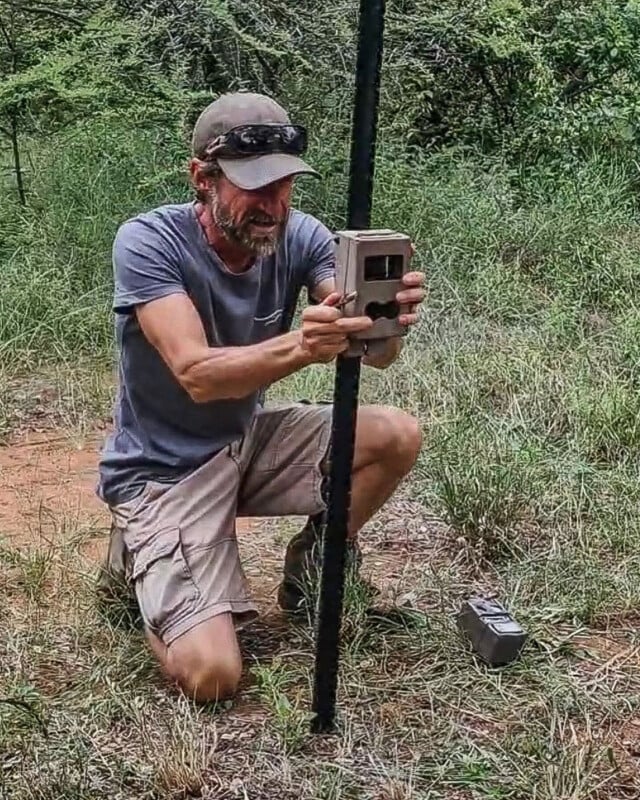
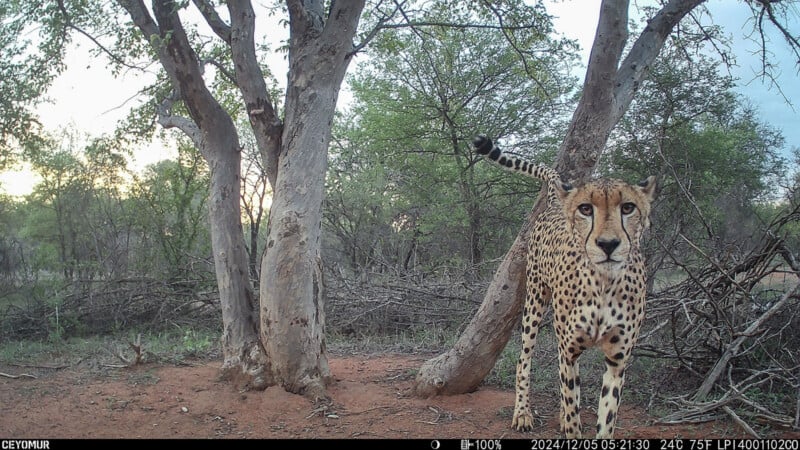
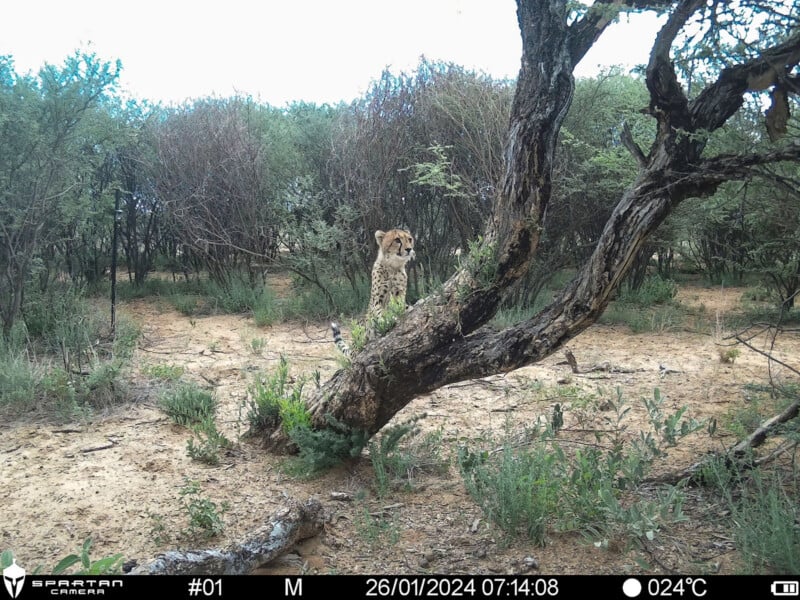
Previous estimates of the free-roaming cheetah population put them at 600 mature individuals, but the camera trap study puts the real total as low as just 83 adults.
“This is the first correct, or the most correct, baseline that we’ve ever had,” Smit tells the Daily Maverick. “Maybe we’ve always had low numbers and the estimates were ridiculously high.”
“Now that we have a baseline, we can start figuring out if there is an intense decline,” she adds. “Or maybe this is just the number that can be held in South Africa with the fragmentation going on. Maybe there’s just not enough space for them.”
Image creditsFree-Roaming Cheetah Census
Affiliate Disclosure PetaPixel articles may include affiliate links; we may earn a commission if you buy through one.