Celebrating 50 years of the prom queen from hell
Review: Carrie is a triumphant remix with one major flaw
Mike Flanagan’s re-imagining of Stephen King’s classic is well worth watching.
Credit:
Prime VIdeo
Credit:
Prime VIdeo
Carrie White, the telekinetic prom queen from hell, is one of the most beloved horror icons in popular culture. First introduced in Stephen King’s 1974 novel, Carrie, the character was immortalized in director Brian De Palma’s 1976 adaptation, widely regarded as one of the best horror films of all time. It’s certainly one of the best King adaptations. So Mike Flanagan faced a massive challenge when he signed on to create an eight-episode miniseries for Prime Video based on the book, released just in time to mark the 50th anniversary of de Palma’s film.
I was among the skeptics who questioned why a Carrie miniseries was even necessary, although as a diehard Flanagan fan (“Flana-fan”?), I was willing to give him the benefit of the doubt. If anyone has an affinity for smartly adapting horror in general, and King’s work in particular, it’s Flanagan. And you know what? With one (very big) exception, Flanagan pulls it off, giving us a richly textured version of the story that is as much about kindness and lost innocence as bloody, vengeful rage—although we get plenty of the latter, too.
(Many spoilers below for the novel and the 1976 film, but there are no major reveals for the new series until after the second gallery. We’ll give you a heads-up when we get there.)
King initially meant to write a short story after reading an article in Life magazine about telekinesis. He imagined a scene where a bullied young girl gets her first period in a high school locker room as the centerpiece of the story but struggled to capture how his female character would react in that situation. He wrote three pages and tossed them in the trash. Fortunately, his wife Tabitha salvaged the pages and convinced King to try again. He eventually expanded it into a full-length novel, basing Carrie on two girls he knew in high school who had been bullied relentlessly.
Fun fact: In an early draft of the infamous prom scene, King had Carrie grow horns and use her telekinetic powers to take out an airplane flying overhead. His editor convinced him to go with a more “subtle” ending. Granted, dumping pig’s blood on his protagonist and having her destroy the entire town in revenge is hardly subtle, but it’s a vast improvement on devil horns.
Carrie was not an instant bestseller; it was the mass-market paperback edition that sold over a million copies and put King on the map as a writer. It also piqued the interest of director Brian De Palma after a mutual friend of King’s recommended the book. De Palma instantly recognized the film potential and optioned the rights before searching for the perfect actress to play Carrie.
Sissy Spacek was still relatively unknown, although she’d had a breakthrough role in the 1973 neo-noir drama Badlands. Her husband, a production designer, convinced her to audition for the film. She wasn’t de Palma’s first choice for Carrie, but Spacek was determined to win him over, even rubbing Vaseline in her hair and wearing her seventh grade sailor dress to the audition. She got the part, and the rest is cinematic history.
De Palma kept most of the novel’s key scenes intact in his adaptation, with a few changes. For instance, in the book, Carrie kills her mother, after the latter stabs her, by telekinetically stopping her heart, calling it a “gift” since Margaret White has always longed for “darkness.” In the film, Carrie impales Margaret (Piper Laurie) with flying kitchen knives, crucified within a door frame, before perishing herself. The director also tried to include a framing device in which stones fall from the sky onto the White family home—a key moment from Carrie’s childhood in the book—but in the opening scene the rocks just looked like falling raindrops, and there was a mechanical malfunction while filming the house’s final destruction by falling stones. So De Palma opted to destroy it by fire instead.
In the novel, survivor Sue Snell is psychically drawn to a dying Carrie, experiencing the tormented girl’s final moments in a kind of mind meld as she comforts her. De Palma opted to end Carrie with one of the best jump scares in film. A repentant Sue (Amy Irving) visits Carrie’s grave with flowers, only to have a hand shoot from under the soil and grab her arm; Sue wakes up screaming from her nightmare, still traumatized by the events on prom night. De Palma shot the scene backward to make it feel like a dreamscape. And that was actually Spacek’s hand bursting up through the soil; she let herself be buried on set to pull it off.
“They’re all going to laugh at you”
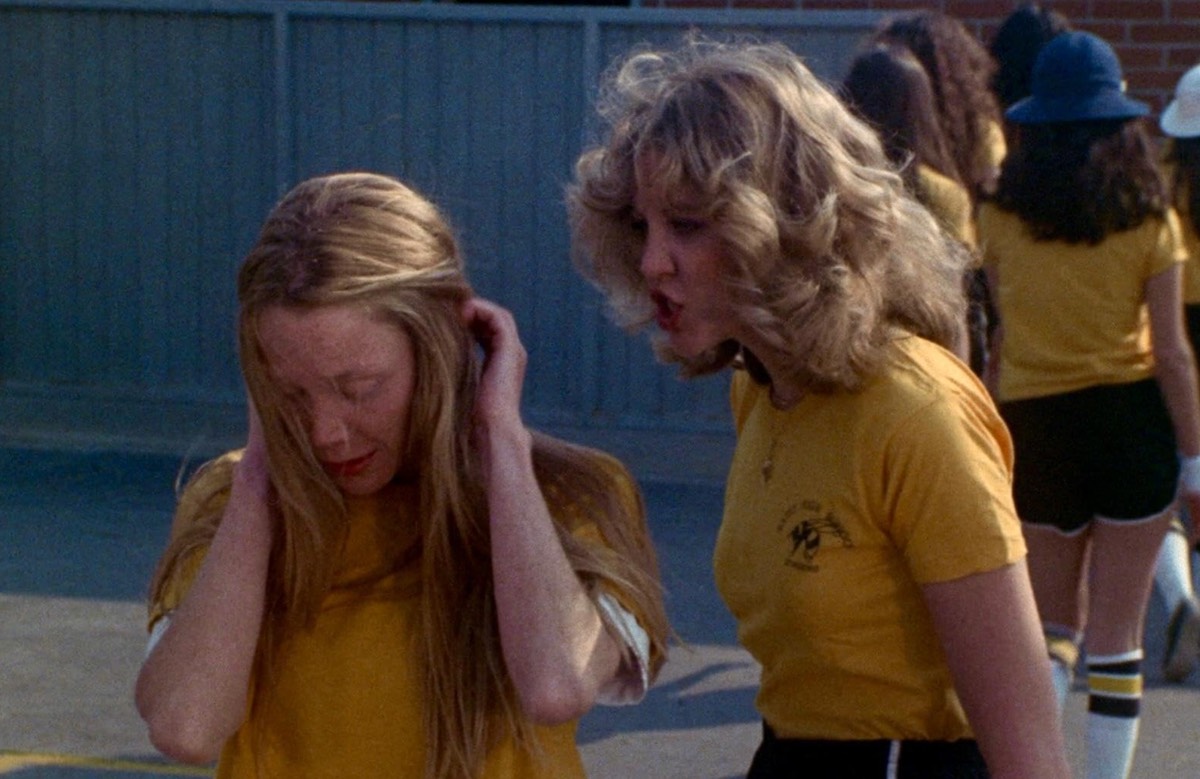
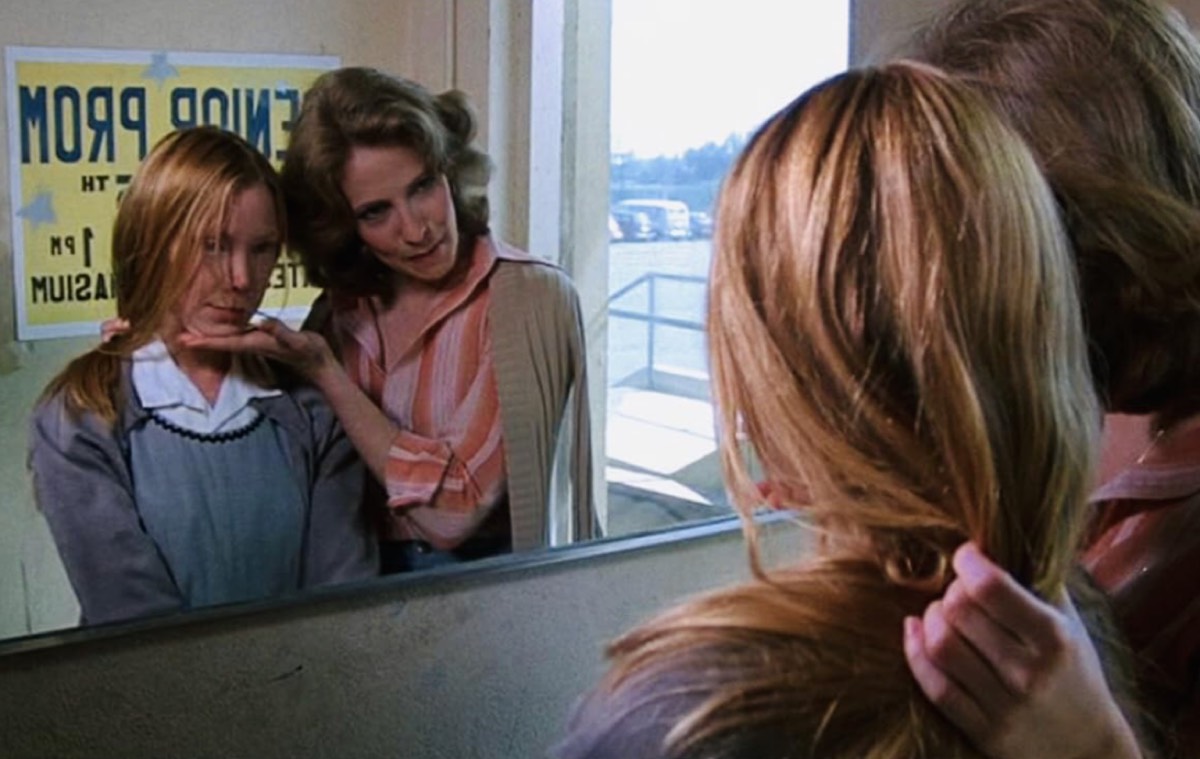
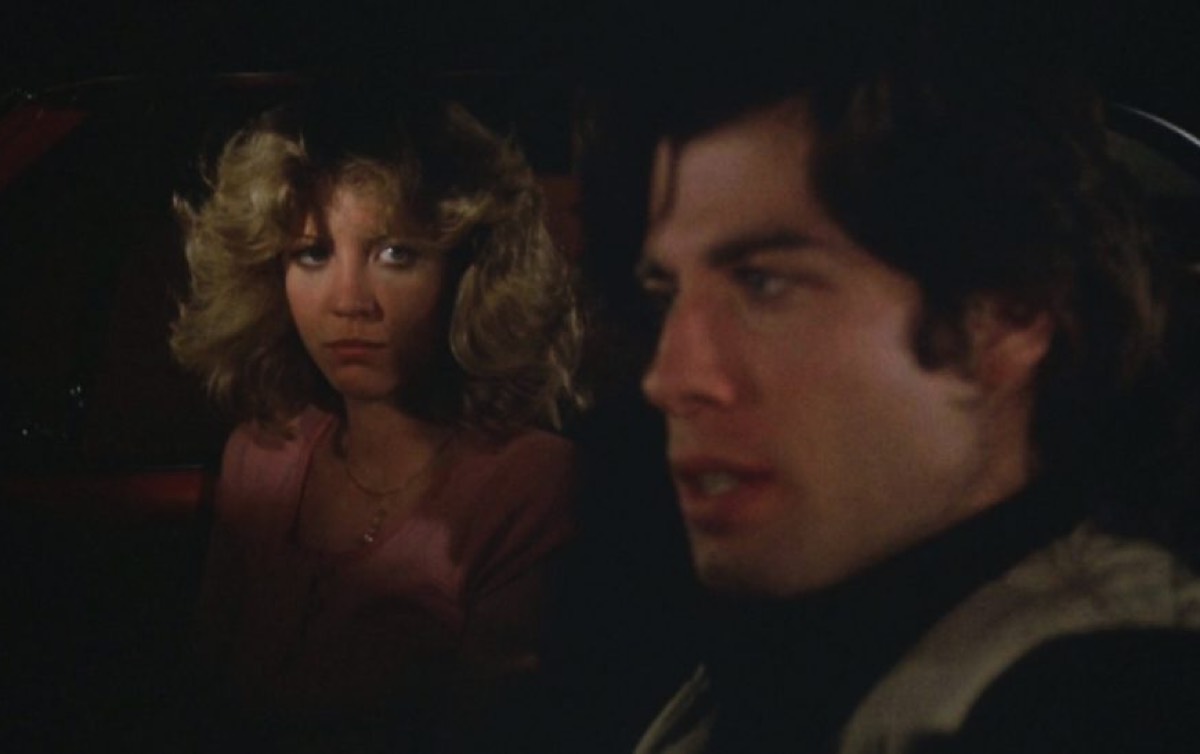
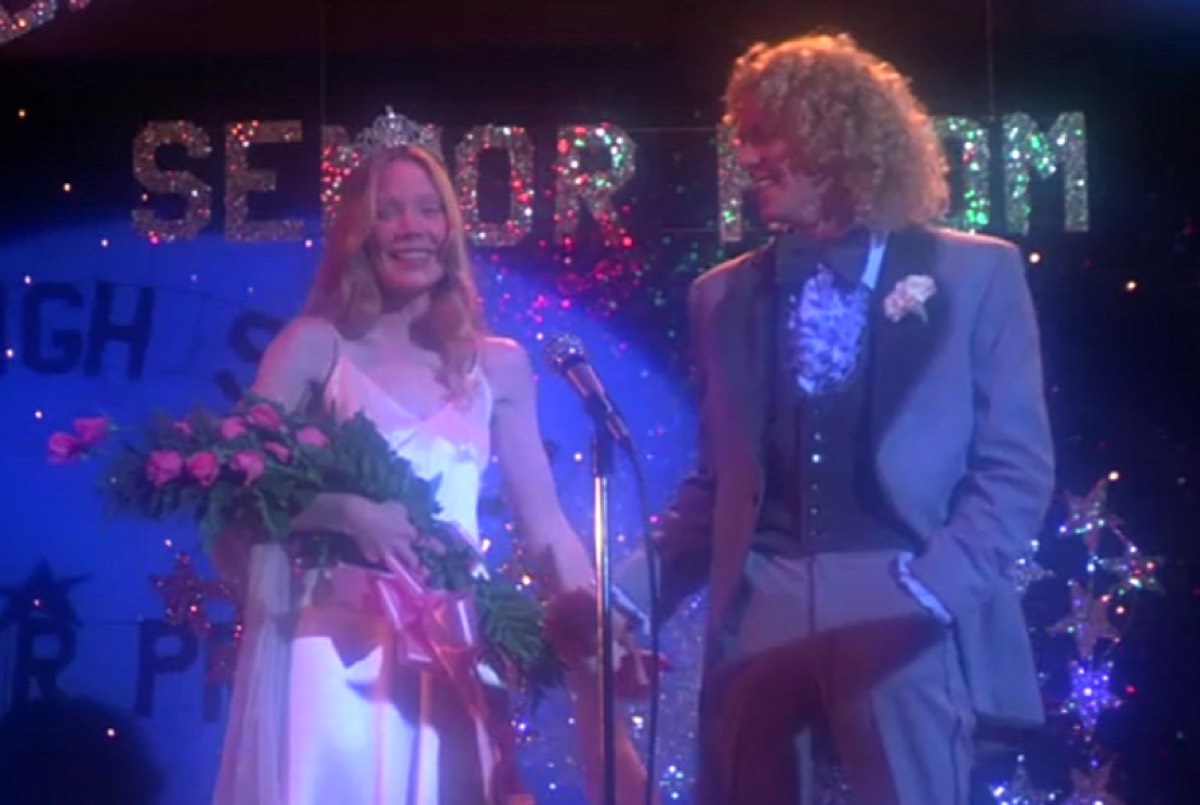
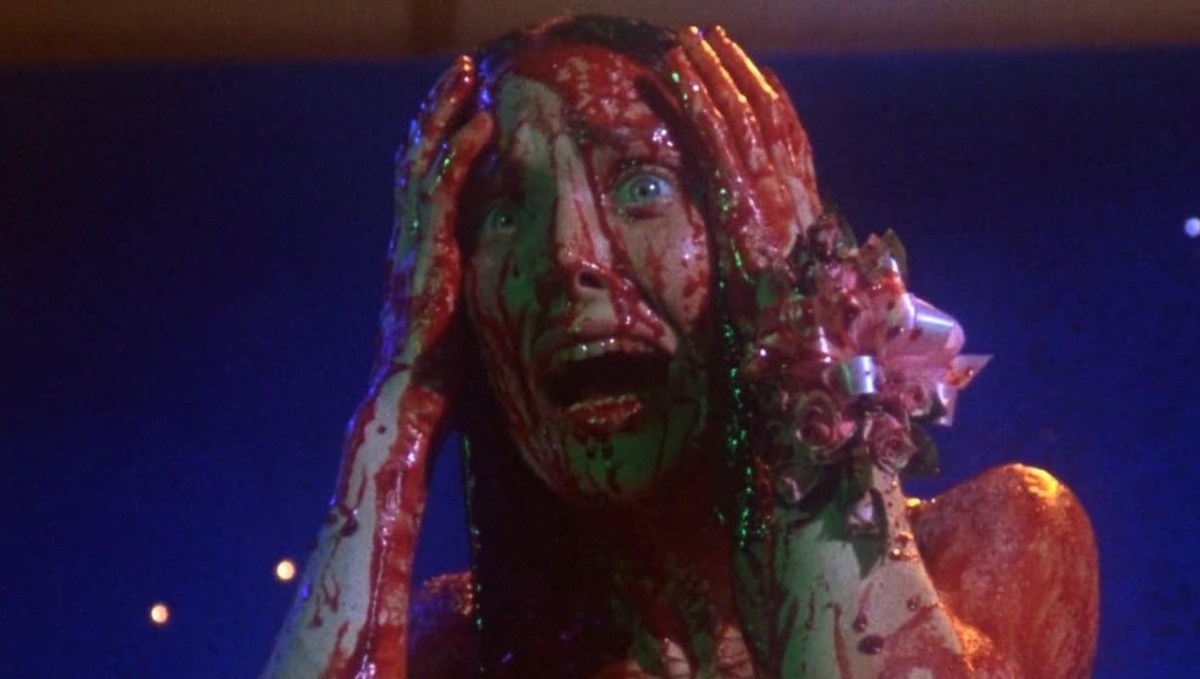
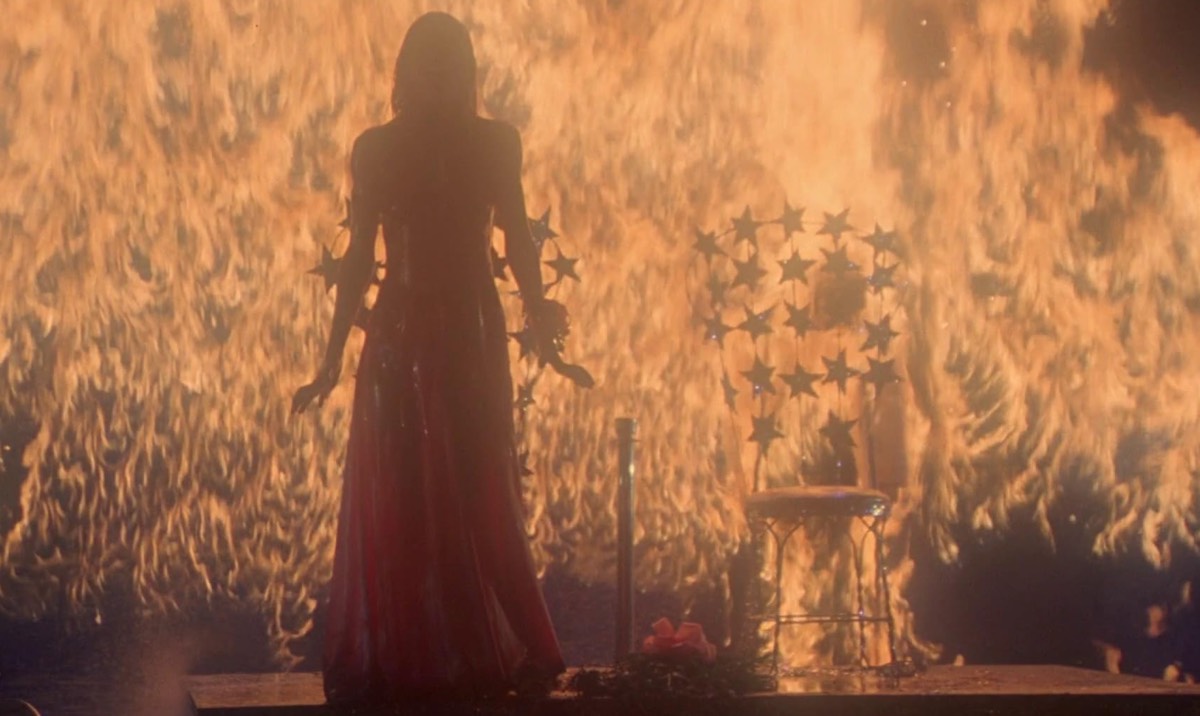
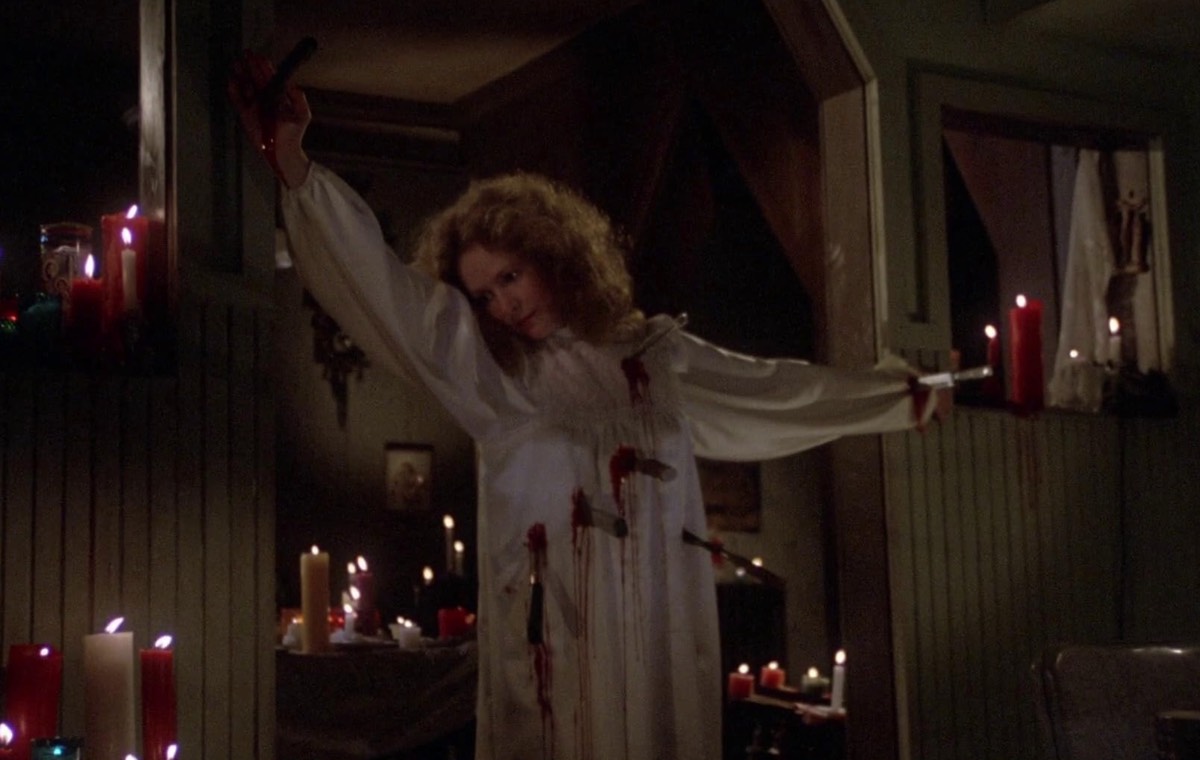
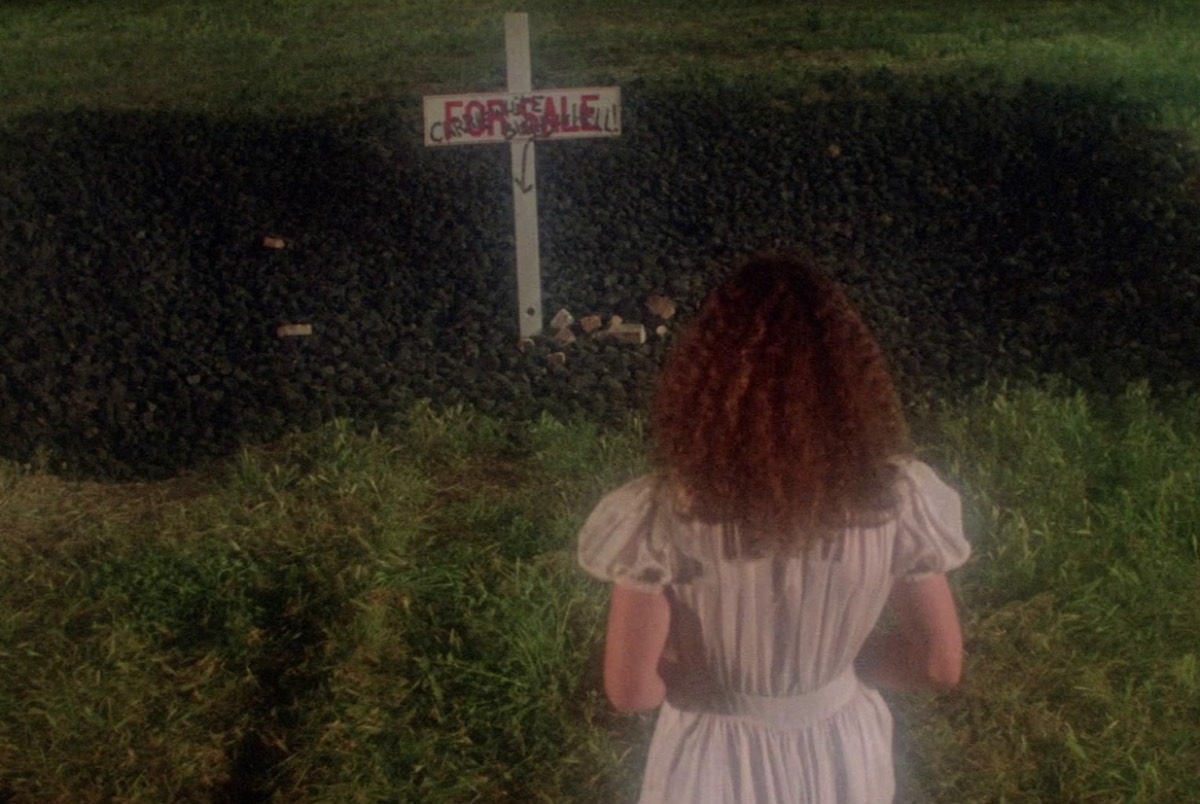
Carrie was a critical and box office hit, snagging Oscar nominations for Spacek and Laurie—a rare thing for a horror film. And the film has withstood the test of time, as compulsively watchable 50 years later as it was in 1976. The tragic story of an emotionally damaged, tormented girl with supernatural gifts, pushed to her breaking point, seems to resonate with something psychologically primal in all of us. Others have tried and failed to recapture that magic. The less said about the 1999 sequel, the 2002 TV film, the 2013 remake, and the 1988 Broadway musical, the better.
Enter Flanagan, who boldly set out to reinvent Carrie for the 21st century. The showrunner has a gift for creatively remixing classic material in interesting ways, while remaining true to the spirit of the original. Another strength is his ability to build memorable, multifaceted characters, and he has eight episodes, not two hours, to do so. Flanagan reclaims certain elements, such as the stones raining down on the Whites’ house. The novel was also partly epistolary, including segments of fictional court transcripts and news coverage created by King (who enjoyed mimicking different writing styles). Flanagan incorporates video interviews as a framing device, in which surviving witnesses recount their memories of the tragic events.
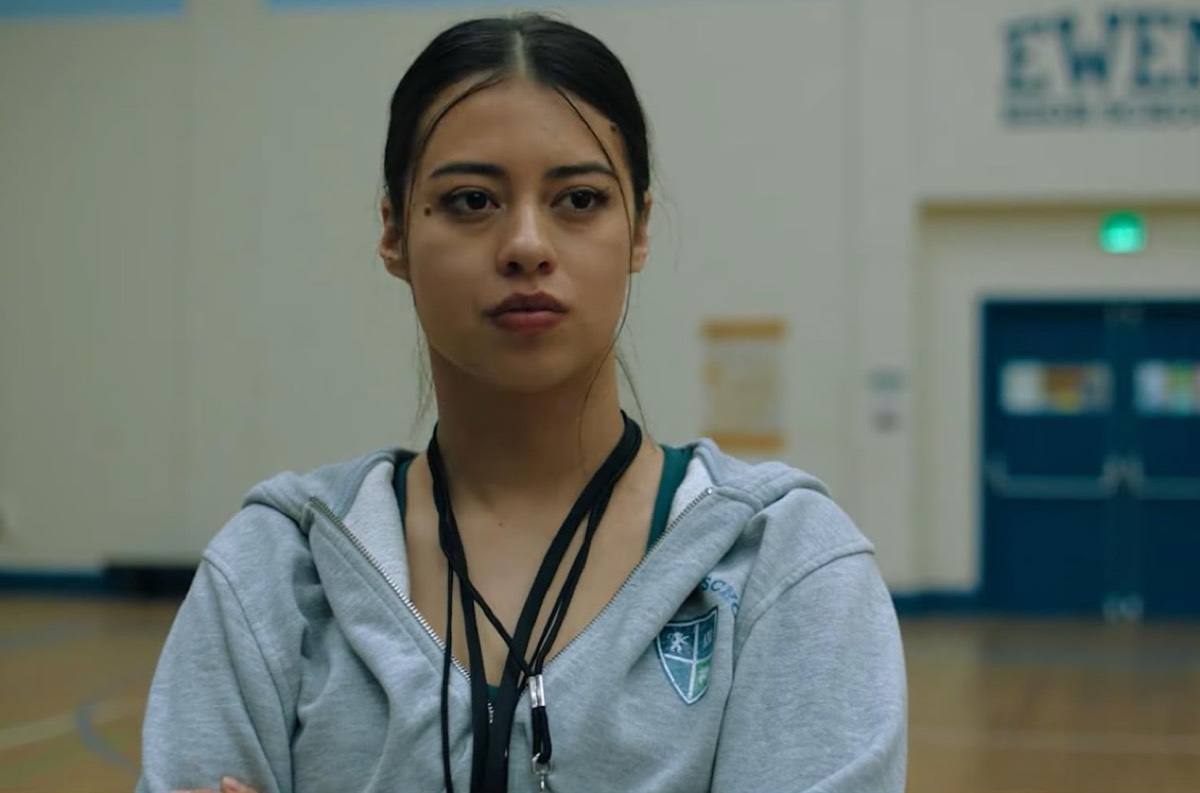
But there are also significant changes. Carrie in King’s novel and De Palma’s film is a flinching, socially inept, mousey misfit. She lost her father as a baby and has been bullied all her life, not to mention being physically and emotionally abused at home by her religious zealot mother. In Flanagan’s version, Carrie (Summer H. Howell) has been homeschooled since birth. The death of her conspiracy theorist father (Tahmoh Penikett) in a freak construction accident forces Carrie and her mother, Margaret (Samantha Sloyan), into the real world after years of hardly ever leaving the house. (A social worker describes the family as having been a “cult of three.”)
This Carrie is smart, two grades ahead in terms of academic achievement, surprisingly open and curious, and an avid reader—thanks to the kindness of a next-door neighbor who would regularly leave books for Carrie to read on the sly by hiding them in a shared birdhouse. None of her fellow students catch her frequent literary allusions, but the principal, Henry Grayle (Matthew Lillard), does. So does Peter Morton (Tom Bagley), the gay guidance counselor. He and Carrie exchange a few of their favorite book quotes, after which he shows her the wonders of the high school library (“It’s all for you”).
But Flanagan’s Carrie is also extremely sheltered and unprepared for the harsh realities of high school in the 21st century, in addition to grieving for her father. First her gold cross sets off the metal detector. Then she thinks the school shooting drill is for real and has a panic attack. She’s never played volleyball or any team sport, so gym class is a disaster.
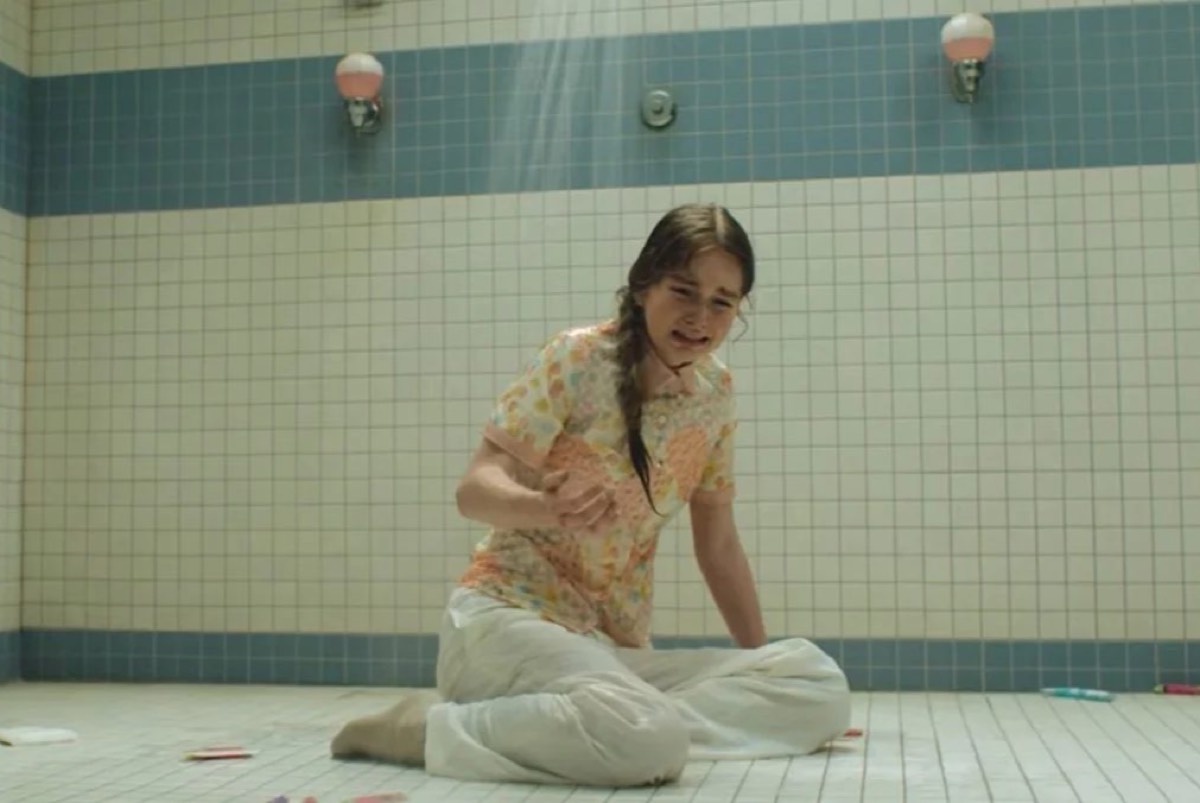
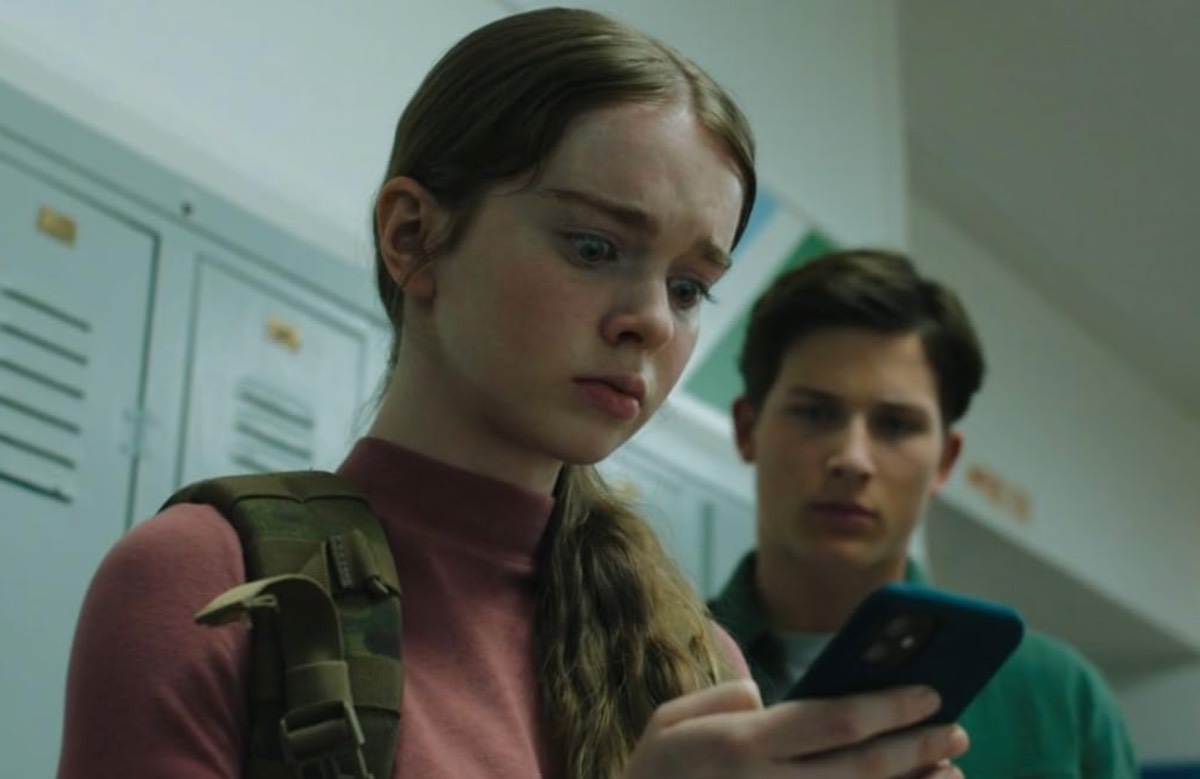
And then comes the infamous locker room scene and Carrie’s first period. De Palma’s camera lingered just a bit too longingly on the naked adolescent girls in the showers, although the scene did capture Carrie’s extreme vulnerability in that moment. Flanagan’s version has Carrie start her period fully clothed—but wearing white pants. High school bully Chris (Alison Thornton) pushes her into the shower before leading the other girls in a chant of “plug it up” while pelting her with sanitary napkins and tampons. And of course it’s all captured on multiple cell phones.
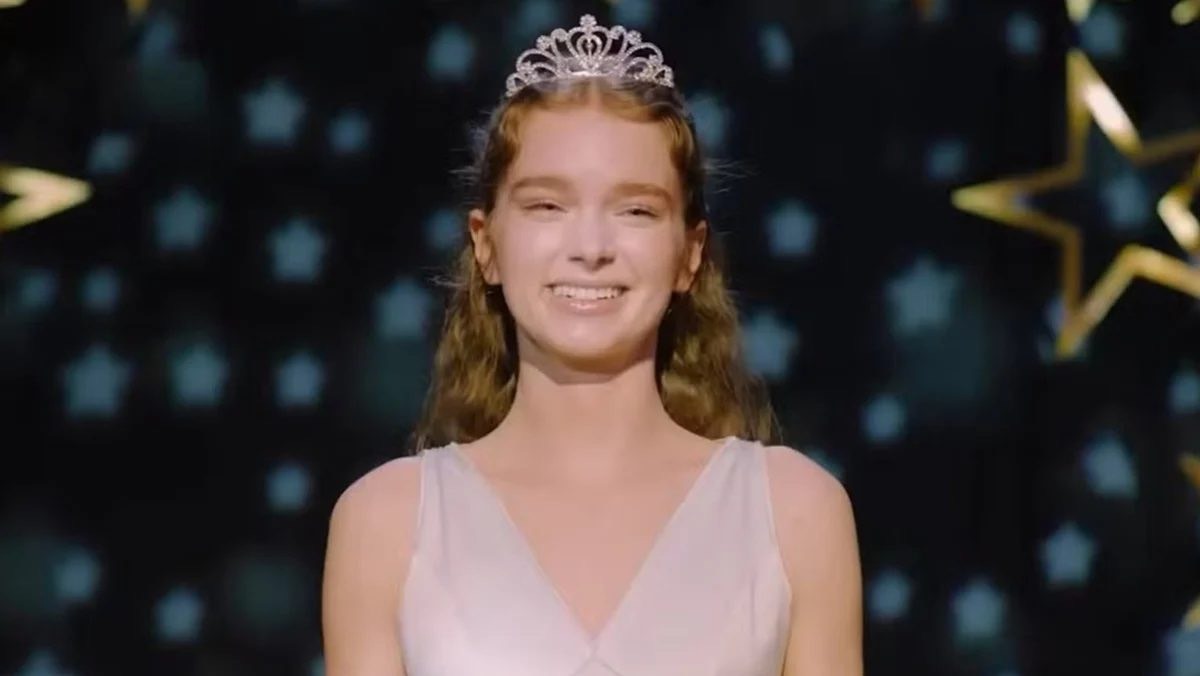
The 22-year-old Howell, best known to date for playing Alison Pierce in the Chucky franchise, beat out 1,400 young actresses to play Carrie. She didn’t even read King’s novel or watch the 1976 movie, so she could interpret Flanagan’s take on the character. Spacek defined the role, but Howell redefines it with just as much assurance. She hits every single note, registers every small shift in expression and emotion, in a stellar performance that should cement her status as a gifted young actress on the rise.
WARNING: Major spoilers for the Mike Flanagan series below. Stop reading now if you haven’t finished watching.)
“F*&k you, I exist”
Prime VIdeo
Prime VIdeo
Prime VIdeo
Prime VIdeo
Prime VIdeo
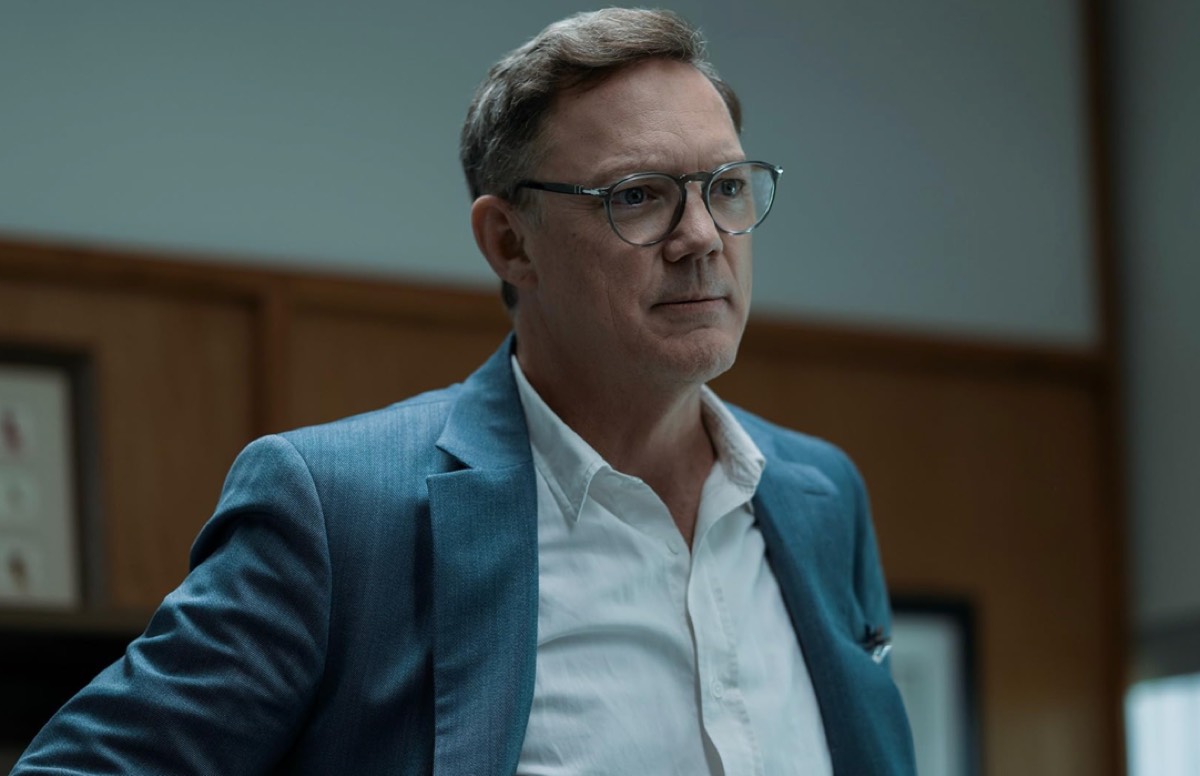
Lillard brings a jaded weariness to Principal Grayle—a once-idealistic educator whose kindness has been beaten into submission. But he still shows some fire when Chris’ high-powered lawyer father, John (Michael Trucco), threatens to sue the school, reminding John (in a moment lifted from the novel) that, by his reasoning, the school could counter-sue and that Chris’ long history of bullying would be laid open during discovery.
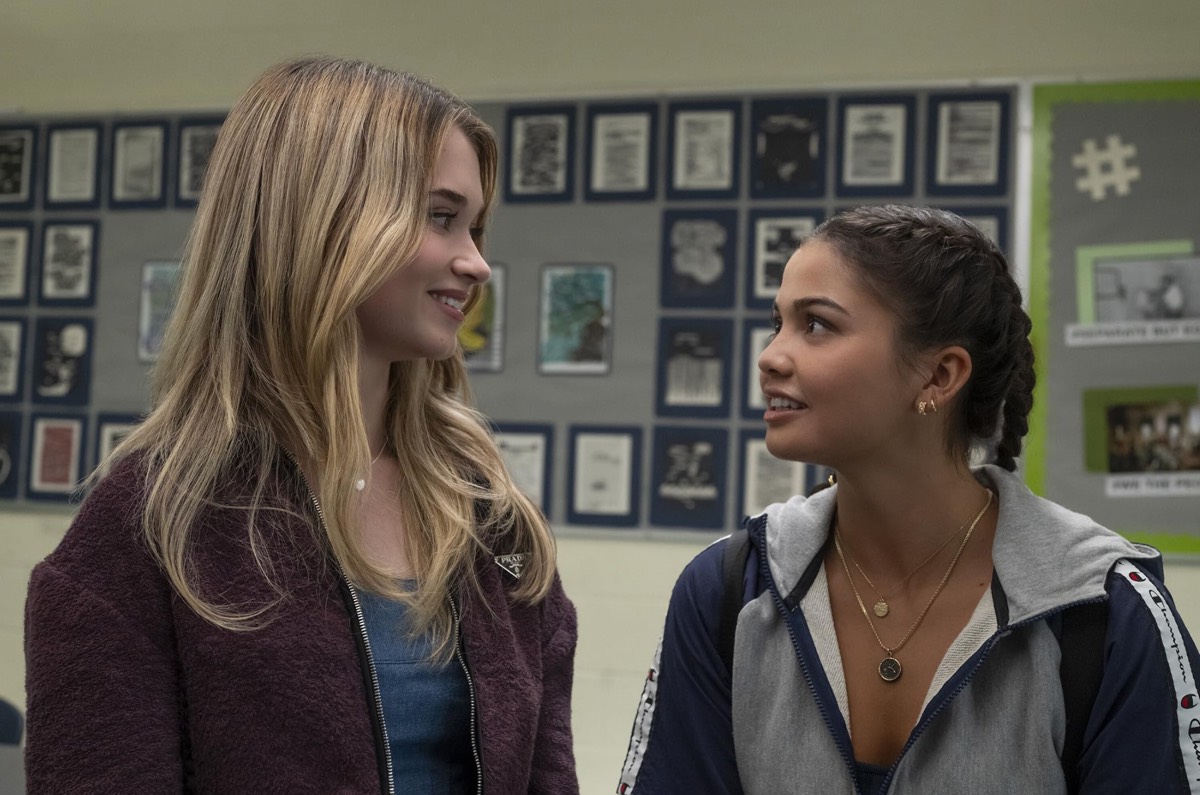
In the De Palma film, John Travolta’s Billy was a dim-witted jock, bonded to Nancy Allen’s vapid Chris by hormonal lust and their shared nasty, brutish natures. Neither had any redeeming qualities. That’s not the case in Flanagan’s series. Arthur Conti’s Billy is a high school dropout who works on a farm when not dealing drugs to partying high schoolers. He’s dark and broody, smart and sarcastic, a compulsive rule-breaker. And he’s dangerous—catnip for a spoiled, rebellious golden girl like Chris, whose perfect life has unexpectedly hit the skids. Her parents are divorcing, the father she idolizes is facing financial ruin, and since she didn’t apply for financial aid in time, she can’t join her bestie, Sue (Siena Agudong), at Duke University in the fall.
None of this excuses Chris’ malicious behavior, not just toward Carrie but toward her future stepsister, Brooklyn (Rowan Danielle), and the school as a whole, mostly via a fake Instagram account devoted to smearing students and faculty alike. It’s Carrie who asks the key question: Why go to such great lengths to target Carrie particularly? Chris’ answer—“I don’t know. You were weird, and you pissed me off”—speaks to her profound lack of self-awareness. Yet her recklessness and stubborn pride seal her doom. Chris is given many chances to reverse course, face accountability, and do the right thing; however torn, she can never bring herself to do it until it is much too late.
Flanagan improves on both De Palma’s film and King’s novel in his treatment of faith, embodied in Carrie’s mother, Margaret White. Margaret is a cartoonish caricature in those earlier incarnations, with her candles and crucifixes, sexual repression, and psychotic rants about sin and atonement. Flanagan understands the complicated nature of faith; he created the exquisite Midnight Mass, after all, which also starred Sloyan (part of the “Flana-fam” of actors) in a pivotal role.
Sloyan was the perfect choice to play Margaret. She’s a grieving widow who has spent the last 15 years shutting out the world out of fear, ill-equipped to hold down even a job as a checkout clerk. She can’t help judging customers for, say, buying vibrators and condoms and helpfully lecturing them on their poor life choices. She’s intelligent, like Carrie, and has clearly done an excellent job homeschooling her daughter. However nutty her specific beliefs might be, she is not always wrong in her assessments; she’s just so rigidly unlikable, nobody wants to cede her the points.
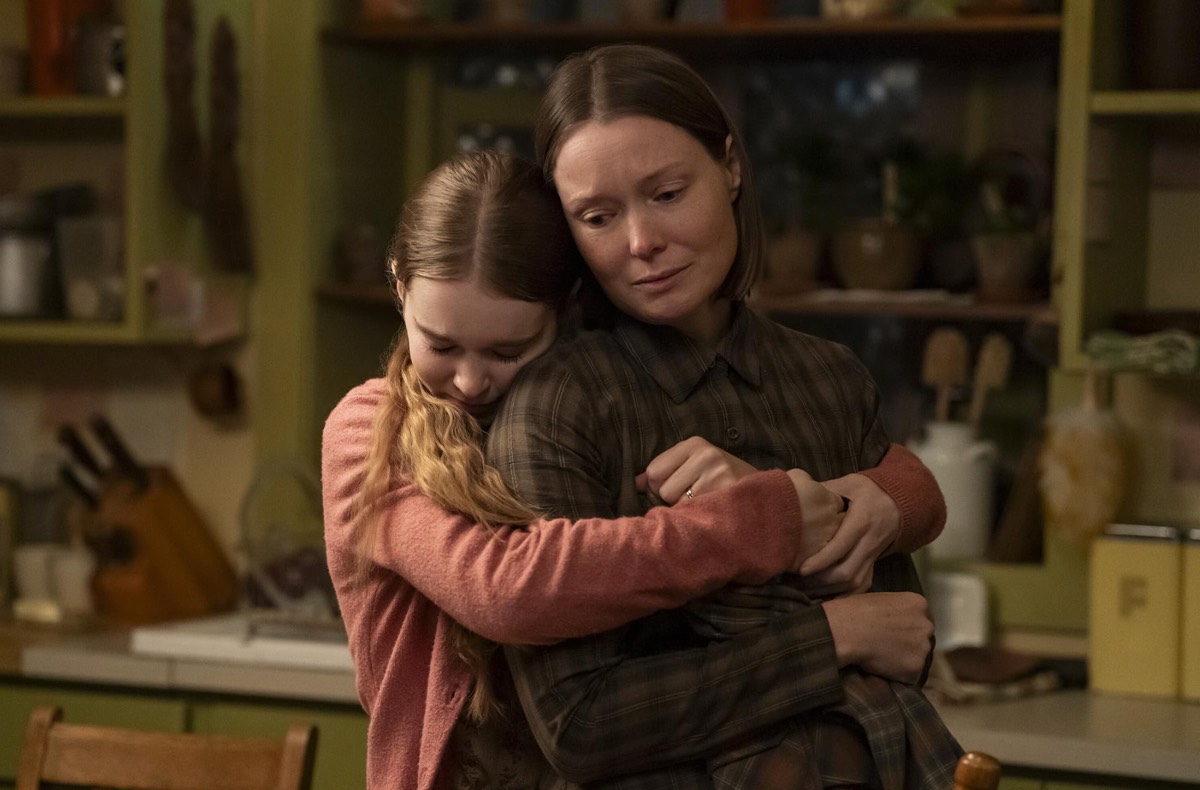
Where King’s Margaret actively disliked her daughter—viewing her as the polluted spawn of the night her drunken husband effectively raped her—Sloyan’s Margaret clearly loves Carrie, wanting only to protect her from a world of sin and depravity. (She also clearly loved and depended upon her late husband.) She wages battle on behalf of her bullied daughter with admirable ferocity. Flanagan understands another crucial aspect of Margaret’s faith: it’s all about control. So when Margaret feels that control slipping away—when she’s forced to work and confront the ugliness of the world or when Carrie pushes back on her authority—she throws herself into re-exerting her control, even if that means locking Carrie in the prayer closet for hours on end to save her immortal soul.
Above all, Flanagan understands how even a mother’s love can be poisoned by fear when Carrie uses her newfound powers to wrest control of the household from her mother. The final interaction between mother and daughter starts with Margaret washing away all the blood in the bath, recalling how she did the same thing the night Carrie was born. As they prepare to pray together, Carrie asks if god can forgive her for what she has done. “Even if god doesn’t, I forgive you,” Margaret replies, before tearfully asking if Carrie can forgive her—for what we know (but Carrie doesn’t) will be Margaret’s attempted murder of her own child
Worst prom ever
Prime VIdeo
Prime VIdeo
Prime VIdeo
Prime VIdeo
Prime VIdeo
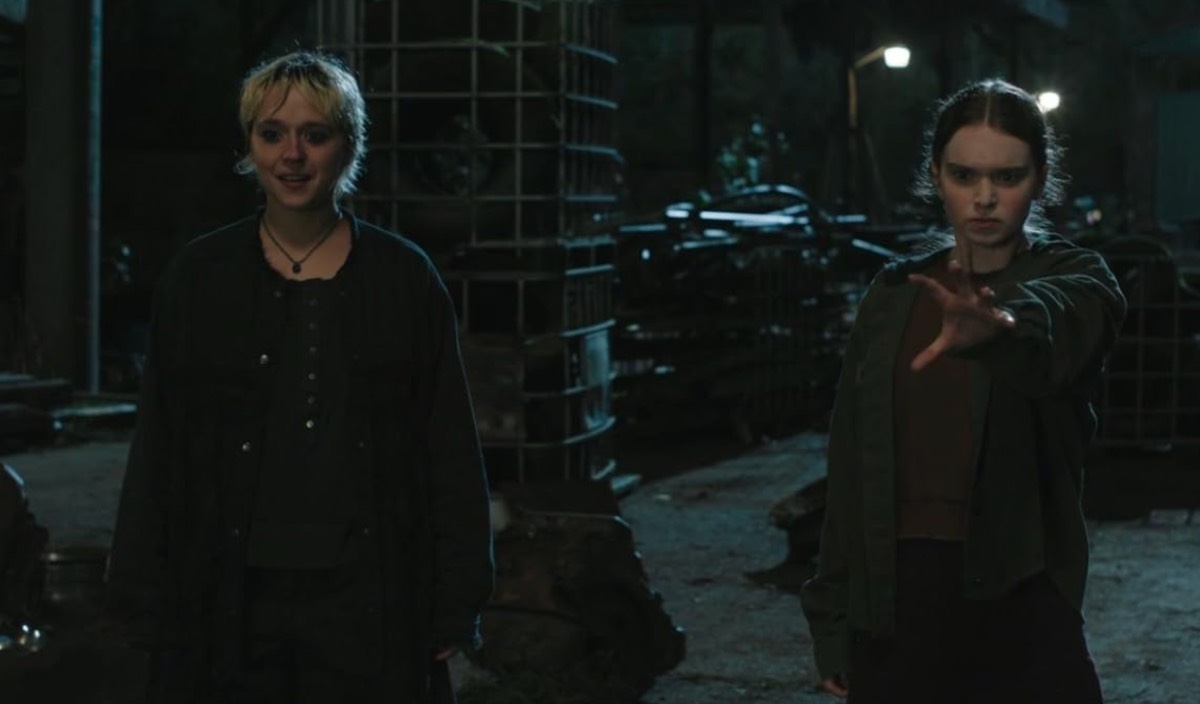
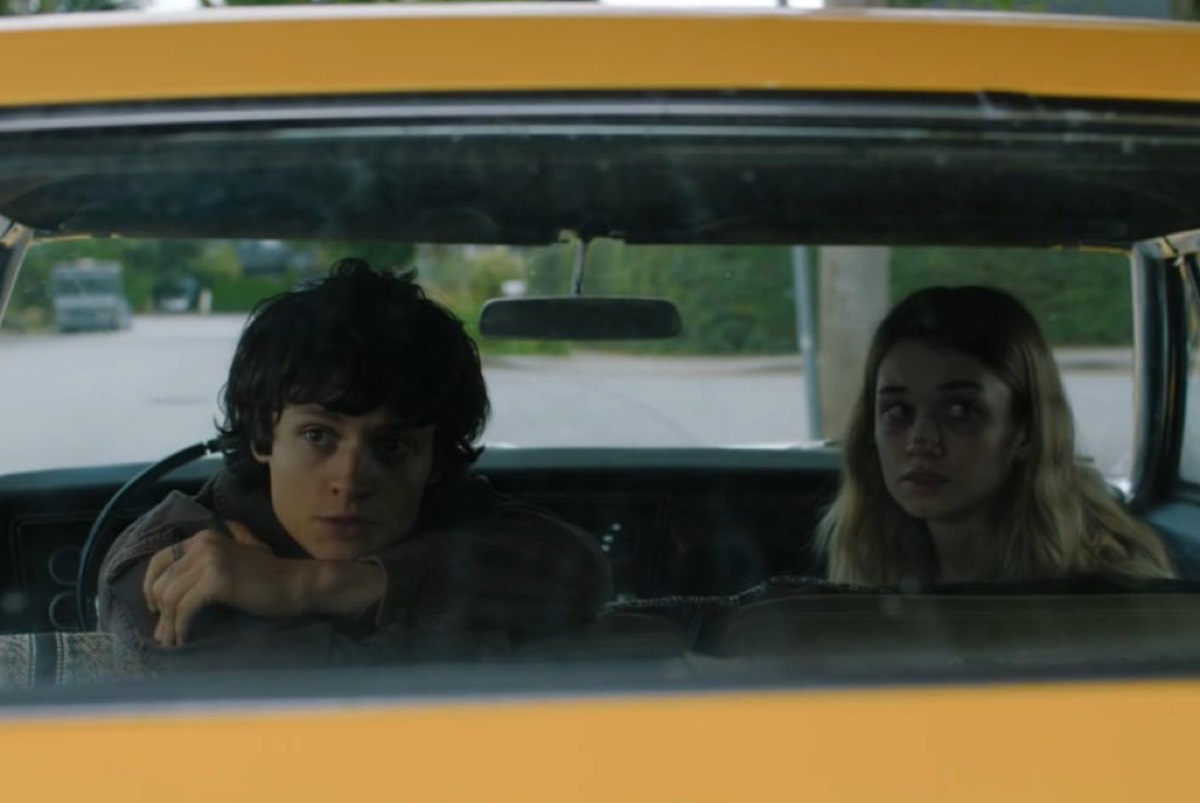
King’s novel alludes to Margaret’s grandmother having similar telekinetic abilities, which Margaret had always attributed to witchcraft, and the novel ends with an Appalachian woman writing a letter to her sister in 1988, telling her about her 4-year-old daughter’s emerging telekinetic gifts. He even hints at a recessive “TK” gene as the cause. Flanagan turned all that into a cult of women with supernatural gifts, led by Adelaide (Kate Siegel), who sense Carrie’s nascent power and track her down. (Here it is Adelaide, not Carrie, who stops Margaret’s heart after interviewing her as a witness.) He also introduces Emmaline (Thalia Dudek), who befriends Carrie and encourages her worst instincts, only to be revealed as an astral projection of the real Emmaline. (She is definitely not a high school student.)
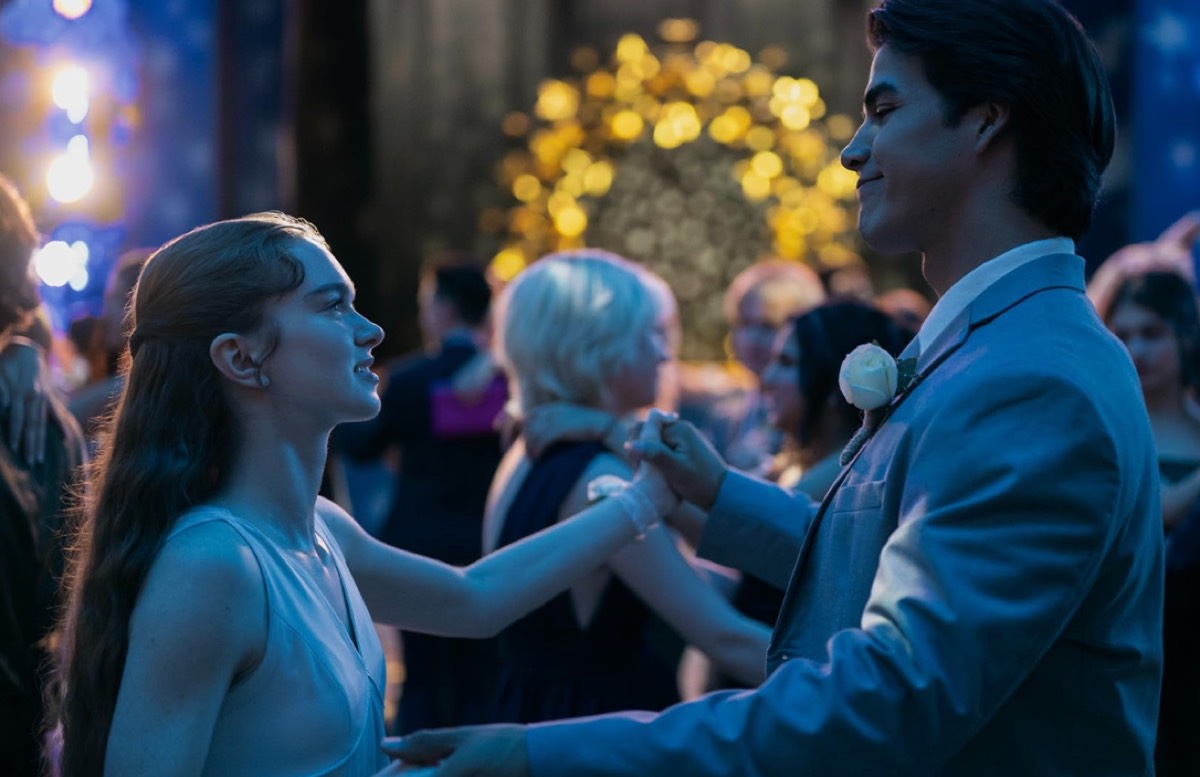
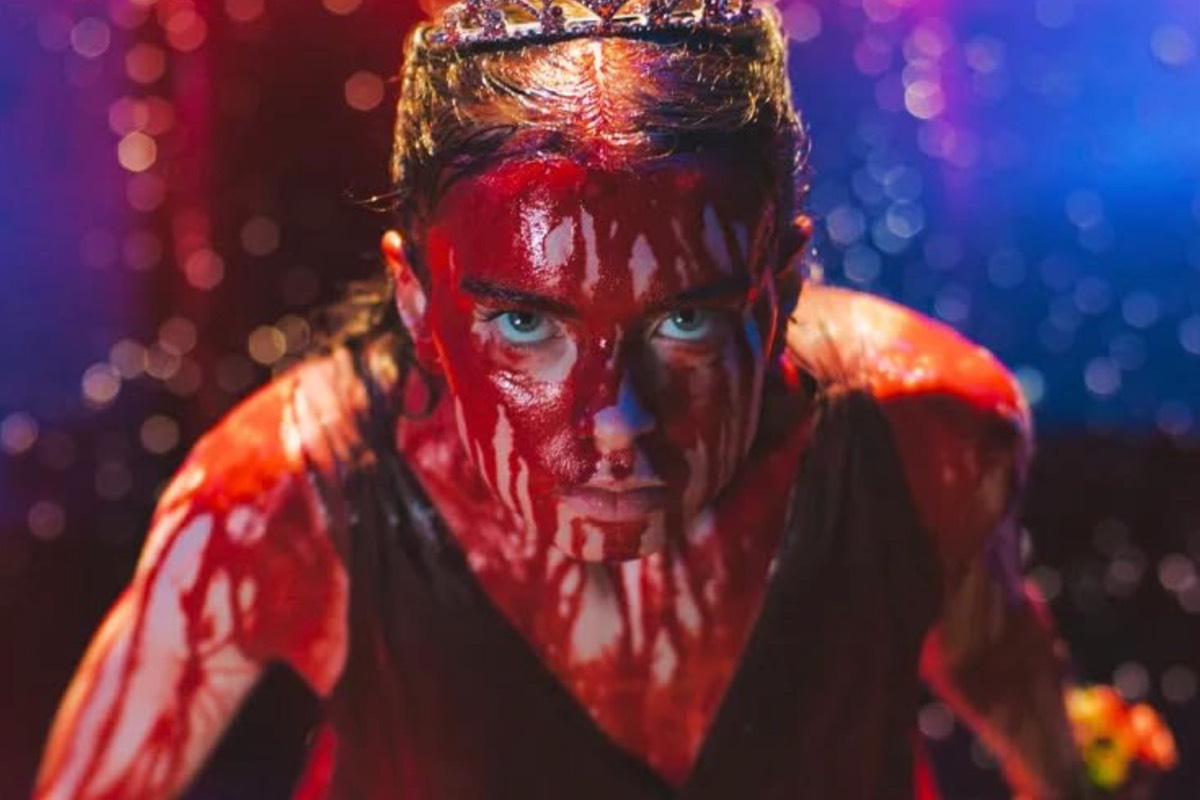
Of course, everything comes down to that famous prom scene, with Carrie being crowned queen before being doused with pig’s blood. De Palma’s sequence followed that moment with an eerie silence, the only sound that of the clanking empty bucket, before all hell breaks loose. Flanagan chooses to have Carrie telekinetically explode everyone’s cell phone and have the screen cut to black as we hear agonized screams to close the penultimate episode. Yet the final episode opens with another interview segment; those segments keep interrupting the action, which is a bit frustrating but forgivable. (There are already fan cuts popping up on YouTube stitching together the prom night footage without the breaks.)
There is really only one flaw in Flanagan’s Carrie, and it’s a major change from the source material: Carrie is not solely responsible for the prom night carnage—and she survives (a twist that also featured in the 2002 TV film). Sue admits she knew Carrie was “fucked” on the very first day because she was genuinely kind and innocent, admirable qualities that make certain people like Chris feel inferior and lash out with cruelty. But plenty of others found Carrie disarmingly likable. We see glimpses of a darker Carrie—telekinetically breaking Chris’ nose in class, for instance, and telling her to “plug it up” as she walks past. Honestly, Chris deserved it. But Carrie only feels shame and guilt over her actions, rejecting Emmaline’s celebratory gloating over the incident.
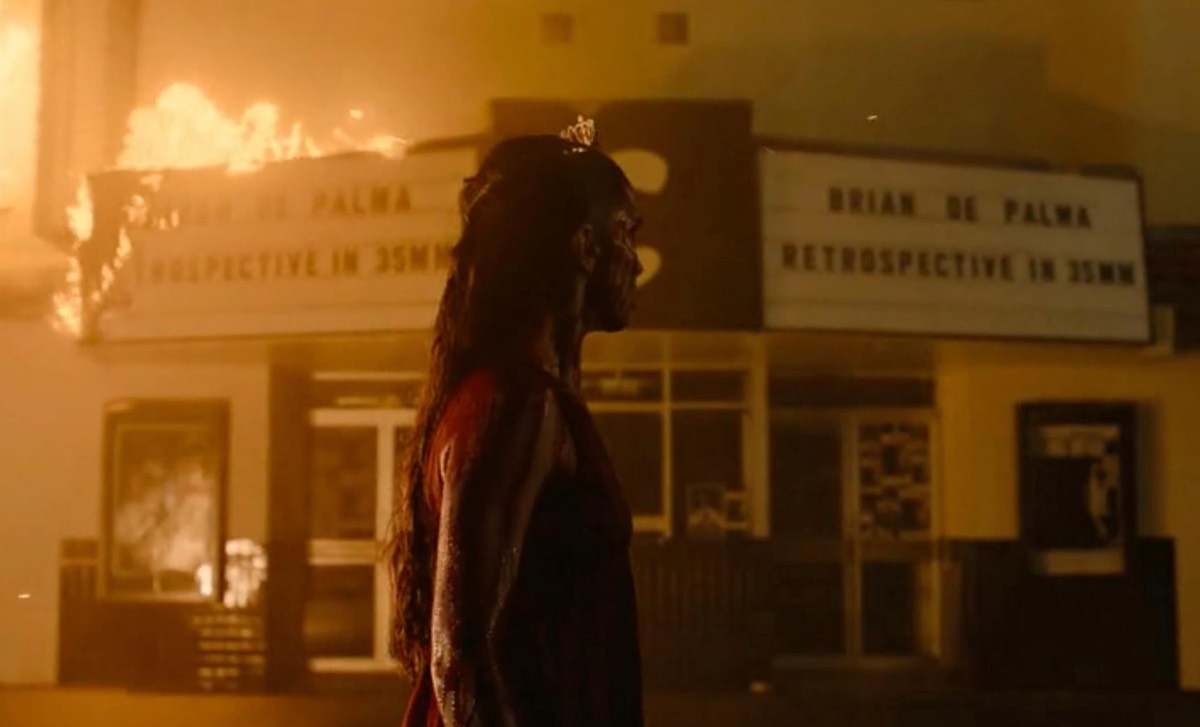
Is this a person so psychologically damaged that she would quickly turn murderous and take out an entire town in revenge for a vicious prank? Flanagan doesn’t seem to think so, since he blinks and lets Emmaline “take the wheel” after poor Tommy (Joel Oulette) is killed when Carrie brings down an overhead walkway. Emmaline (who is that damaged) temporarily possesses Carrie to inflict the worst of the ensuing deadly havoc on her behalf. That one creative decision takes away Carrie’s agency at the most crucial moment and seriously undercuts the foundation on which the whole character arc rests.
Of course, Carrie does plenty of damage on her own, including crushing Billy and Chris to death after flipping their car when Billy tries to run her down. She’s both horrified and strangely elated by what she’s done. But she just feels horror when Emmaline vanishes abruptly, and Carrie realizes what she’s done to the town, limping home for the final confrontation with her murder-minded mother. That’s the devastating revelation that truly breaks her: She’s a monster in the eyes of her own mother.
Somehow that one huge misstep isn’t enough to sink this compelling series—a tribute to the power of the core story.
As for why Carrie survives, Flanagan has plans for another two seasons, taking us into uncharted territory with King’s blessing. Prom night set Carrie down a dark path, drunk on her newfound power, with a weakened moral compass. She’s unwittingly caught between two different factions seeking to exploit her immense power—her new bestie, Emmaline, and Adelaide’s group—plus another group that seems intent on killing Carrie and others like her. It will be interesting to see what Flanagan comes up with, given the chance, now that he’s freed from the constraints of the original novel.
All eight episodes of Carrie are now streaming on Prime Video, as is the 1976 film.