buttons!
Buttons are back and storage is king when it comes to car interiors
We talk with Nissan designer Hiren Patel about how vehicle interior designs are changing.
Credit:
Nissan
Credit:
Nissan
As with interior design for houses, interior design for vehicles is also subject to fashion trends. And like any fashion trend, even the best ideas can become stale and played out with overuse. Some ideas weren’t the best, either, like demonstrably worse human-machine interfaces that add to driver distraction; yet, they still proliferated throughout the industry and across the cars offered for sale. But the good news is that the pushback seems to be working.
“When the trend of the Piano Black and the switchless interior was happening, it was during a time when designers and companies and engineers and everybody were thinking that, ‘Hey, we can just get rid of all these switches on the interior. We can put it all in the software. It’ll save money. It’ll save us tooling up all these extra parts for unique cars and all this stuff and make the interior more like a software experience.’ And it was done with those intentions,” said Hiren Patel, senior design manager at Nissan.
That resulted in cars with minimalist interiors that looked good in the dealership. But people drive their cars on roads; they don’t just sit inside them, parked inside a dealership. “So lots of people were complaining about it and saying, ‘Hey, it takes my eyes off the road to change the temperature or to adjust my seat or do whatever.’ It’s not as easy as doing something on your phone where it’s just right at your fingertips and intuitive,” Patel said.
In part, blame the increasing complexity of modern cars, which have multiple subsystems that need to be controlled. “It’s really like I’ve got to go in all these menus and do stuff, and all the car companies have a different way of doing it, too. So maybe nobody’s really figured out a great way of doing it.”
Nissan
Nissan
Nissan
Nissan
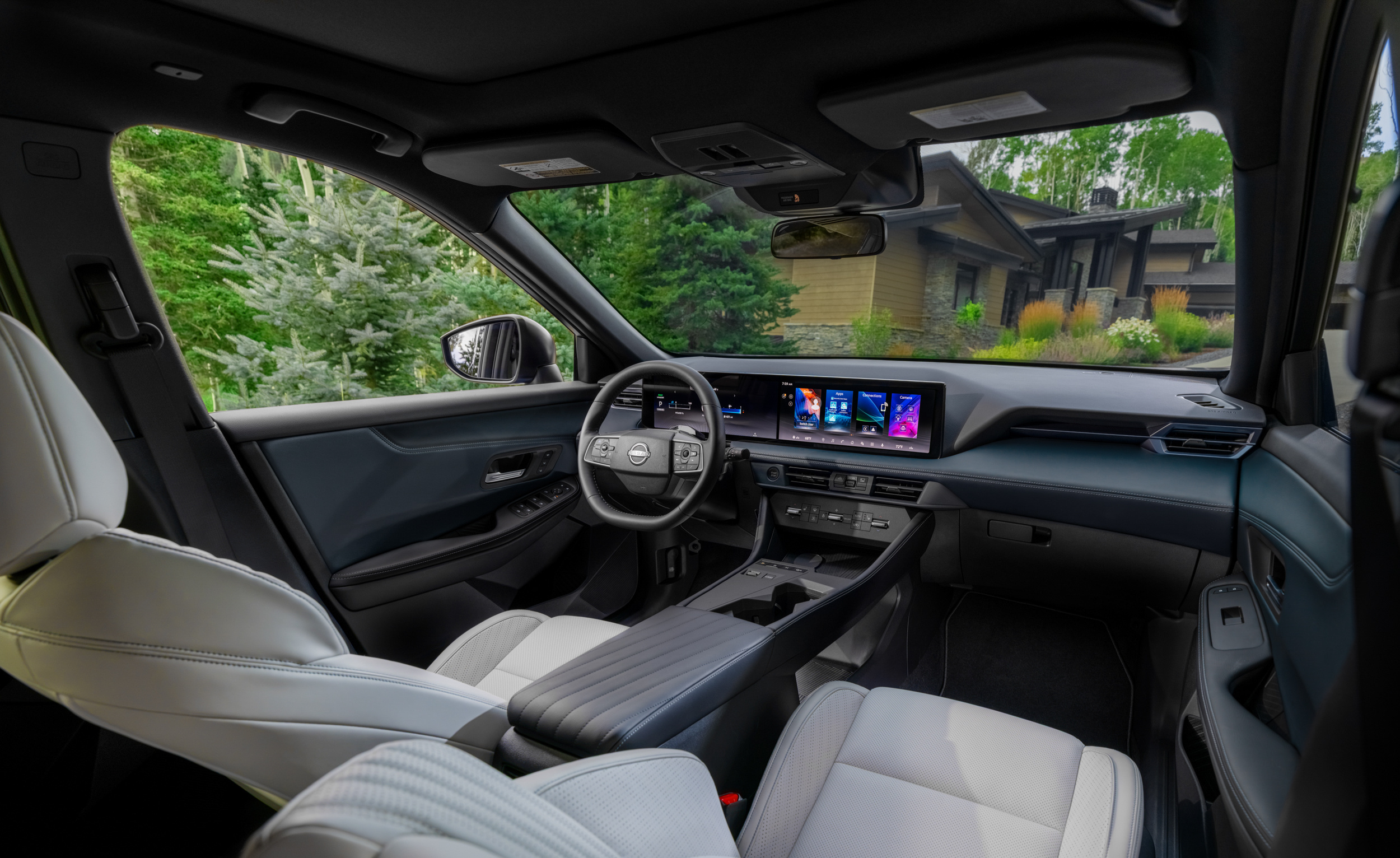
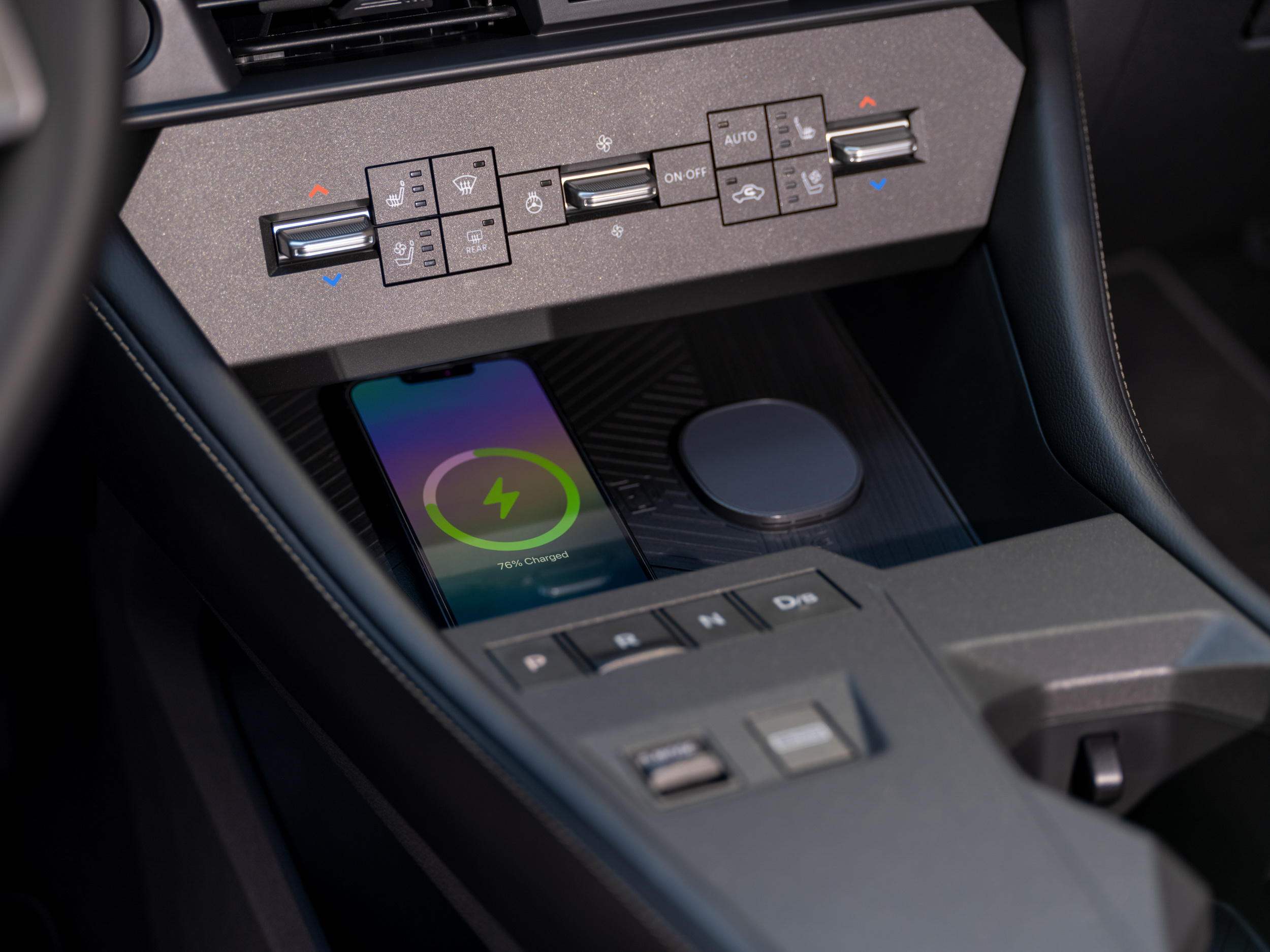
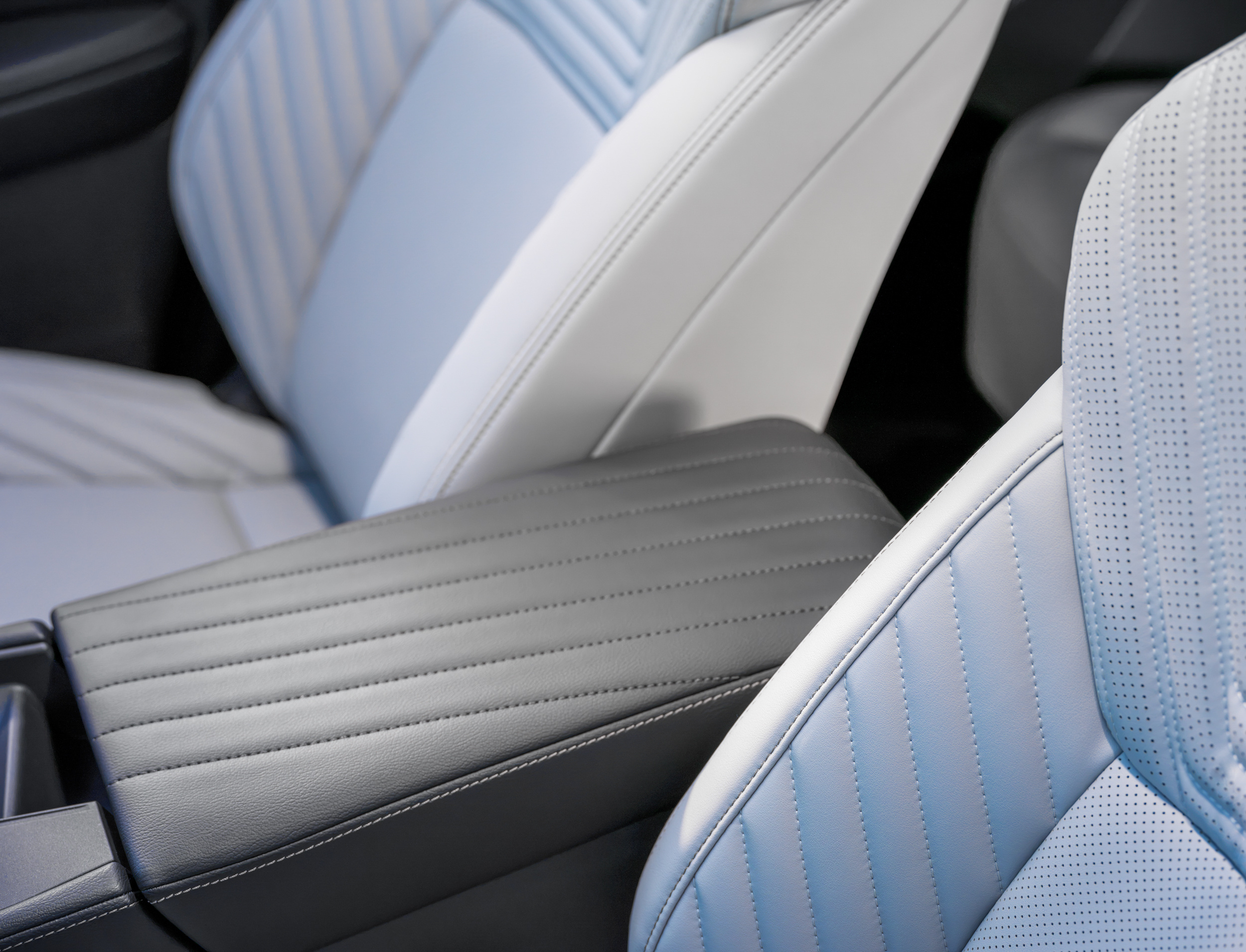
Most recently, Patel was responsible for the new Rogue, Nissan’s bestselling family SUV. And its interior is a good one. Less minimalist than the all-electric Ariya, the new Rogue Hybrid has buttons and switches for most of its controls and a useful amount of storage built into the interior. Yet it’s not a boring design—the seats are a standout, taking inspiration from puffer jackets. And no, there’s no Piano Black in sight.
“People want easy, intuitive controls,” Patel said. “They want wireless charging. They want surfaces that are easy to manage and clean, keep clean and clutter-free, and they want lots of places to store things. Oh, and the last thing is, they want easy access.” So the new Rogue’s rear doors were engineered to open to 90˚ to make it easier to put in a kid’s car seat or help an elderly parent into the back. That would be less of a priority for a sedan being marketed at a more image-conscious customer, but vitally important for this segment.
“The target customer for this product… they have families and they have a lot of stuff. So you’ll notice that you open the door, and immediately there’s places to put stuff,” Patel said.
Utilitarian need not mean prosaic, however. As designers since the Bauhaus movement have proved, “everyday” doesn’t have to be ordinary. Patel shared that sentiment. “One of the exciting things and one of the really big challenging things of doing a car or doing design for a product that is a usable everyday product is when you can make that product beautiful,” he said. “There’s so much more that goes into our everyday usable products in terms of cost, engineering, usability, feasibility, everything. And then on top of that, we’re struggling and really trying our best to fight for every little millimeter that we can get that we feel is important to making sure that that product is appealing from a visual standpoint.”