NASA’s Psyche Spacecraft Captures Mind-Bending Month-Long Timelapse of Mars
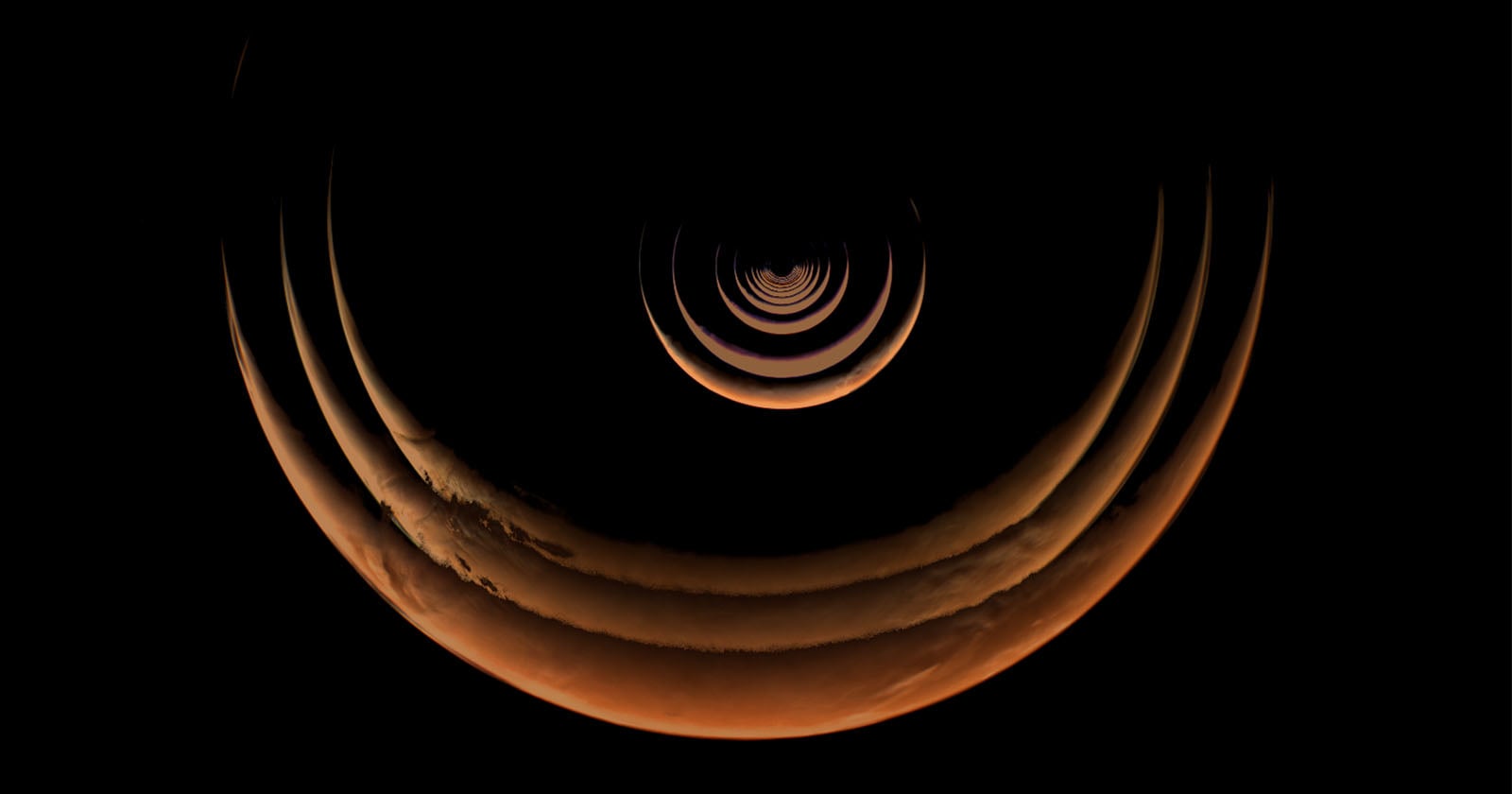
Throughout May, NASA’s Psyche spacecraft approached and flew away from Mars, coming within just 2,864 miles (4,609 kilometers) of the Red Planet during its closest approach. A brand-new timelapse video released by the NASA Jet Propulsion Laboratory (JPL) features thousands of images that Psyche captured during its mission.
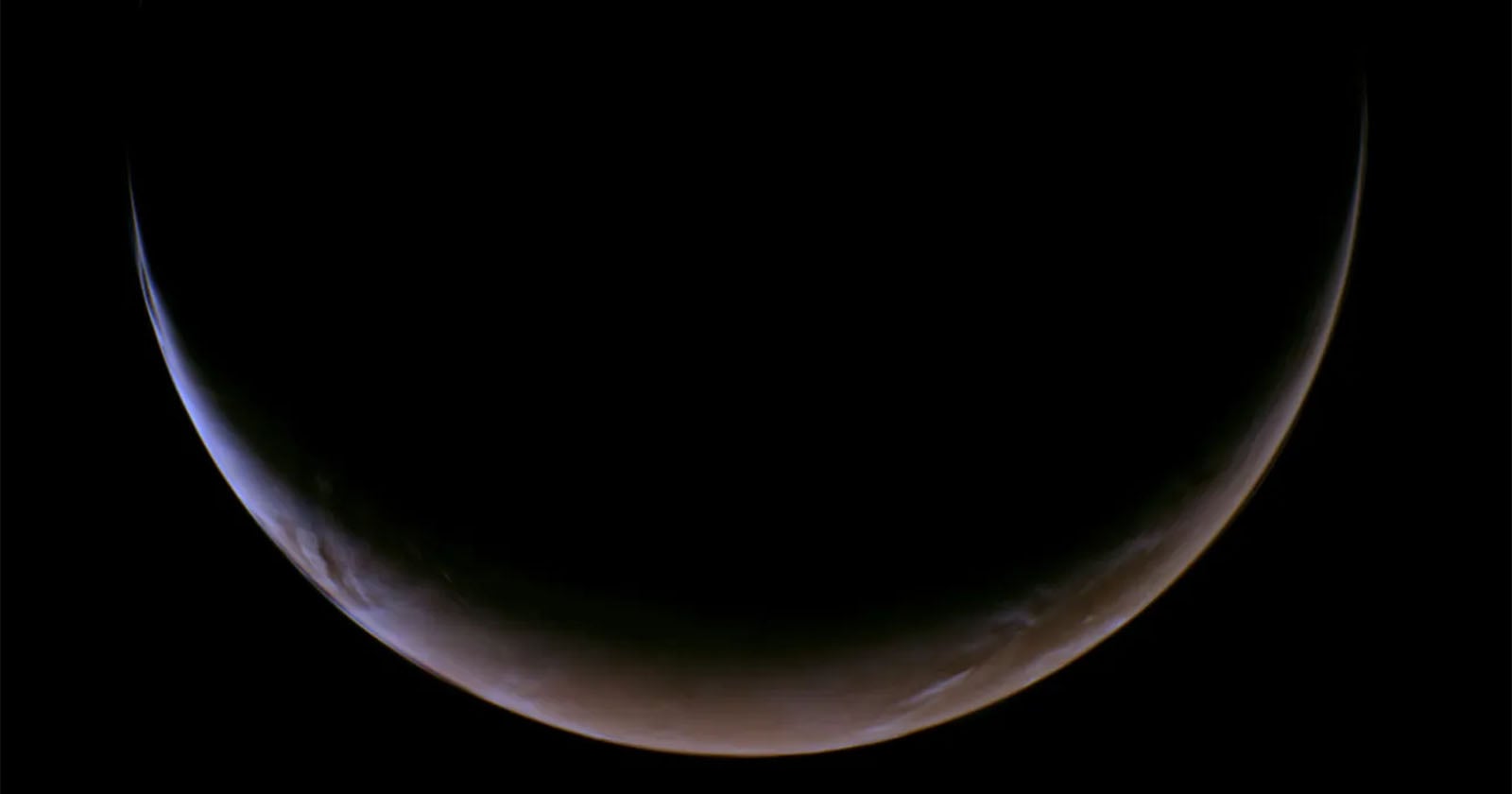
The short video starts with Mars as a very distant, small crescent in the black abyss of space, quickly growing larger in the frame, eventually filling the screen.
The video then transitions to close-up shots of the Martian surface, showing the Red Planet’s distinctive color and pockmarked surface in incredible detail.
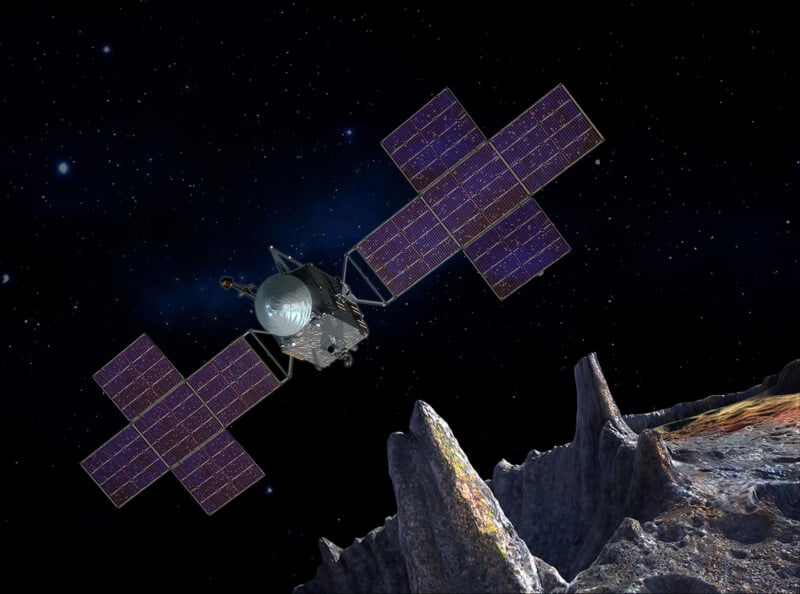
After Psyche finished its closest flyby on May 15, the spacecraft began its trip to its actual mission target, the metallic asteroid 16 Psyche located in the outer part of the main asteroid belt between Mars and Jupiter.
Yes, that’s right, Mars is not Psyche’s primary target. Scientists used Mars and its gravitational field to test out various vital aspects of Psyche’s mission, including how the spacecraft can use gravity to adjust its speed and tilt.
Mars was a stand-in for the asteroid, enabling scientists to test key scientific instruments before the spacecraft reaches its actual target in 2029.
“Not only did the instruments operate precisely as designed, delivering data that matches what NASA already knows about Mars, they also provided a few new insights about the planet along the way,” NASA explains.
“The mission’s imager, magnetometer, and gamma-ray and neutron spectrometer teams worked overtime to make full use of this planetary encounter, and all instruments delivered great results,” says Lindy Elkins-Tanton, principal investigator for Psyche at the University of California, Berkeley. “We didn’t anticipate big discoveries, given how extensively the planet has been studied, but we did complement Mars science with the data we collected through Psyche’s unique perspective.”
Psyche’s gamma-ray and neutron spectrometer, a very important instrument that will analyze the chemical elements that make up Psyche 16’s surface in a few years, got a “real workout” during the spacecraft’s Mars flyby.
“Around the time of Mars closest approach, the neutron spectrometer detected a count-rate enhancement close to what we anticipated. It was very gratifying to see,” says David Lawrence, science lead for Psyche’s spectrometer at the Johns Hopkins Applied Physics Laboratory in Maryland. “As expected, we didn’t detect gamma rays from Mars, but we put the instrument through its paces, and it performed excellently.”
The spacecraft’s magnetometer, which has been running constantly since the spacecraft launched in 2023, got to stretch its legs around Mars.
“As the spacecraft passed close to Mars, the magnetometer saw an intense uptick in magnetic field corresponding to the bow shock region, where the solar wind slams into the planet’s magnetic field,” adds Ben Weiss, Psyche’s deputy principal investigator and the magnetometry investigation lead at the Massachusetts Institute of Technology (MIT). “This flyby calibration effort validated the instrument’s performance under dynamic conditions while also revealing the fascinating physics of planetary magnetism.”
Mars also gave Psyche a chance to showcase its image-capture capabilities. The spacecraft captured thousands of photos of Mars during approach, flyby, and departure, including some very rare and unusual views of the planet.
“The imager performed brilliantly, delivering some rarely seen views of the Red Planet,” explains Jim Bell, Psyche imager instrument lead at Arizona State University.
“Besides the obvious beauty of the photos, we were also able to fully test its calibration and sensitivity to scattered light, including picking out the Martian moons Phobos and Deimos from very far away as a part of a practice for the satellite search that we’ll use at the asteroid Psyche to look for any moonlets there,” Bell continues.
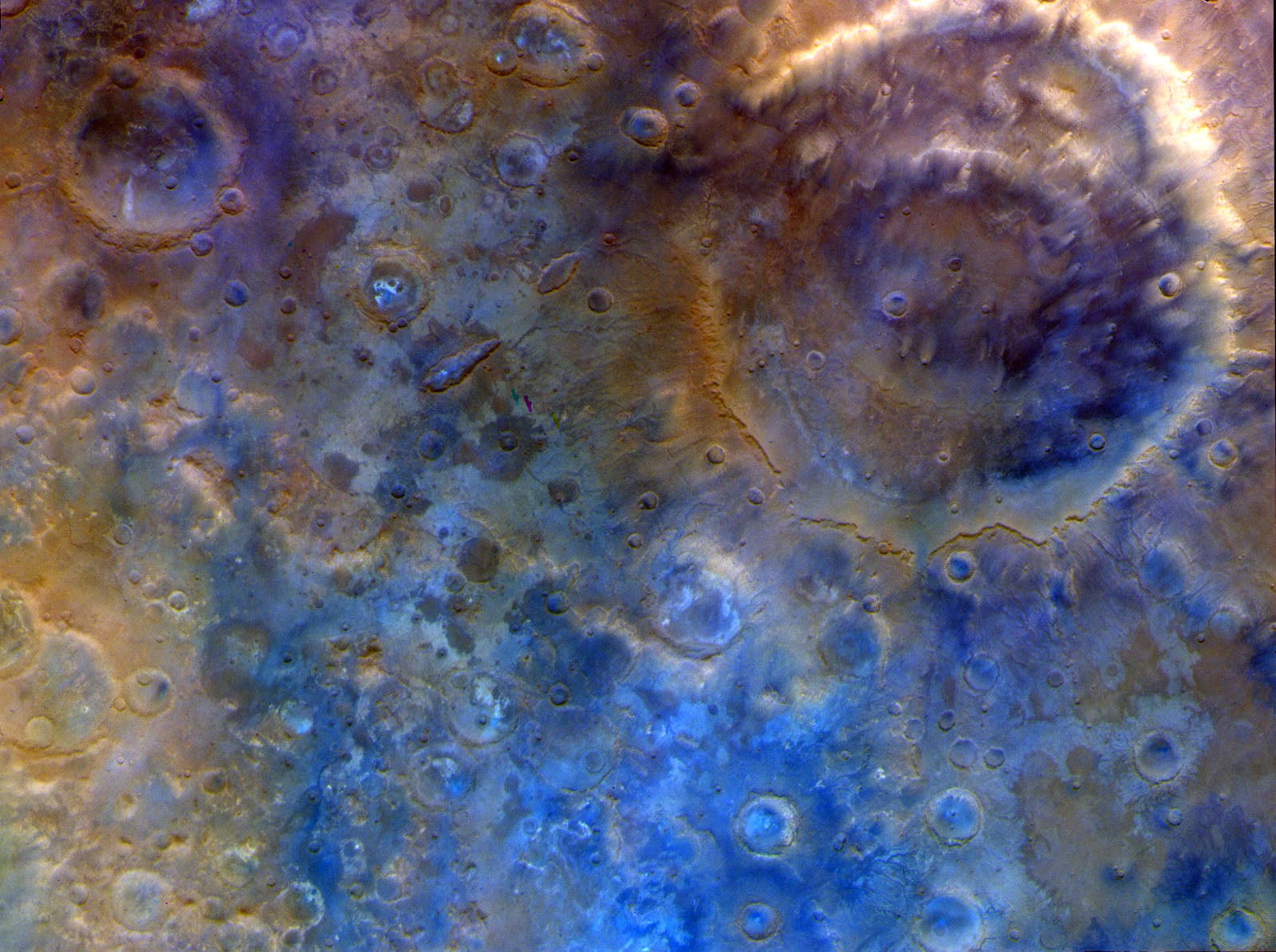
The Psyche team is currently comparing Psyche’s images to those captured by Mars missions, including NASA’s Mars Reconnaissance Orbiter, Curiosity, and Perseverance, to help calibrate Psyche’s cameras.
In the meantime, Psyche itself is continuing on its journey toward its primary target, Psyche 16. The spacecraft is expected to reach its target asteroid in the summer of 2029. Psyche’s top speed is around 124,000 miles per hour (200,000 kilometers per hour), thanks in large part to the gravitational slingshot assist it received from Mars in May.
Image creditsNASA/JPL-Caltech/ASU