Galaxy wide
Samsung unveils new Galaxy Z8 foldables and Galaxy Watches, available August 7
Samsung’s new foldables are slimmer, faster, and more expensive.
Credit:
Samsung
Credit:
Samsung
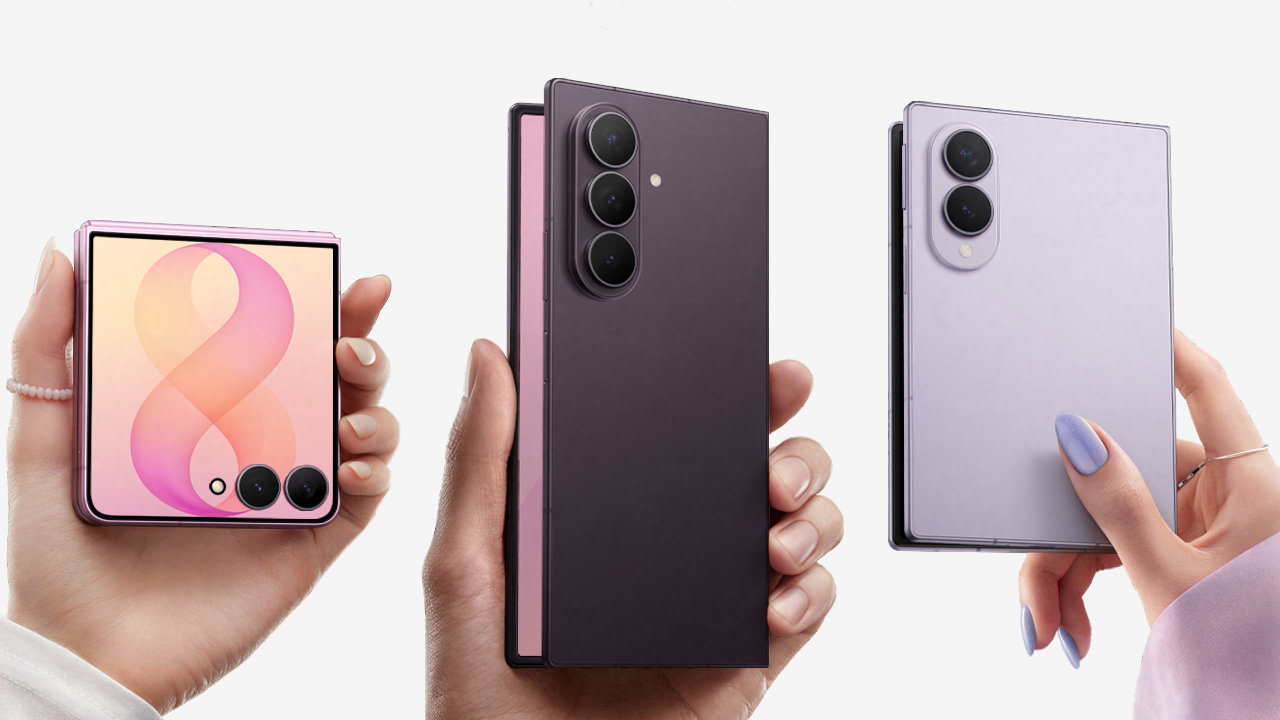
The rumors haven’t left much to the imagination, but Samsung has unfurled its 2026 foldable lineup today. There are three models for the first time in Samsung’s eight-gen foldable family, including the top-of-the-line Z Fold 8 Ultra. That phone is the successor to last year’s Galaxy Z Fold 7, but the Z Fold 8 is new—the company’s first wide-body foldable designed for media over multitasking. And then there’s a new, thinner flip phone, plus a pair of smartwatches.
You can preorder Samsung’s new hardware today, but the component shortage has made these already spendy product lines more expensive this year. Even the Z Flip 8 is now well over a grand, and the Ultra costs almost twice as much.
| Specs at a glance: Galaxy Z8 series | |||
|---|---|---|---|
| Galaxy Z Flip 8 ($1,200) | Galaxy Z Fold 8 ($1,900) | Galaxy Z Fold 8 Ultra ($2,100) | |
| SoC | Snapdragon 8 Elite Gen 5 for Galaxy | Snapdragon 8 Elite Gen 5 for Galaxy | Snapdragon 8 Elite Gen 5 for Galaxy |
| Memory | 12GB | 12GB, 16GB | 12GB, 16GB |
| Storage | 256GB, 512GB | 256GB, 512GB, 1TB | 256GB, 512GB, 1TB |
| Display | Main: 6.9″ Dynamic AMOLED 2X (1080 x 2520) 400ppi, 120Hz; Cover: 4.1″ AMOLED (948 x 1048) 342 ppi, 60/120Hz | Main: 7.6″ Dynamic AMOLED 2X (1848 x 2448) 403ppi, 120Hz; Cover: 5.5″ Dynamic AMOLED 2X (1248 x 1972) 428ppi, 120Hz | Main: 8.0″ QXGA+ Dynamic AMOLED 2X (2504 x 2256) 422ppi, 120Hz; Cover: 6.5″ FHD+ Dynamic AMOLED 2X (1080 x 2520) 422ppi, 120Hz |
| Cameras | Rear: 50MP Wide (F1.8, OIS), 12MP Ultra Wide (F2.2); Selfie: 10MP (F2.2) | Rear: 50MP Wide (F1.8, OIS), 50MP Ultra Wide (F1.9); Main/Cover Selfie: 10MP (F2.2) | Rear: 200MP Wide (F1.7, OIS), 50MP Ultra Wide (F1.9), 10MP Tele (3x Optical, F2.4, OIS); Main/Cover Selfie: 10MP (F2.2) |
| Software | Android 17 / One UI 9 | Android 17 / One UI 9 | Android 17 / One UI 9 |
| Battery | 4,300 mAh, up to 55% charge in ~30 min with 25W Adapter, 15W Wireless Charging | 4,800 mAh, up to 67% charge in ~30 min with 45W Adapter, 20W Wireless Charging | 5,000 mAh, up to 63% charge in ~30 min with 45W Adapter, 20W Wireless Charging |
| Connectivity | 5G, LTE, Wi-Fi 7, Bluetooth v5.4, SIM+eSIM | 5G, LTE, Wi-Fi 7, Bluetooth v6.0, SIM+eSIM | 5G, LTE, Wi-Fi 7, Bluetooth v6.0, SIM+eSIM |
| Measurements | Unfolded: 166.9 × 75.4 × 6.1 mm Folded: 85.7 × 75.4 × 13.1 mm, 180g |
Unfolded: 123.9 × 161.4 × 4.5 mm Folded: 123.9 × 81.9 × 9.7 mm, 201g |
Unfolded: 158.4 × 143.2 × 4.1 mm Folded: 158.4 × 72.8 × 8.9 mm, 215g |
| Colors | Pink, Graphite, Cream, Mint (online) | Lavender, Graphite, Cream, Pistachio (online) | Violet Shadow, Graphite, Cream, Green Shadow (online) |
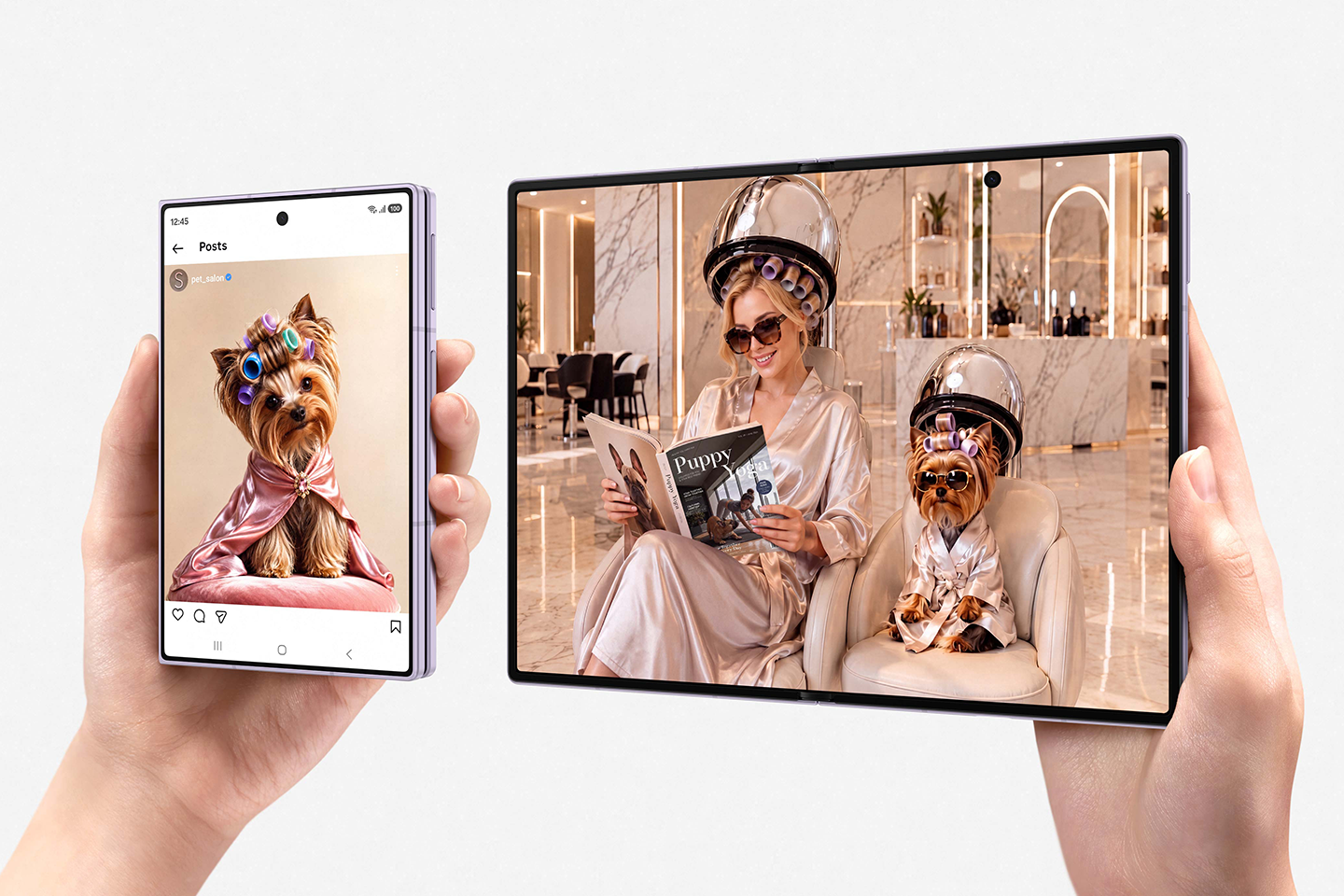
The Z Fold 8 Ultra has the same basic form factor as the last few Samsung tablet-style foldables. A 6.5-inch OLED on the outside is about the same ratio as a standard smartphone screen. Open it up, and you get an 8-inch display that’s roughly twice as wide. That makes the main display close to square.
While the Ultra’s display is perfect for running two phone apps side by side, it’s not ideal for content consumption. The 5.5-inch cover display on the wider phone has a chunky 10:16 ratio. Unfold it, and the Z Fold 8 becomes a 7.6-inch 4:3 display. This gives widescreen videos a little more breathing room with smaller black bars, and it’s allegedly an ideal shape for reading documents in portrait orientation. Both the Ultra and wide-body Folds are impressively thin at 4.1 mm and 4.5 mm (unfolded), respectively.
Samsung
Credit:
Samsung
Samsung’s larger foldables should have noticeably better battery life. The Z Fold 8 has a 4,800 mAh cell, and the Ultra goes all the way to 5,000 mAh. The Z Fold 7, which slimmed down Samsung’s foldable silhouette considerably, only managed to fit 4,400 mAh. The Z Flip 8 is slightly slimmer than past devices of its type, and the battery capacity remains at 4,300 mAh. Samsung has mercifully improved charging speeds this year, but only for the tablet-style foldables. Both those phones now max out at 45 W instead of 25 W, where the Z Flip 8 remains.
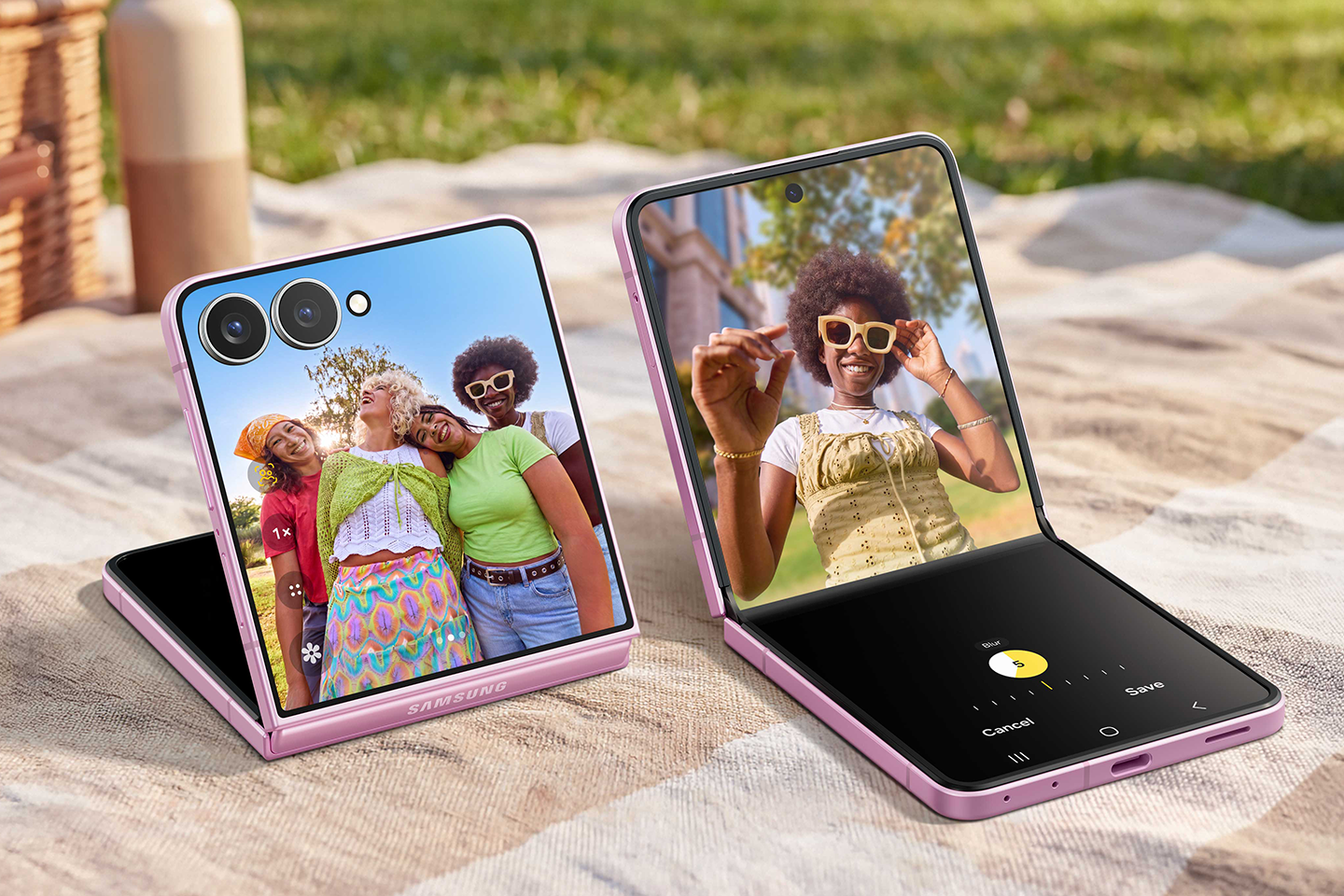
All of Samsung’s new foldables feature a design element the company calls “Flex Titanium.” No, it’s not going back to titanium frames. Flex Titanium consists of a titanium alloy film under the flexible OLED panels. Samsung says this makes the screen more resistant to impact and smoother to open, and it reduces the visibility of the dreaded foldable crease. There’s also a new low-reflection finish on the displays that should make them more usable outdoors.
If you want that wide screen, you’ll have to compromise on cameras. The Ultra has a triple lens setup like last year’s big foldable: a 200 MP primary, a 10 MP 3x telephoto, and a 50 MP ultrawide. The Z Fold 8 has only two rear cameras: a 50 MP primary and a 50 MP ultrawide. The Flip 8 has the same primary but swaps in a 12 MP sensor for the ultrawide.
Samsung
Credit:
Samsung
The new phones will ship with Android 17 and One UI 9, which Samsung says has been further optimized for the AI era. Now Brief can make more suggestions, including for security and privacy insights. That could potentially mean more alerts from Now Nudge, which proactively offers AI help across the device. The phones also ship with Gemini Notebook (formerly NotebookLM), with support for enhanced foldable multitasking.
The price hikes this year aren’t that much in the grand scheme, but Samsung’s foldables were already very expensive. The Ultra and Flip are only $100 more than their 2025 counterparts, but foldables were already seeing price bumps even before the RAMpocalypse. A $1,200 price tag will make the Flip 8 a tough sell when Motorola has Razr phones for hundreds less, even if they aren’t as fast.
At $2,100, the Z Fold 8 Ultra will be the most spendy foldable in most markets, but anyone who’s going to spend $2,000 on one can probably justify another $100. Preorders are live today, and Samsung has enhanced trade-in values to help take the sting out of the prices. The phones ship on August 7.
Plus some new wearables
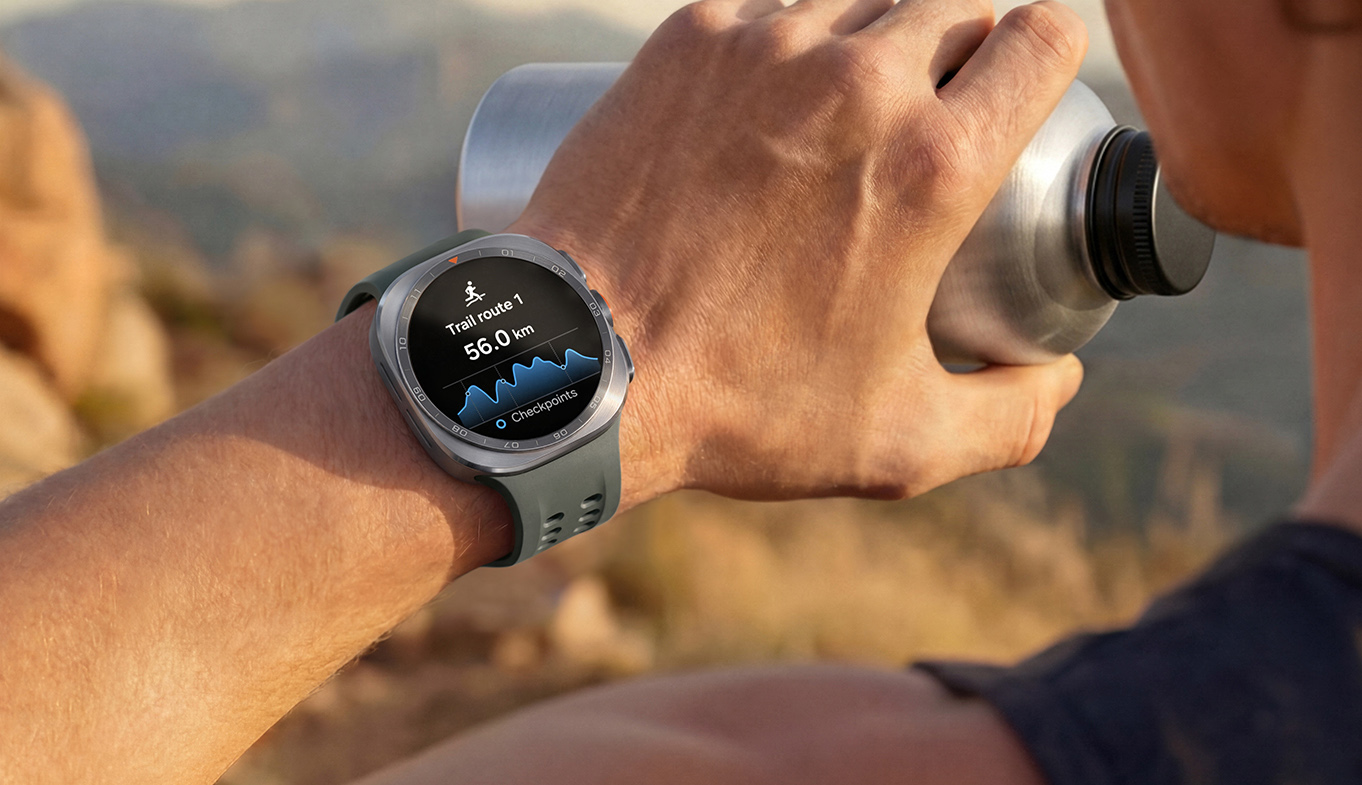
Samsung also has some new wearables to pair with its foldable trio. Like the phones, Samsung’s new watches have substantial feature sets and price tags. The Galaxy Watch Ultra 2 will cost a whopping $700, and the Galaxy Watch 9 will start at $380. Both are running on the Snapdragon Wear Elite platform.
Samsung
Credit:
Samsung
The Ultra 2 is, naturally, Samsung’s updated take on the Apple Watch Ultra. The device is larger than the Watch 9 at 47 mm, and it has a more rugged look. It has a titanium case, more battery capacity, and a brighter display, and it’s rated IP69K for water and dust. That equates to 10ATM water protection versus just 5ATM (IP68) for the Watch 9. Samsung says it expects to release a diving app for the Ultra 2 later this year.
The Galaxy Watch 9 comes in 40 mm and 44 mm case sizes. This watch is aluminum, featuring the squircle case design Samsung first debuted on the first Ultra watch. There will be LTE and Bluetooth versions of the watch—the version with mobile data starts at $430.
Like the new phones, Samsung’s watches are available for preorder today and will ship on August 7.