The Insta360 Luna Pro Gimbal Camera Aims to Take Down the Osmo Pocket 4
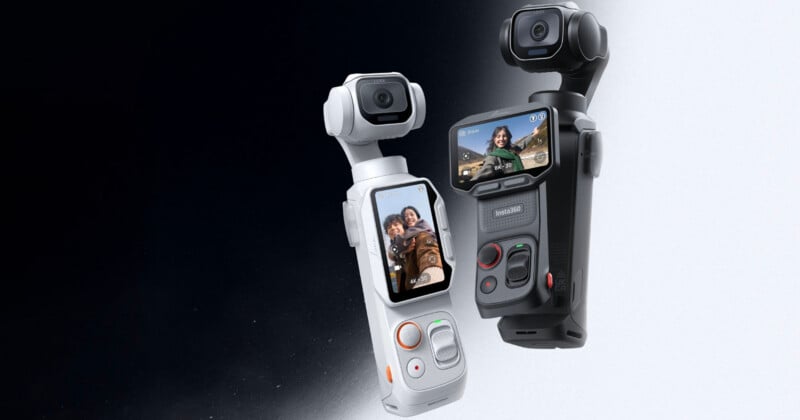
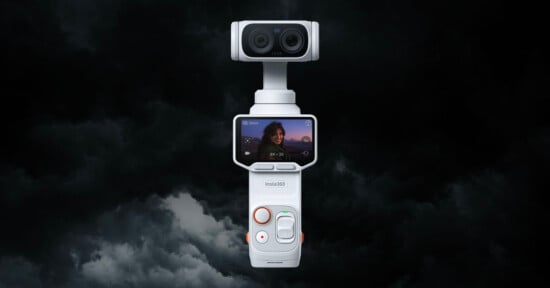
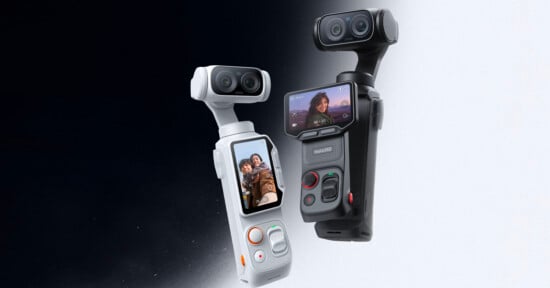
Insta360 has announced the Luna Pro, a slimmed-down, single-camera version of the Luna Ultra it launched earlier this summer. It maintains the Ultra’s biggest selling point (the detachable screen) while aiming down-market at the DJI Osmo Pocket 3 and 4.
Information is somewhat limited by this China-only launch (Insta360 is yet again opting for a staggered release starting in China and coming to the rest of the globe sometime later), but the company is calling the Luna Pro its “flagship gimbal camera” that was co-engineered with Leica. It’s unclear what Insta360 thinks “flagship” means when the Ultra exists, but that’s marketing.
The Luna Pro features a single Type 1 sensor — likely the same one featured in the main camera on the Luna Ultra — and promises the ability to capture 8K footage that can retain 4K resolution even when shooting vertically. The Osmo Pocket 3 and 4 can’t do that. On the Pocket 3, vertical footage has a maximum resolution of 3K (1,728 × 3,072) at up to 60p. The Osmo Pocket 4 doesn’t change that. Even the higher-end Osmo Pocket 4P can only capture up to 3K resolution footage in vertical orientation.
The Luna Pro also keeps the Luna Ultra’s most attractive feature: the detachable two-inch OLED touchscreen. It features HD transmission up to 20 meters away and has a built-in microphone, just like the Ultra. The Luna Pro also pairs directly with Insta360’s dedicated microphone.
Insta360 is also advertising “cinematic color” on the Pro thanks to support for Dolby Vision HDR, built-in Leica color profiles, and the ability to shoot in 10-bit I-Log with the promise of up to 14 stops of dynamic range.
The company is also promising “80mm portraits” at up to 4Kp60, driven by a 4x digital zoom. Users can pull 4K live frames from that footage that can be exported as photos as well.
The camera is powered by Insta360’s dual AI chip which it promises provides class-leading low light performance and accurate auto tracking for both single subjects and groups via its three-axis stabilized gimbal.
As this is a China-only launch, pricing and availability in other regions has not been announced. Given the timeline of the last Luna launch, expect global availability to follow sometime in the next one to two months.