The price of privacy
Motorola’s GrapheneOS phones will launch in 2027 priced higher than Pixels
The private Android-based OS will expand beyond Pixels next year.
Credit:
Motorola
Credit:
Motorola
Several months ago, Motorola and the makers of GrapheneOS announced a team-up that would expand support for the privacy-centric OS to beyond Google’s Pixel phones. The announcement, however, was bereft of details. Now, the creators of the OS have taken to Mastodon (naturally) to provide an update. Moto’s GrapheneOS phones are on track to launch in 2027, but they’ll cost a pretty penny.
The upcoming Moto devices won’t ship with GrapheneOS, but they will be fully supported by the project with help from Moto itself. So far, only Pixel phones have met GrapheneOS’s strict hardware requirements to ensure the highest level of security and privacy. The software, which is based on Android, includes features like enhanced memory protection, granular network permissions, customizable app sandboxing, and a duress code that can be used to wipe your phone. (That last one got an activist charged with a felony earlier this year after he used it to delete his data during a customs interrogation.)
According to the GrapheneOS team, the upcoming Moto phones will be premium flagship devices. The team expects pricing to be even higher than Pixel phones, which is saying something. The current Pixel lineup starts at $900 for the base model Pixel 11, a $100 increase from last year. The Pixel 11 Pro XL price has gone up to a whopping $1,300 this year.
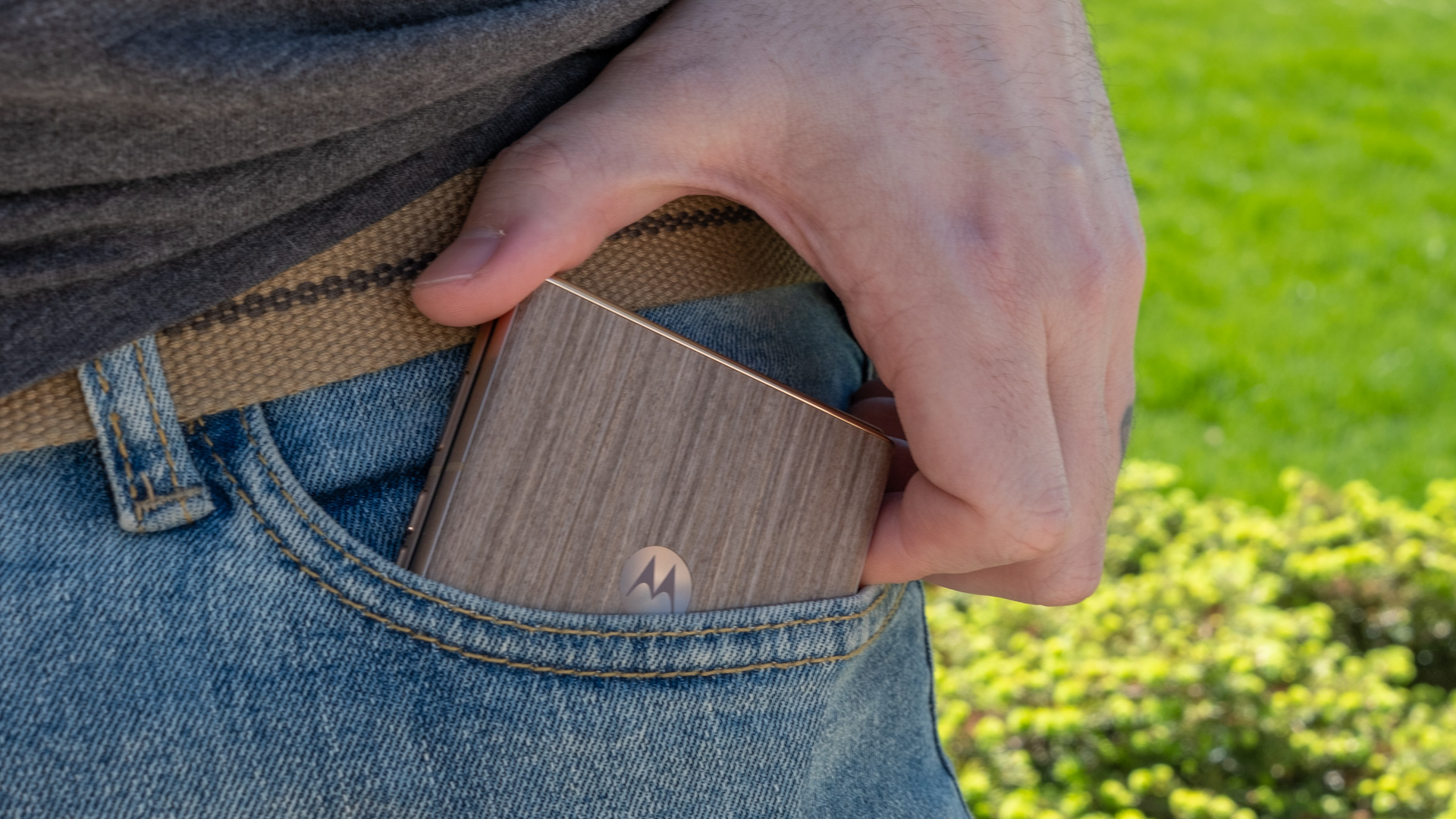
So these mysterious Moto phones will presumably be well over a grand. Motorola didn’t bother releasing new versions of its non-folding Edge phones in 2026, and if that trend continues, the 2027 devices may be foldables. That would help explain the high prices, and the ongoing AI-driven component price increases can’t be helping either.
While Motorola makes plenty of budget devices in the Moto G line, those devices aren’t a viable option. GrapheneOS has supported Pixels because Google’s Tensor chips provide the necessary security features, but not all Qualcomm chips offer the same capabilities. Only Qualcomm’s most expensive 8-series processors are comparable from a security standpoint, and those only go in expensive flagship smartphones.
Ryan Whitwam
Credit:
Ryan Whitwam
It’s possible that cheaper Moto phones could eventually get GrapheneOS support, but the developers don’t see that happening any time soon. Qualcomm’s mid-range chips don’t get the same level of support unless OEMs pay more, so Motorola would have to commit to that on a wider range of products. As it stands, Motorola only offers update support for a couple of years on budget phones, which isn’t sufficient for GrapheneOS.
Motorola hasn’t confirmed a release timeline for these devices, but GrapheneOS should be available for them at launch. The installation process does require some technical expertise, but the project has a web-based USB installer for Pixel phones. It will probably offer similar resources when the Motorola devices arrive.