Sony Is Utterly Dominating the Global Image Sensor Market
Alongside an in-depth digital camera market share breakdown, the annual Nikkei Industry Map also analyzes global market share for many other industries, including digital image sensors.
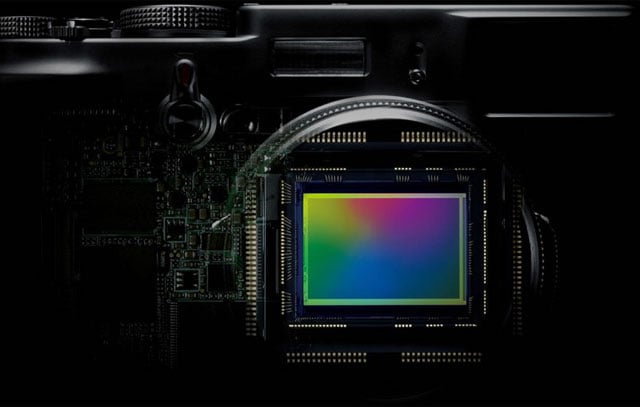
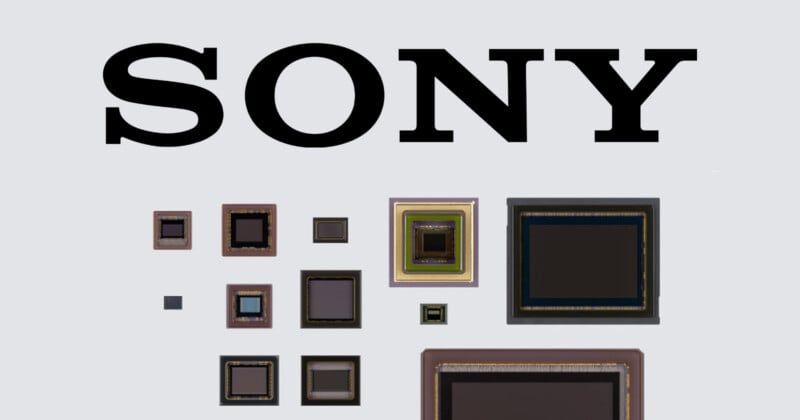
In the digital camera market, Canon has a commanding lead over second-place Sony, 45.7 to 24.6 percent. However, the image sensor space, as reported by Digital Camera Life, is squarely Sony’s domain. As dominant as Canon is in the digital camera market overall, Sony is even more dominant in the image sensor market. Sony held 53.6 percent of the global image sensor market last year, up 1.2 percentage points from the year prior. Sony is over 40 percentage points ahead of the second-place company.
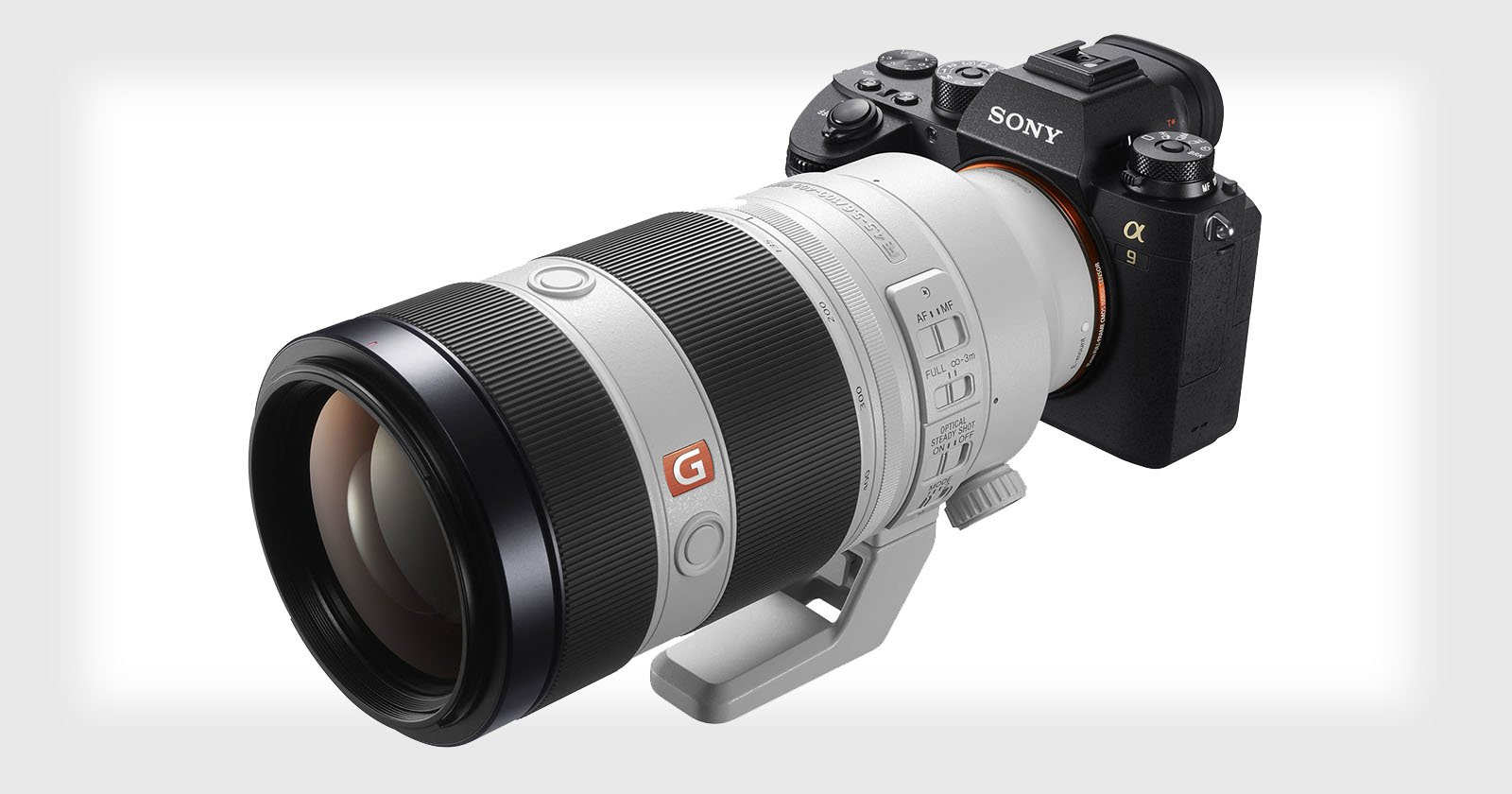
Obviously, part of Sony’s image sensor business makes sensors for its own cameras, including Alpha interchangeable lens models, cinema cameras, and Sony Xperia smartphones. However, Sony also makes image sensors for other camera makers and many smartphones.
The most notable camera company that does not use Sony image sensors is Canon, which famously makes its own.
“You’re right, the development of sensors requires a lot of investment but Canon is going to stick to the current direction, which is to continue to invest in our in-house sensor development for use on our cameras,” Go Tokura, executive vice president and head of the Imaging Group at Canon told PetaPixel last year.
Shedding a bit of light on just how big smartphones are for the global image sensor market, Canon, despite making sensors for its own cameras and having the largest digital camera market share by a large margin, is nowhere to be found in the image sensor market breakdown. Canon is captured by the “other” category, which comprises 10.3 percent of the global image sensor market.
After Sony, OmniVision is surprisingly next, with a 13.4 percent market share. Historically, it has been Sony and then Samsung, but not this time.
OmniVision is a Chinese image sensor and semiconductor company formerly known as WillSemi. OmniVision comes up quite frequently in PetaPixel reporting on smartphones. The company was the first to make a smartphone sensor with 100% PDAF coverage in 2021 and more recently, just last year, promised the smartphone industry’s highest dynamic range.
Although Xiaomi keeps things close to its vest, the main camera in the excellent Xiaomi 17 Ultra uses an OmniVision LOFIC image sensor. The phone’s other cameras use Samsung image sensors, by the way, and the South Korean tech giant still has a 13.2 percent global image sensor market share.
While the future is impossible to predict, there is ample reason to believe Sony will remain a very strong competitor in the image sensor space in the coming years. Following up on an extremely profitable year, Sony and TSMC just forged a new strategic partnership to make Sony’s next-generation image sensors. Sony is not resting on its laurels by any stretch of the imagination.
Image creditsSony
Affiliate Disclosure PetaPixel articles may include affiliate links; we may earn a commission if you buy through one.