we’re back
F1 in the Netherlands: The driver you most want to beat is your teammate
Formula 1 returned from its summer break with this weekend’s Dutch Grand Prix.
Credit:
EYE4Images/NurPhoto via Getty Images
Credit:
EYE4Images/NurPhoto via Getty Images
After months of rumors surrounding his future, now we know: Four-time champion Max Verstappen is staying in the sport for the foreseeable future. The news broke on the eve of the Dutch Grand Prix, held this past weekend at Zandvoort in the Netherlands as F1 returned from its mandatory summer vacation.
Verstappen’s wasn’t the only contract news—Williams will keep both Alex Albon and Carlos Sainz, too. More than once I’ve noticed a driver having an underwhelming weekend following a freshly signed contract; in this case, all three had a weekend they’d probably rather forget. They weren’t the only ones, though. Up and down the grid, we saw friction between teammates. And there’s no one an F1 driver wants to beat more than the only other person to have the same car as they do.
Formula 1 returned from its summer break with this weekend’s Dutch Grand Prix.
One of the things that sets F1 apart from most other disciplines in motorsport is the constant in-season development of the cars. A team might start the year with the best car and a commanding advantage over its rivals, but others can and will catch up. The 2009 season is a good example of this; Brawn GP started the year with at least a second a lap in hand over the rest of the grid, and Jenson Button built up a big early lead in the championship after winning five of the first six races.
Kym Illman/Getty Images
Credit:
Kym Illman/Getty Images
That was the last race he’d win all year. The team was operating on a shoestring budget and simply couldn’t afford to upgrade its car. Button’s teammate Rubens Barrichello would win two more races for Brawn that year, but by year’s end, Red Bull and McLaren had both caught up with, then eclipsed, Brawn’s pace. The following year, Brawn GP was bought by Mercedes, the money spigot turned on, and, once the hybrid era began in 2014, the championships started flowing.
Ironically, there might be a danger of something similar happening again. After never really getting a handle on the ground effect regulations (2022–2025), Mercedes put a lot of effort into starting the 2026 rule set as it did in 2014, with the most powerful hybrid power units and a chassis that could exploit them. And it did, winning the first six races in a row. But the car has been plagued with unreliability, most of it affecting George Russell and not Kimi Antonelli (who now, like Button in 2009, has a commanding lead over everyone else in the driver’s championship).
And unlike in 2014, Mercedes can’t just throw money at the problem. F1 teams now operate under a strict cost cap of $215 million (plus a little extra if they’re permitted an engine upgrade as was announced in Monaco), and this weekend Mercedes team boss Toto Wolff told journalists, “We haven’t got the money to put developments on the car. I said before that we are trying to evenly split that through the season based on our calculations of when we can bring the biggest updates and optimizing the championship points. But we just can’t do what we can’t do.”
Peter Fox/Getty Images
Credit:
Peter Fox/Getty Images
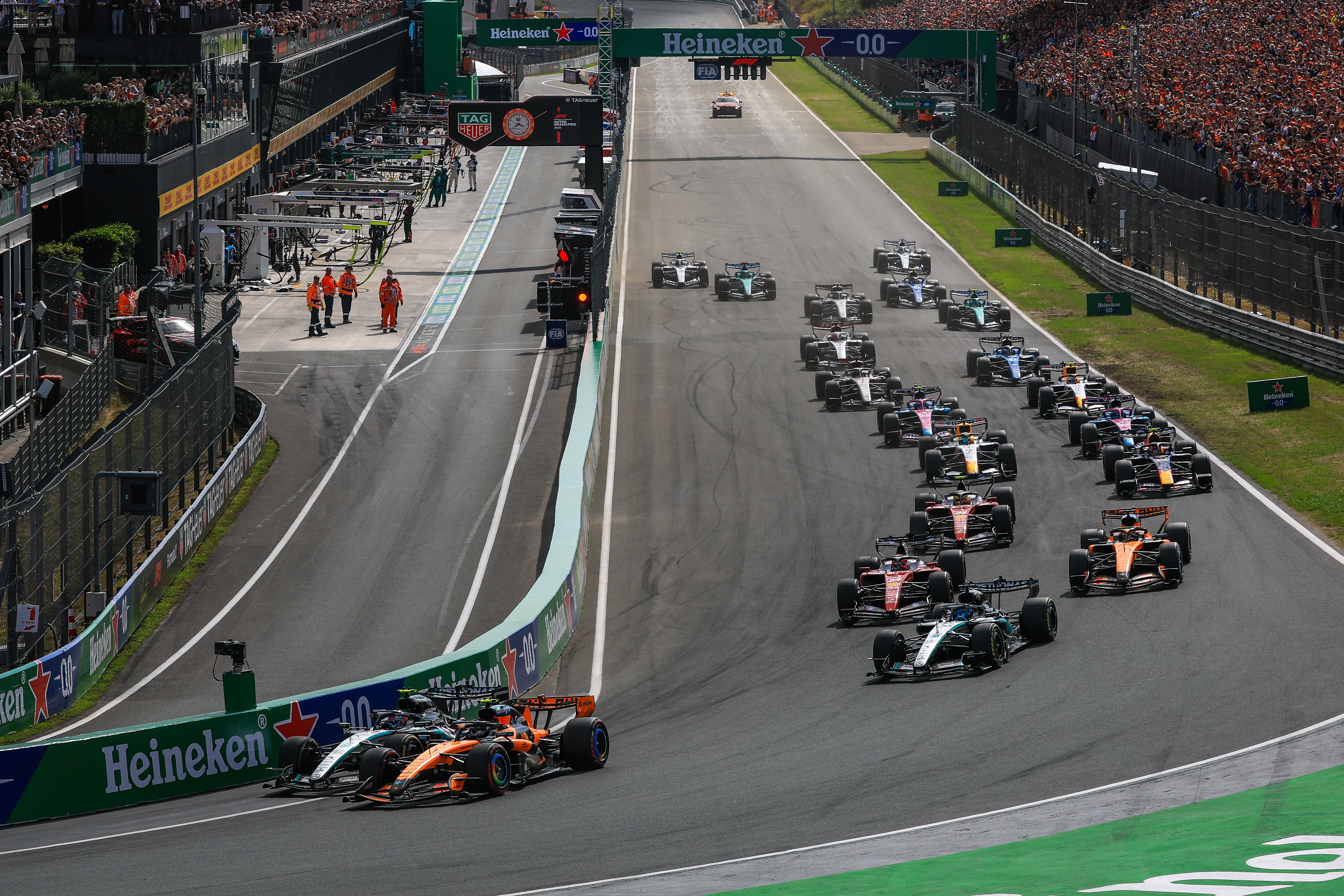
Indeed, at Zandvoort, Mercedes was fast, but so too was McLaren, which has now proven its ability to bring upgrades to the track that work as intended across both the ground effect era and now this one. And in the hands of Lando Norris, the orange-and-black McLaren was fast enough to hunt down and pass Antonelli before winning by almost 12 seconds.
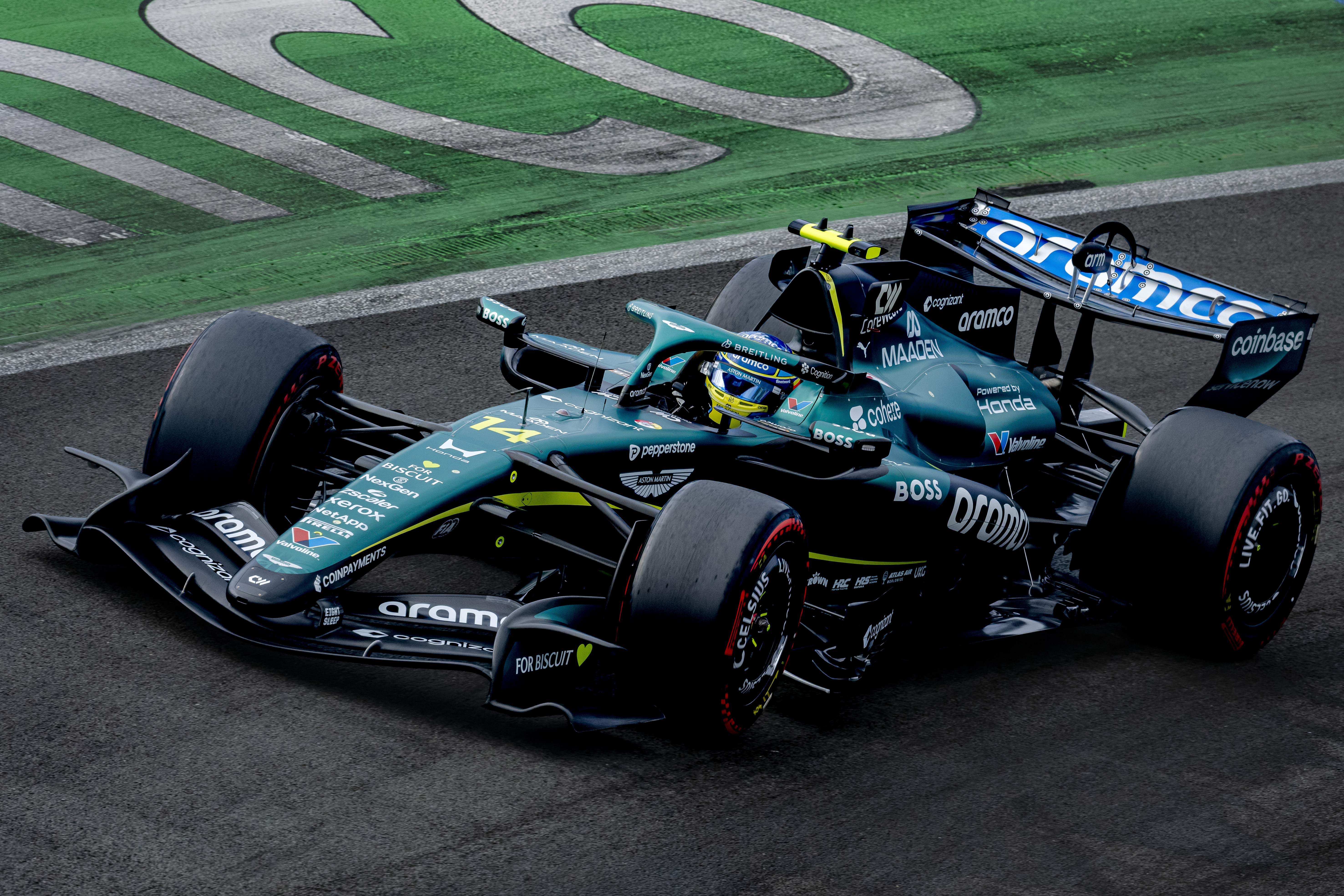
Alpine brought plenty of upgrades to Zandvoort, as did Ferrari and McLaren. And at Hungary, just before the break, Aston Martin finally dragged itself into the midpack. A Honda engine upgrade arrived this weekend that has helped close the gap a little more. Fernando Alonso told journalists that “we used to be 4.5 seconds average on the gap to the leader, so we improved three seconds in two races,” and the veteran driver finished in the points for the second time, coming home on Sunday in ninth place. But Honda still has work to do, according to Alonso’s teammate Lance Stroll, who complained about poor drivability and a gearbox that would sometimes reject instructions to downshift.
Got to beat my teammate
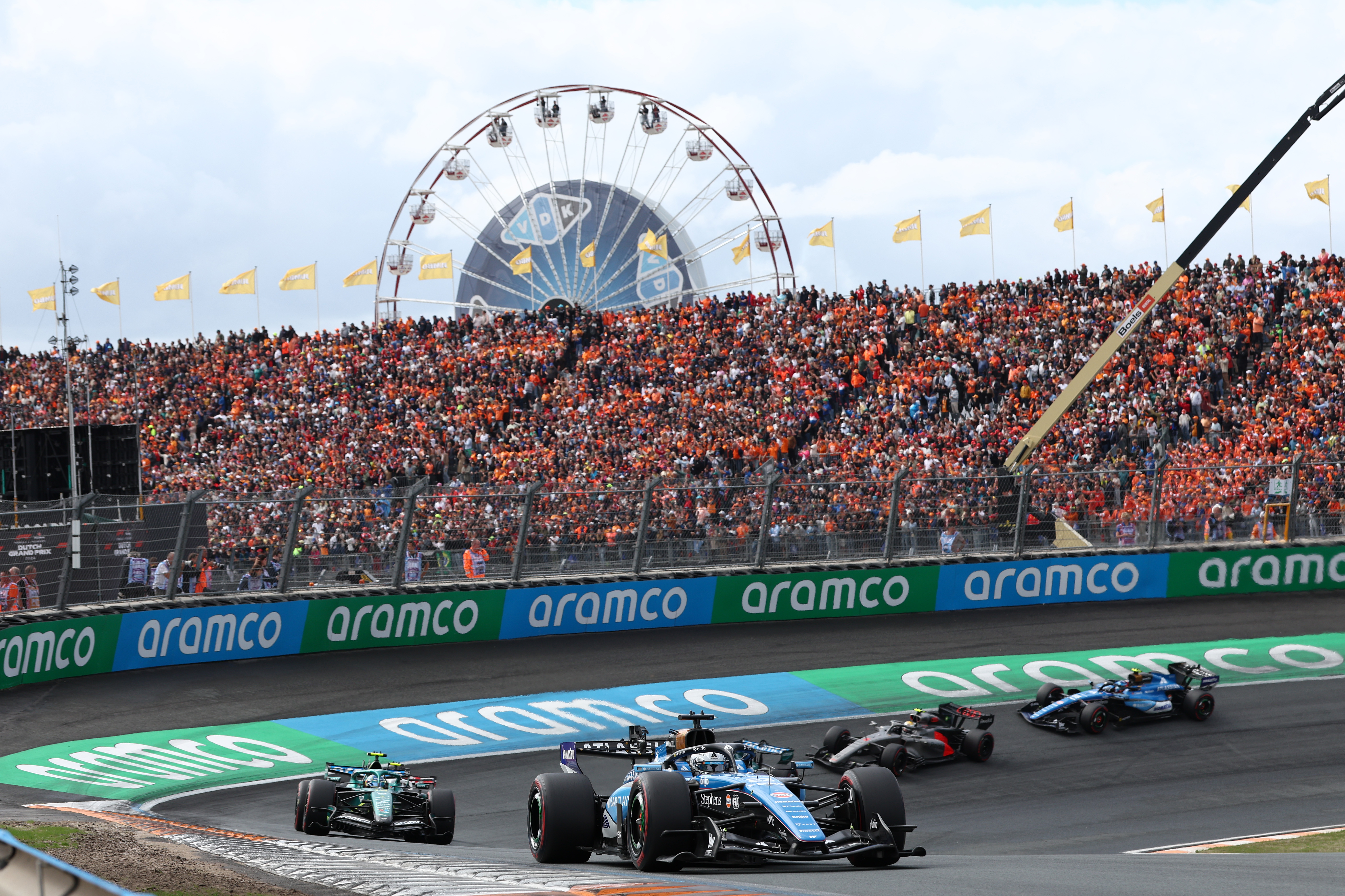
An F1 driver’s most direct measure of performance is the person on the other side of the garage. Which means that intra-team dynamics can often get fractious. Relations between Albon and Sainz at Williams actually seem rather good, at least from the outside, but it didn’t stop the pair from colliding after Sainz got unsettled by a bump and locked his brakes while the two cars were side by side, ending Albon’s race.
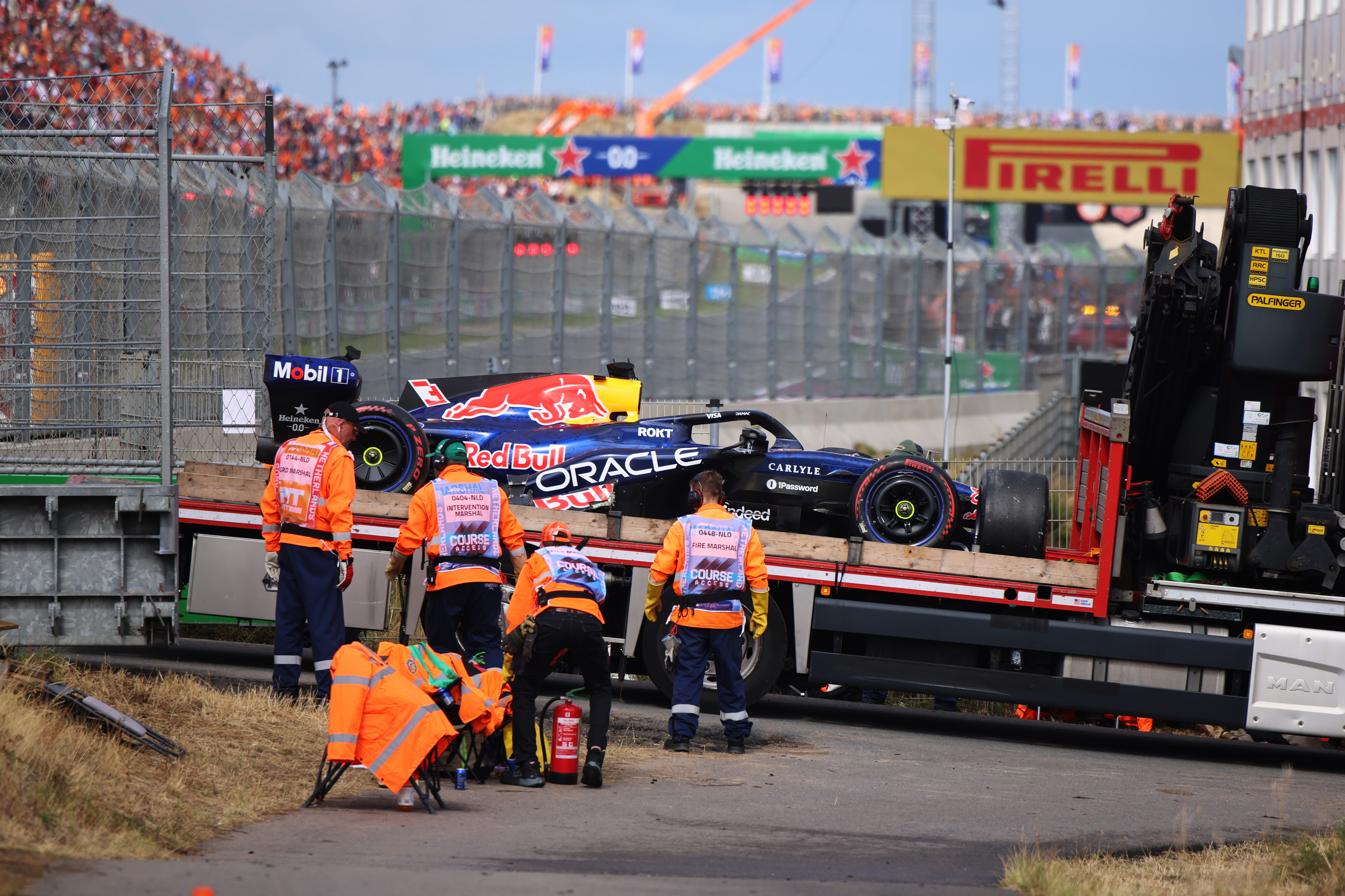
The Audi pair almost had a similar problem when Gabriel Bortoleto spun on a greasy but drying track that also caught out and wrecked Verstappen on the opening lap. Quick reactions by Nico Hulkenberg meant the silver, red, and black cars did not exchange paint.
Anni Graf – Formula 1/Formula 1 via Getty Images
Kym Illman/Getty Images
Anni Graf – Formula 1/Formula 1 via Getty Images
Kym Illman/Getty Images
Other driver pairings were less pleased with each other. Russell was told to move over for Antonelli on lap 65 as Mercedes figured the young championship leader had a better chance of beating Norris’ McLaren. But the Mercedes finished second and third, with Antonelli ahead and now with an even greater lead—59 points—over Russell.
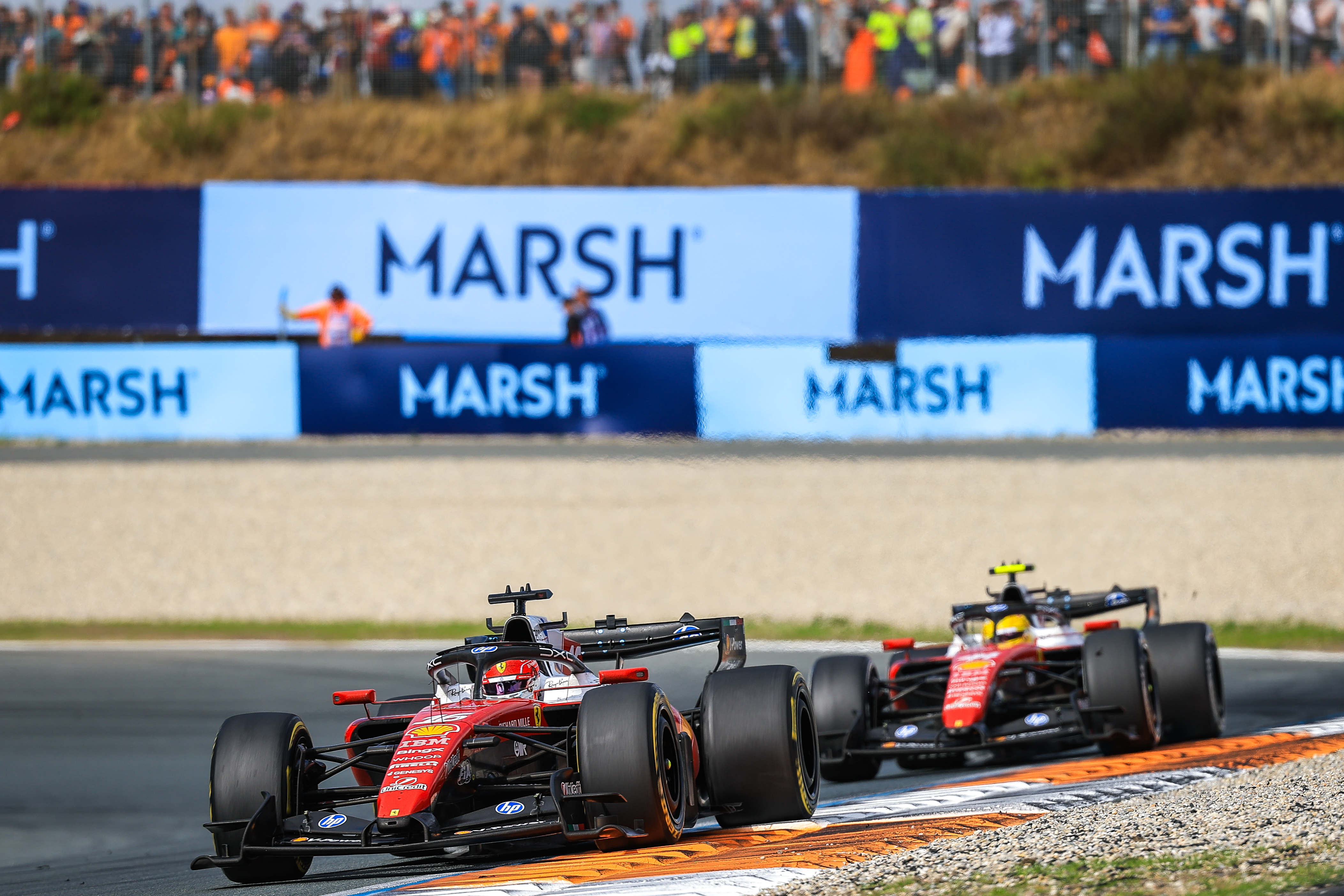
Lewis Hamilton is also 59 points behind Antonelli, having finished fourth ahead of his teammate at Ferrari, Charles Leclerc. Like Mercedes, Ferrari issued team orders, instructing Leclerc to pit so Hamilton, who was on a different strategy, could maximize the use of his tires. But Leclerc stayed out for several laps, aggravating Hamilton in the process. “Great way of wasting time guys, good job,” Hamilton told the team over the radio.
F1 now heads off to Monza for the Italian Grand Prix in a couple of weeks, as do I, but there might not be a race report, as this time it’s an actual vacation.