Experts Claim Gerda Taro Took ‘The Falling Soldier’, Not Robert Capa
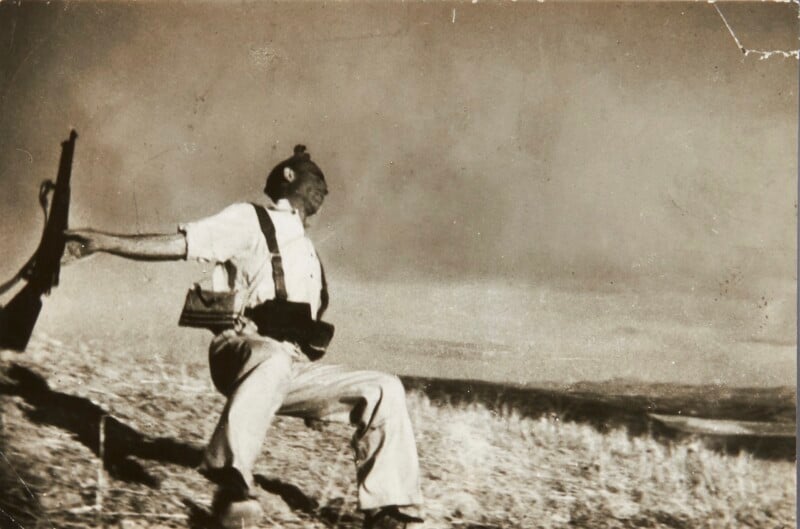
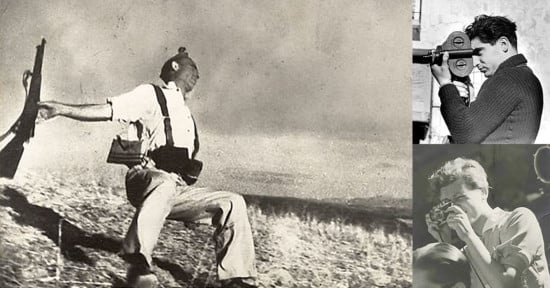
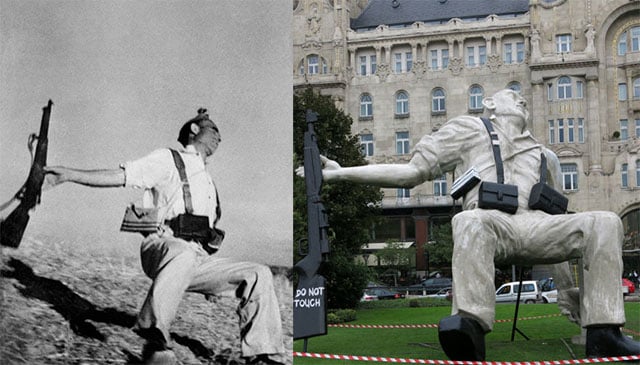
Robert Capa’s The Falling Soldier photograph has been mired in controversy for decades, dogged by claims that it was staged and that Capa falsified the caption information. Despite this, it remains an iconic image in the pantheon of photojournalism.
Taken during the Spanish Civil War on September 5, 1936, Capa claimed the photo depicted the moment a Republican soldier was shot in the head by a “fascist bullet” as he charged forward during the Battle of Cerro Muriano. It caused a sensation when it was published in LIFE magazine.
However, it has been long-established that the photograph wasn’t taken on Cerro Muriano. In 2009, José Manuel Susperregui concluded that the photo was taken about 30 miles away near Espejo, where no battle was taking place on the day it was taken.
It wasn’t unusual for photographs to be staged during the Spanish Civil War, a conflict that restricted war photographers’ access to the front.
Did Gerda Taro Take ‘The Falling Soldier’?
These theories have taken decades to come out, but now there’s another one emerging: that Robert Capa didn’t even take the photograph.
In a recent interview with The Telegraph, archeologist and historian Fernando Penco, who is curating an exhibition at the University of Córdoba to mark the 90th anniversary of the photograph, says he is “convinced” that it was Gerda Taro, Capa’s lover and collaborator, who took the photo.
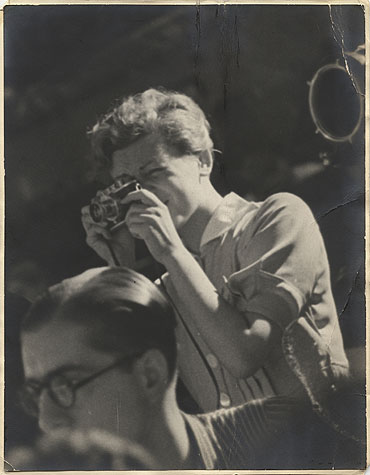
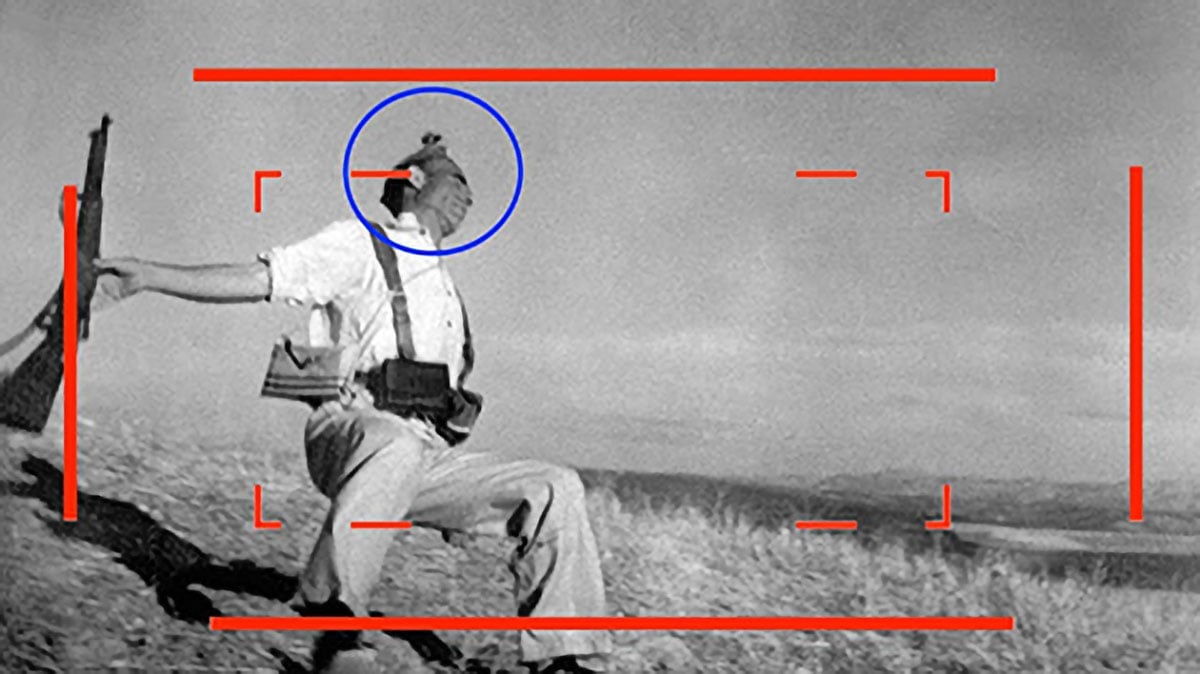
Penco points to the International Center of Photography in New York, which holds the Capa Archive, and revealed last year that The Falling Soldier was made on a medium-format 6×6 camera.
On that particular day, Capa shot with a 35mm Leica, while Taro shot with a Reflex Korelle 6×6 camera. Penco says he has even found photographs of Taro holding her Reflex Korelle on the same day the photo was taken.
“For me, everything hinged on one premise,” Penco tells The Telegraph. “If the photo was taken with the Reflex Korelle, we would have to seriously reconsider whether Taro took it.”
While the negative for The Falling Soldier has never been found, Penco says all other square-format photos that exist from Espejo that day have been attributed to Taro.
“I have found photographs taken by Capa with Taro holding her Reflex Korelle earlier that day in Villa del Río, from where they headed off to the front. Taken together, I think this is strong proof that it was she who took The Falling Soldier,” says Penco.
Taro and Capa worked closely together after meeting in Paris in 1935. In fact, Robert Capa was initially a fictional photographer invented by the two Jewish immigrants fleeing the Nazis. The pair wanted a more American-sounding name so they could sell into the lucrative U.S. market. Eventually, Capa, who was born Endre Friedmann, fully assumed the name Capa, while Taro, who was born Gerta Pohorylle, adopted Gerda Taro.
Last week, a movie about Taro premiered at the Venice Film Festival. Taro died while covering the Spanish Civil War; she is believed to be the first female photojournalist killed while covering war.
Affiliate Disclosure PetaPixel articles may include affiliate links; we may earn a commission if you buy through one.