Beyond Golden Hour: How to Take Better Landscape Photos All Day
Shortly after sunset, the viewpoint parking lot at Grand Teton National Park begins to empty. The traffic moves on to the highway while photographer Matt Suess stays at the viewpoint. He keeps his attention on the western horizon, waiting for the color to appear. Thirty minutes later, color lights up the sky. Suess is the only photographer who stayed at the viewpoint long enough to take the photograph.
Full disclosureThis article was brought to you by OM SYSTEM.
See the PetaPixel Films documentary on Matt Suess as he explores Idaho’s Sawtooth Wilderness.
At a Glance
Beyond Sunrise and Sunset
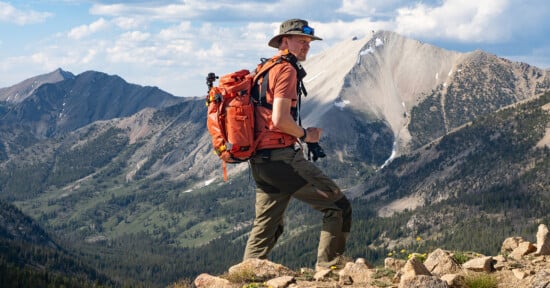
After the other photographers leave at sunset, OM SYSTEM Ambassador Matt Suess stays for blue hour.
“Most landscape photographers plan their days around sunrise and sunset,” Suess tells PetaPixel. “The rest of the day is drive time, scouting, or sleep.”
“Blue hour gets ignored a lot,” he continues. “At sunset, they’ll shoot until the sun drops below the horizon, then they’re gone. Even in the middle of the day, you can make good pictures if you find the right subject, but most photographers are back indoors at that time.”
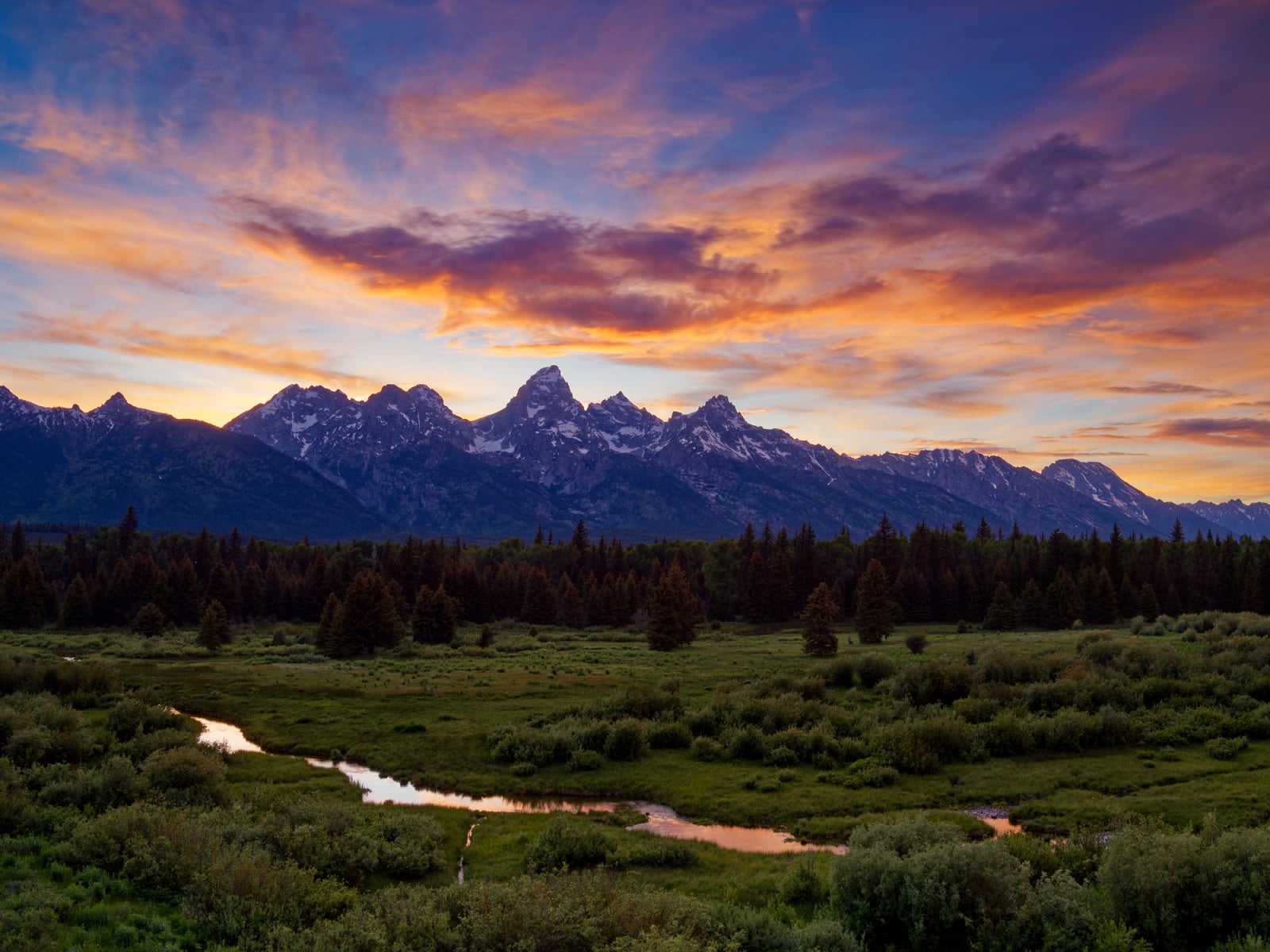
OM-5 • M.Zuiko Digital ED 12-100mm F4.0 IS PRO • 15mm (30mm equivalent) • 1/5sec • f/9.0 • ISO 200 • High Res Mode
Before making nature photography his full-time work, Suess spent 17 years shooting newspaper assignments in whatever light came with them. Now living in Bozeman, Montana, Suess travels to places like Grand Teton and Badlands National Parks to lead landscape and night-sky workshops.
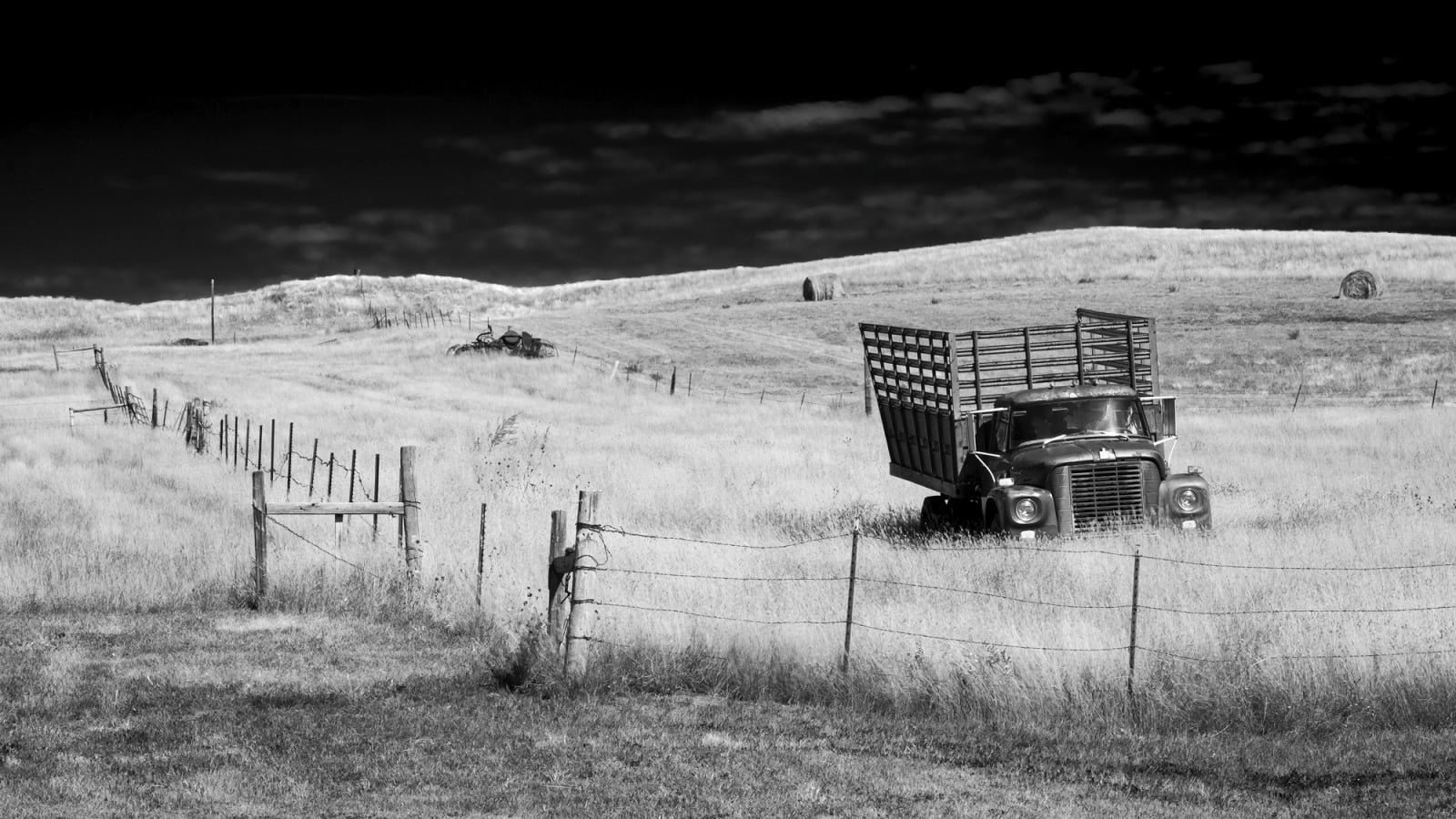
OM-5 • M.Zuiko Digital ED 12-100mm F4.0 IS PRO • 66mm (132mm equivalent) • 1/250sec • f/8.0 • ISO 200
Suess tells his workshop participants that he recommends every landscape photographer spend one full day shooting in a single location.
“If you have a full day, pick one place and stay there from before sunrise until after dark,” he says. “It puts you in light conditions you may not have worked with before, and that’s the point.”
Suess compares the challenge to carrying one prime lens, a fixed-focal-length lens with no zoom, because it forces photographers to find different frames.
“The rules are loose,” he clarifies. “You can try it in a national park or in the woods near your home. There are no gear rules, either. One lens or a full bag works. Time is the one thing you can’t compromise. Put in the hours everyone else skips, then see what turns up.”
Pick the Day Before You Pick the Spot
At midday, Suess watches clouds move light and shadow across the landscape. That is why he looks for variable weather before choosing a location and rules out a cloudless forecast.
“If I’m staying in one place from morning to night, I’ll skip clear skies and choose conditions with more variety,” he explains. “I want at least some clouds in the sky from sunrise through sunset. Midday is the hardest stretch because the light comes straight down. Clouds keep changing the light, so I have more to work with at midday than I would during clear skies.”
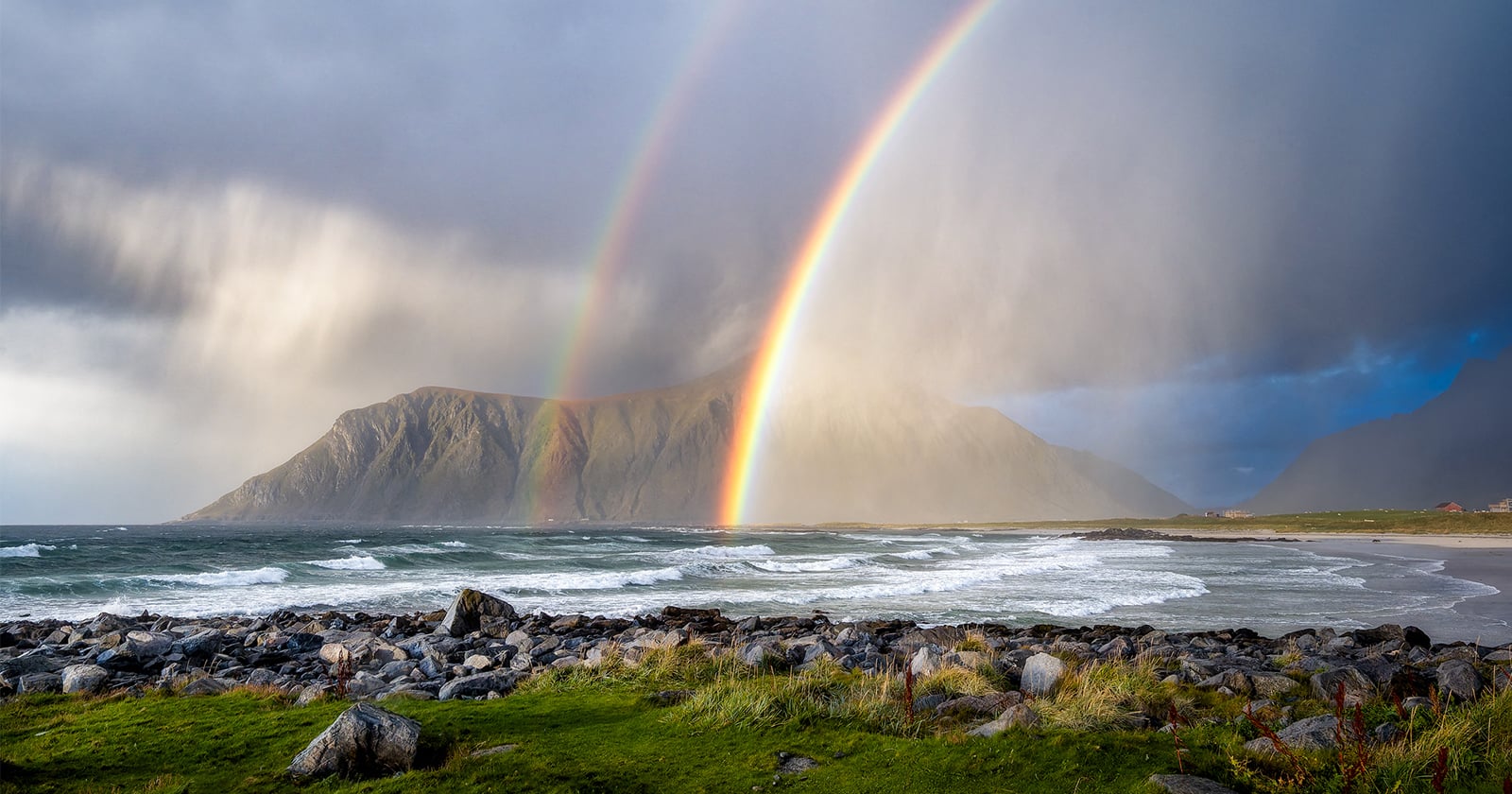
“Some of my favorite photos are from somewhat stormy days in the middle of the afternoon, when I have that sunlight that comes in and out of the storm clouds,” he adds. “If I’m at the top of the Grand Canyon, along a shoreline in Norway, or on a ridge in Badlands looking down and seeing that spotty sunlight hitting certain areas and not hitting other areas, that’s going to give me ample material to photograph all throughout the day.”
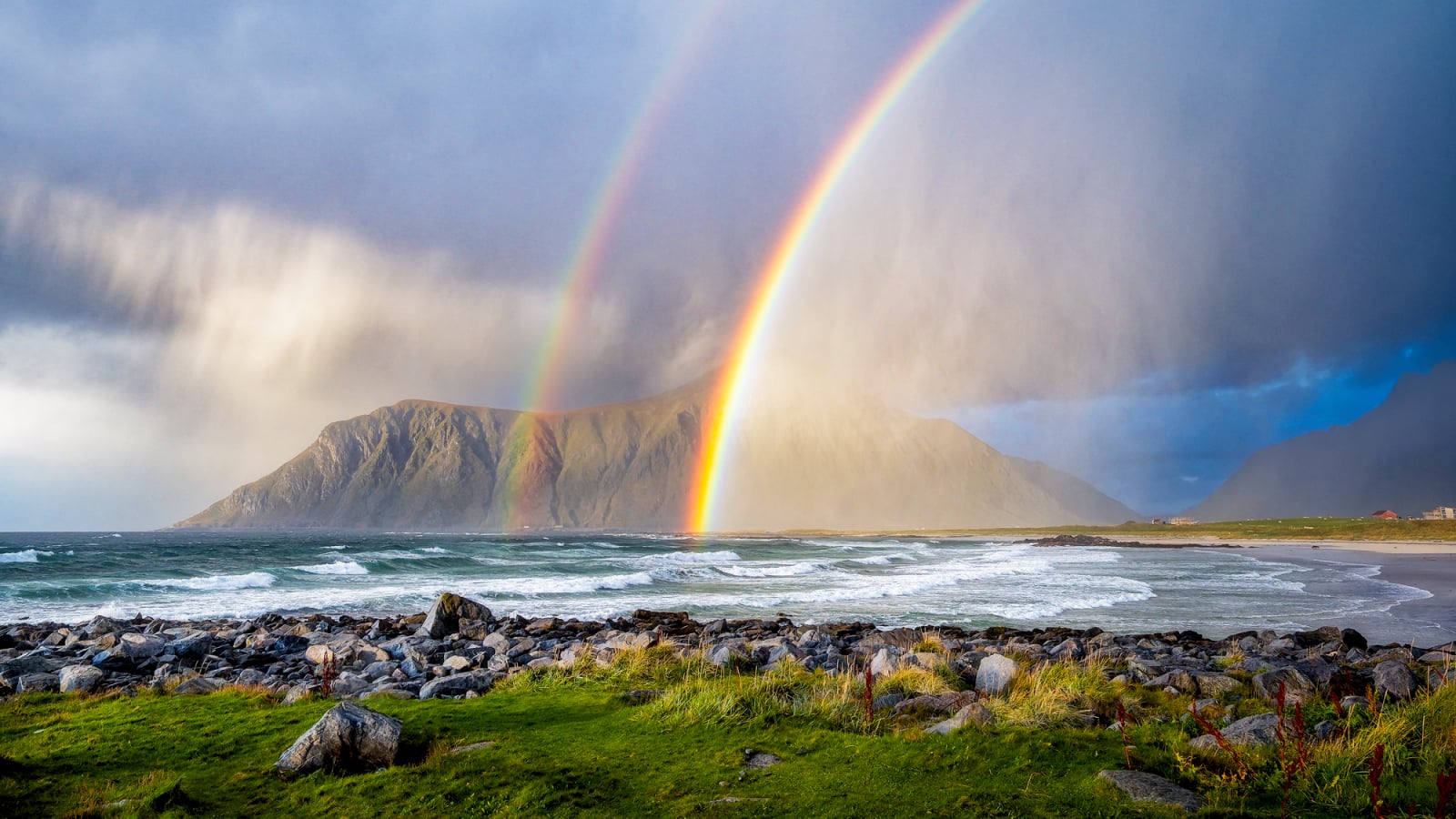
Next, Suess looks for a location with enough variety to keep him working all day. “A beautiful location by itself isn’t enough to guarantee success over a full day because I need enough variety to keep finding subjects after other photographers leave,” he observes.
“A national park gives you plenty to photograph, but for a tougher version of this challenge, start somewhere less obvious,” Suess recommends. “Go to a local park, or a stretch of Forest Service land. You have to work harder to find variety in places like that.”
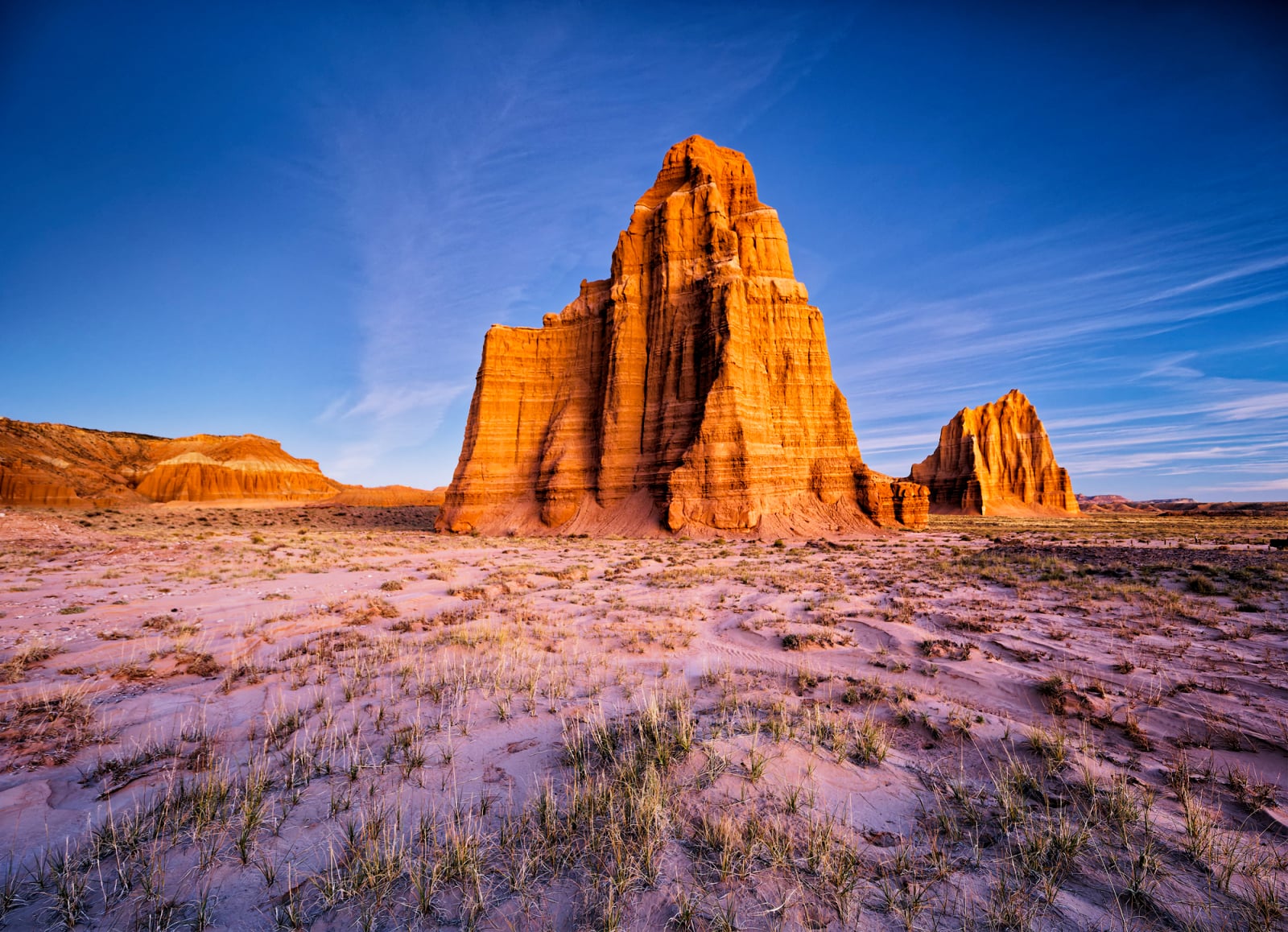
OM-5 • M.Zuiko Digital ED 8-25mm F4.0 PRO • 8mm (16mm equivalent) • 2.5sec • f/4.0 • ISO 250 • High Res Mode
For timing, Suess uses PhotoPills to check blue hour, sunrise, golden hour, and sunset. He then checks WeatherMate, Windy, and RadarScope for current weather, cloud cover, wind, and radar.
“A national park gives me a head start, but I still need the right light and a strong composition,” he notes. “I can’t just point the camera anywhere and expect the photograph to work. Whatever conditions show up, I have to work with them.”
Pack for Safety First
Before Suess chooses a lens, he tells someone at home where he will be and when he expects to return. He also packs a phone battery bank and satellite communicator.
“Safety is always the first thing I think about before I head into nature,” he stresses. “In bear country, that means bear spray. I also pack bug spray, sunscreen, plenty of water, and high-protein snacks. I trust the weather sealing on my OM-5 Mark II kit, so I focus on keeping myself dry instead. That means a waterproof jacket and boots, plus enough layers for a large temperature swing from day to night.”
Once the safety gear is packed, Suess adds the OM-5 Mark II and one lens, the M.Zuiko Digital ED 12-100mm F4.0 IS PRO.
“If I had to pick just one lens and I was stuck with it, I would take the 12-100mm,” he says. “That gives me a wide angle, a little bit of telephoto, and it’s good for some decent close-ups too. That would cover me quite well in most shooting situations throughout the day.”
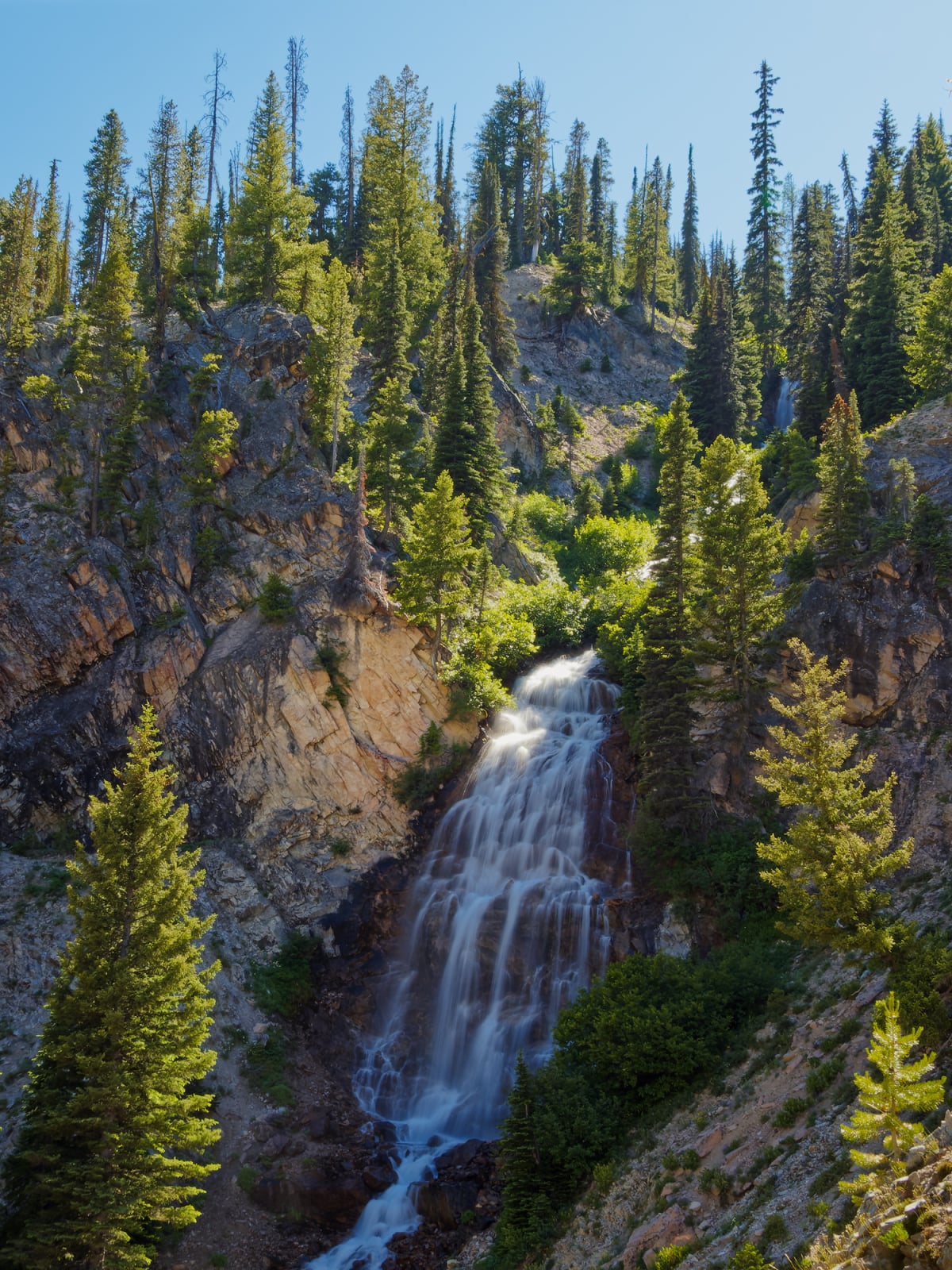
OM-5 • M.Zuiko Digital ED 12-100mm F4.0 IS PRO • 23mm (46mm equivalent) • 1/4sec • f/16.0 • ISO 400 • Live ND
A lighter camera kit leaves more room for clothing and safety supplies. “I would rather carry extra clothing and safety gear than another lens,” Suess emphasizes. “I may never need those supplies in an emergency, but I don’t want to discover I left them behind if I do need them. Once I know I’m prepared, I can stop worrying about the pack and pay attention to the landscape. That helps me stay focused on taking photographs, no matter the hour.”
Before the Sun
Suess begins before sunrise, when blue-hour light has reached the landscape but the sun remains below the horizon. The first test of his day is composition, before stronger color and directional light arrive.
“Before sunrise, I’m working with soft, low-contrast light and very little color,” Suess describes. “The scene can feel almost monochromatic, with everything falling into shades of blue. Without strong color or dramatic highlights and shadows to organize the frame, composition has to do more of the work. I look instead for differences in tone, texture, and detail. Those elements can lead the viewer from the foreground through the rest of the photograph.”
Prior to touching the camera, Suess studies the scene with his eyes alone. “When I arrive, I look around and notice what keeps pulling my attention,” he points out. “If I go straight to the viewfinder, I’m letting the camera define the scene before my creative instincts have time to respond.”
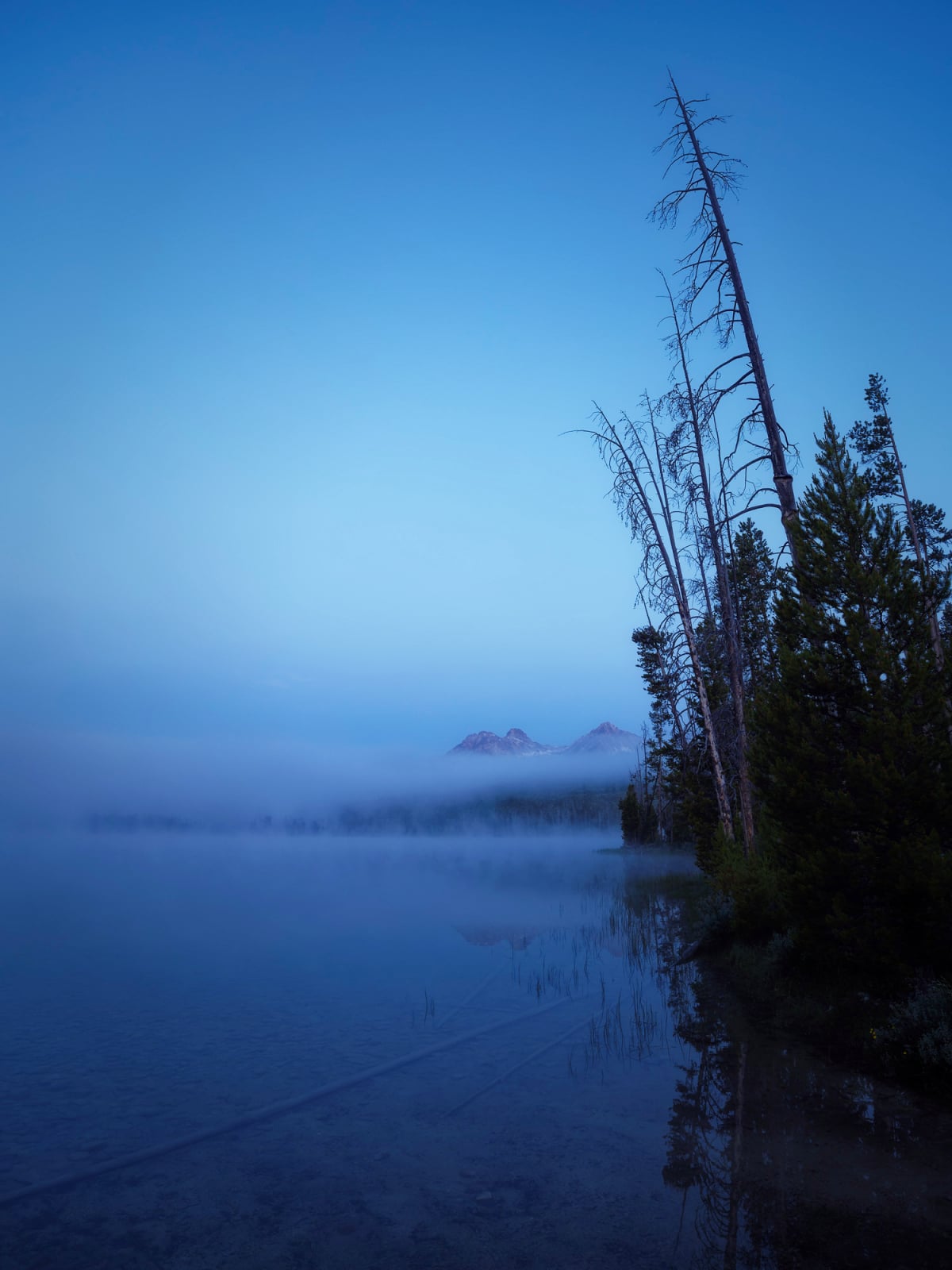
OM-5 • M.Zuiko Digital ED 8-25mm F4.0 PRO • 9mm (18mm equivalent) • 1/13sec • f/4.5 • ISO 320
He turns that pause into a short series of questions before the camera comes out. “If dead trees in the foreground lead toward a mountain, I ask myself which caught my attention first, the trees or the mountain,” Suess explains. “What photograph did I imagine before I reached for the camera? Maybe the answer is not the trees at all, but the mountain reflected in still water farther away. Only then do I pick up the camera. Now I can decide how to translate that first visual response into a photograph. The answer guides my focal length, camera position, and angle.”
Once the composition is set, Suess decides what the photograph cannot compromise: freezing movement or keeping the scene sharp from foreground to background.
“With wildlife, nine times out of 10 my non-negotiable is shutter speed,” he explains. “With a wide-angle landscape, my non-negotiable is the f-stop because I want depth of field.”
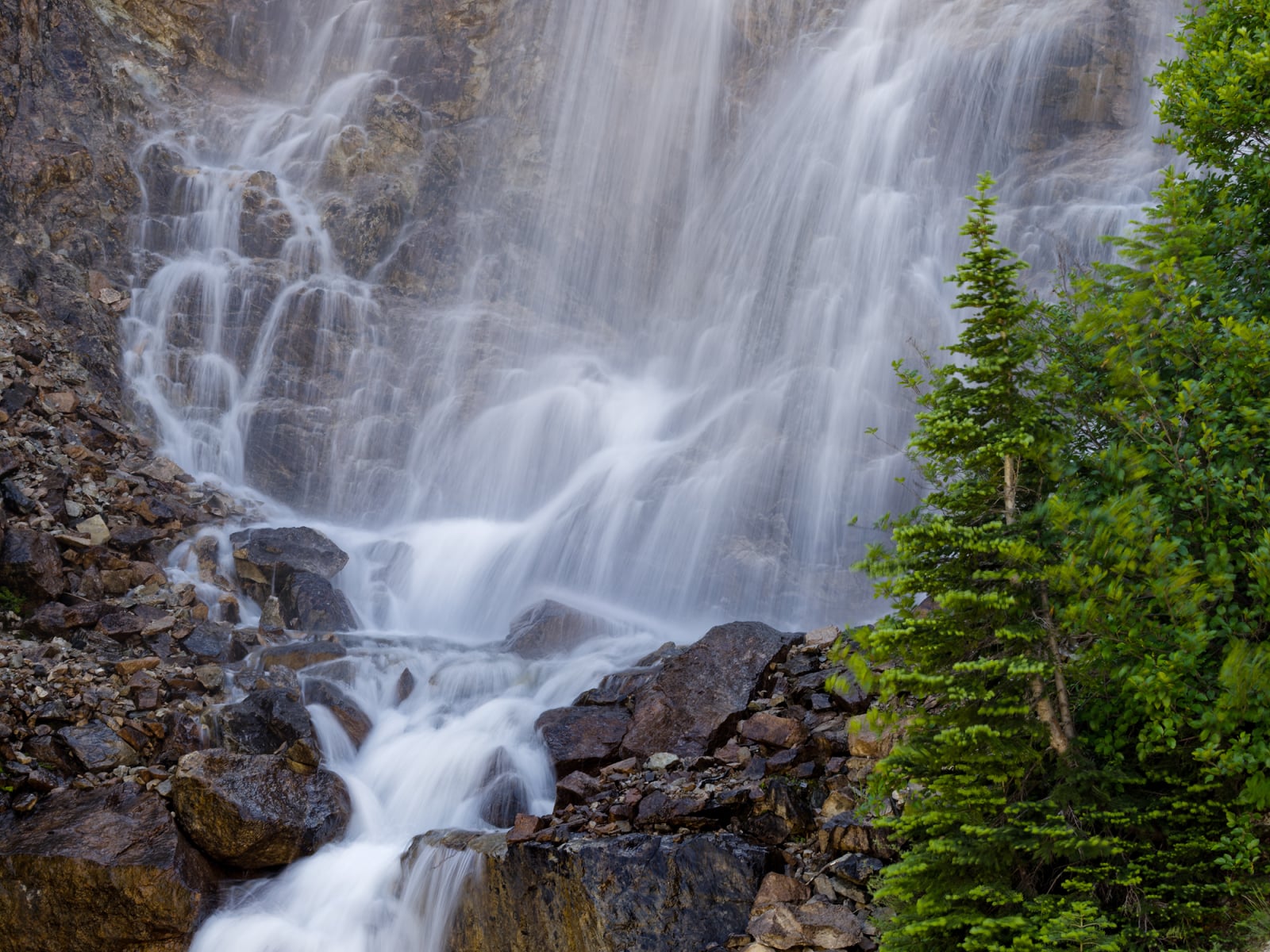
OM-5 • M.Zuiko Digital ED 100-400mm F5.0-6.3 IS • 123mm (246mm equivalent) • 1/4sec • f/11.0 • ISO 400 • Live ND
The OM-5 Mark II provides up to 6.5 stops of in-body image stabilization, which compensates for small camera movements and makes slower handheld shutter speeds more practical.
“OM SYSTEM’s image stabilization has earned my trust,” Suess says. “I’ve made a 10-second handheld photograph of the night sky with it. Even so, if I’m staying in one place for a while, I’m happy to set up the tripod. Locking the camera down lets me refine the composition with very small adjustments.”
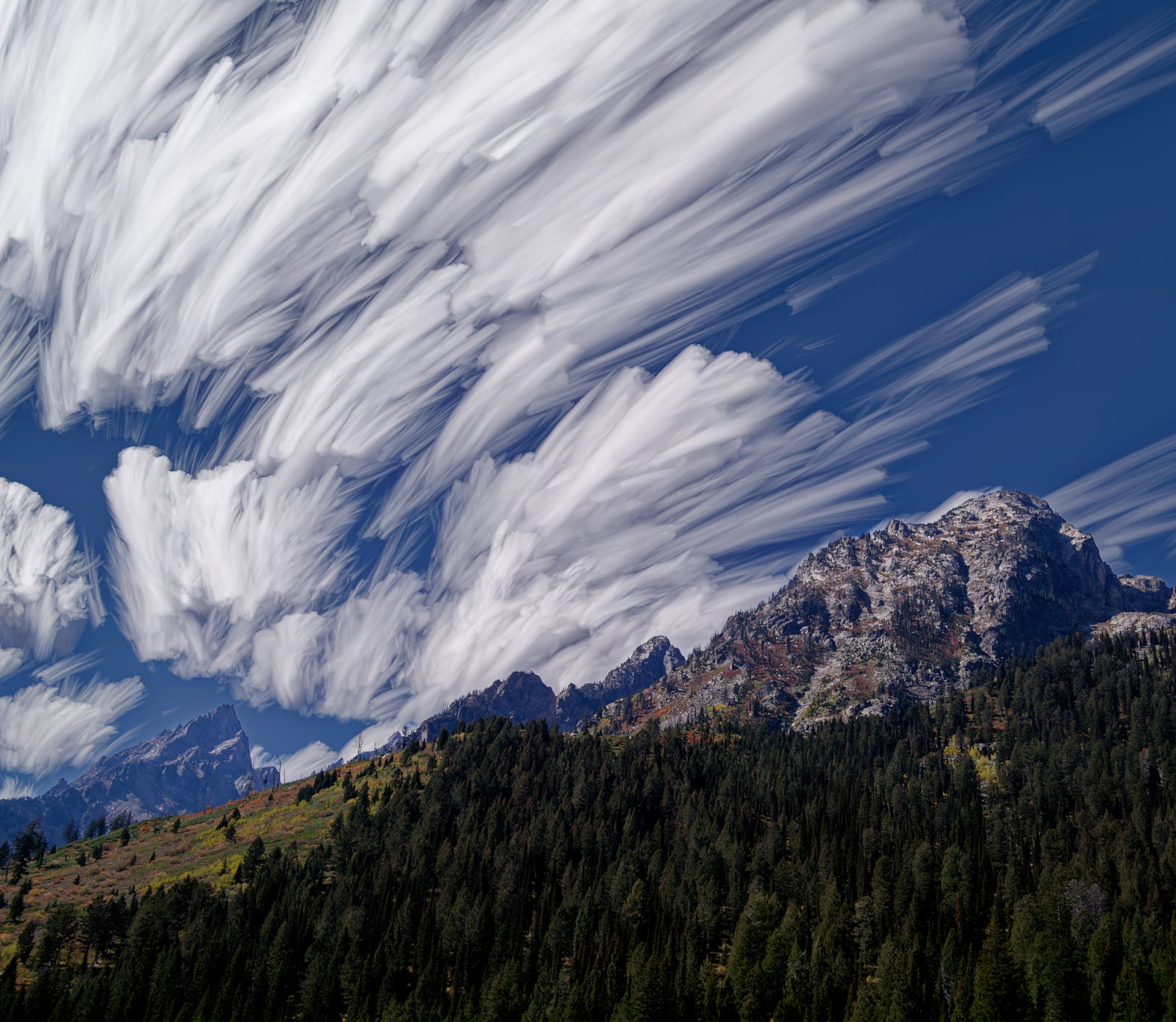
OM-5 • M.Zuiko Digital ED 12-100mm F4.0 IS PRO • 16mm (32mm equivalent) • 1/2sec • f/5.0 • ISO 200 • Live Composite
Distance and terrain also affect that decision. “If reaching the scene means hiking miles over uneven ground in the dark, I leave the tripod behind and trust the stabilization,” he adds. “At an overlook near the car, I’ll bring it because the extra control is worth the small effort.”
Sunrise and the Three-Shot Story
When the sun appears, Suess has to work quickly. After blue hour, the color he has been waiting for can shift or disappear within minutes.
“Once color enters the scene, I might balance warm light on a mountain against cooler tones in the lake below,” Suess describes. “I usually keep the foreground from becoming too bright in a wide landscape. A darker foreground can lead the viewer’s eye across the lake and toward the mountain.”
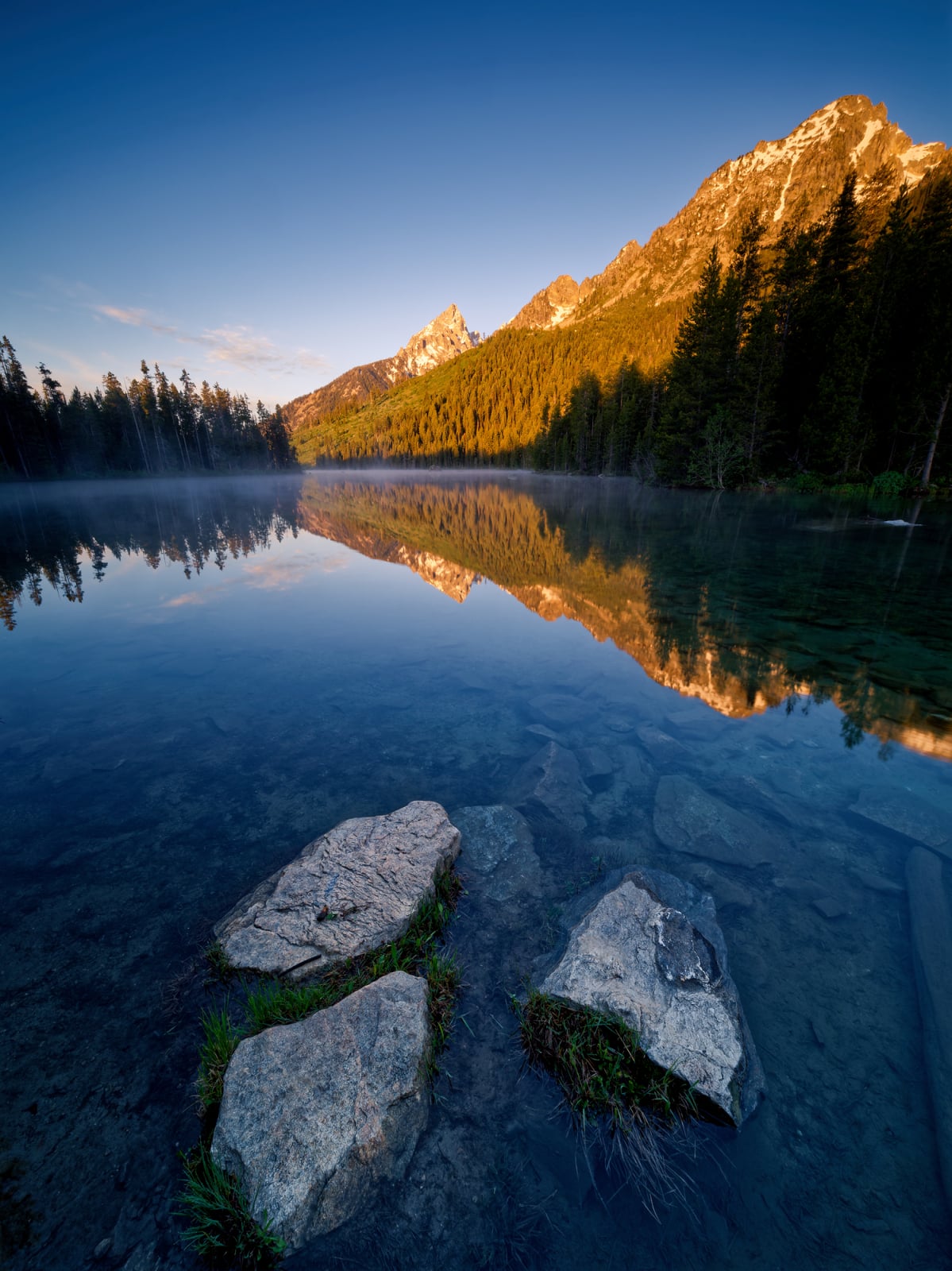
OM-5 • Laowa 6mm f/2 Zero-D MFT • 6mm (12mm equivalent) • 1/4sec • f/13.0 • ISO 200 • High Res Mode
Suess learned to work quickly in changing light during his years as a photojournalist. “A breaking-news assignment taught me to build a story in layers,” he recalls. “At a house fire, I would begin with a wide photograph that showed the whole scene. Once I understood what was happening, I would frame a medium view, perhaps of firefighters working. Then I would use a telephoto lens to isolate a distant detail, such as flames around the front door. The sequence moved from wide to medium to tight. Together, those three frames told the story.”
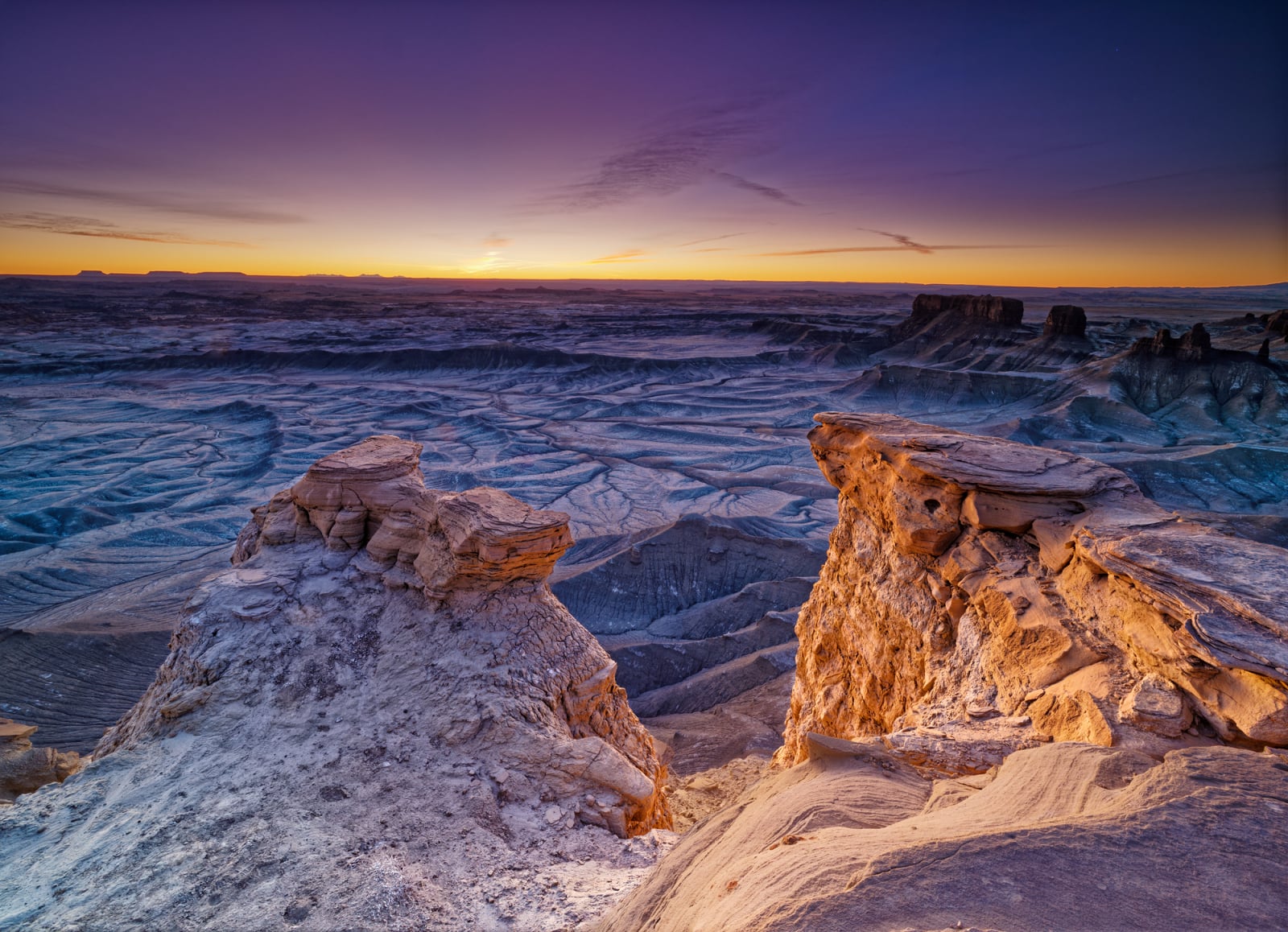
OM-5 • M.Zuiko Digital ED 8-25mm F4.0 PRO • 8mm (16mm equivalent) • 6sec • f/10.0 • ISO 200 • High Res Shot Mode
He applies the same wide-to-tight sequence to landscapes, especially at sunrise. “Sunrise gives me a complete story in a very short time,” Suess describes. “If I concentrate only on the photograph I planned, I can miss everything happening around it. Animals begin to move. Steam lifts from the lake. The first sunlight reaches the cold mountains. All of those changes are part of the morning’s story. I begin with the wide view, then search for smaller scenes. A telephoto lens may reveal photographs in the shifting light and shadow that I never noticed in the wide sunrise view.”
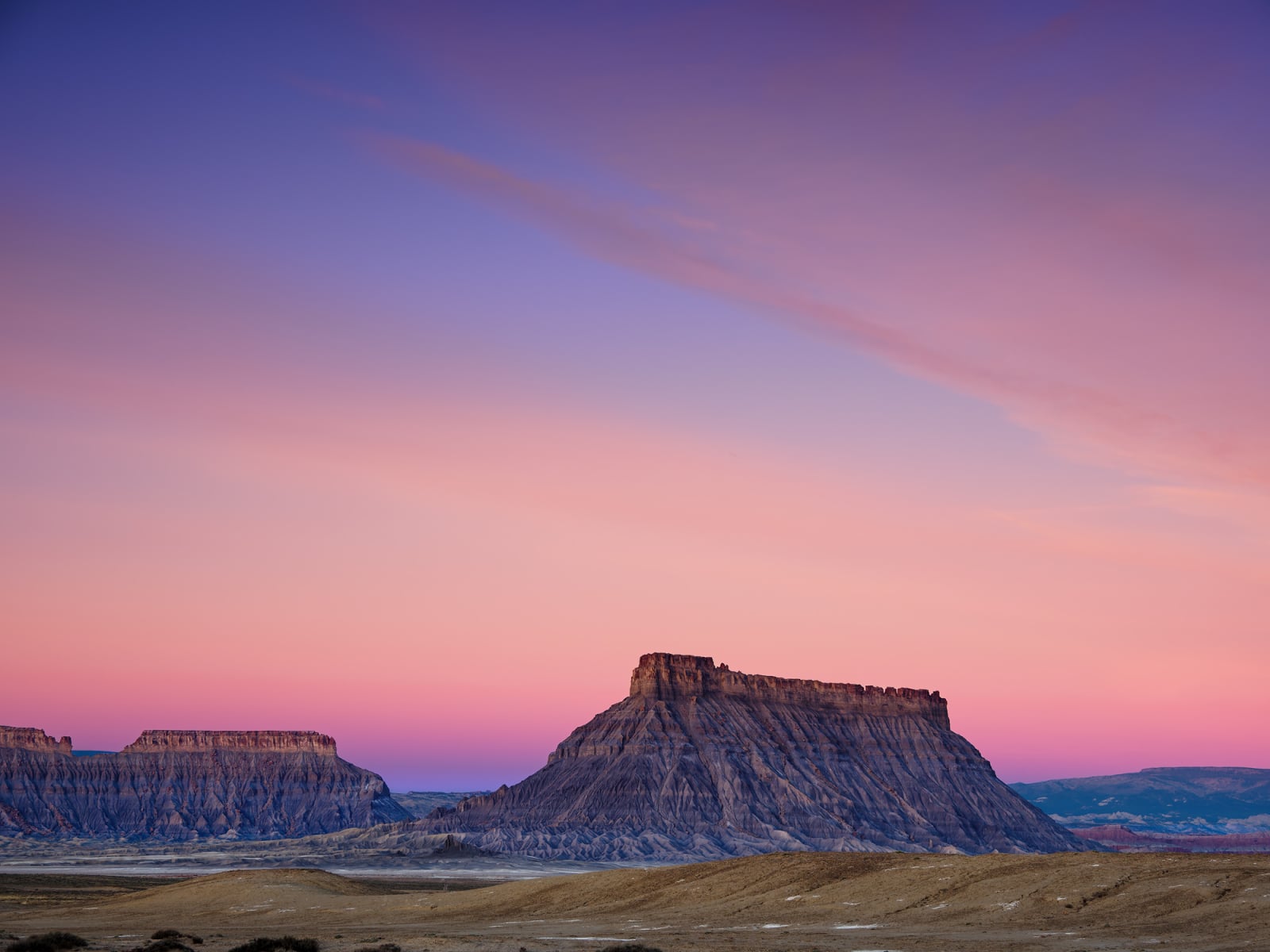
OM-5 • M.Zuiko Digital ED 12-100mm F4.0 IS PRO • 41mm (82mm equivalent) • 1/50sec • f/4.0 • ISO 400 • High Res Shot Mode
For a static scene with exceptional light, Suess can switch his OM-5 Mark II to High Res Shot, which combines several exposures into one higher-resolution file. “The limitation is movement because every exposure in the sequence has to align,” he notes. “A walking moose will not work, but a still landscape can give me the resolution to make a large print or find a tighter composition later.”
The Hours Everyone Throws Away
By late morning, the shadows have shortened and the harsher light sends many photographers home. Because the exercise lasts all day, Suess stays and searches for subjects that work in those conditions.

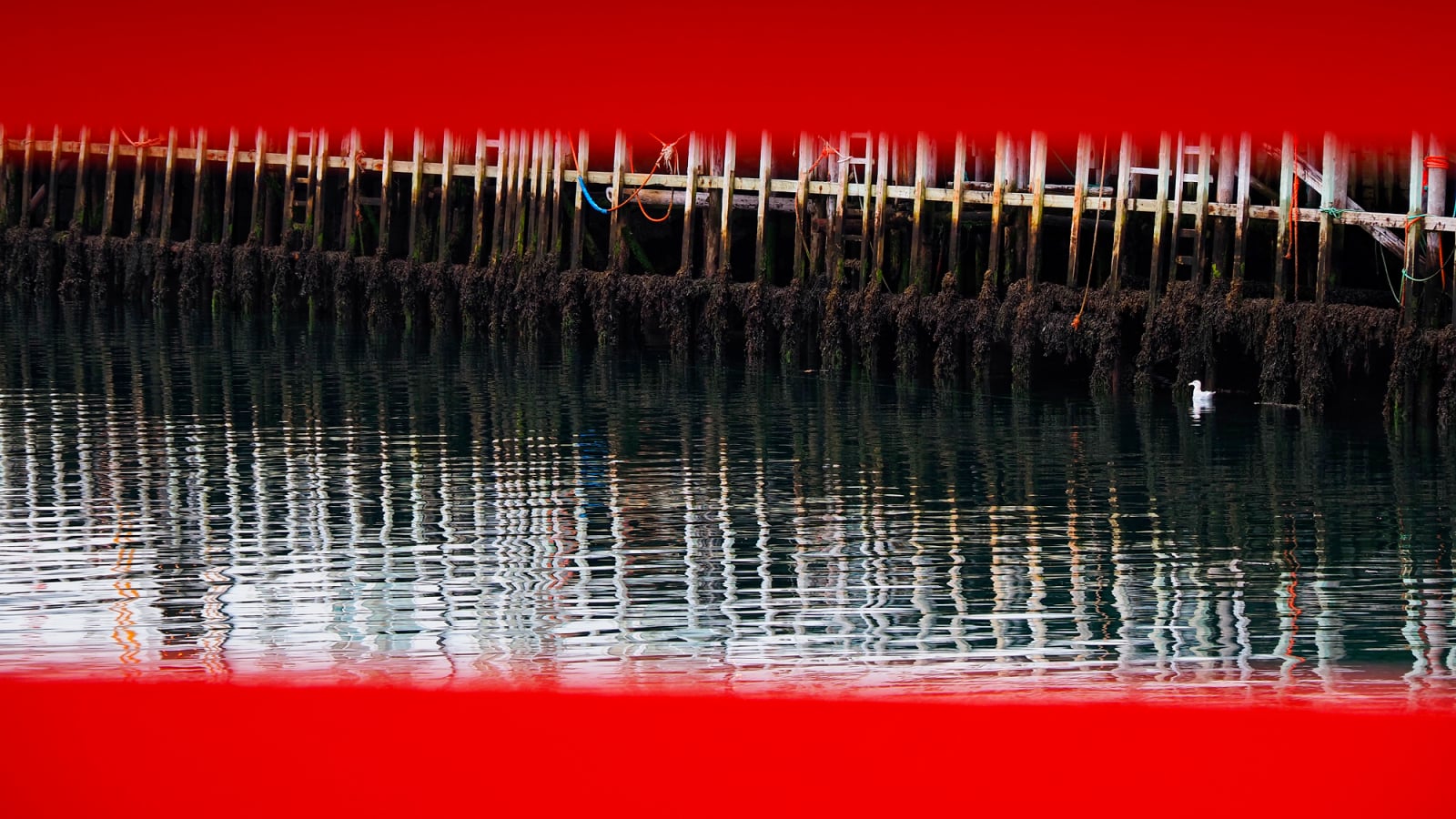
“Even with the sun high, I keep looking for pockets of shade,” he advises. “In the woods, openings in the canopy can break the sunlight into small patches, much like clouds do across a landscape. If shade isn’t available, old cars and barns can still add color to a midday composition.”
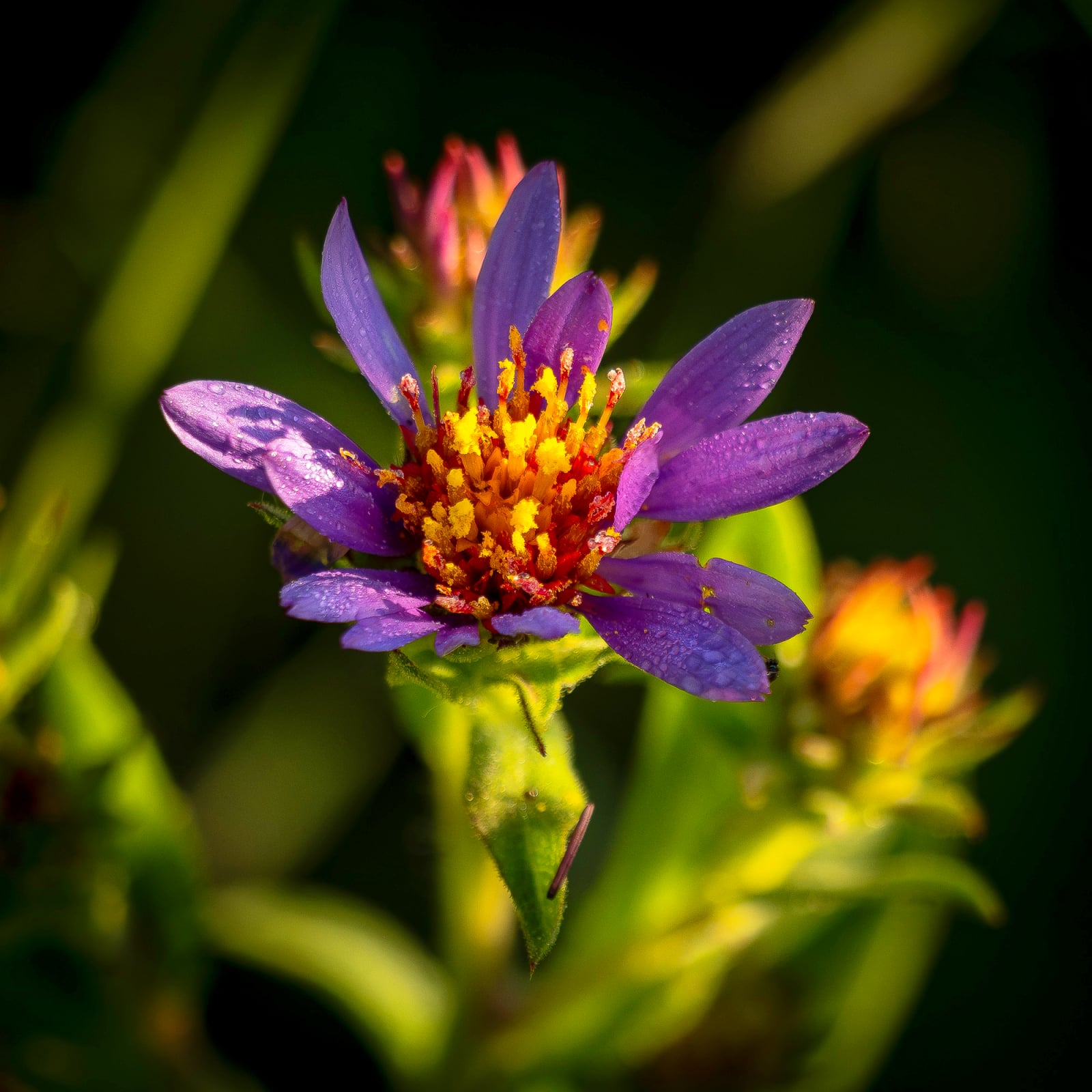
OM-5 • M.Zuiko Digital ED 100-400mm F5.0-6.3 IS • 400mm (801mm equivalent) • 1/320sec • f/6.3 • ISO 400
“Midday is also a good time to take close-up photographs of wildflowers,” Suess suggests. “I look for blooms beneath the trees, where the canopy softens the direct sun and gives the subject more even light.”
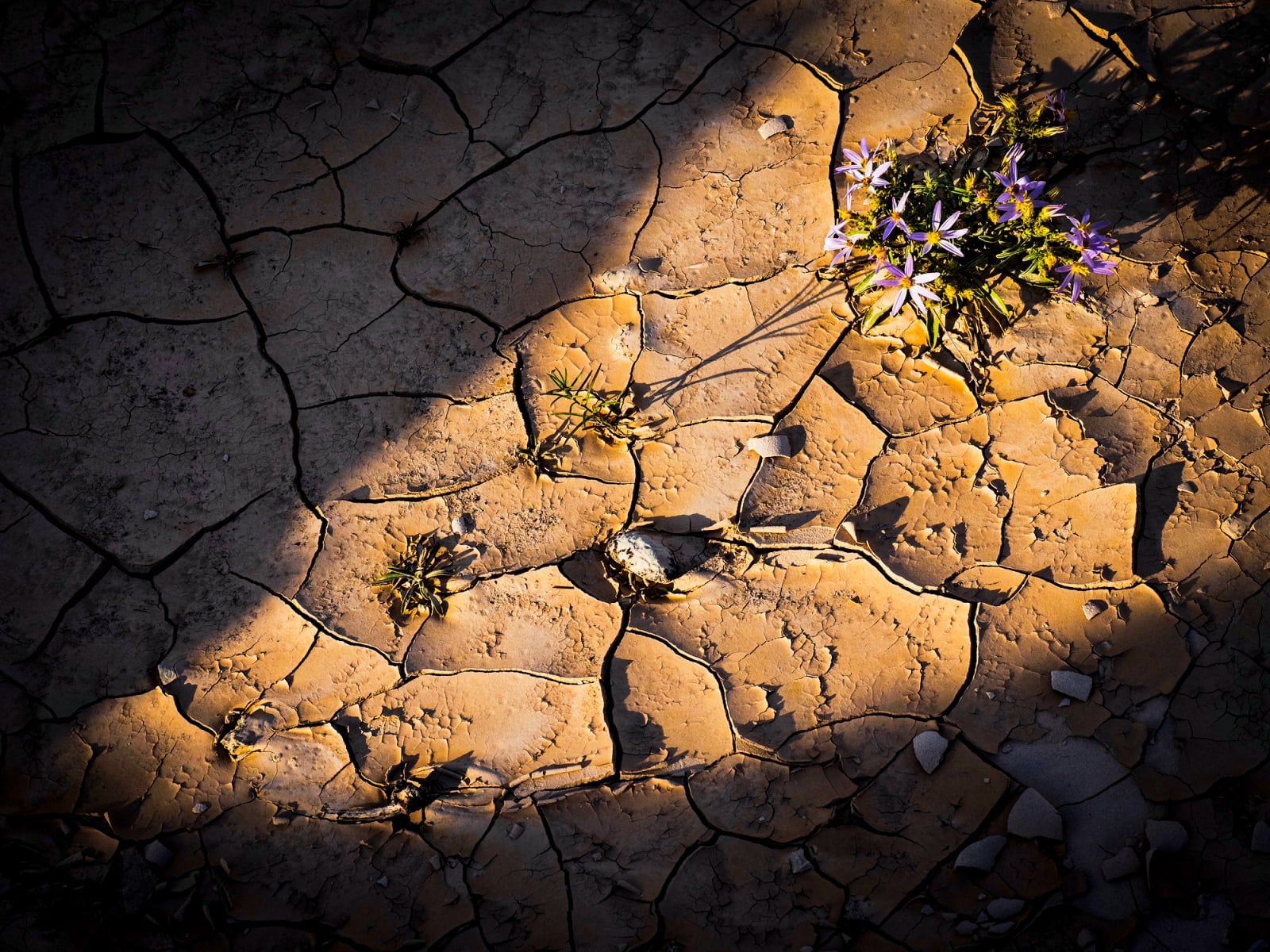
When storm clouds darken the sky, Suess keeps working instead of returning to the car. “Storms usually give me more to work with,” he argues. “I keep watching the light because the scene can change from one minute to the next.”
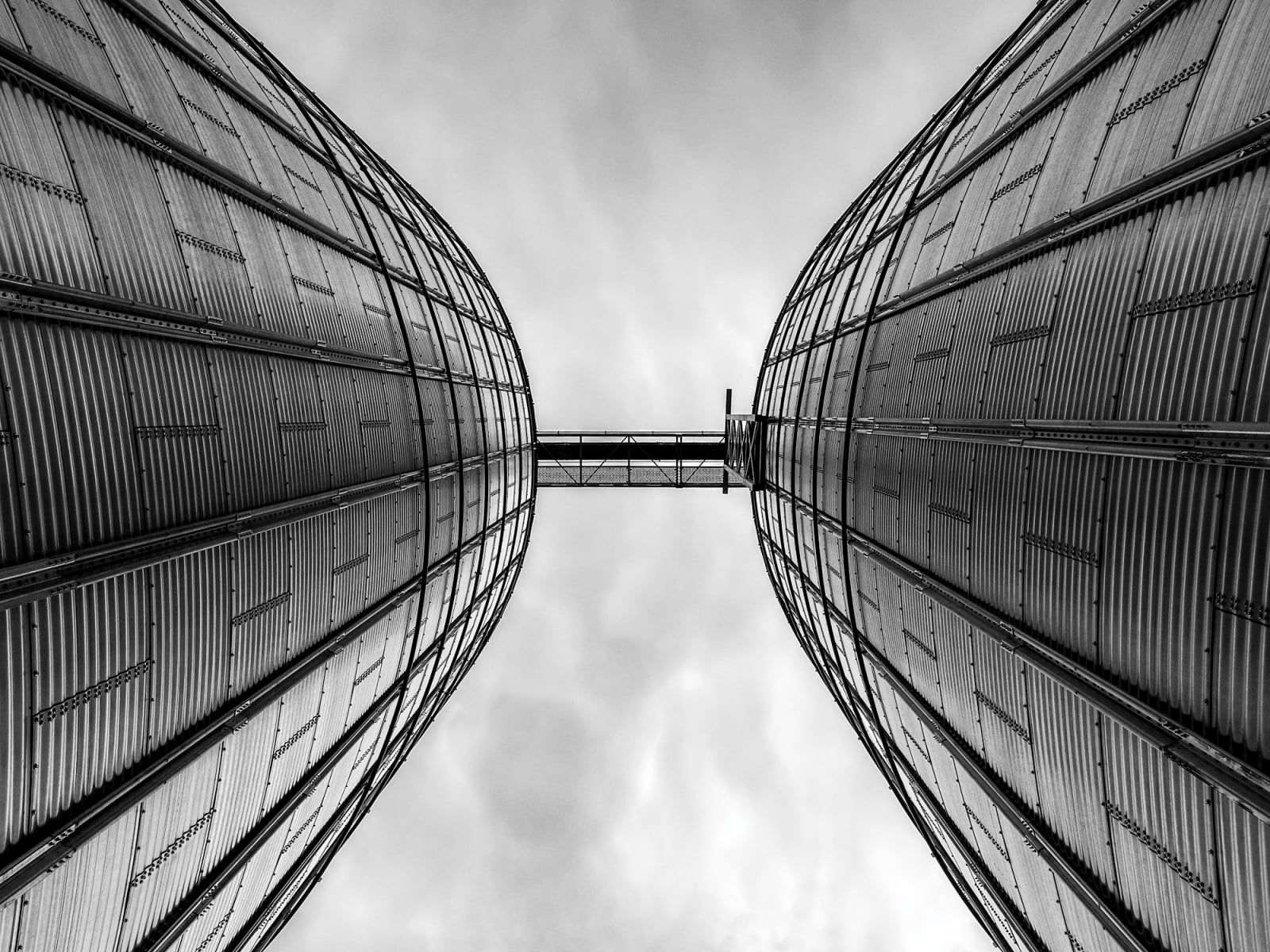
When shade, clouds, and storms offer no help, Suess experiments with the OM-5 Mark II’s built-in ART filters. “Midday is a good time to explore the ART modes, especially when I’m struggling with the light,” he suggests. “ I use the various B&W modes plus the Pin Hole & Bleach Bypass modes too, and Pop Art can be fun at times too. Some photographers avoid them because the effect is applied to a JPEG. I record RAW and JPEG together, so the JPEG carries the filter while the RAW file keeps the original color information. If I get the exposure and white balance close, the JPEG is often ready to share. Most viewers would never know it came straight from the camera. When the midday light gives me very little, those modes can push me toward a different idea.”
The Reverse Day
After midday, the light progresses in reverse. Golden hour gives way to sunset and then blue hour, the opposite of the sequence Suess worked through before sunrise.
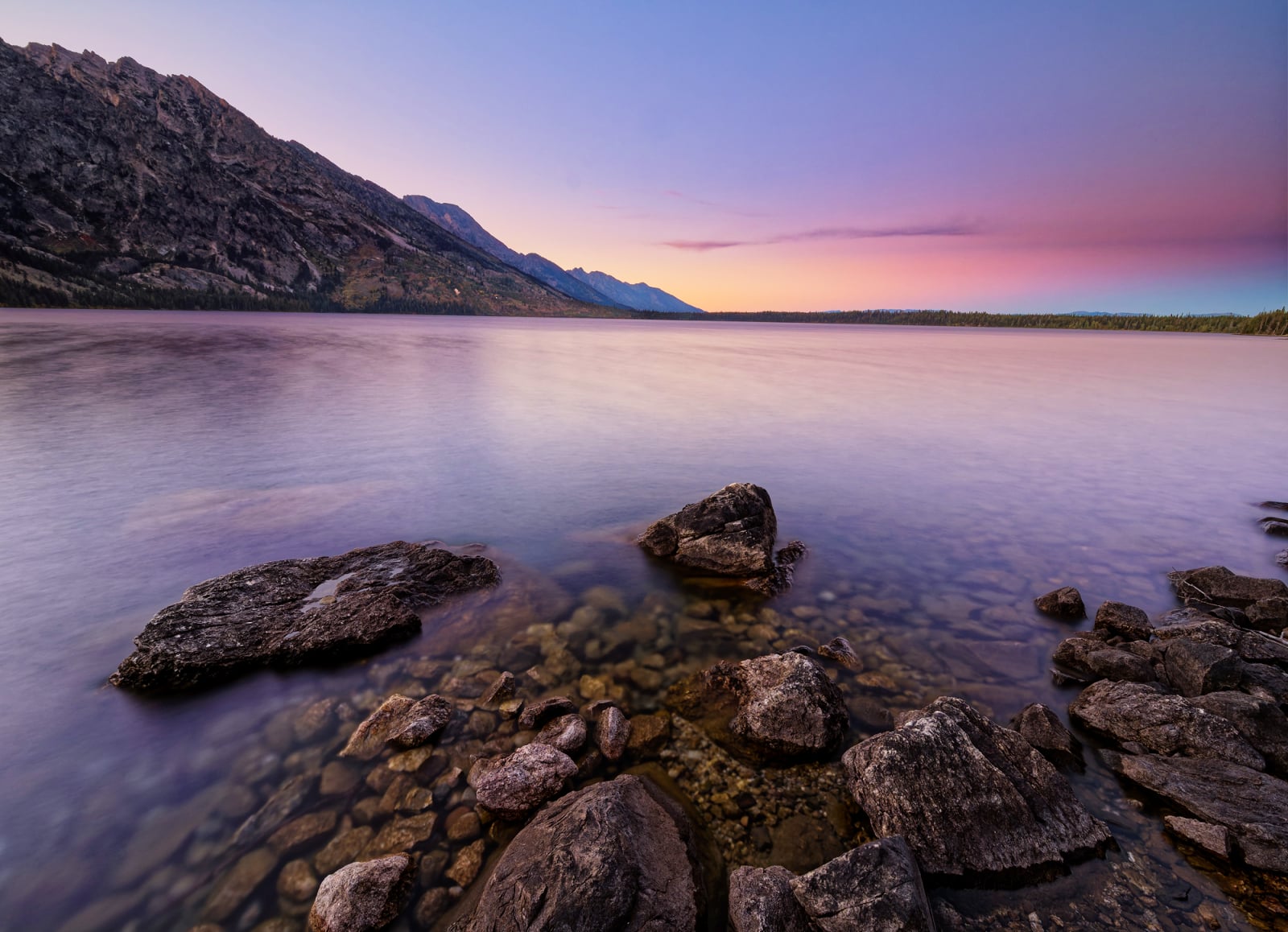
OM-5 • M.Zuiko Digital ED 8-25mm F4.0 PRO • 8mm (16mm equivalent) • 60sec • f/10.0 • ISO 200
The sequence may reverse, but morning and evening blue hour do not create the same conditions. “Morning blue hour is cooler, so mist, fog, and damp ground can give the landscape a softer, earthier mood,” he observes. “By evening, the ground has been warming all day, so that moisture is often gone. The morning can feel moodier, while the evening often looks cleaner and clearer.”
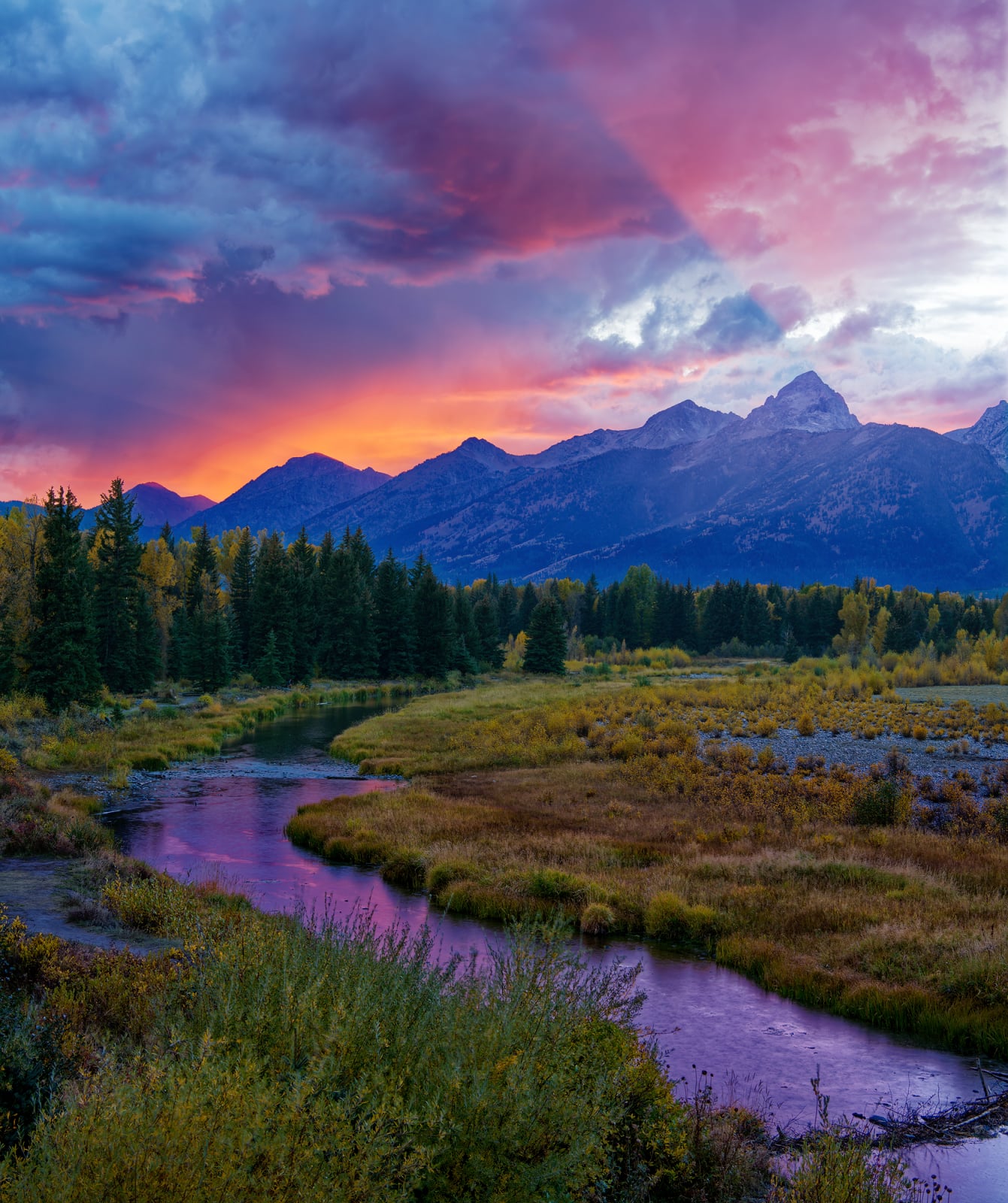
OM-5 • M.Zuiko Digital ED 12-100mm F4.0 IS PRO • 24mm (48mm equivalent) • 1/25sec • f/4.0 • ISO 400 • High Res Shot Mode
Evening light sometimes gives Suess something sunrise does not. “I often see stronger color after sunset than I do at sunrise,” he notes. “The difference may come from the warmed ground, the atmosphere, or dust in the air. In the right conditions, that color can intensify for half an hour after the sun goes down. Photographers who leave immediately will miss it. It doesn’t happen every time, but sometimes staying longer gives me a little magic.”
Night Without Stars
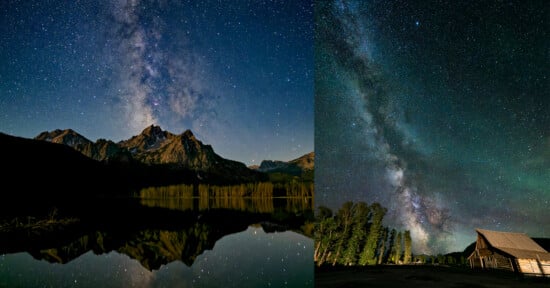
Full dark brings the challenge into its final stretch and Suess into his favorite part of the day. “Astrophotography is one of my favorite ways to photograph nature, but the sky does not always cooperate,” he says. “A bright moon can overpower the Milky Way, while clouds and light pollution can hide the stars. I treat those limits as a different assignment rather than a lost night.”
“Moonlight creates highlights and shadows much like daylight, but with less intensity and a different color,” Suess describes. “That can make a nighttime landscape look unfamiliar enough to earn a second look. Sometimes a viewer has to stop and figure out whether I made the photograph during the day or at night. I like that uncertainty.”
If stars remain the goal, Suess makes one exception to the day’s one-lens kit. “The trade-off with the 12-100mm is its f/4 aperture, which does not gather as much light as I want for astrophotography,” he explains. “For stars, I’d add the M.Zuiko Digital ED 7-14mm F2.8 PRO. Its f/2.8 aperture lets in more light, and the 7mm end gives me a wider view for sunrise and sunset.”
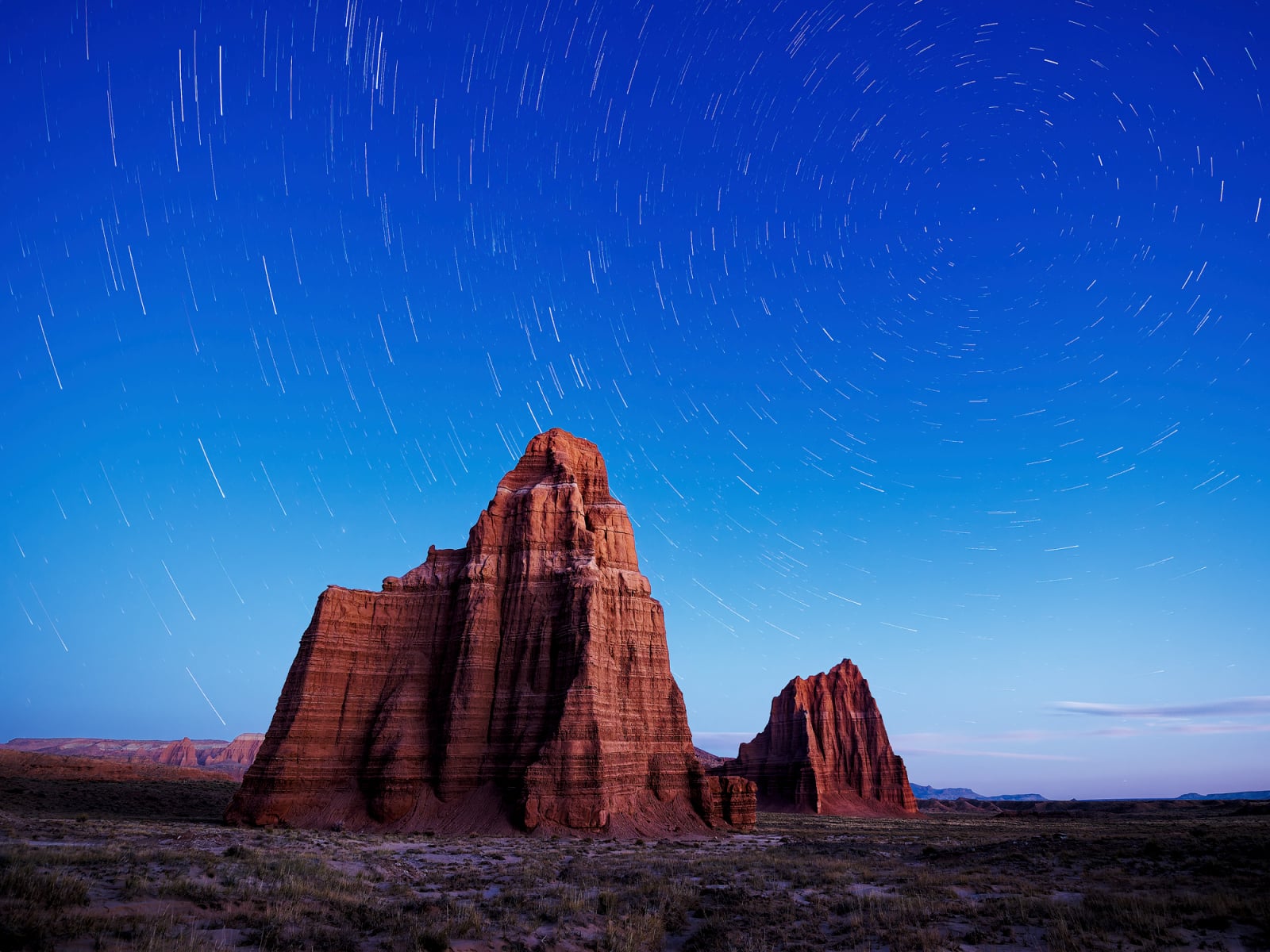
OM-5 • M.Zuiko Digital ED 7-14mm F2.8 PRO • 11mm (22mm equivalent) • 50sec • f/3.2 • ISO 1600
Artificial light gives him another way to keep working after dark. “At an overlook in Zion National Park, I’ve photographed cars winding through the canyon, their brake lights drawing a curved red trail,” he recalls. “Cityscapes can also become more dynamic after sunset, especially during blue hour. That is my favorite time to photograph cityscapes.”
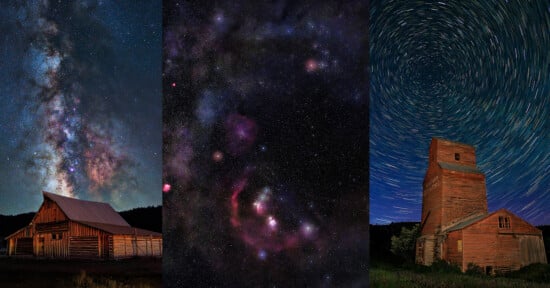
For many of these nighttime scenes, Suess relies on Live Composite, a computational mode in the OM-5 Mark II. The camera records a base exposure, then adds only light that appears afterward, such as headlights, star trails, or lightning. The parts already exposed remain steady instead of becoming progressively brighter.
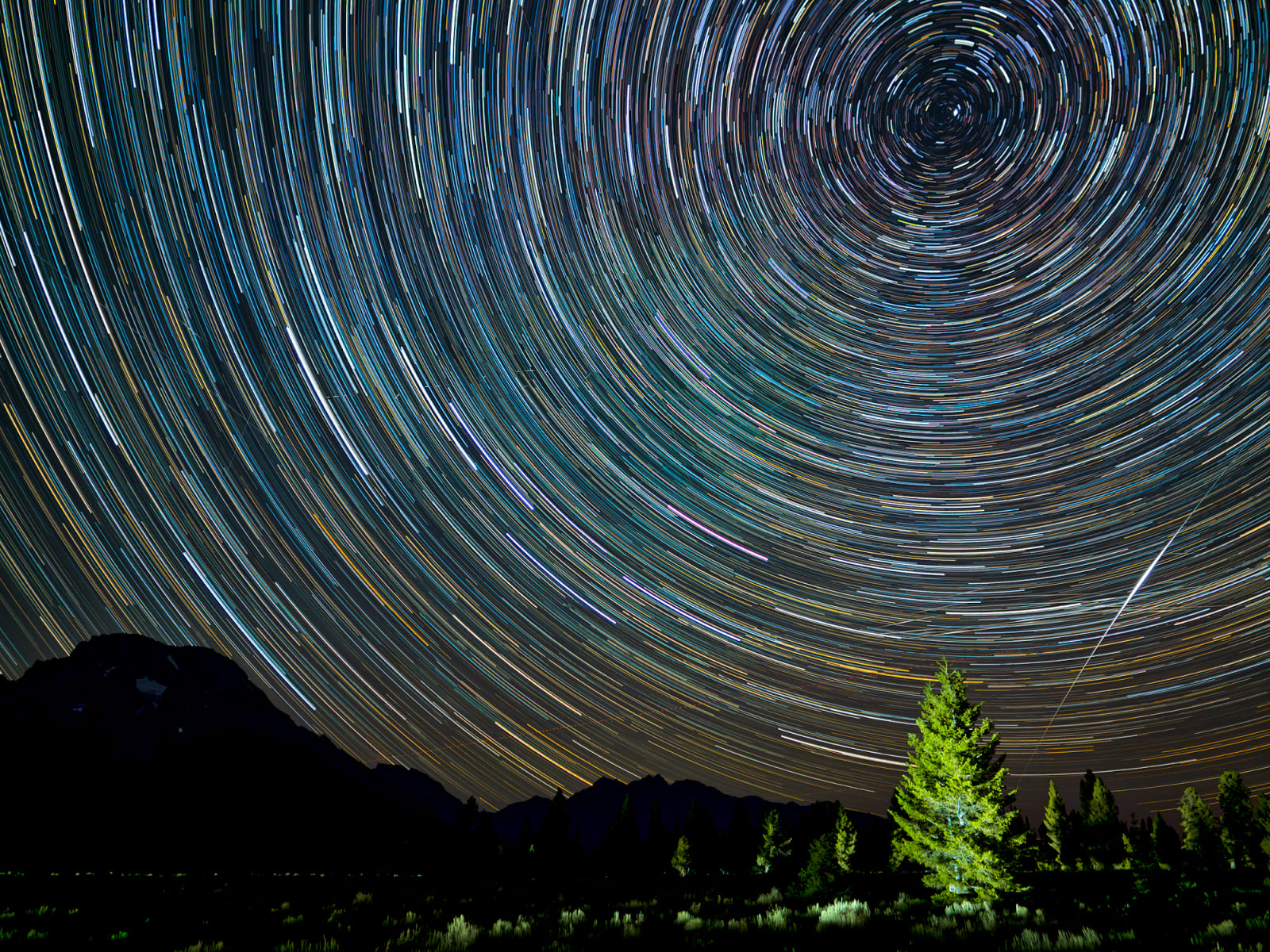
“When the available light is not working, I sometimes create my own with light painting,” Suess shares. “I bring colored lights and gels to illuminate buildings or cars. With an old barn, I can watch the exposure build on the back of the camera as I move the light across the structure. Once the illumination looks right, I stop, which makes the process much easier.”
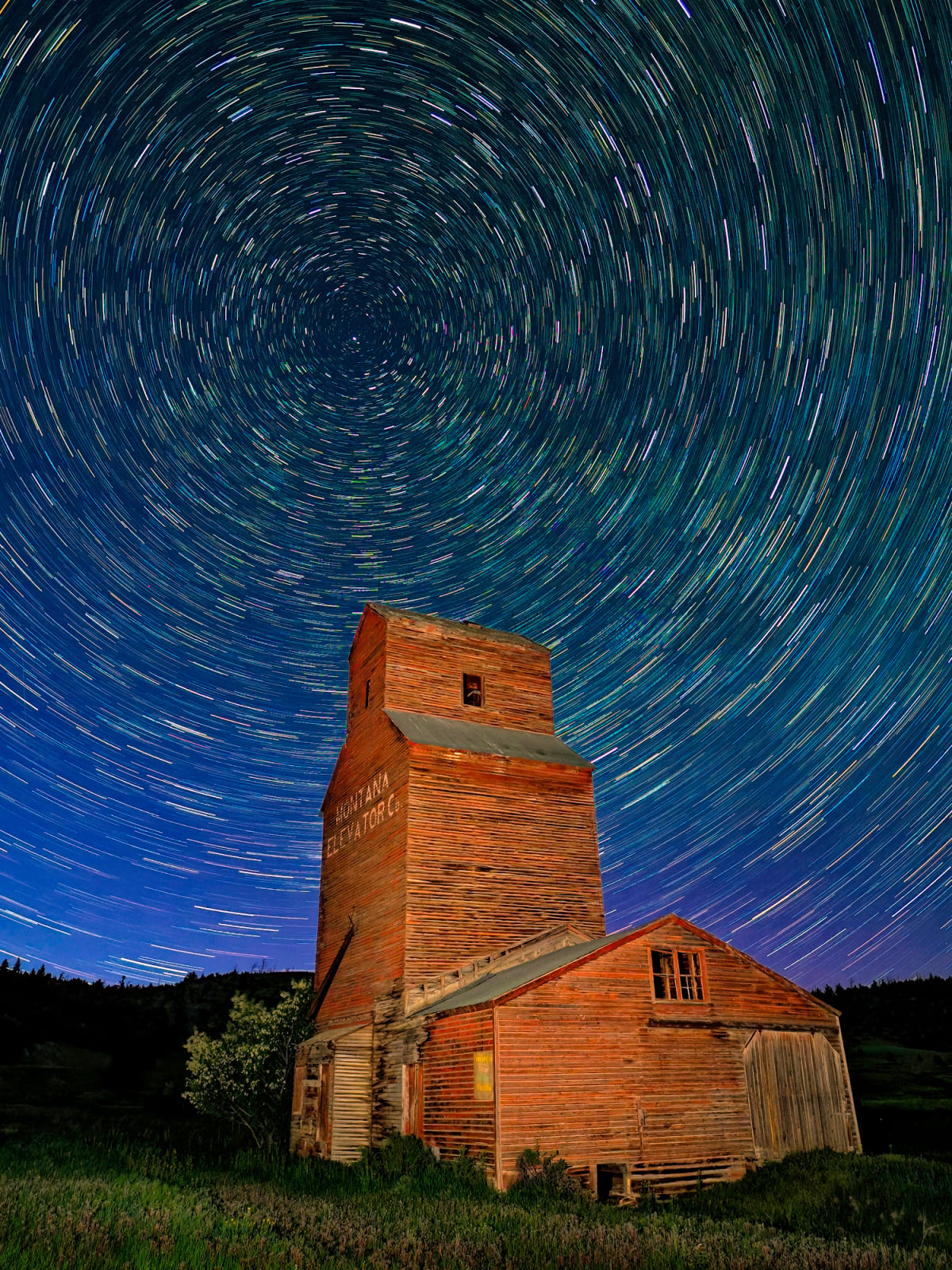
Suess also uses Live Composite during the transition from twilight to full darkness, which begins when the sun reaches 18 degrees below the horizon. “Facing north can place the North Star in the frame, while angling slightly west may preserve some color near the horizon,” he points out. “During blue hour, the sky appears blue while the stars remain white. That combination looks very different from a photograph made after the sky is completely dark.”
What a Full Day Gives Back
Once full darkness arrives, Suess measures the day by more than the photographs on his memory card.
“The real return is experience,” Suess emphasizes. “I will not make a portfolio-worthy photograph every time, but I can learn something about the way I see and work. Spending a full day in one place expands the range of conditions I know how to photograph. If I understand the light a little better when I leave, I don’t feel like the day was wasted.”
“Coming home without a photograph that excites me still teaches me something,” he acknowledges. “I can look back at the day and ask why I never found a portfolio image. Was there nothing there, or did I fail to see it? Was I too closed off to what the place offered?”
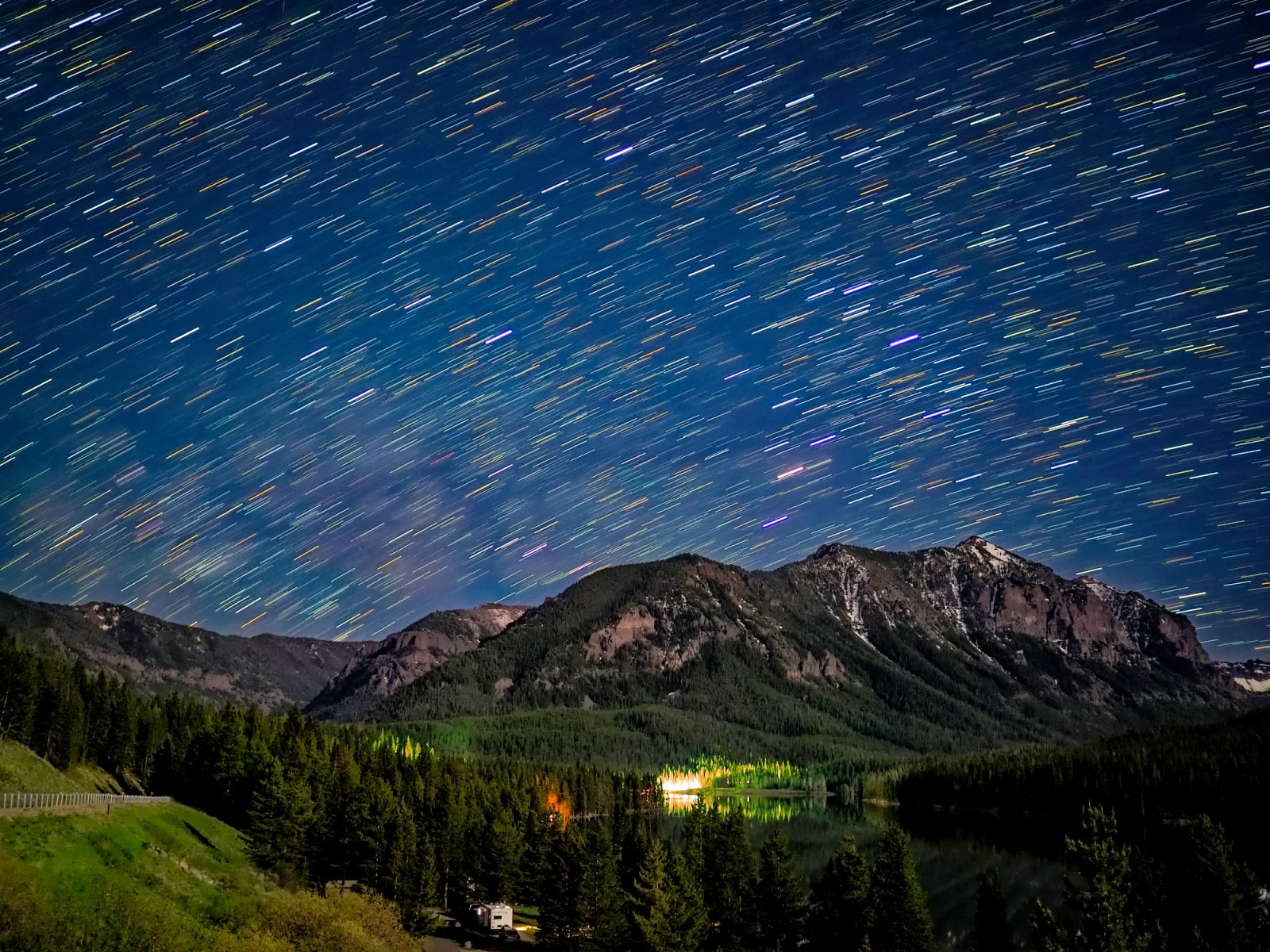
Suess knows the day is over when fatigue keeps him from seeing clearly. “I’m there to study changing light and conditions, not test how long I can last,” he cautions. “The challenge may build endurance over time, but if I become too tired to see, I pack up and go home.”
His advice to anyone tempted by the exercise is simple: “Choose a day, stay in one place from dark to dark, and keep looking after the other photographers have gone home.”
What keeps him there until that point is not the promise of a portfolio image. It is time outdoors.
“My love of Mother Nature and the outdoors keeps me out there,” Suess reflects. “On certain things I’m very impatient. If I order a new camera, I want it at my house yesterday. But I can spend hours out in the field, just involved in nature, without even taking photos. Those are the times for me to slow down. I don’t mind burning hours out in the field.”
More from Matt Suess can be found on his website, Facebook, YouTube, and Instagram.
Image Credits: Matt Suess
Full disclosureThis article was brought to you by OM SYSTEM.
See the PetaPixel Films documentary on Matt Suess as he explores Idaho’s Sawtooth Wilderness.
Affiliate Disclosure PetaPixel articles may include affiliate links; we may earn a commission if you buy through one.