Return of the Apple server?
Apple reportedly building server packed with M-series Ultra chips for AI
Planned 2029 debut could make this Apple’s first enterprise server in decades.
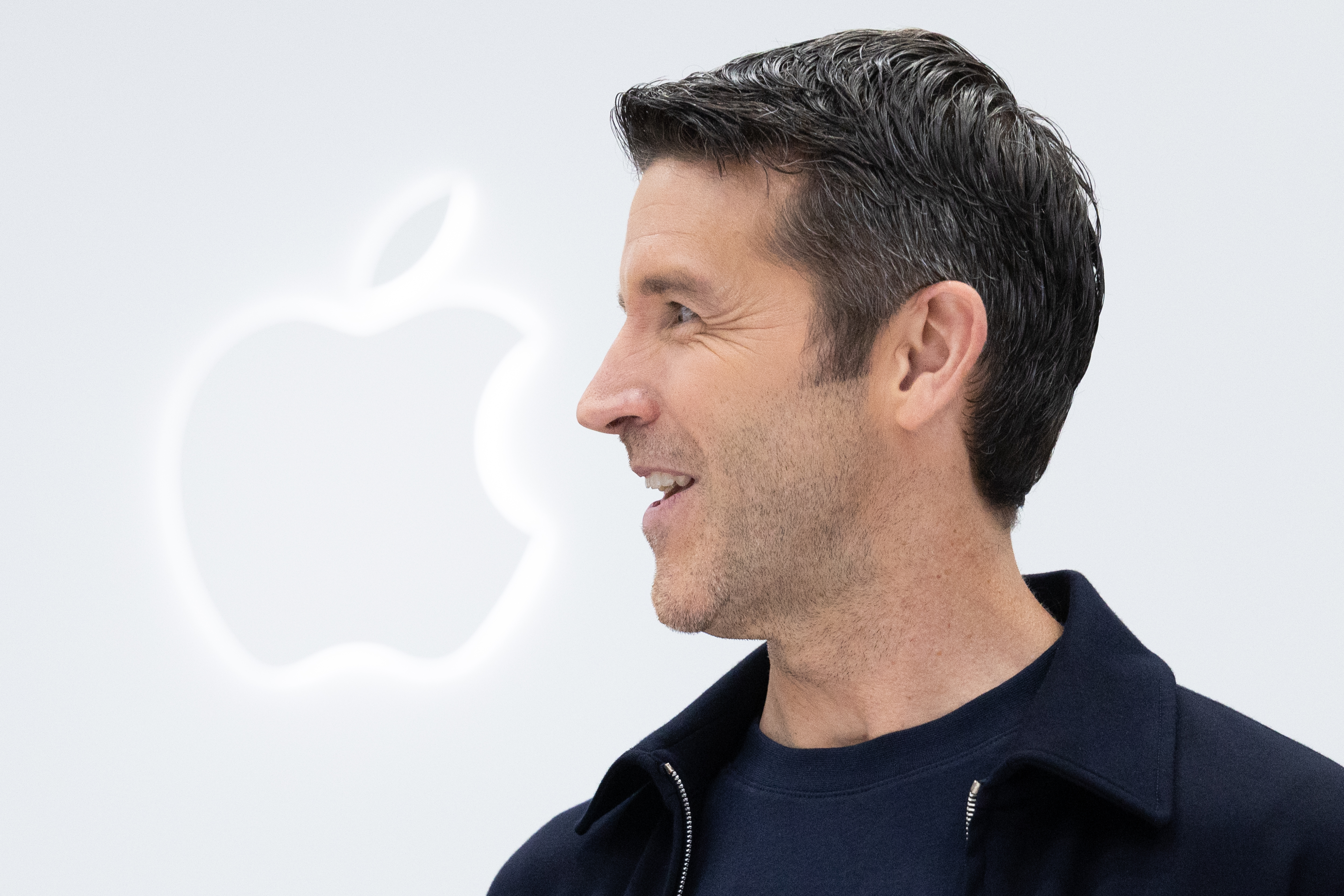
Apple is working on an AI server that would use Apple’s high-performance M-series Ultra chips found in Mac desktops. The potential product’s expected release in 2029 would mark the first Apple server to hit the market in nearly two decades—and could capitalize on the surging popularity of Apple hardware among AI developers.
The enterprise server would come in two configurations that include either two or four of Apple’s future M8 Ultra chips, according to The Information. The project reportedly received support from new Apple CEO John Ternus when it began a year ago, back when Ternus led Apple’s hardware engineering efforts.
This revelation coincides with booming sales for Apple’s Mac mini and Mac Studio as AI developers and companies snap up the Mac computers to run AI workloads. The popularity of such computing devices that rely on Apple’s M-series Ultra chips has undoubtedly encouraged Apple’s pursuit of an enterprise server using the same chips.
The Information reported that AI companies such as OpenAI have bought “tens of thousands” of Mac minis and Mac Studios to train AI agents through trial-and-error reinforcement learning, while Anthropic has also rented Mac minis from Amazon Web Services.
Apple is also considering connecting its M8 chips using data center networking equipment from Nvidia. The potential use of Nvidia’s NVLink Fusion technology comes as sources told The Information that Apple and Nvidia have been holding conversations about how Apple could leverage Nvidia’s technology for the company’s AI push.
The Information cautioned that the project could still be canceled or go ahead without incorporating Nvidia’s technology. But if it moves ahead, it would mark a notable return for Apple to the enterprise server market following the retirement of Apple’s Xserve in January 2011.
If Apple’s AI server eventually comes to fruition, it could be a notable part of John Ternus’ legacy. Ternus officially took over as Apple CEO from Tim Cook on September 1, after the latter had served in the leadership position for 15 years.
But Apple’s server plans and the growing popularity of Mac computers during the AI boom also face a notable supply chain challenge shared across the tech industry—the ongoing shortage of memory chips because of companies rushing to build AI data centers.
As Ars has documented, the memory shortage has led to significant price increases for many consumer electronics such as gaming devices and many flagship smartphones, not to mention a wide range of Apple products.