See How Nikon Made Its Lenses 60 Years Ago
Lens makers these days rely heavily on computers, advanced digital simulations, and extremely sophisticated glass-making and molding techniques. The resulting lenses are impeccably sharp and consistent. But old lenses were great, too, and a classic Nikon manufacturing video from 1966 takes viewers back to a much simpler and very different era of lens manufacturing.
In the 60 years since Nikon, then Nippon Kogaku Kogyo, and Tokyo Cinema teamed up for the award-winning documentary above, reported by Digital Camera Life, much about optical and camera manufacturing has changed. One thing that hasn’t changed, though, is that lenses are still made with precisely designed glass elements. Even today, some glass elements are still shaped by hand, although fewer all the time.
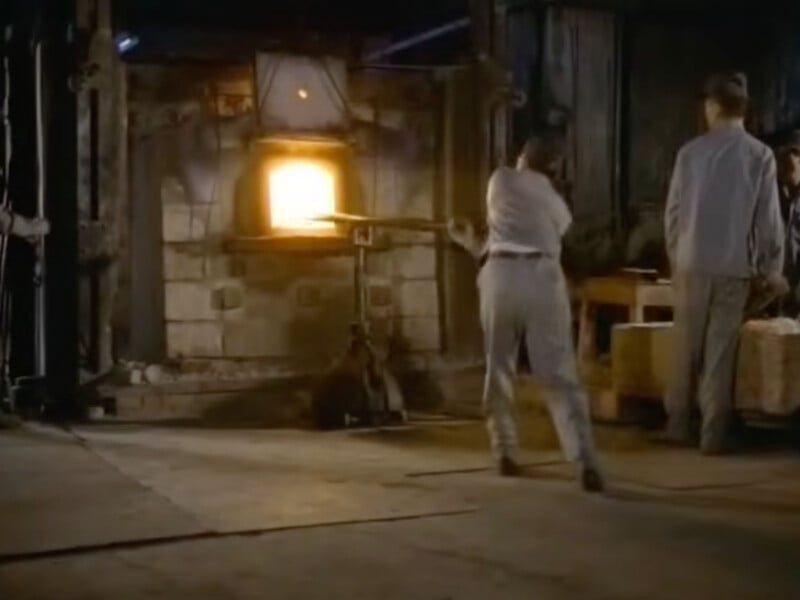
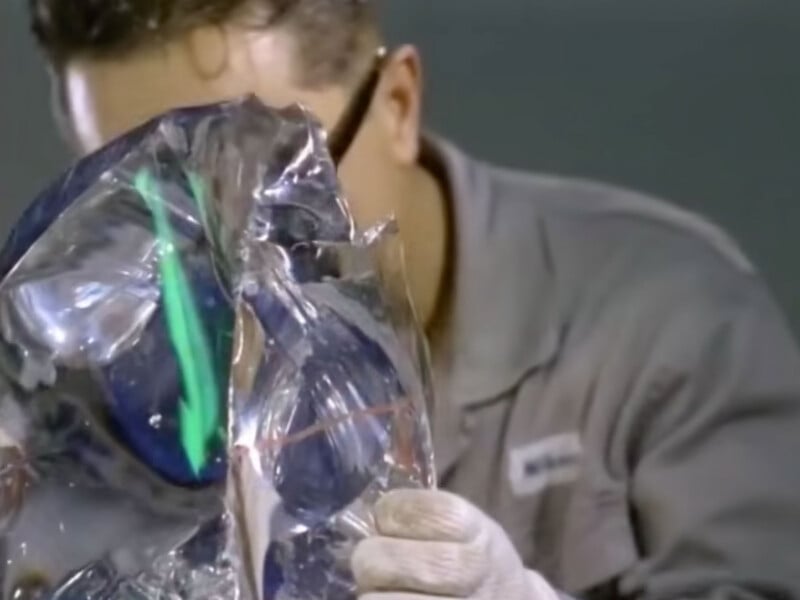
But back in 1966, Nikon engineers were breaking chunks of optical glass from huge pieces it had formed inside super-heated crucibles, using high-quality silica sand and over a dozen other materials. This in-house glass was then superheated again, formed with presses, and polished and finished by hand, with precision down to just a couple of micrometers, or one-thousandth of a millimeter.
Then, of course, the glass elements had to be placed very carefully into a lens barrel, another task that requires the utmost precision. Even a tiny, virtually imperceptible error here can utterly ruin image quality.



Nikon may have made its lenses very differently in the 1960s than it does today, but that doesn’t mean the vintage glass is any less special or desirable now. In fact, many photographers, and especially cinematographers, still covet these classic 60-year-old Nikon lenses because they are sharp and full of character, with dynamic and interesting flare that modern lens designs have all but eliminated. Sometimes imperfection is what makes a lens the perfect choice.
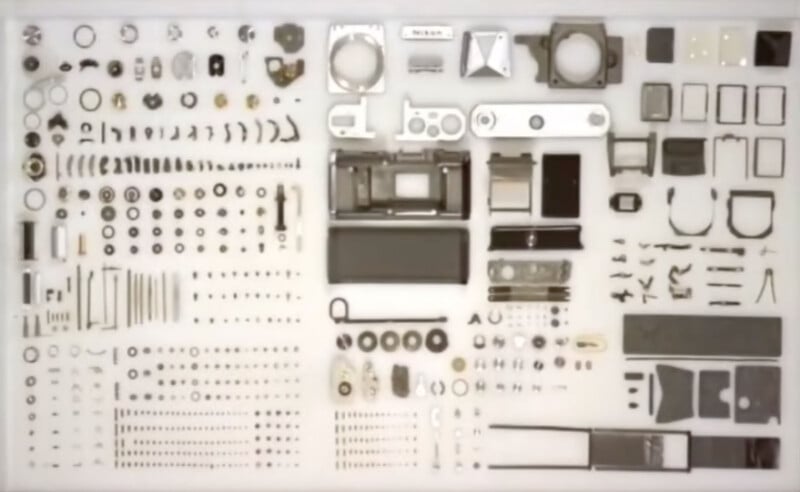
Although the award-winning documentary above focuses on lens technology, it also shows behind-the-scenes camera-making. Viewers can watch Nikon engineers assemble Nikon F and Nikon F Photomic T cameras, each requiring over 1,000 parts. Many of these cameras still survive today and are still used by analog-loving photographers. It’s hard to imagine saying the same thing about digital cameras manufactured in 2026 in 2086.
Image creditsNikon and Tokyo Cinema. ‘The Eye of Science’ was made in 1966 and won the 1967 Japan Industrial Film Contest Encouragement Award.
Affiliate Disclosure PetaPixel articles may include affiliate links; we may earn a commission if you buy through one.