Photo Exhibition Imagines What Emmett Till’s Life Could Have Been
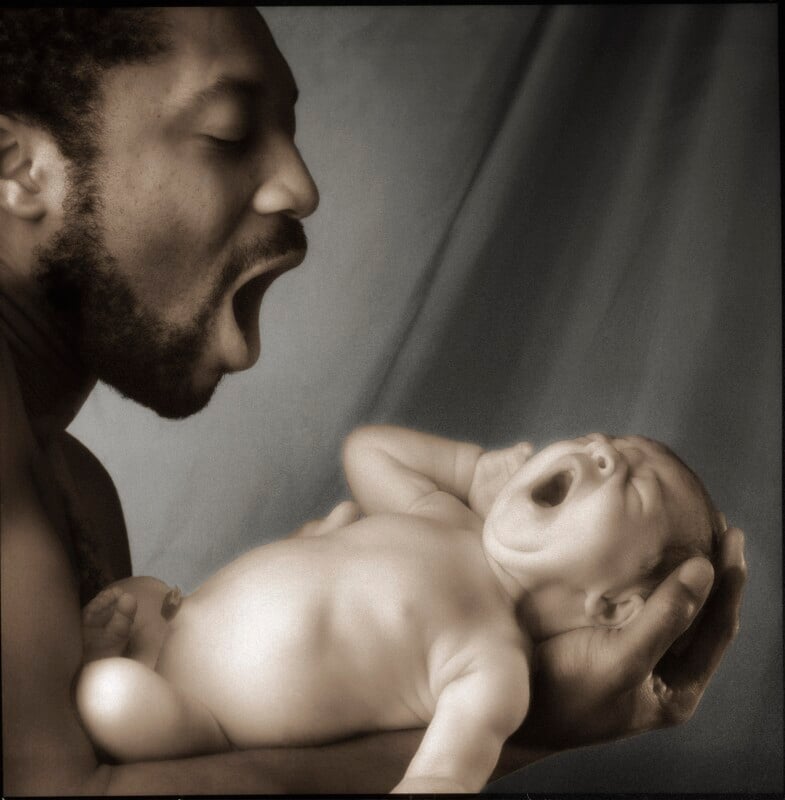
A photo exhibition imagines the life Emmett Till might have lived if he had not been murdered more than 70 years ago.
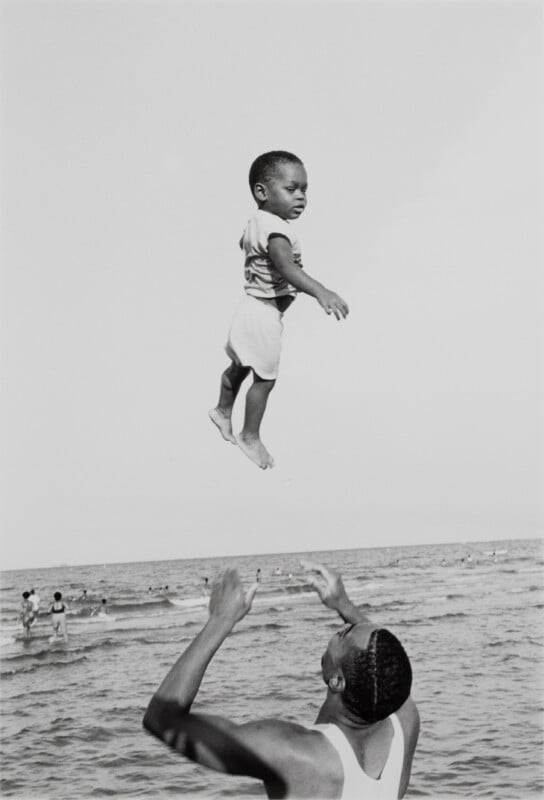
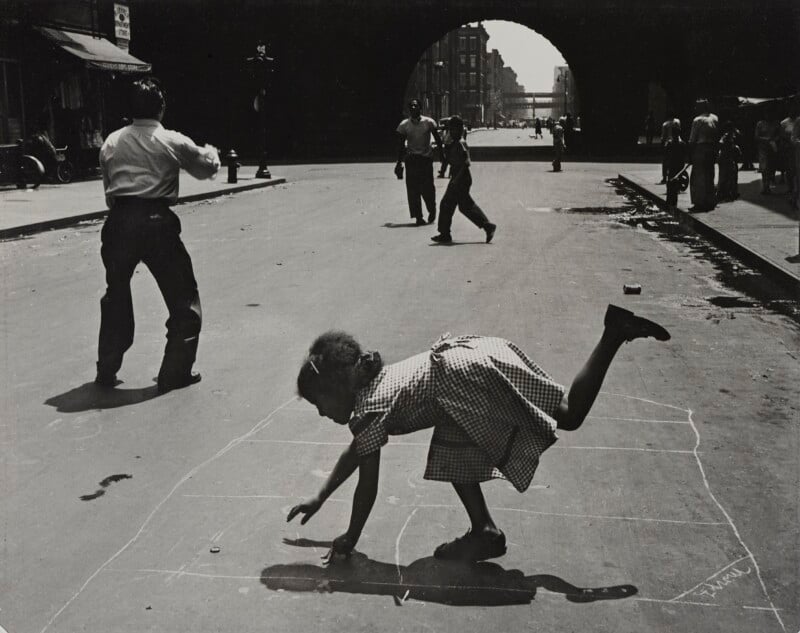
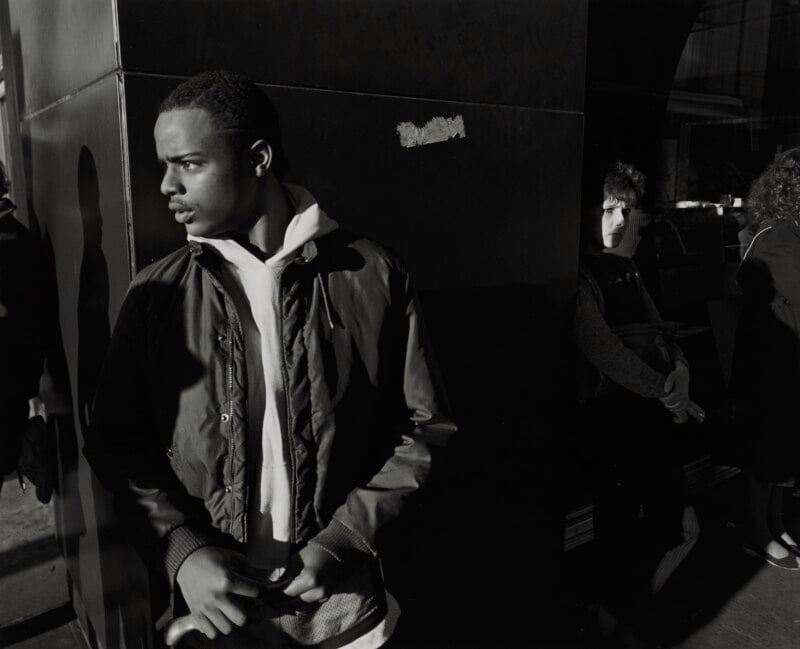
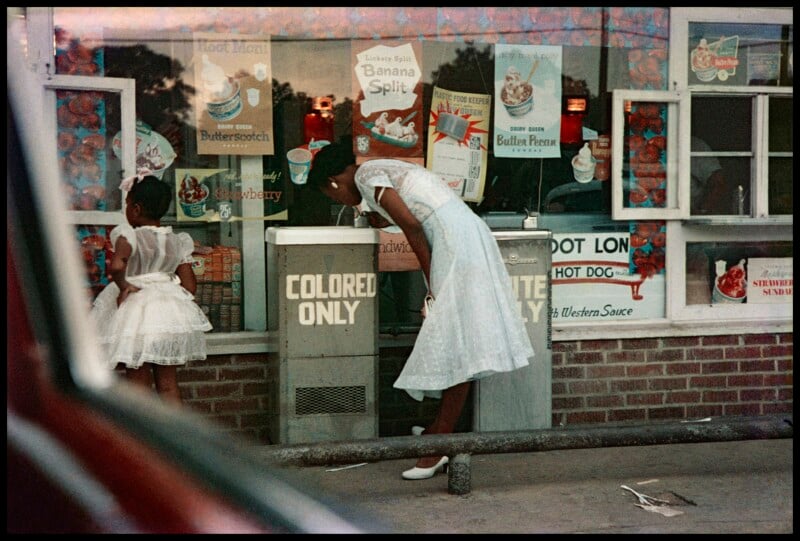
On view at the Museum of Contemporary Photography at Columbia College Chicago through December 19, 2026, If Emmett Till Lived: Freedom on American Ground draws from the institution’s image collection to imagine who he might have become if he had lived.
14-year-old Emmett Till was visiting family in Mississippi in 1955 when he was abducted, brutally beaten, and lynched after a white woman claimed he had harassed her at a store. The circumstances of Till’s murder, followed by the acquittal of his killers, brought renewed attention to the longstanding violence and discrimination faced by African Americans and helped fuel the growing civil rights movement.
A few months later, Rosa Parks refused to give up her seat to a white passenger on a bus in Montgomery, Alabama, an act that would become one of the most well-known moments of the civil rights movement. Parks later said that Emmett Till was on her mind when she made the decision, having recently attended a rally in his memory led by a then little-known minister Martin Luther King Jr. Till’s death also became part of discussions in Congress that led to the 1957 Civil Rights Act, which expanded federal protections for African Americans’ voting rights.
Till would have celebrated his 85th birthday this year. The Museum of Contemporary Photography at Columbia College Chicago’s If Emmett Till Lived exhibition imagines a possible narrative for Till’s life had he not been murdered.
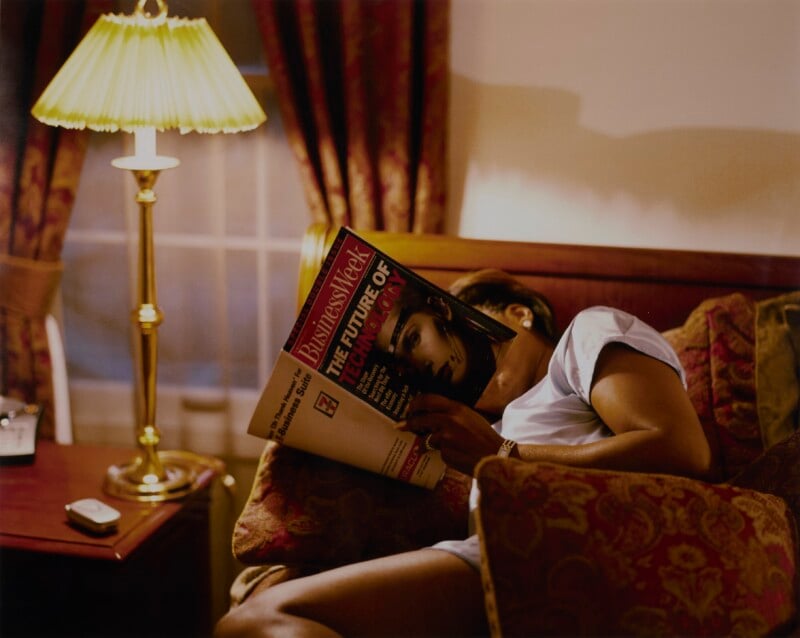
The photographs depict railroad lines and journeys across the U.S., everyday life in neighborhoods and public spaces, and moments connected to the civil rights movement. Other images focus on family, marriage, fatherhood, and cultural and historical events, including Michael Jordan’s career with the Chicago Bulls and Barack Obama’s election as president.

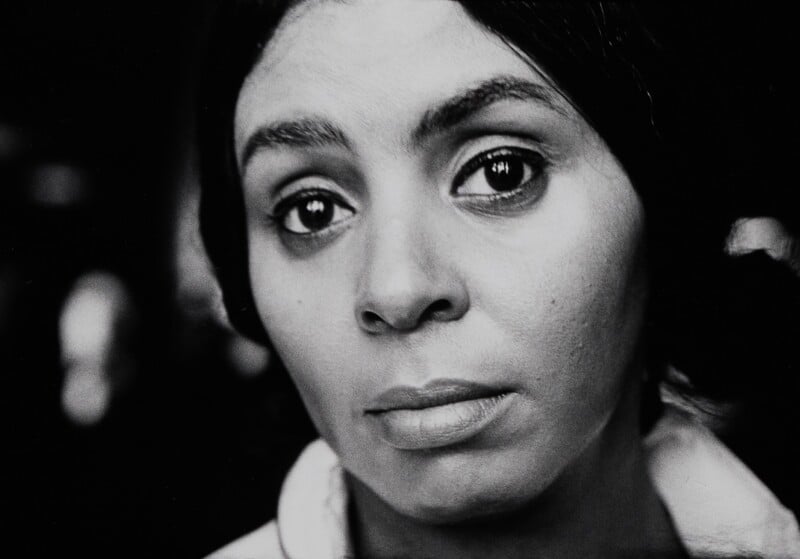
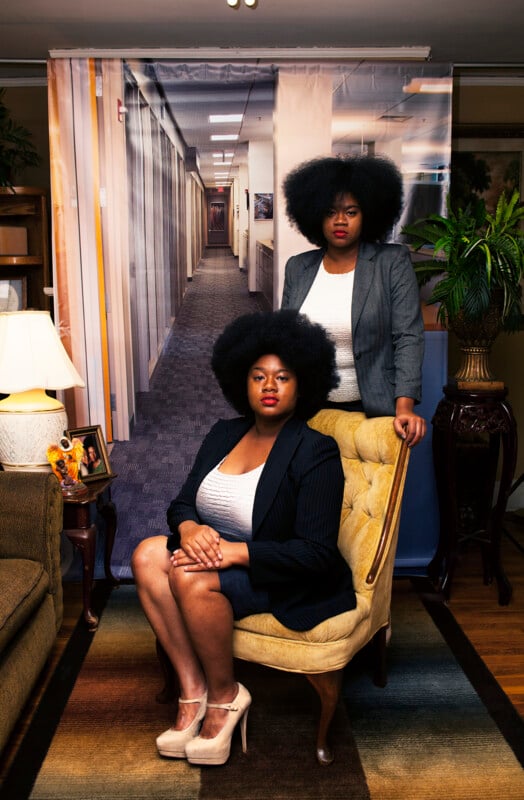
Through photographs from the Museum’s collection, the exhibition considers the roughly 70 years of life that Emmett Till did not have the opportunity to experience. The works span several generations of photographers, including Henri Cartier-Bresson, Dorothea Lange, Gordon Parks, Dawoud Bey, Teju Cole, Laylah Amatullah Barrayn, Carrie Mae Weems, and Stephen Marc.

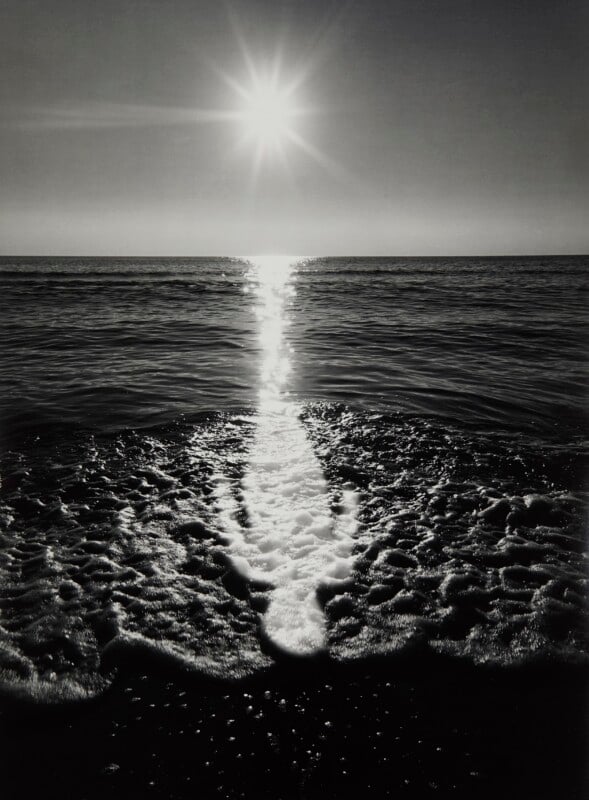
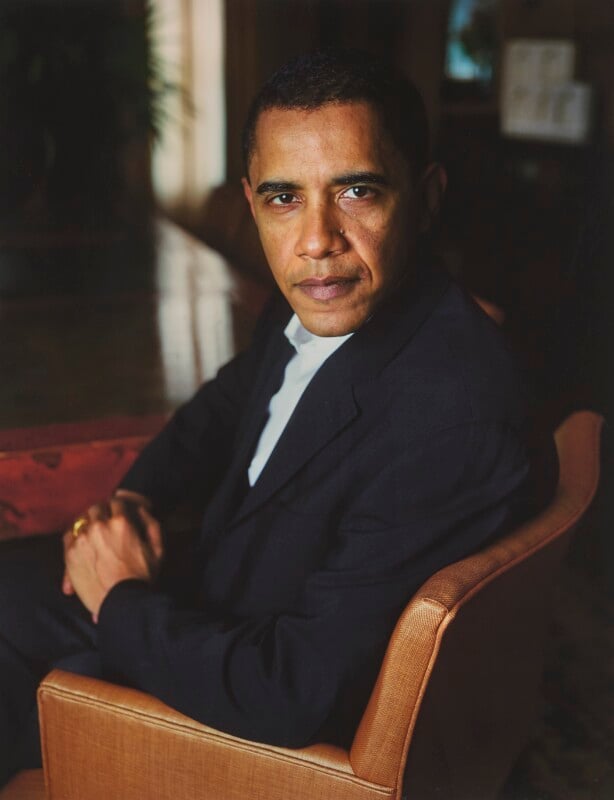
“Why create this show and publication now?” the exhibition’s curator Sarah Lewis asks in a statement. “Because more than seventy years after Emmett Till’s death, we are still asking, have we made good on the sacrifice of his life? We should not have to ask this question.
“This show and the book that is its counterpart should not have to exist — and that is why I felt called to make them. They claim the ground of Till’s untaken journey from Mississippi back to Chicago,” Lewis adds. “His life is the epitome of the question we still grapple with today: Who has a right to the ground, to claim the right to stand? This exhibition and book are a creative monument to the life that Till — that anyone, any black or brown boy — has a right to live.”
Affiliate Disclosure PetaPixel articles may include affiliate links; we may earn a commission if you buy through one.