Photographer Calls His Total Solar Eclipse Experience ‘One of the Highlights of My Life’
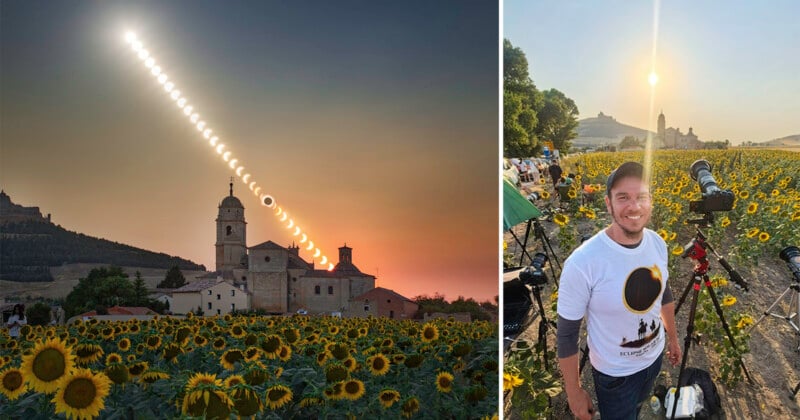
Brazilian photographer Kiko Fairbairn planned his total solar eclipse trip and photos in northern Spain for over a year. But you can only plan so much from thousands of miles away. The photographic search truly began when Fairbairn arrived in Spain, and his hard work paid off in a big way.
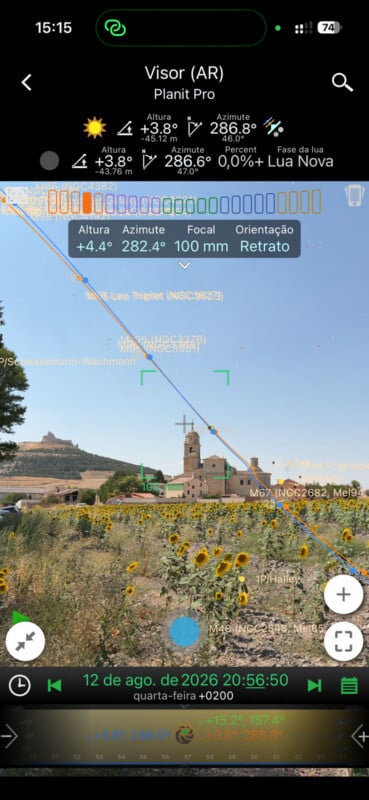
“Once I arrived near Burgos, the real photographic search began. I spent time scouting the landscape, using planning apps to fine-tune how the path of the eclipse would align with the terrain and the elements I was finding in the foreground,” Fairbairn tells PetaPixel.
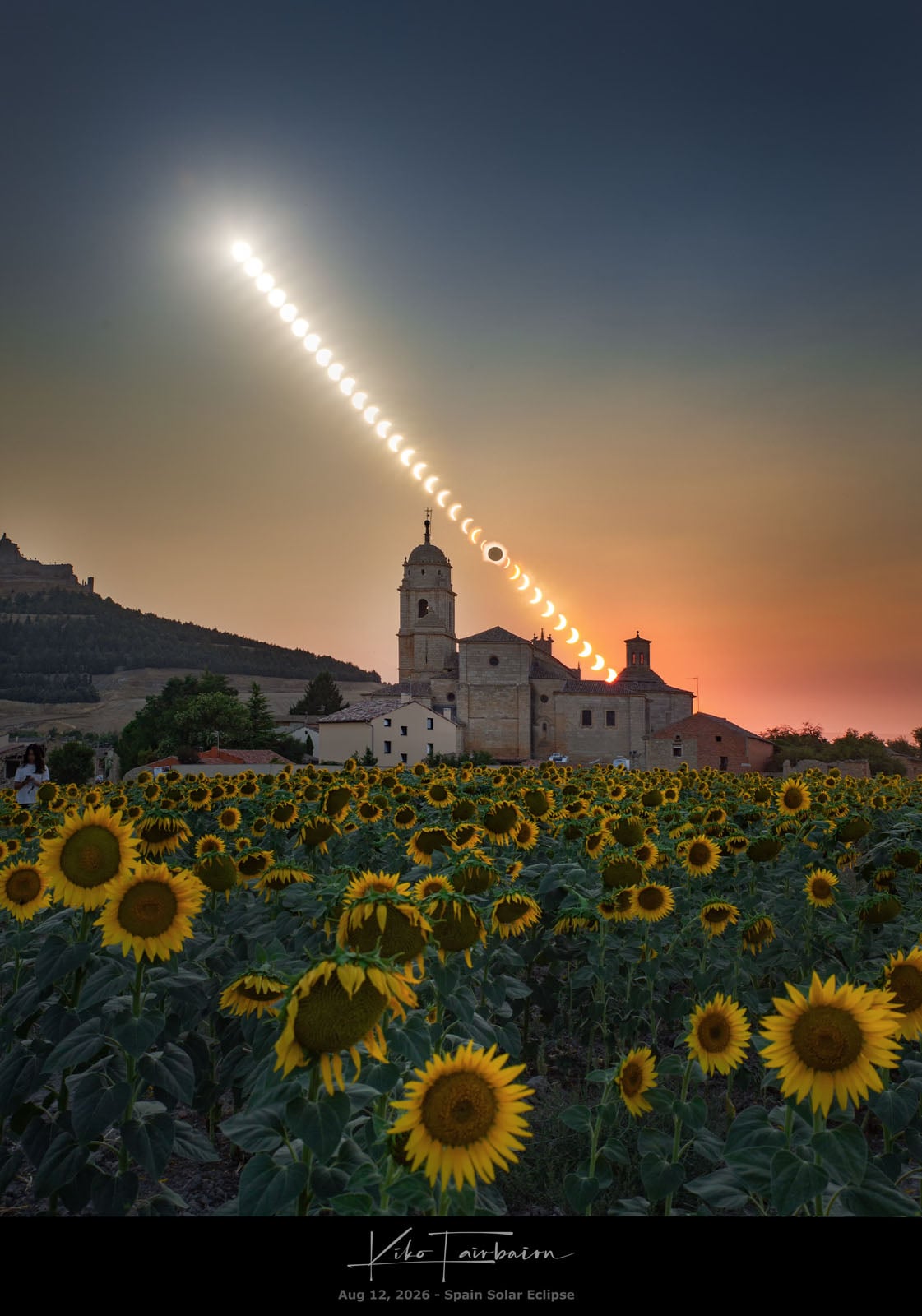
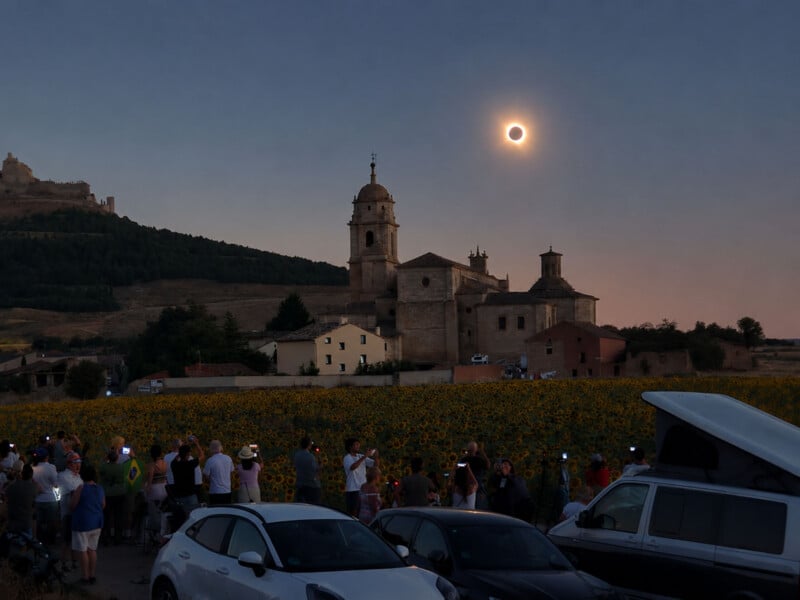
“That is when I came across this beautiful field of sunflowers near Castrojeriz, with the church and the castle ruins rising behind it. The moment I saw that scene, something clicked. After months thinking about this eclipse, suddenly I could actually see the photograph in front of me. The landscape, the sunflowers, the old architecture and the path of totality all seemed to come together.”
This wasn’t Fairbairn’s first solar rodeo, as the longtime photographer had also shot an annual eclipse in Brazil a couple of years ago. But as Fairbairn says, a total solar eclipse is “something else entirely.”
“Spain became the culmination of more than a year of planning, scouting, and imagining — followed by those final decisions in the field that no app or map can make for you.”
As Fairbairn rightly says, the combination of preparation, scouting, and execution, especially when it comes with an element of luck like weather during totality, is “one of the most exciting parts of being a photographer.”
When everything comes together, it’s magical.
A Multi-Camera Approach
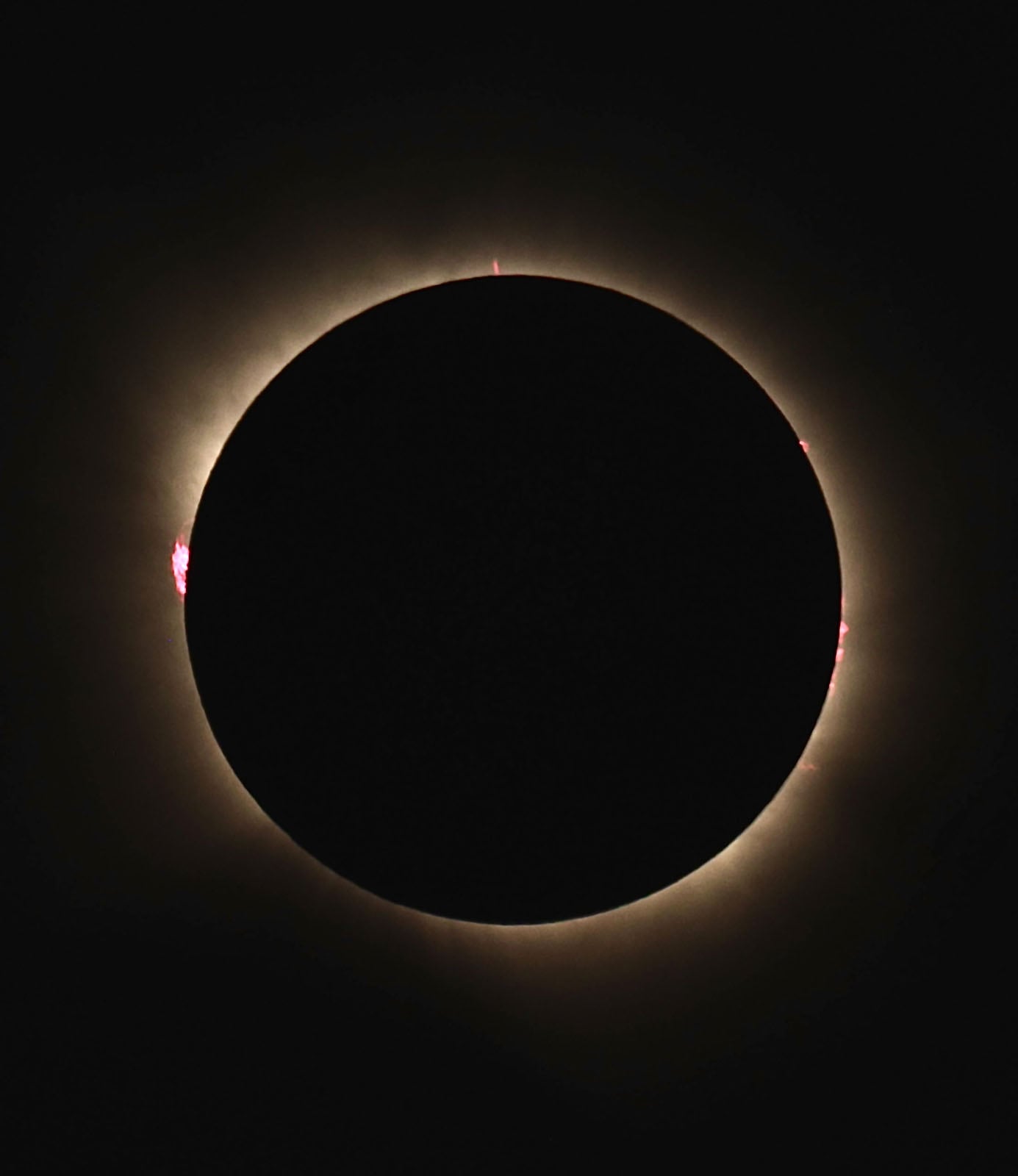
Fairbairn used multiple cameras to capture different aspects of the total solar eclipse. One camera was focused solely on close-up shots of the Sun itself. Fairbairn used a 150-600mm telephoto zoom with a 2x teleconverter and mounted it on a tracker with a solar filter.
“Knowing that this camera was continuously recording the eclipse gave me the freedom to concentrate on something completely different with my second camera: the landscape and the storytelling,” Fairbairn says.
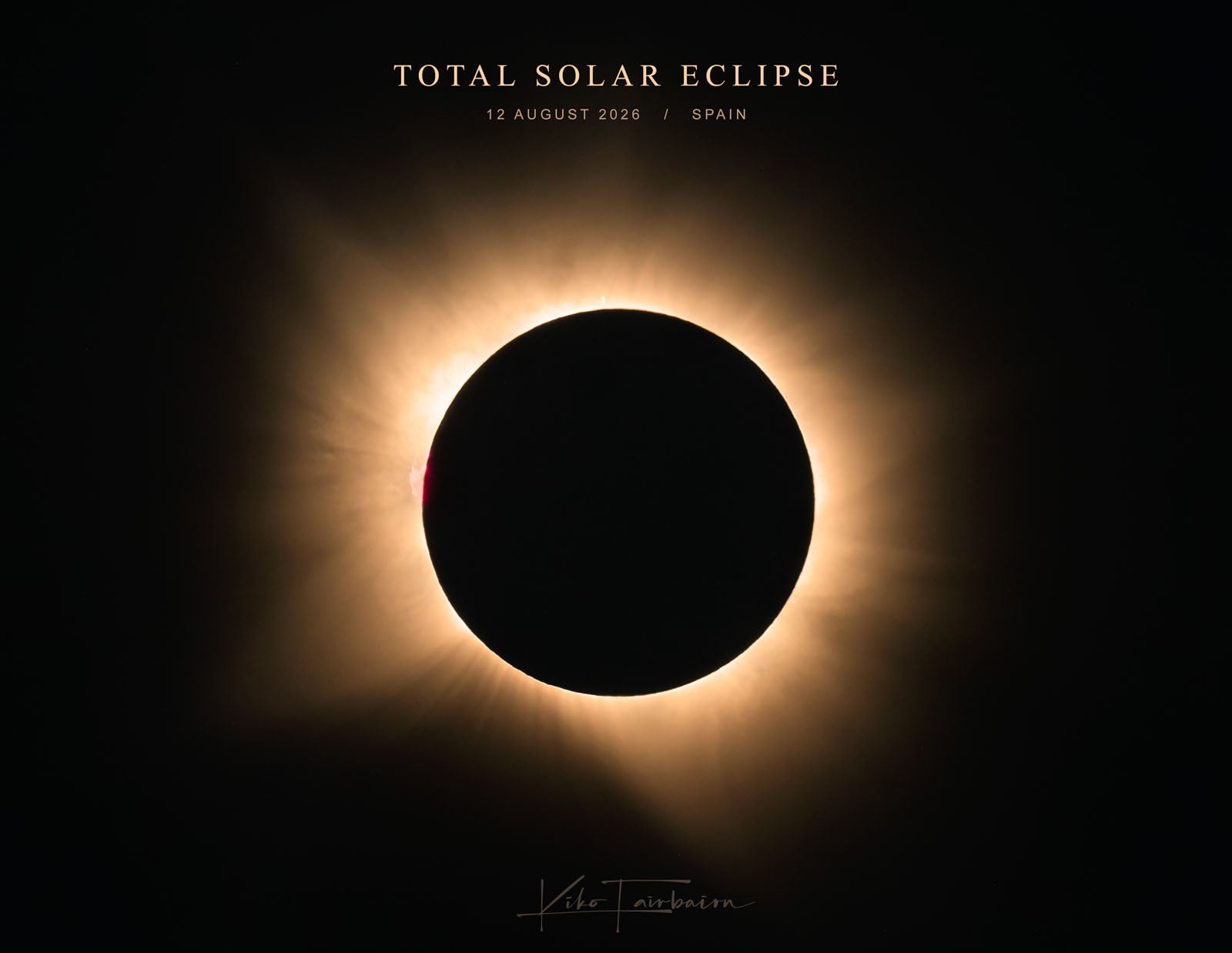
These close-up photos were captured on a Canon EOS R6 Mark III. However, for his landscape photos, Fairbairn stuck with his tried-and-true DSLR, the Canon EOS 5D Mark III.
“It’s an old workhorse,” Fairbairn says of his venerable 5D. “But it was perfect for what I wanted to do here.”
For that second mission, the sunflower field was magnetic.
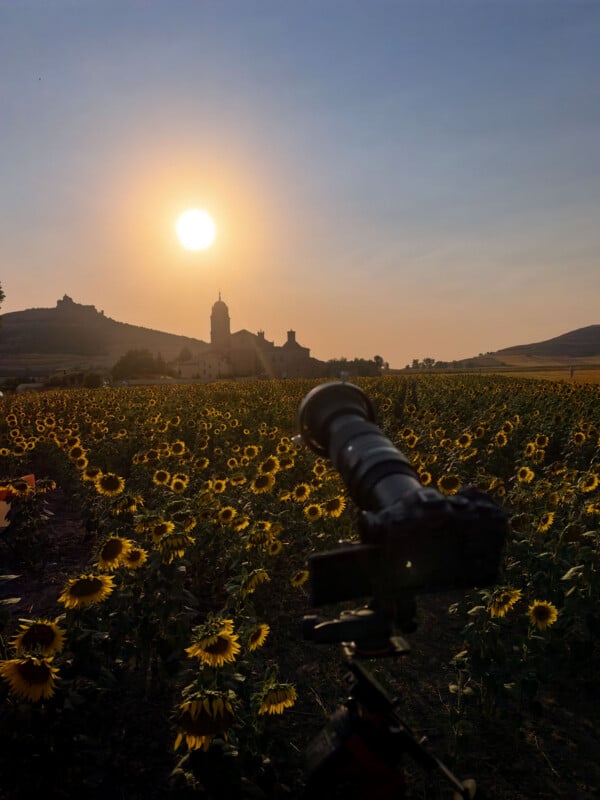
“There was something almost irresistible about photographing a solar eclipse over a field of sunflowers — flowers whose entire visual identity is connected to the Sun. But I didn’t want that connection to be just a gimmick. The composition still had to work as a photograph,” Fairbairn says.
Once he found the right field for his photo, he explored it from various angles and compositions to see which would work best. Fairbairn wanted a foreground of healthy and “expressive” sunflowers and a position that would give him a layered composition.
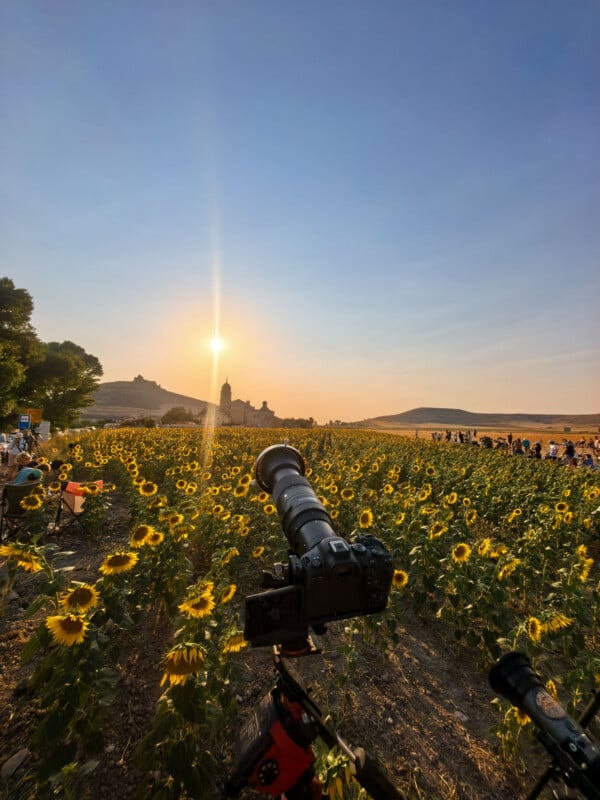
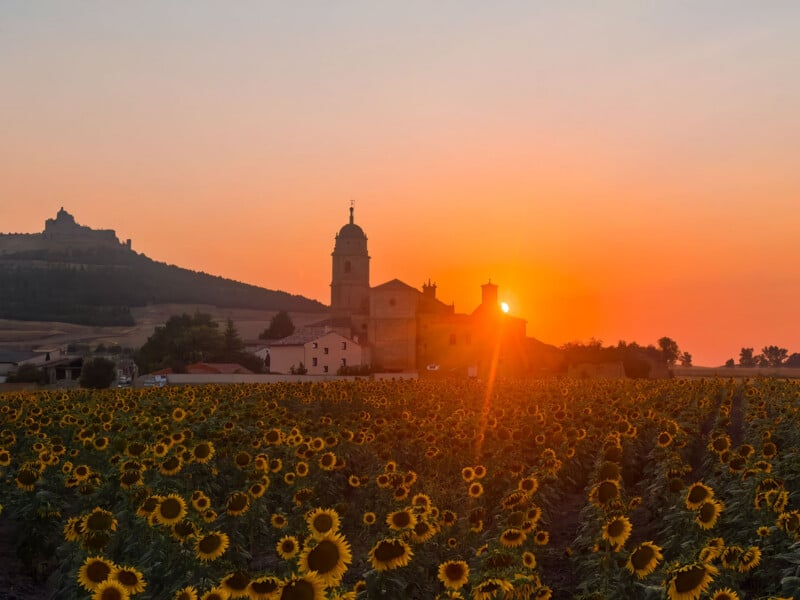
“I initially experimented with my 16-35mm, but it made distant elements feel too small. I eventually switched to the 24-70mm and settled at 38mm,” Fairbairn says. “That brought everything together: the sunflowers in the foreground, the church in the distance, the castle ruins on the hill to the left, and the progression of the eclipse crossing the scene, with totality positioned near the church.”
It was at this moment that Fairbairn’s photos became more than a record of an astronomical event — an incredible one, no less — and more of a story.
“What I especially love is that viewers seem to make the connection almost immediately: the eclipsed Sun traveling above a field of sunflowers. It is a very simple visual idea, but surrounded by all these other layers — the old church, the ruins, the landscape and this extraordinary celestial event — it became much richer than I had originally imagined.”
Technical Decisions In the Field
For these landscape sequences, Fairbairn captured bracketed exposures. For each sequence, he had a base exposure, a second shot two stops darker, and a third one two stops brighter. For example, one of his RAW file sequences was shot at 1/50, 1/200, and 1/800s.
“I deliberately chose this relatively aggressive bracketing because the light changes enormously during an eclipse, especially as totality approaches. I wanted a large exposure safety margin and plenty of information to work with later, rather than constantly changing settings during the event. I shot nearly 300 frames, using a Haida ND 3.0 filter, and powered the camera through a dummy battery connected to a power bank so the system could keep running without interruption,” the photographer says.
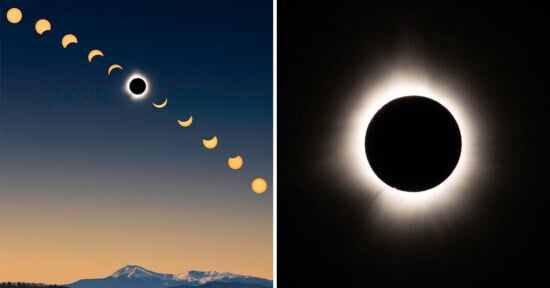
Fairbairn kept his cameras and compositions static throughout the eclipse, which lasted about 1 minute and 46 seconds at his location in northern Spain, and selected his best exposures from each sequence. He sometimes used the darker frames for processing, other times the brighter ones.
“For the sunflower image, I wanted the technical side to become almost invisible once everything was running. I had spent so much time preparing the composition, exposure strategy and automation precisely so that, when totality finally arrived, I wouldn’t have to spend those extraordinary seconds looking at the back of a camera,” Fairbairn says.
The Precious Moments of Totality
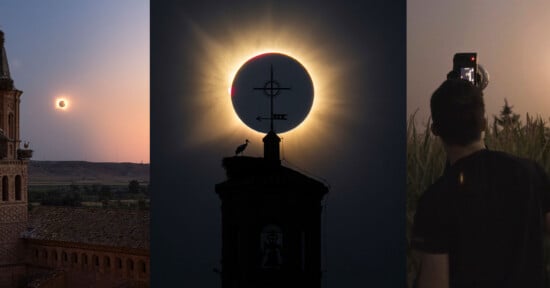
Speaking of totality, Fairbairn was near Castrojeriz, where he had 106 seconds of totality to photograph and enjoy. That second thing was essential to the photographer’s overall experience.
“One of the biggest mistakes we can make as photographers during an eclipse is becoming so focused on capturing it we forget to actually experience it,” Fairbairn says.
He was “very lucky” to travel to Spain with his sister. His sister was not only doing Kiko the job of recording behind-the-scenes photos and videos, including capturing the very moment the photographer “finally stopped looking” at his cameras and looked up at the eclipse with his own eyes.
“My reaction in that video says much more than I could probably describe in words. There is this immediate sense of shock and awe — almost disbelief at what I was seeing. I had spent more than a year planning the photographs, studying locations, thinking about compositions and preparing equipment, but none of that really prepares you for the visual and emotional impact of totality,” Fairbairn says.
“Photographing an eclipse is extraordinary. As a photographer, being able to create a composition, document the different phases, and tell a visual story about such a rare astronomical event is incredibly rewarding. But actually witnessing totality with your own eyes is something else entirely.
“For those 106 seconds, you are watching this extraordinary cosmic alignment happening right in front of you. The light changes, the landscape changes, and suddenly the Sun that you have seen every day of your life looks completely unfamiliar. It is beautiful, surreal, and, in the best possible way, genuinely shocking.
“If someone ever has the opportunity to witness a total solar eclipse, I would tell them: take the photograph, absolutely — but make sure you look up. Some photographs stay with you because of the image you bring home. Others stay with you because you remember exactly what it felt like to be standing there when you made them.”
For Fairbairn, while he nailed the photographic aspect of the total solar eclipse and even had time to enjoy it with his own eyes, he says his favorite part of the experience was sharing it with the people he loves.
“My sister was there with me, along with some very close friends from the Brazilian astronomy and astrophotography community, and I think that made an already extraordinary event much more meaningful,” Fairbairn remarks.
The Astrophotography Connection
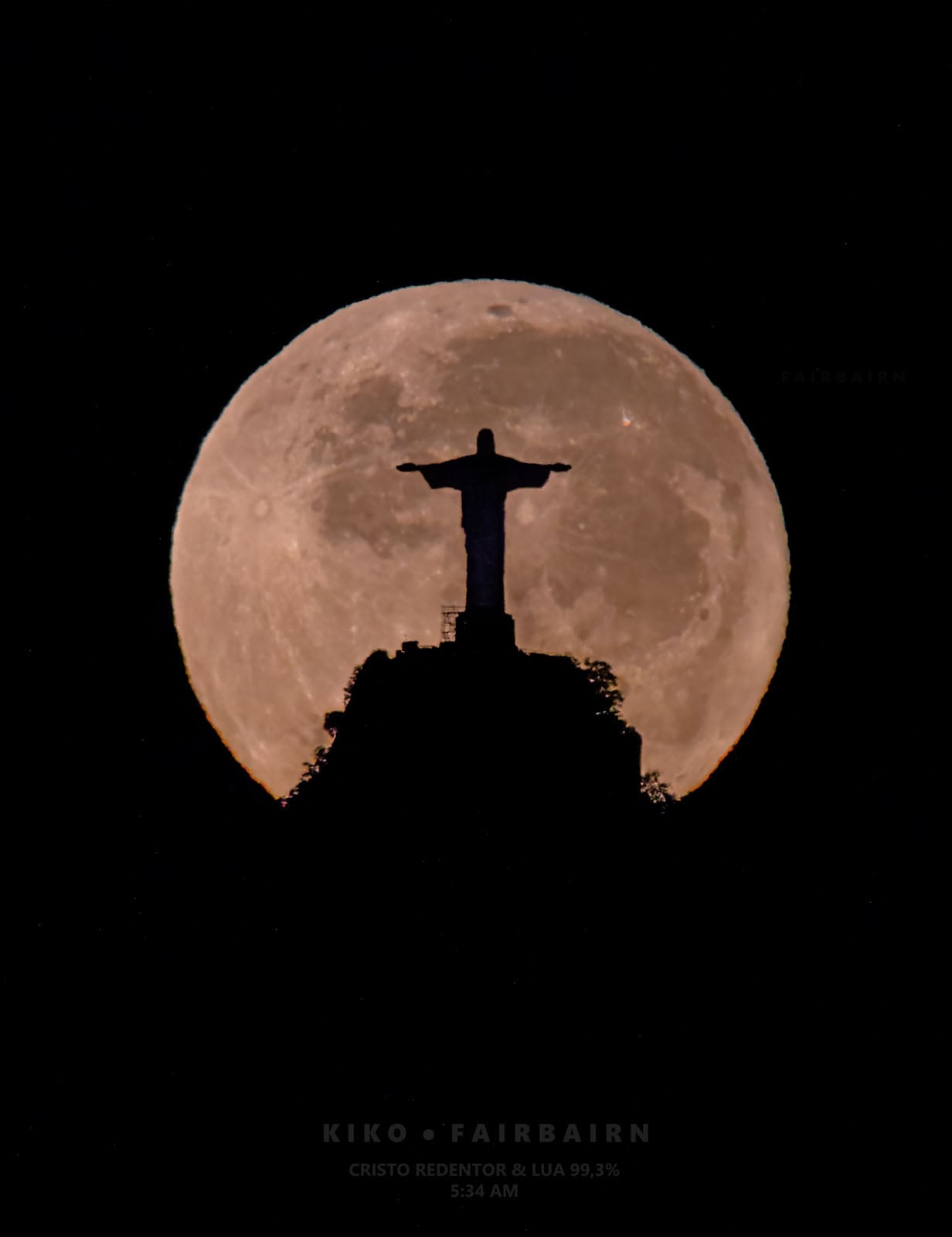
Fairbairn is a very accomplished astrophotographer, which makes something like a total solar eclipse all the more special. The two primary components, the Sun and the Moon, are frequent subjects in Fairbairn’s work.
During a total solar eclipse, these two celestial bodies must align perfectly, which Fairbairn describes as “almost unbelievable.”
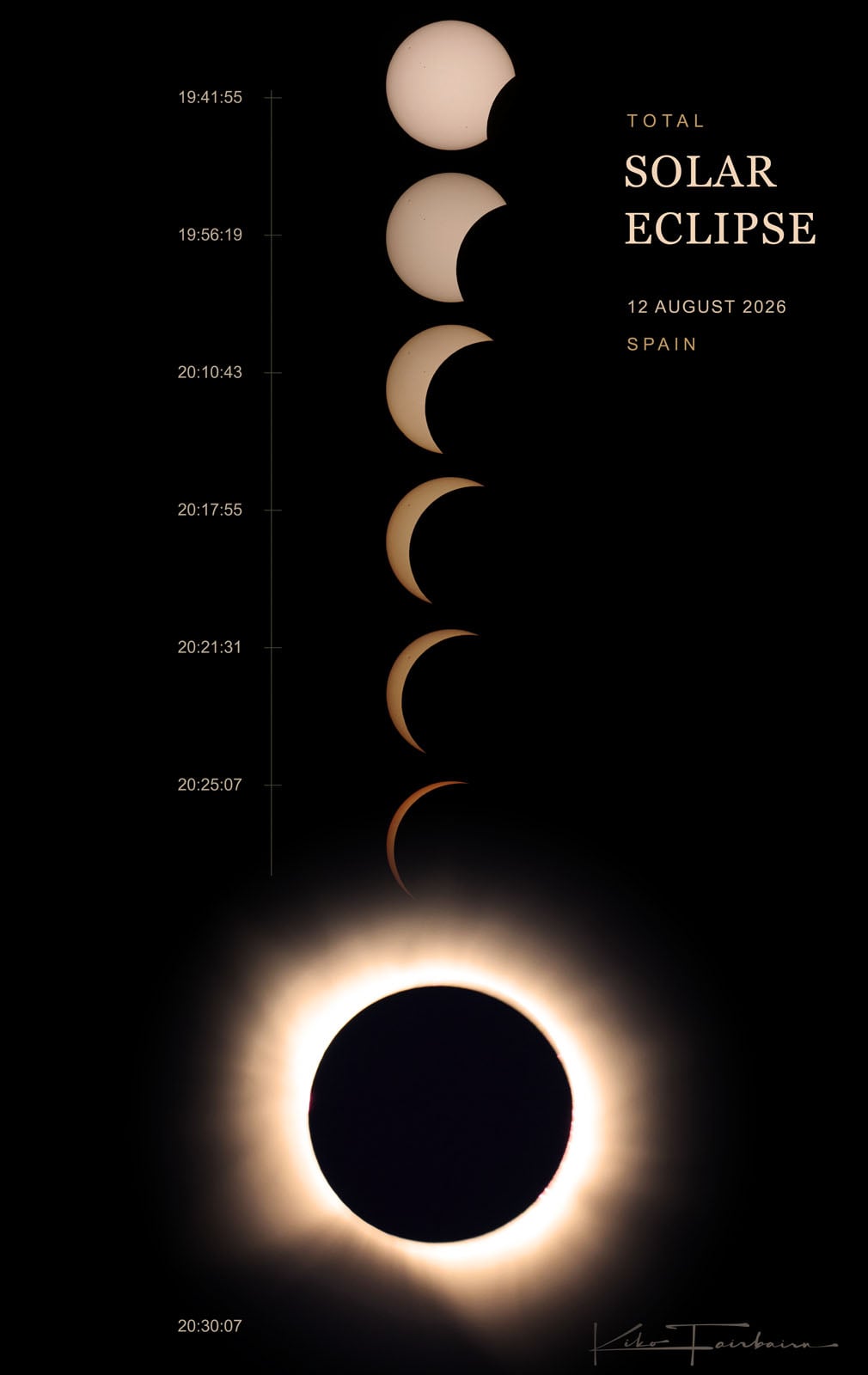
“The Sun is roughly 400 times larger than the Moon, but it is also roughly 400 times farther away from us, so from Earth they appear almost exactly the same size in the sky. It is this extraordinary coincidence of angular size that allows the Moon to cover the brilliant surface of the Sun so precisely during totality, revealing the solar corona around it,” the scientifically-minded photographer explains.
“When you understand that, watching an eclipse feels even more extraordinary. You are standing there witnessing this incredible cosmic dance between the Earth, Moon and Sun — something that requires all three bodies to align from exactly where you happen to be standing at that moment.”
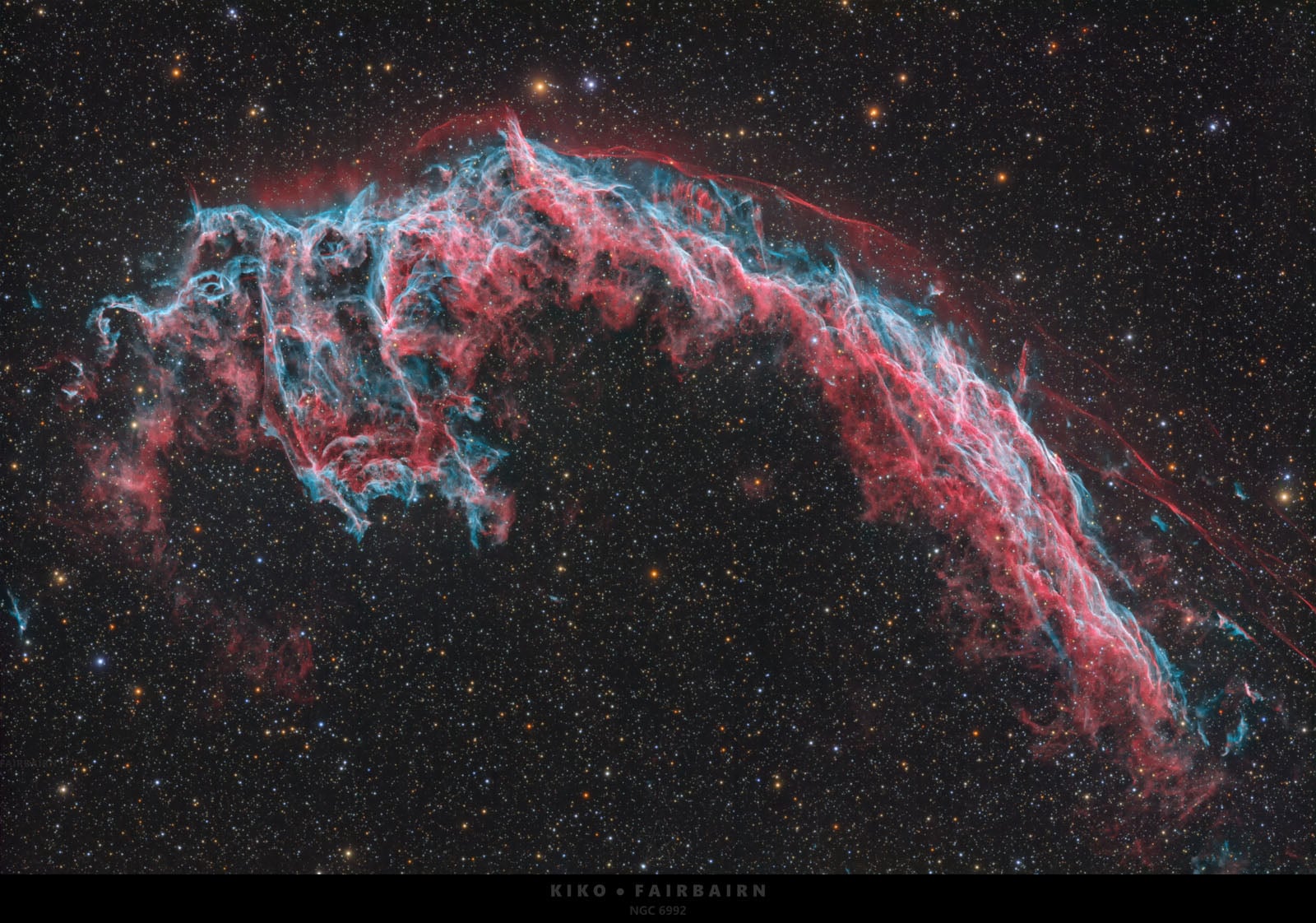
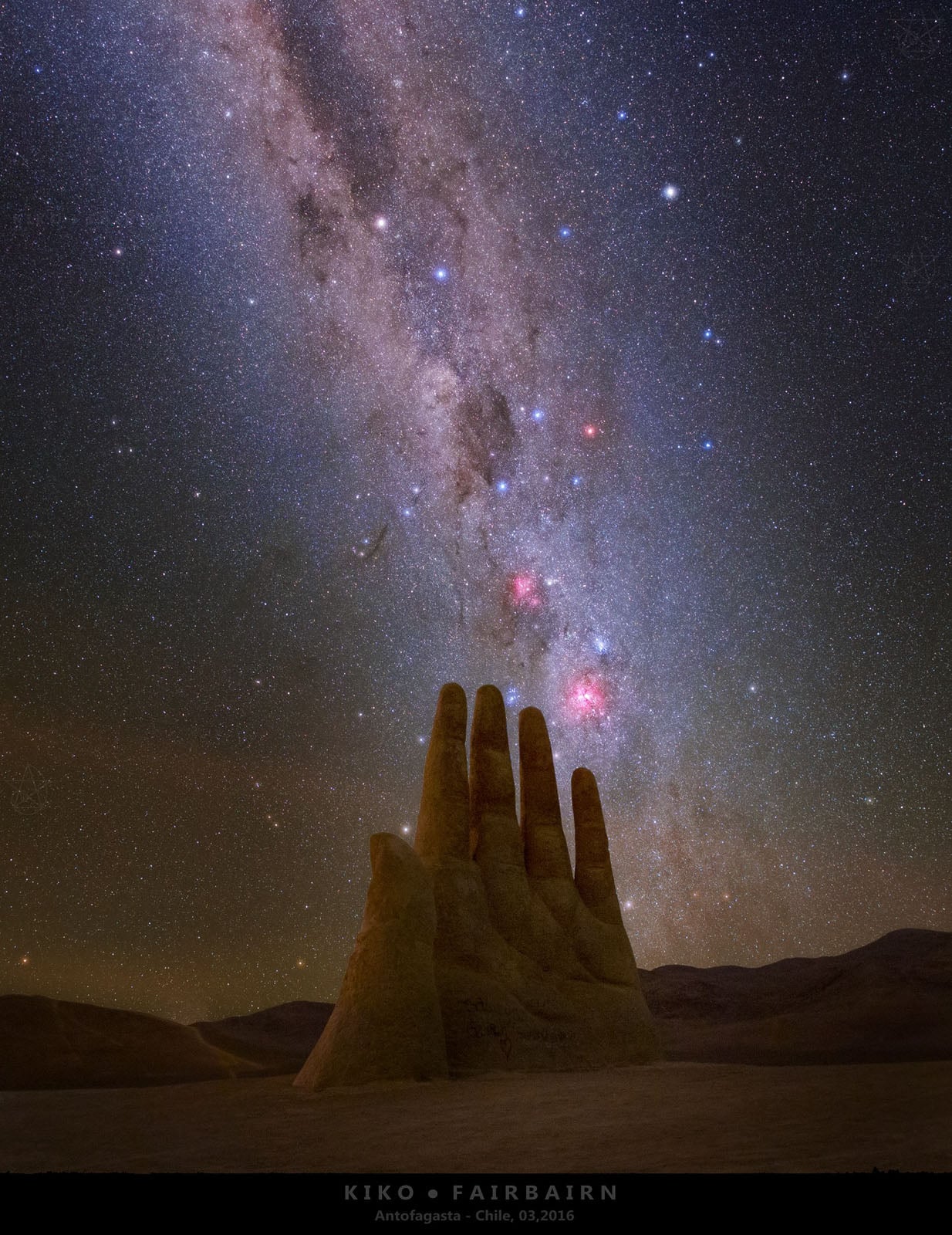
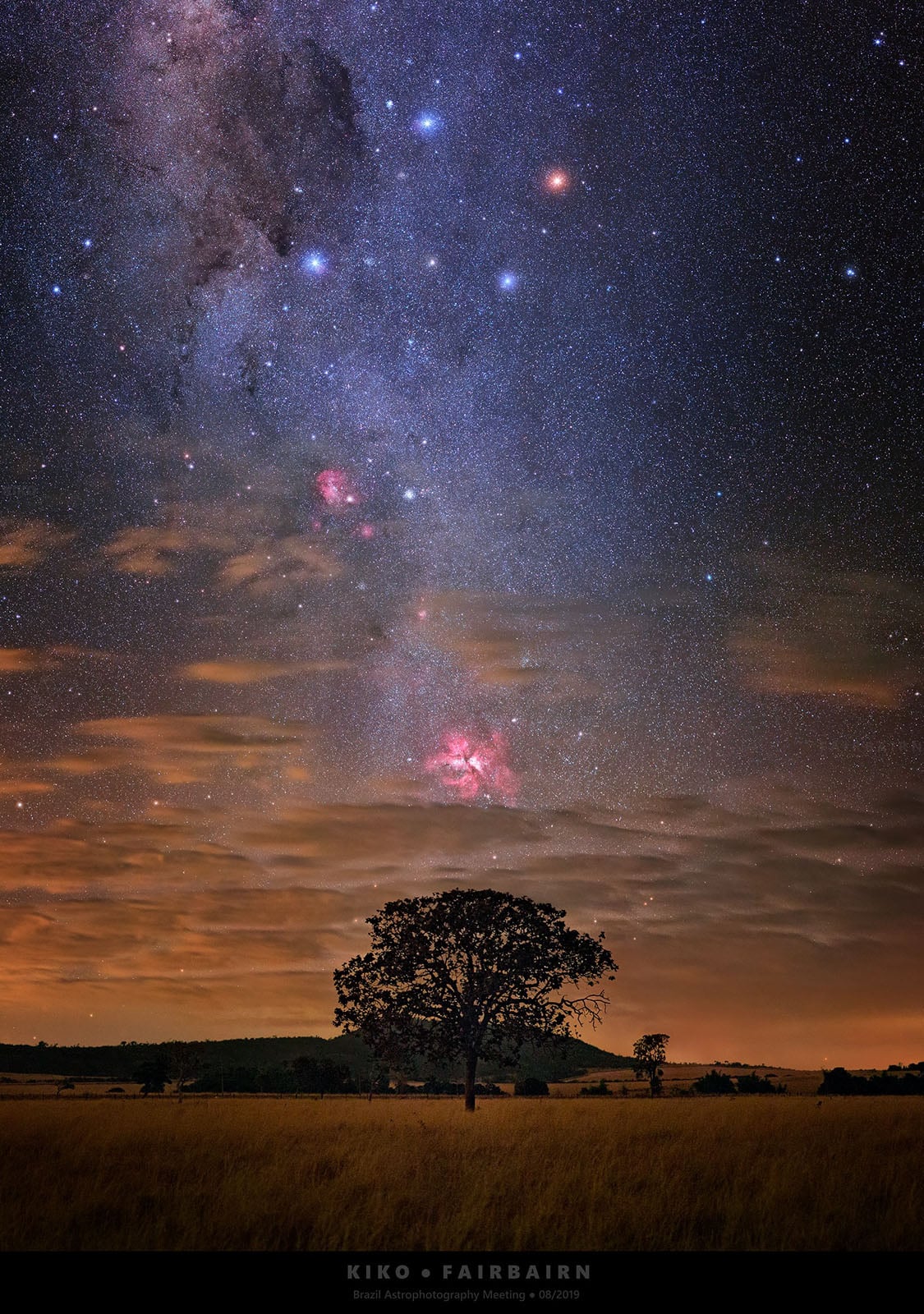
Astrophotography has been a huge part of Kiko Fairbairn’s life for more than 15 years. He works with deep-sky and landscape astrophotography, including complex tracked landscapes and panoramas. His work has been published by NASA, National Geographic, BBC, Scientific American, and more. He won the Sir Patrick Moore Prize in Astronomy Photographer of the Year in 2019, which is an outstanding achievement.
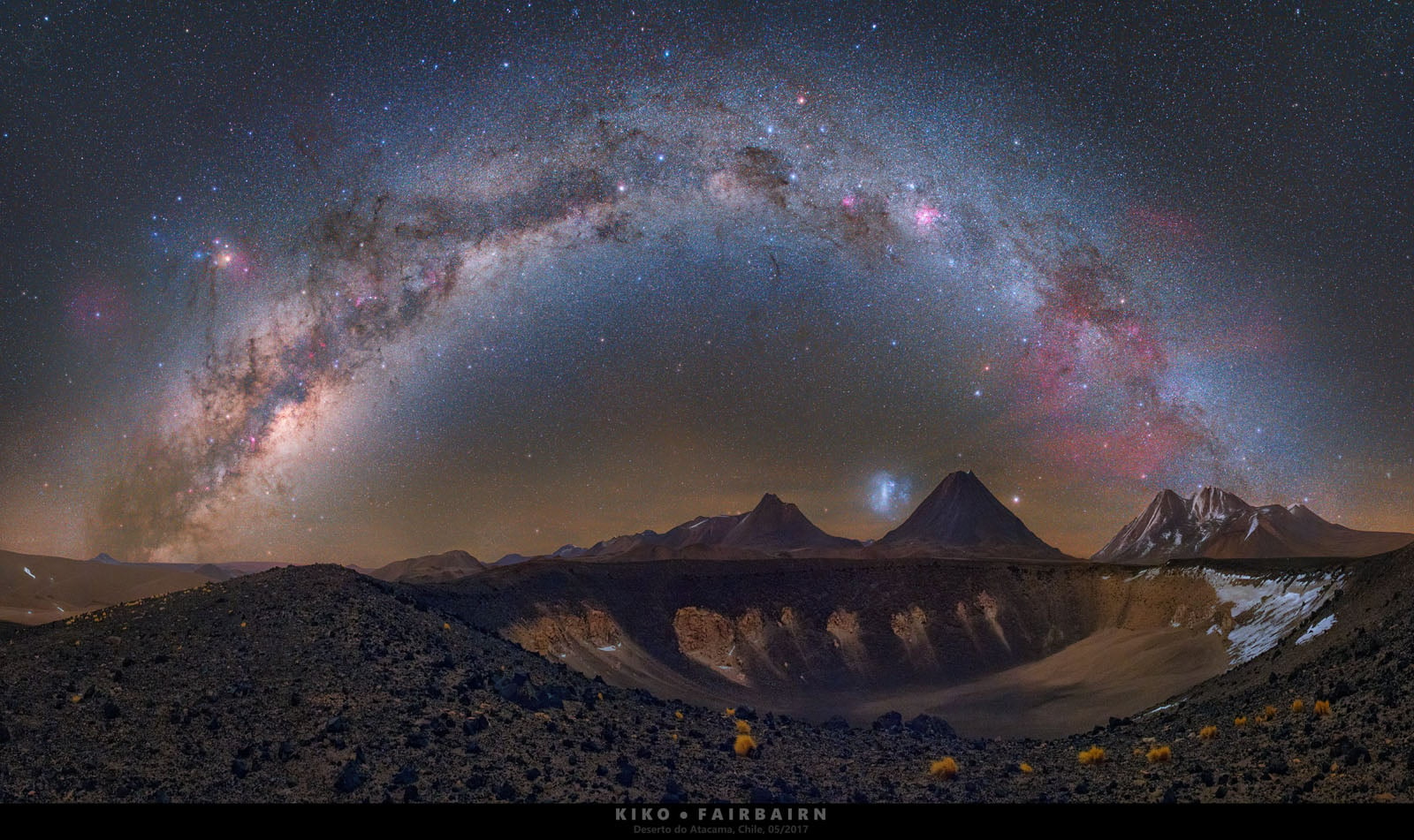
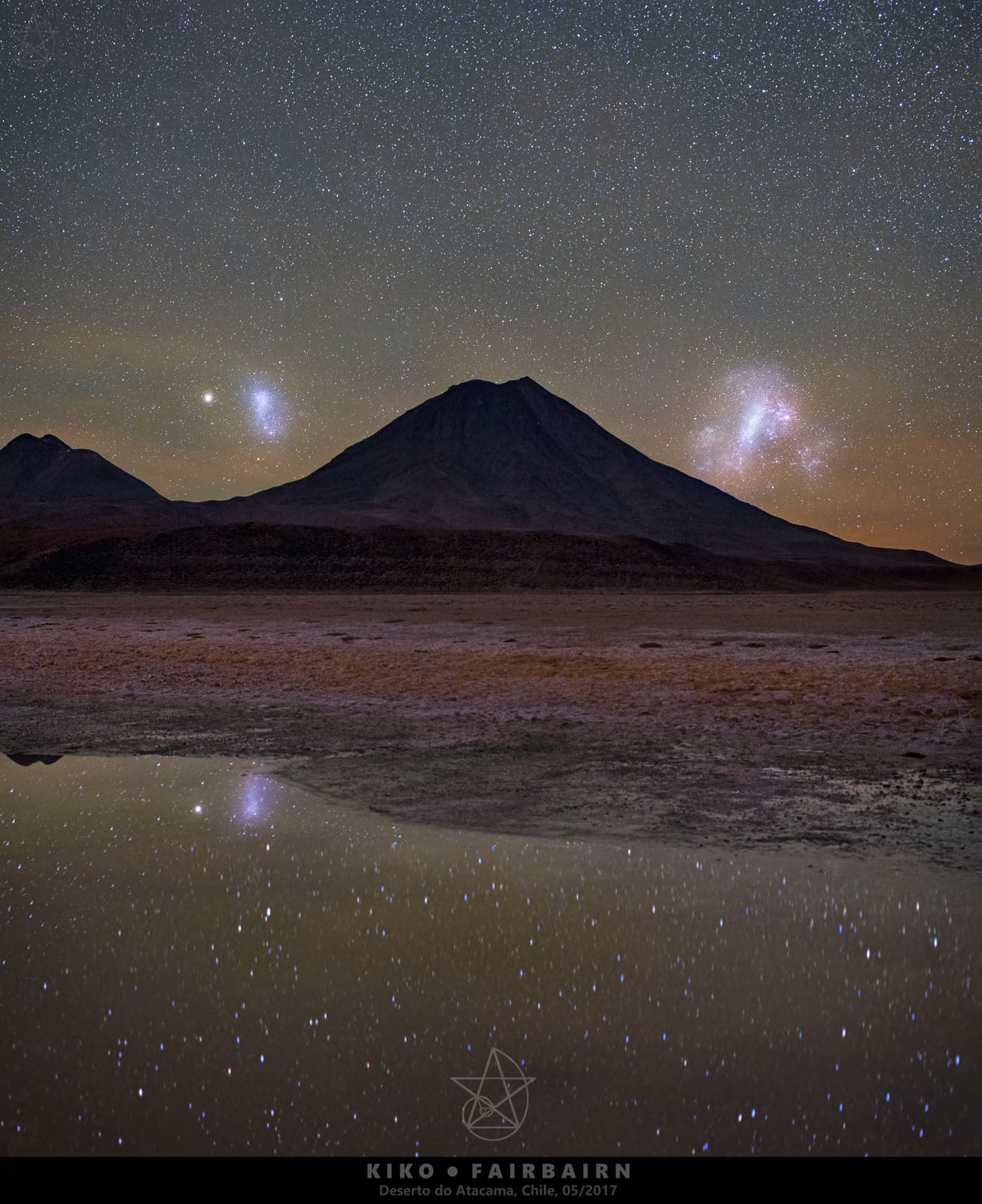
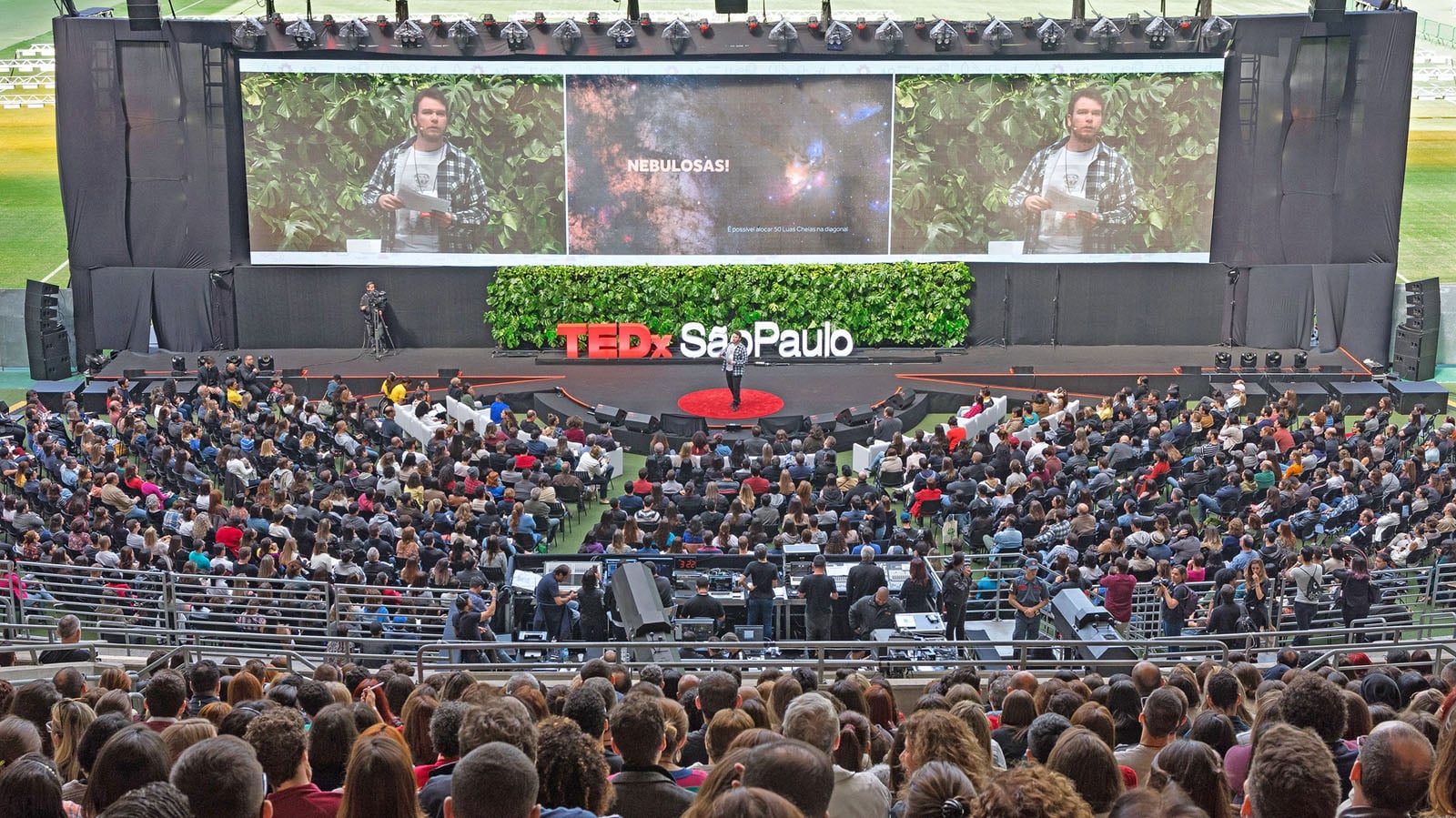
He’s also an accomplished speaker and educator, speaking in TED talks and at schools and observatories about the intersection of photography and science.
While most of his astrophotography is sophisticated and challenging, it is also often relatively slow-paced. In most cases, astrophotography happens over a long period. That’s not true with a total solar eclipse. You have less than two minutes, which is a blink of an eye in the astronomy world.

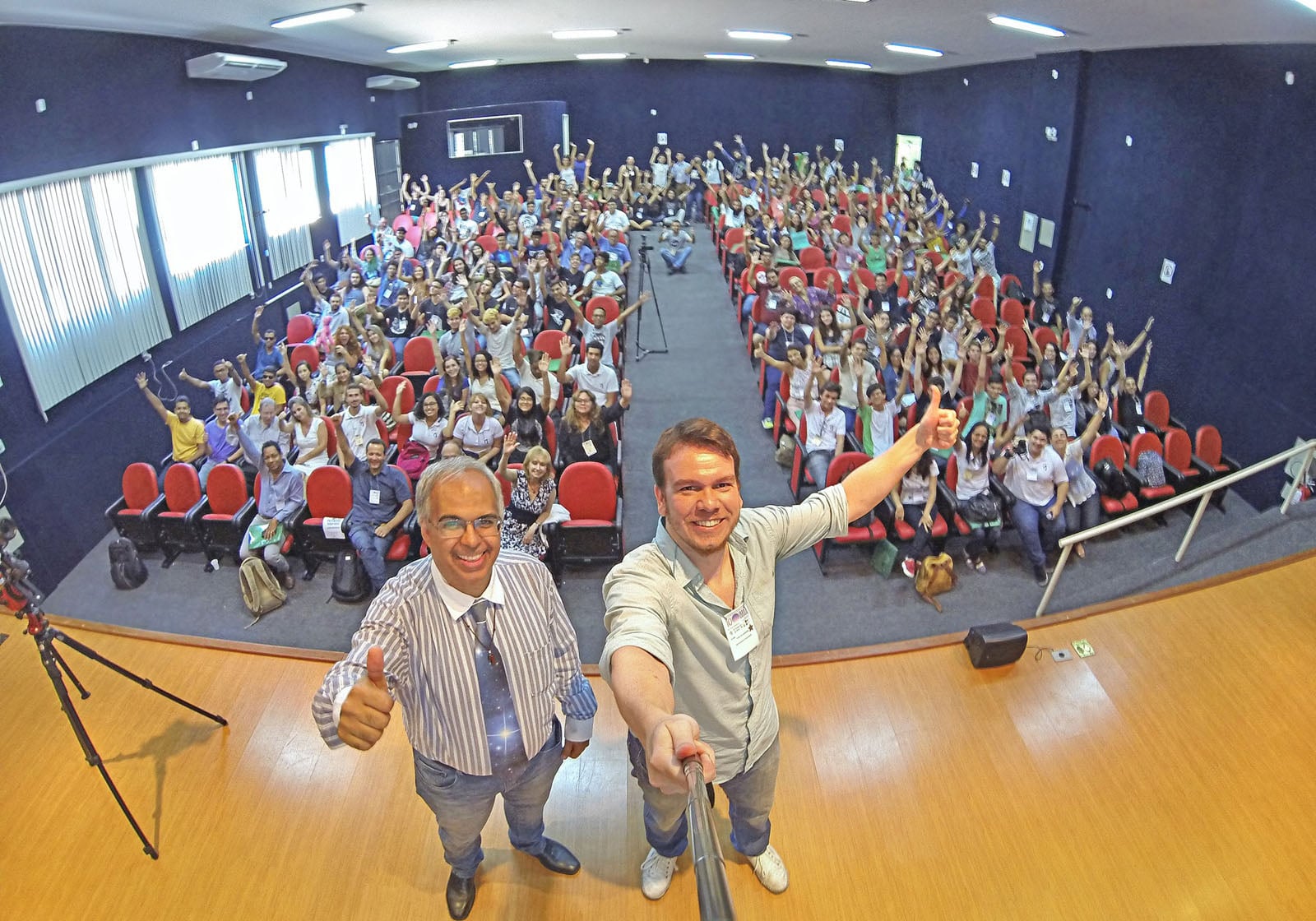
Fairbairn says something that will stay with him from the experience was enjoying it with people around him who share his passion for photography and astronomy. Everyone else there had invested a lot of time and energy, and, of course, money, to be there.
Being there with fellow passionate astrophotographers meant they could help each other with gear hiccups, support each other, and chat in the lead-up to the big moment, hopefully easing some of the collective nerves.
Fairbairn admits he was “pretty tense” before totality. It was the culmination of over a year of planning and a lot of work on the ground in Spain. There are no second chances. If you don’t nail everything under your control, that’s on you. And then there are the factors outside your control, which are no less stressful.
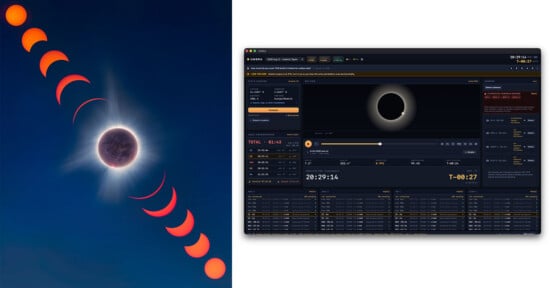
Fairbairn used apps to scout the position of the Sun and Moon during the total solar eclipse from his precise position and with his exact composition, but he says he had a voice in the back of his head until the very last moment, questioning whether he had gotten it right.
“I remember a real sense of relief when I realized the trajectory was falling beautifully into the composition.”
“Sharing that experience with my sister and close friends made it very special, Fairbairn adds. “Sharing those 106 seconds with my sister and with dear friends is something I will carry with me for the rest of my life. It was genuinely one of the highlights of my life.”
Image creditsPhotos by Kiko Fairbairn (@kikofairbairn). Additional behind-the-scenes work by Fairbairn’s sister.
Affiliate Disclosure PetaPixel articles may include affiliate links; we may earn a commission if you buy through one.