Rare
FDA warns GLP-1 drugs may pose risk of rare condition that causes vision loss
The risk appears small and data is mixed, but FDA wants patients to be aware.
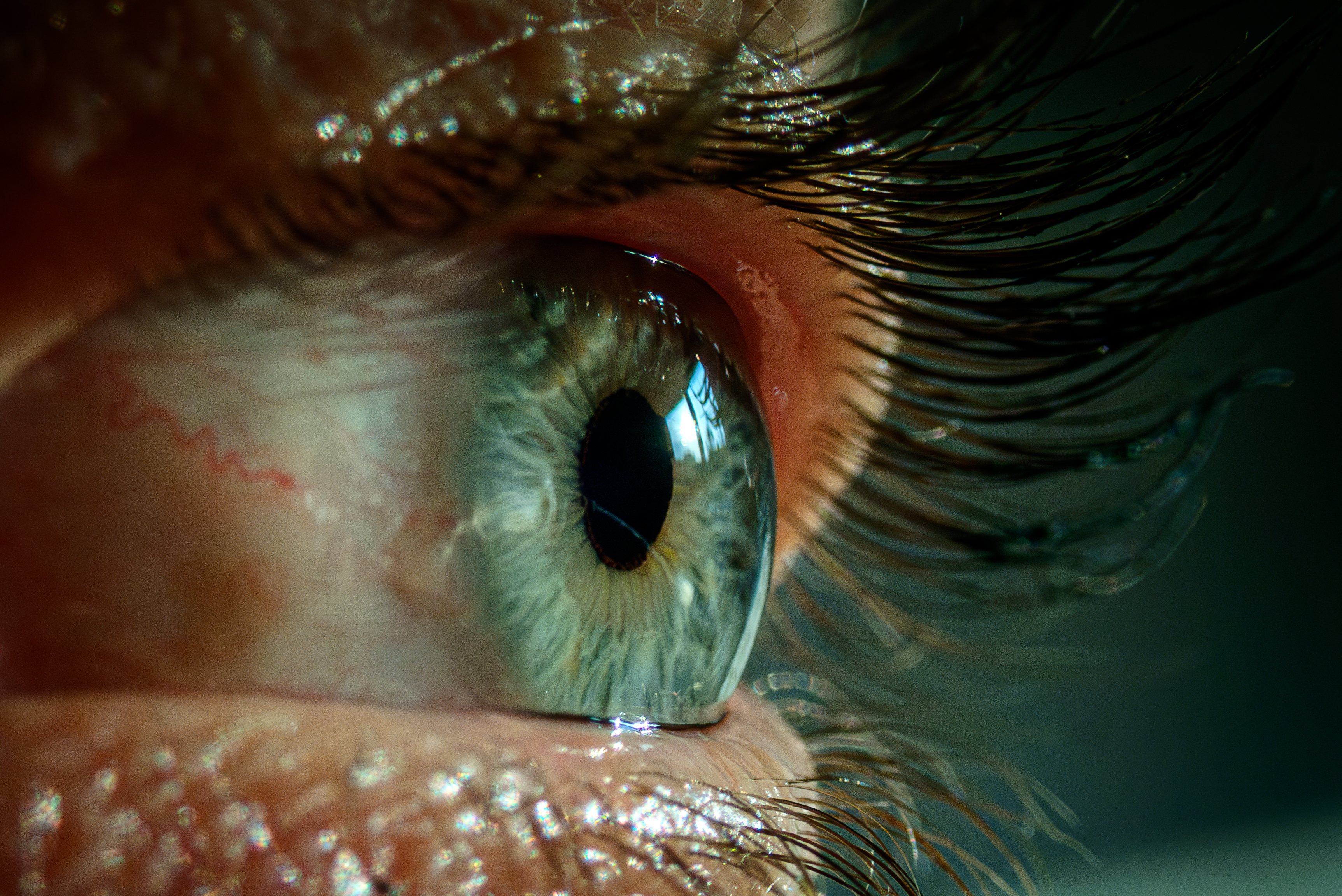
The Food and Drug Administration is warning that popular obesity drugs—including Ozempic, Wegovy, Zepbound, and Mounjaro—may carry a “potential increased risk” of a rare eye condition that can lead to permanent vision loss.
In a drug safety communication Monday, the FDA said it will now require makers of GLP-1 receptor agonist drugs to add a warning about that risk on their drug labels. The specific eye condition it warns of is called non-arteritic anterior ischemic optic neuropathy or NAION. The condition is caused by restricted blood flow to the optic nerve, which leads to swelling and cell death and ultimately damages the nerve, causing abrupt vision loss that can often be permanent.
It’s unknown how GLP-1 drugs may cause NAION. The condition is rare overall, occurring in somewhere between two and 10 people in 100,000 in the general population, according to the American Academy of Ophthalmologists. These small numbers have made it more difficult to determine with certainty if there is a connection. Further complicating the potential link is the fact that the risk factors for developing NAION are common among patients taking GLP-1 drugs. The risk factors include diabetes, cardiovascular disease, high blood pressure, high cholesterol, metabolic syndrome, and obstructive sleep apnea.
Mixed data
The first study suggesting a link between GLP-1 drugs and NAION came in 2024 from Harvard researchers. Their study, published in JAMA Ophthalmology, looked at 710 patients with diabetes and 979 patients with either overweight or obesity. In each group, some of the patients were taking semaglutide (Ozempic/Wegovy), while others were taking non-GLP-1 antidiabetic or weight loss drugs. The researchers found in both patient groups that those taking GLP-1 drugs after 36 months had higher rates of NAION. Among the diabetes patients, 8.9 percent of patients on semaglutide had the eye condition, while only 1.8 percent of patients in the non-GLP-1 groups developed it. Similarly, among those with overweight/obesity, 6.7 percent of patients on a GLP-1 had NAION compared with 0.8 percent in the non-GLP-1 group.
The study had significant limitations, though. The patients were all from one referral center that treated most of the region’s NAION cases. The overall incidence rates of NAION in the studied patients were much higher than the rates seen in the general population. This suggests there may have been selection bias and that the results are not generalizable. The study also did not look at the severity of diabetes in the patients, which can influence the risk of NAION. Last, the study didn’t offer any hints as to how GLP-1 drugs may contribute to NAION—and researchers remain uncertain of a possible mechanism.
After that study, other researchers began digging into more data, conducting meta-analyses, mining databases, and running observational studies to assess the potential link. Overall, the results were mixed. Some studies found no link, or only found links in specific comparisons, while others backed up the association. For instance, a meta-analysis of 78 randomized controlled trials found that semaglutide did not increase the risk of eye disorders generally, but did increase the risk of NAION. However, the finding was based on just five trials that specifically reported NAION events.
Another study that used an electronic health records database looked at 37.1 million patients with diabetes. It found that semaglutide generally wasn’t linked to NAION. The study only saw an increased risk in a very specific analysis: When patients taking semaglutide were compared to patients taking one specific anti-diabetes drug (empagliflozin)—which was one of three comparator drugs in the study—and only when the researchers used a specific definition for NAION cases that included having a confirmatory diagnostic code in the patients’ records.
In the announcement Monday, the FDA reported it had conducted its own meta-analysis, which included 126 trials that collectively contained data on over 130,000 patients. From there, the FDA identified 15 probable NAION cases: 10 in patients taking a GLP-1 drug, five in patients who received a placebo, and none in patients on non-GLP-1 drugs. The agency also did a retrospective cohort study of patients with type 2 diabetes who took a GLP-1 or one of two common diabetes medications between 2019 and 2024. The non-GLP-1 drugs were either a sodium glucose co-transporter-2 (SGLT-2) inhibitor or a dipeptidyl peptidase-4 (DPP-4) inhibitor. The agency found no increased risk of NAION in patients taking a GLP-1 compared to those taking an SGLT-2, but there was an increased risk compared to those taking DPP-4.
Consensus
The FDA’s decision to require drug makers to add the potential risk to labels follows a conclusion from the European Medicines Agency in 2025, which carried out its own review and concluded that “NAION is a very rare side effect of semaglutide (meaning it may affect up to 1 in 10,000 people taking semaglutide).” The EMA, like the FDA, ordered labeling to reflect the possible risk. But it also recommended that if NAION is confirmed in patients taking semaglutide, patients should stop taking the GLP-1 drug.
The FDA’s statement has a more flexible recommendation, advising healthcare providers to “consider discontinuing the GLP-1 RA in patients who develop NAION, unless the benefits of treatment clearly outweigh the risk.”
That recommendation echoes the recommendation from the American Academy of Ophthalmologists and the North American Neuro-Ophthalmology Society. In May, the two groups published a joint consensus statement that recommended “shared decision-making between the patient and their care team” on whether to start, continue, or discontinue taking a GLP-1 drug if NAION develops or if a patient is at higher risk.
In an emailed statement to Ars Technica, the American Academy of Ophthalmologists said their recommendation has not changed with any new data since May and that the FDA’s stance is “broadly consistent with the conclusions of the joint statement” from May.
The academy holds that “there may be an association between GLP-1 [receptor agonist] use and NAION, but NAION remains rare, any increase in absolute risk appears small, and causation has not been established.” The organization also highlighted that the FDA’s warning spans across the class of GLP-1 drugs, while most of the studies so far have focused on semaglutide. “Data for individual GLP-1 medications other than semaglutide remain more limited, and whether any association differs among individual agents or patient populations remains uncertain,” the academy wrote.
The ophthalmologists again emphasized shared decision-making between patients who develop NAION and their care providers. “GLP-1 medications can provide important benefits for patients with diabetes, obesity, and cardiovascular disease, and the benefits and risks of stopping treatment may differ substantially from patient to patient. The decision to continue or discontinue treatment should therefore be made with the patient’s care team, taking into account the indication for treatment, overall health, alternative therapeutic options, and the potential risk to the fellow eye.”