Special Feature
Two Sports Photographers Reveal What It’s Like to Shoot the World Cup
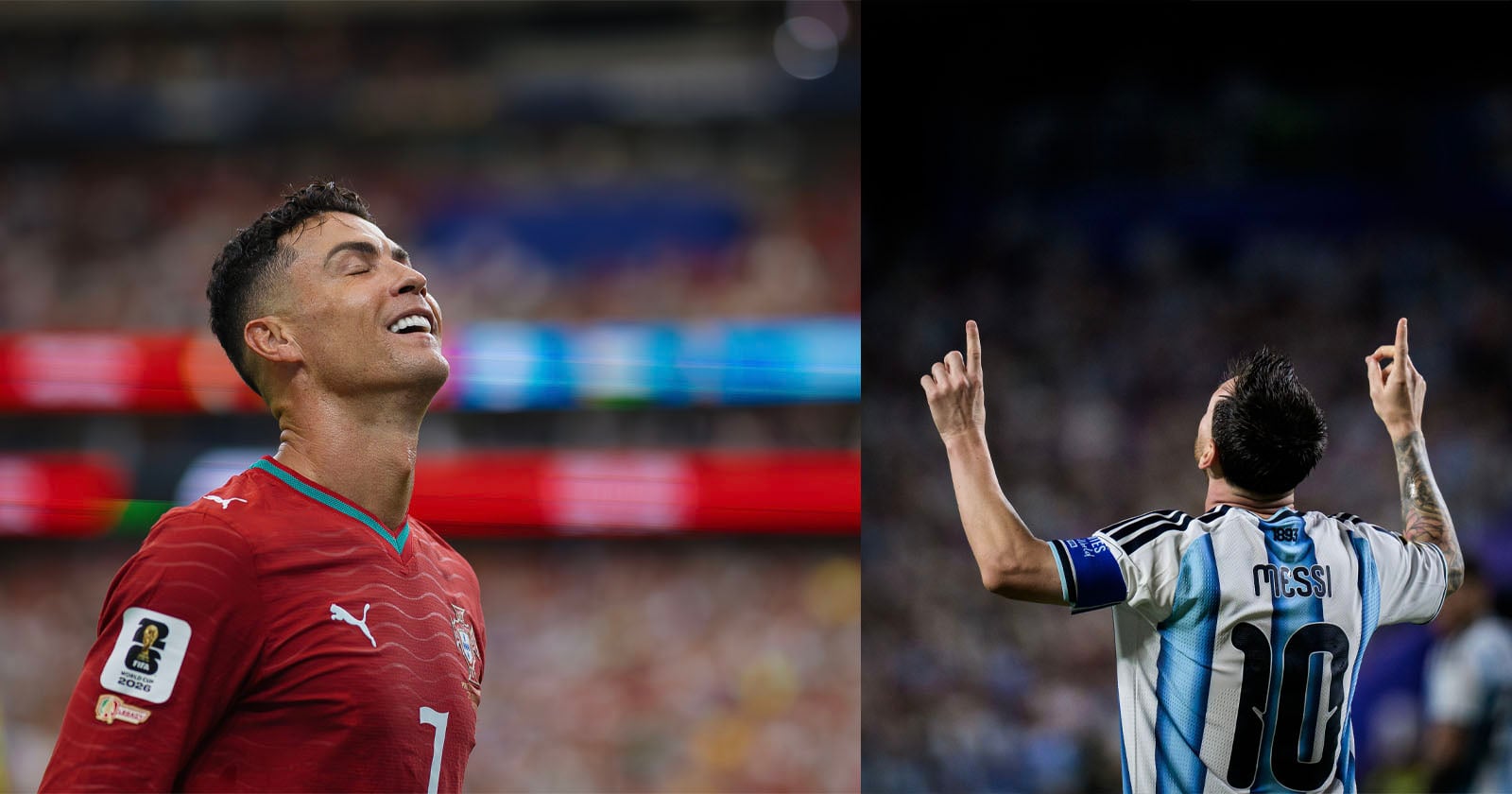
The 2026 FIFA World Cup has come to its conclusion — with Spain lifting the trophy. But what was it like covering this year’s expanded tournament as a photographer? PetaPixel spoke to two of them to find out.
Andrew Hancock and Joel Marklund had very different briefs coming into the World Cup. While they are both Nikon Ambassadors, Marklund runs the Scandinavia-based Bildbyrån sports photo agency and was very much focused on Norway and Sweden. Hancock, while also shooting for a photo agency, was pushing himself to find a unique image while dealing with the restrictions placed upon him by FIFA, more on that later.
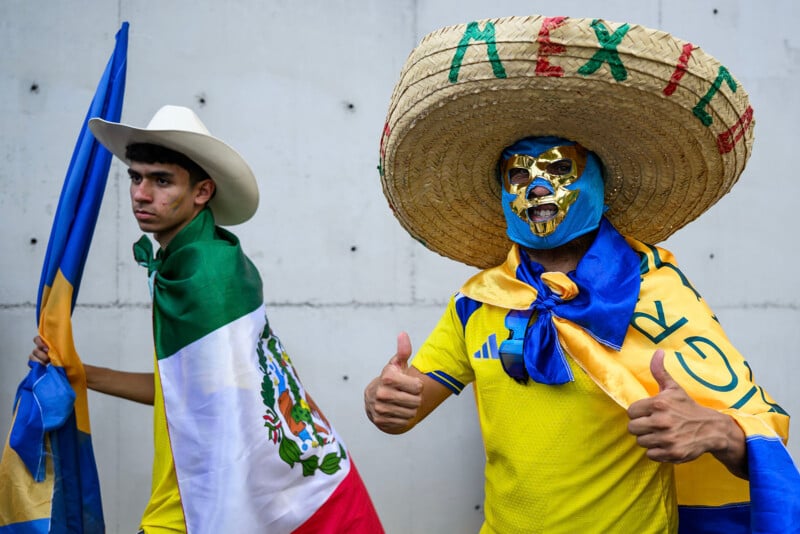
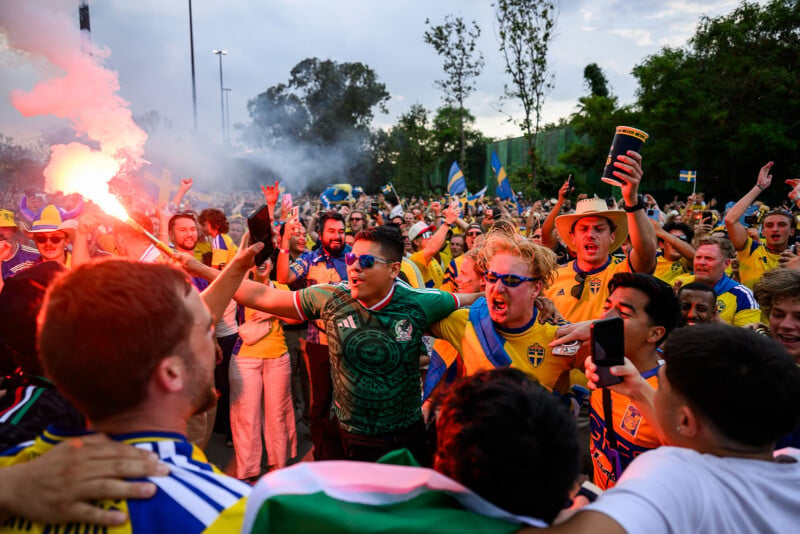
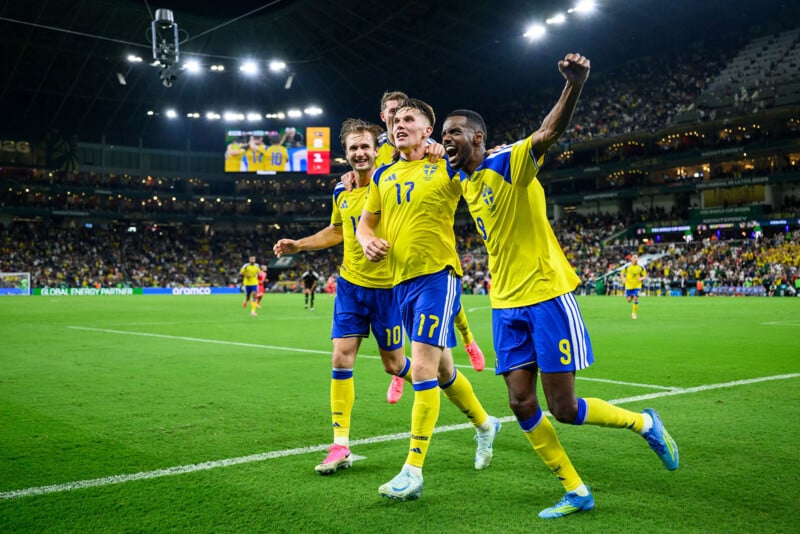
Marklund tells PetaPixel that compared to the 2022 World Cup in Qatar, which involved record-breaking short distances between games and meant he could cover two games in one day, the 2026 World Cup hosted by the U.S., Mexico, and Canada, was very different.
“For me, I covered four matches in four days at the beginning of the World Cup,” the photographer says. “It was a very intense trip with no sleep during two of those four nights when there were late matches combined with the earliest possible morning flights to the next location.”
Marklund covered Sweden vs. Tunisia in Monterrey, Mexico, and then scrambled up to Los Angeles for the newsworthy game between Iran and New Zealand. He also got to Argentina vs. Algeria in Kansas City, and England vs. Croatia in Dallas.
“Following those matches, I had to return to Europe to work at Wimbledon for two weeks, but returned right after to the U.S. for the two semifinals in Dallas and Atlanta and finally the final in New Jersey,” he adds.
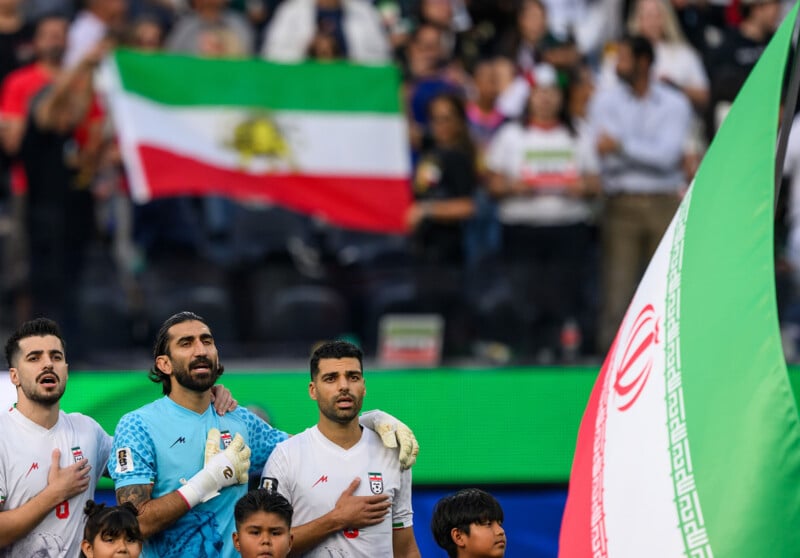
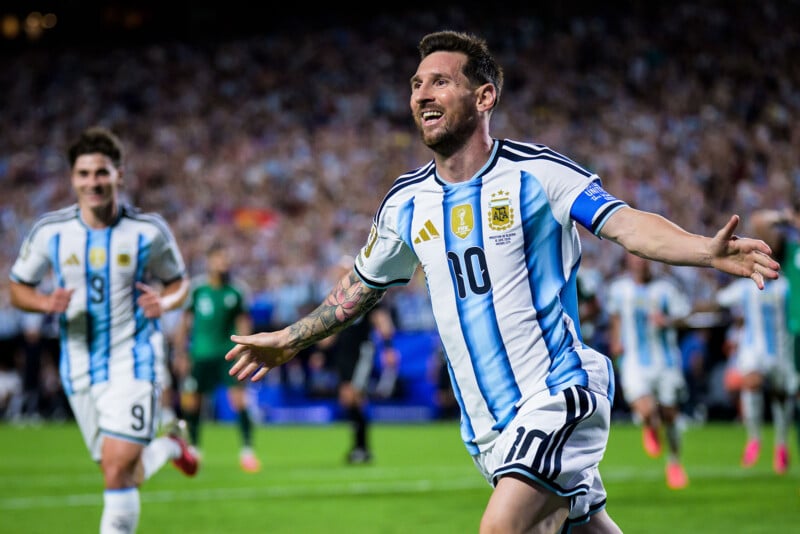
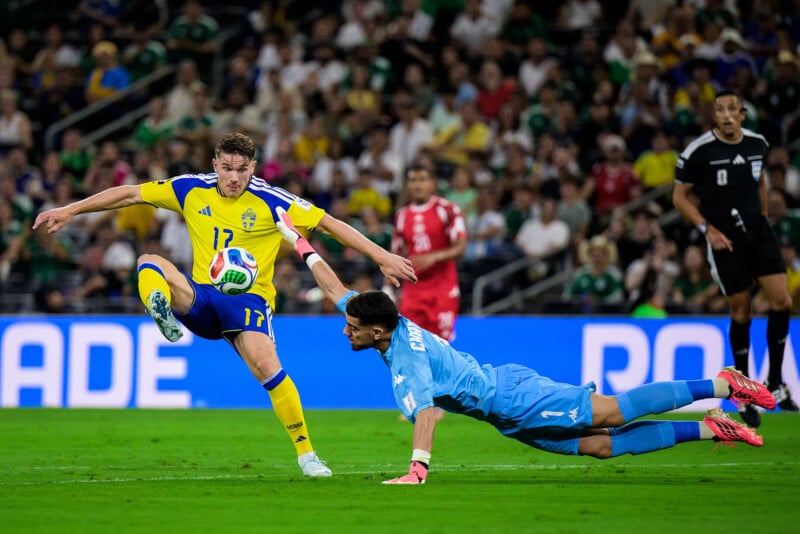
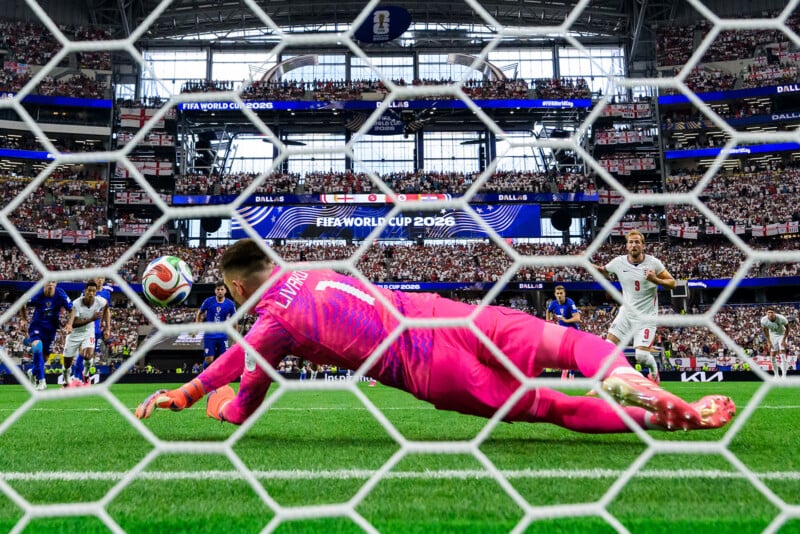
Marklund also covered the final yesterday, which meant leaving Manhattan at 7 A.M. — even though the game didn’t start until 3 P.M.
“You would think that eight hours ahead of the match is a bit of overstretching things, but a World Cup final always means heavy security and long queues of media entering the stadium area,” Marklund says.
“We also knew beforehand that the U.S. President would attend the final, meaning another layer of security from the Secret Service. Even with that early arrival, it took more than three hours to enter the stadium security perimeter.”
For the final, Marklund’s primary focus was the trophy lift and the celebrations afterward, which Trump was present for.
“Leading up to this, we had seen the most commercialized World Cup ever, with, among other things, the hydration breaks which were used for advertising opportunities, but also witnessed U.S. player Folarin Balogun’s red card suspended after Trump talking to FIFA, affecting the actual game itself,” he says.
“As predicted, FIFA president Gianni Infantino tried to maneuver things, but Donald Trump stayed put and didn’t leave the podium when the winning team Spain celebrated with the World Cup trophy. For me, that photograph sums up this tournament: that the sport is just a puzzle piece of the bigger picture.”
That photo is in the gallery below:
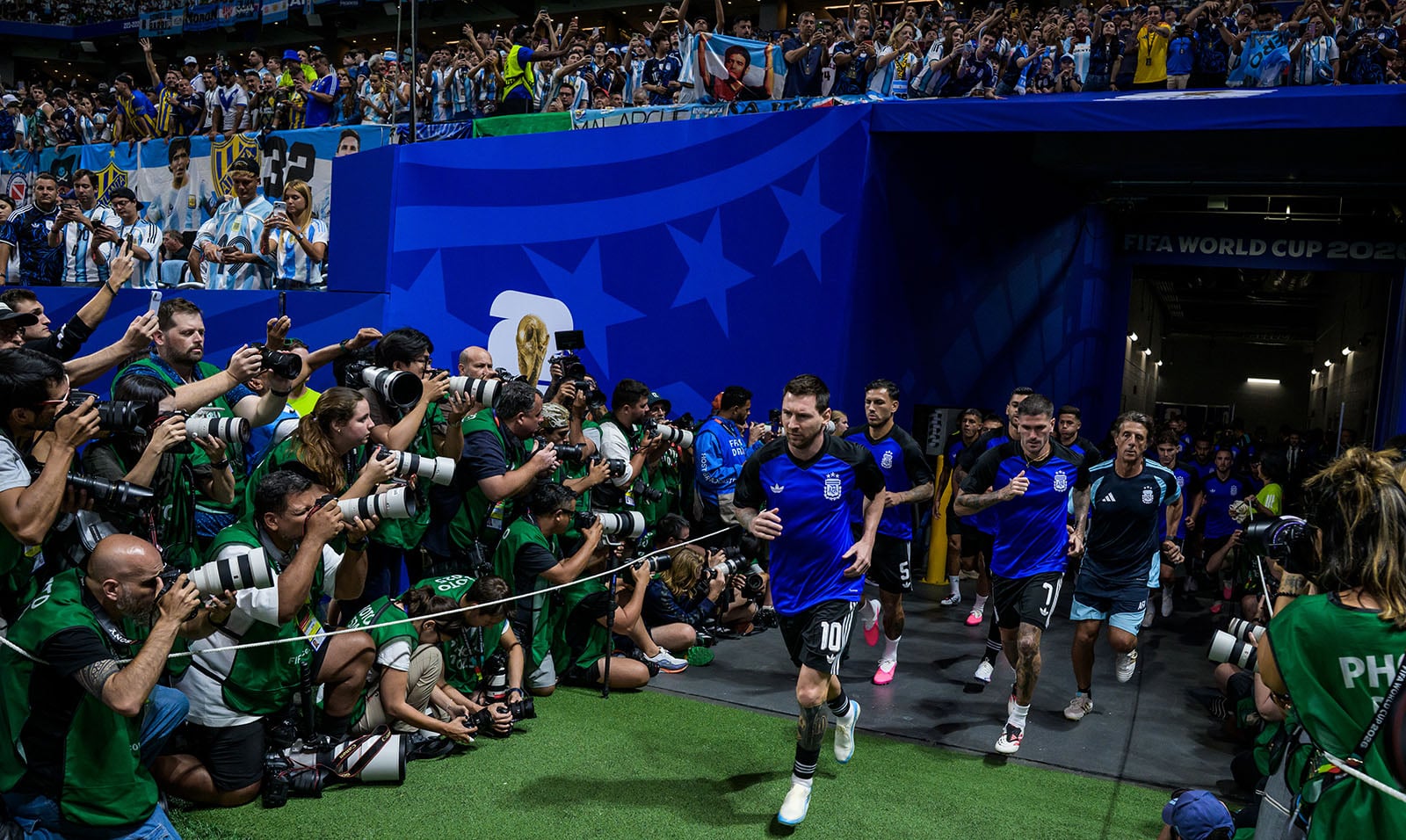
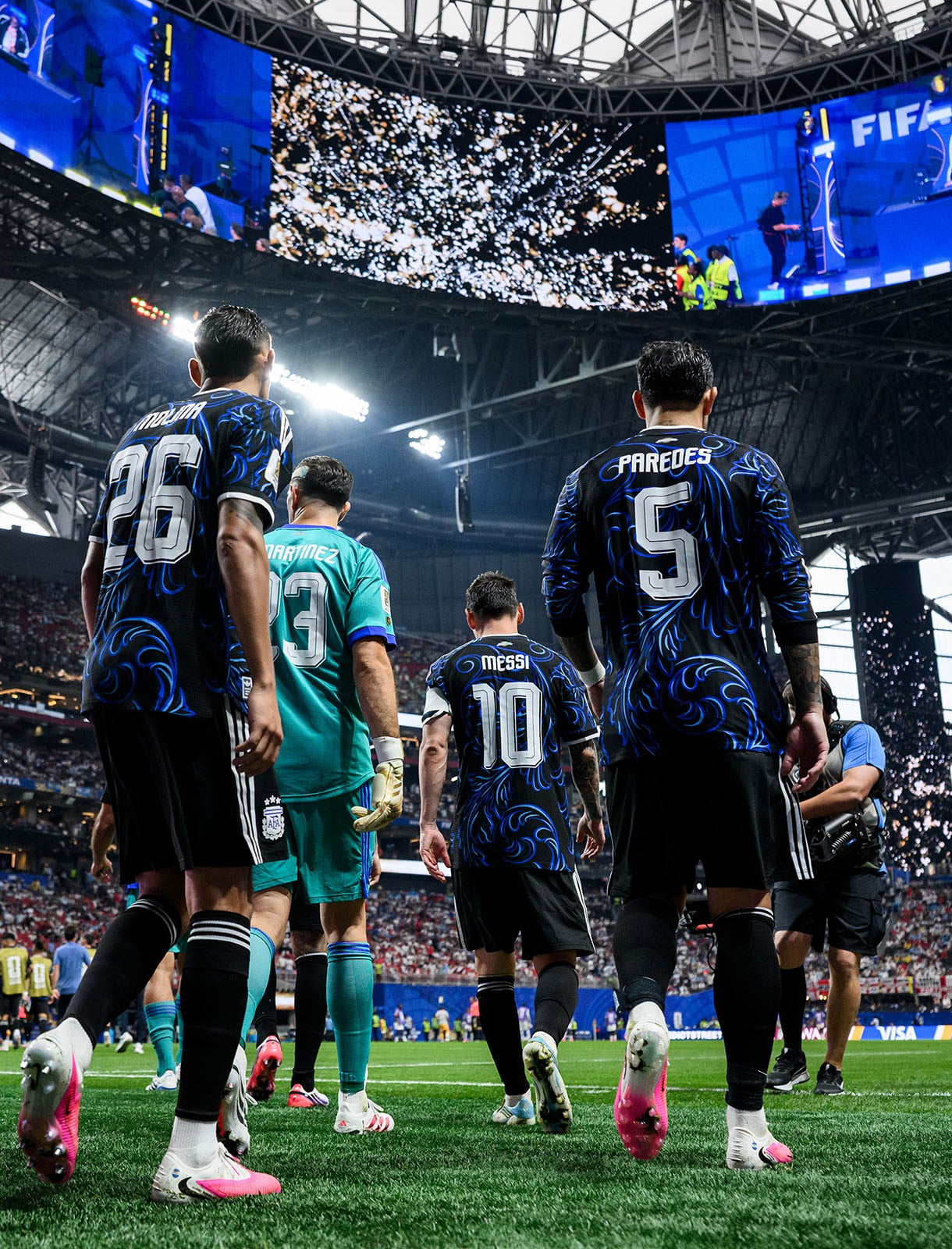
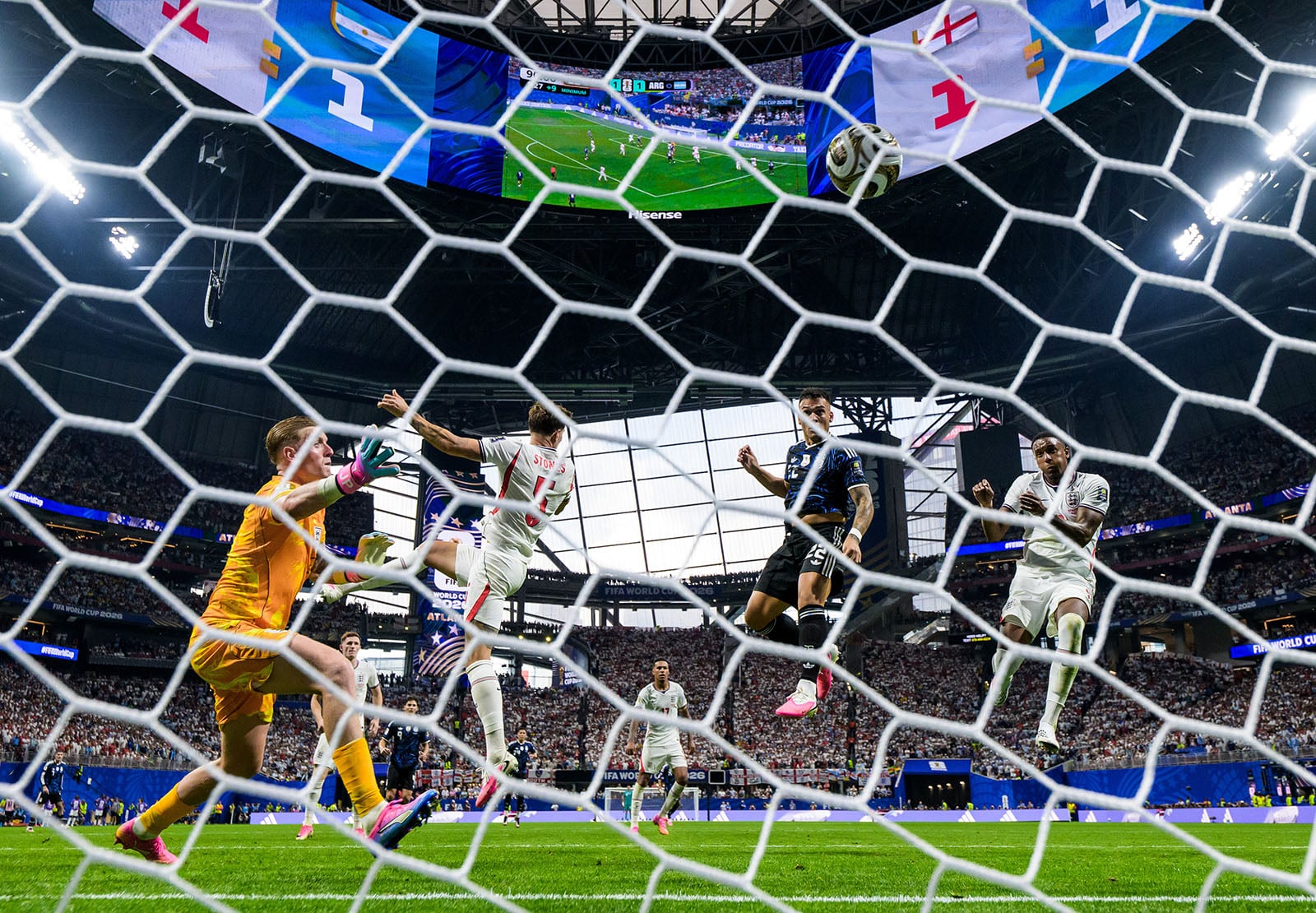
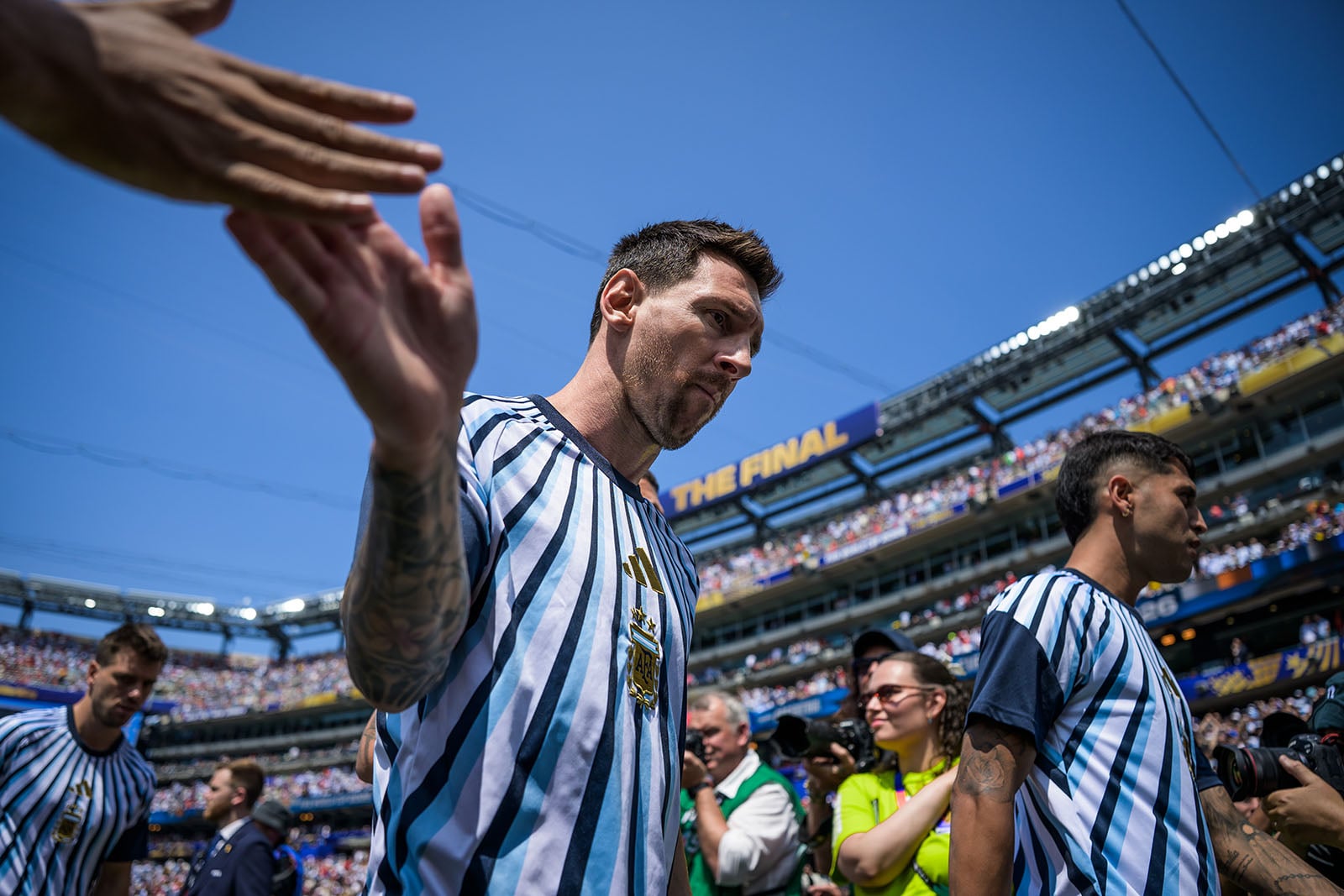
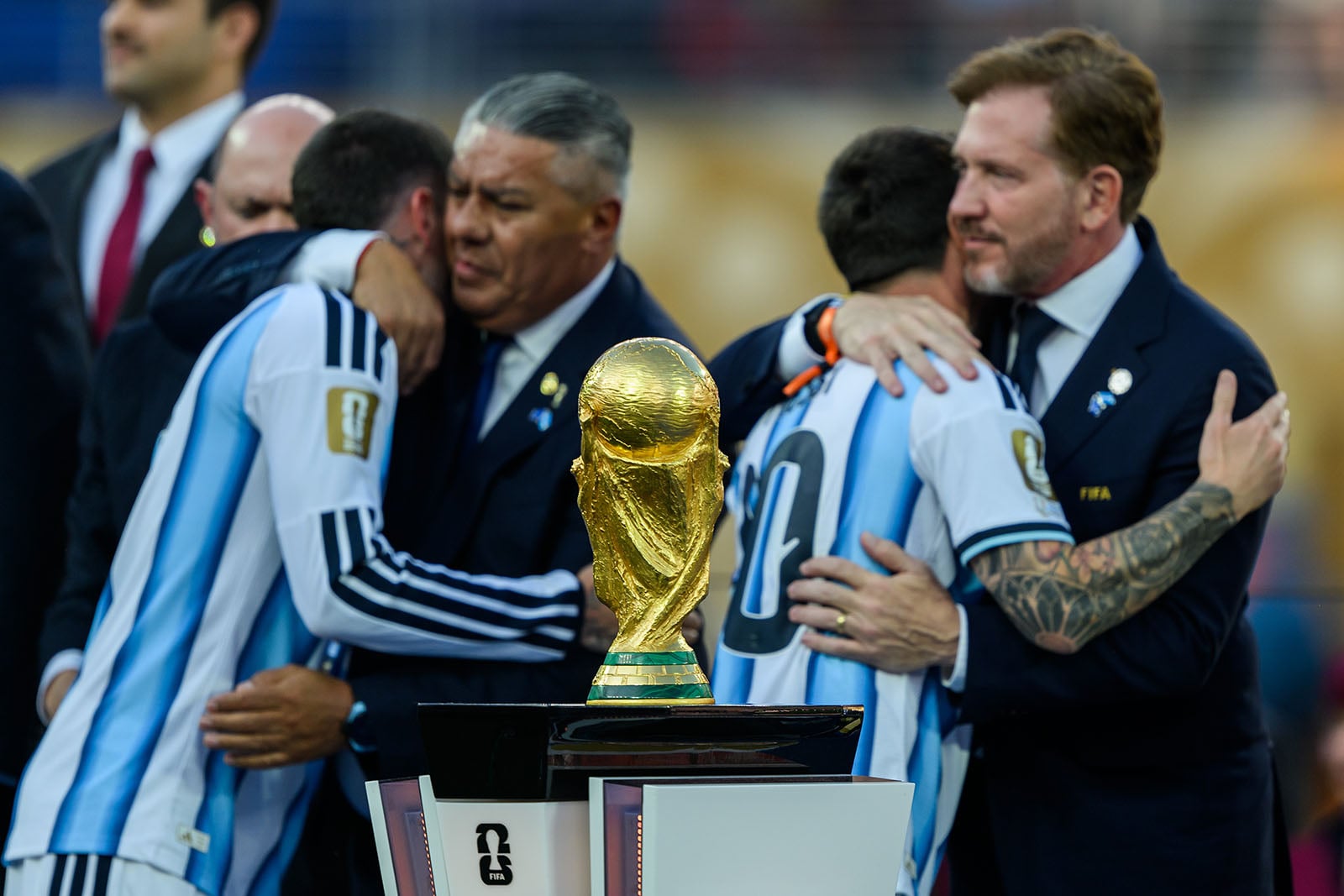
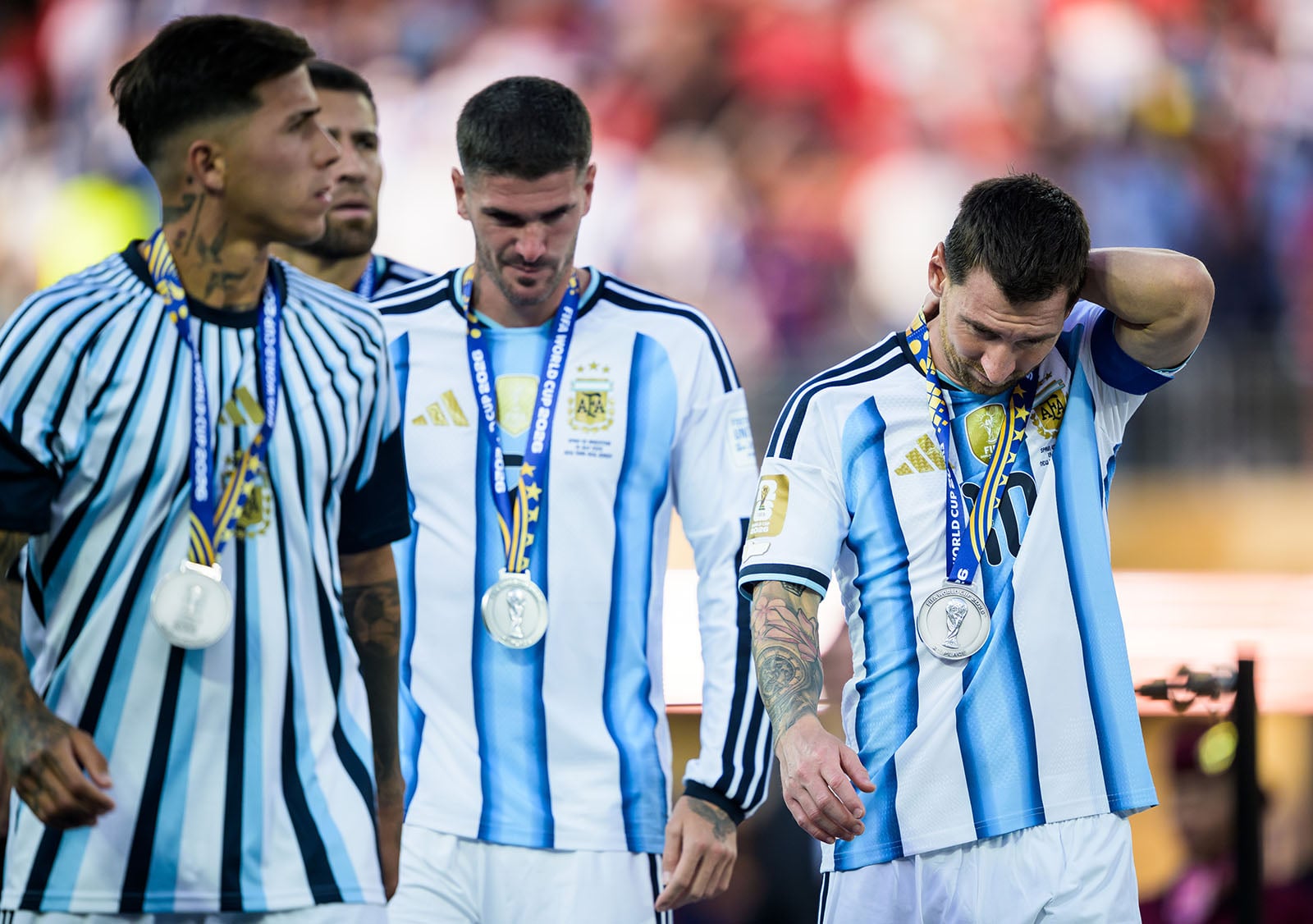
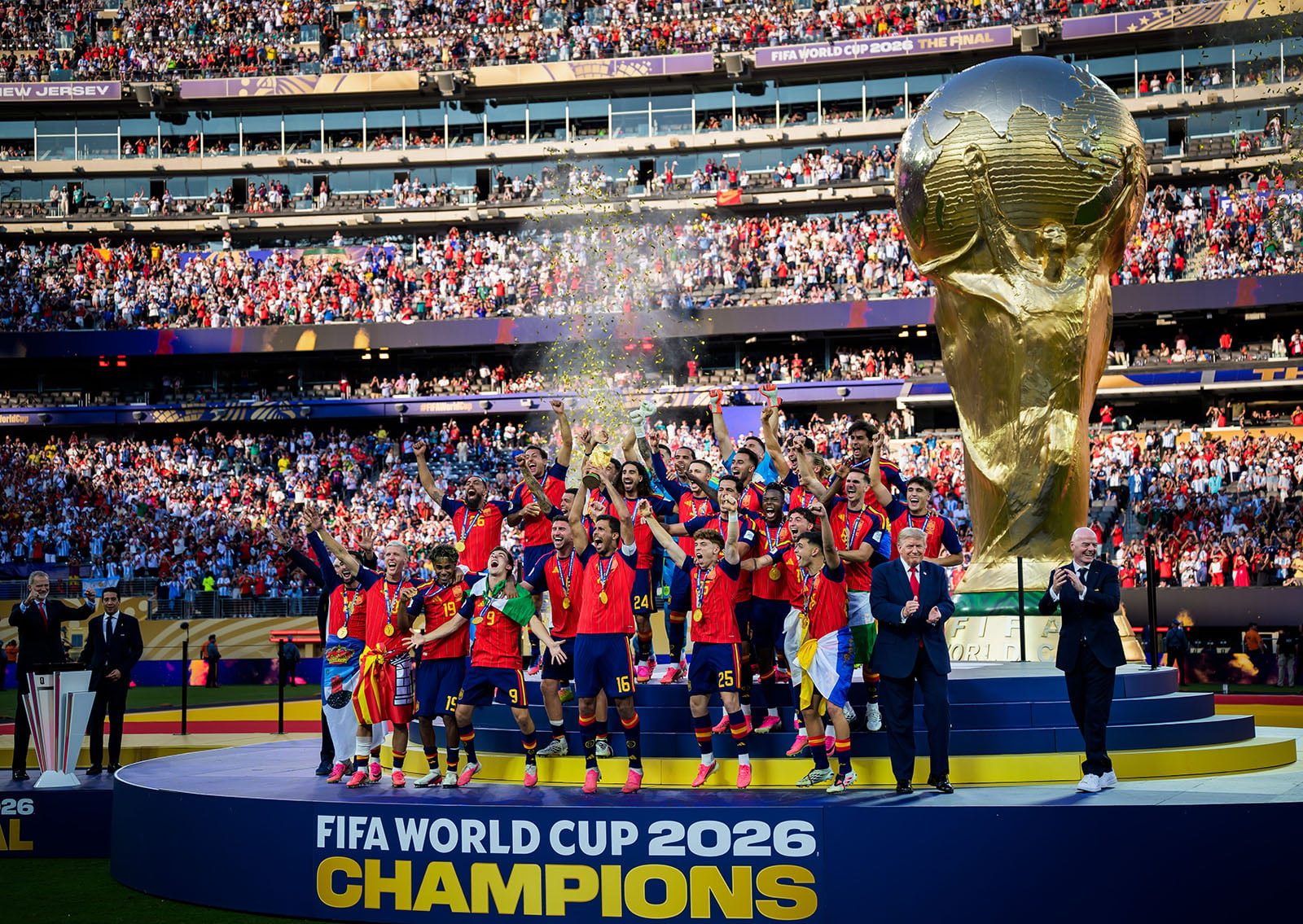
Andrew Hancock’s itinerary was a little more straightforward: using his home city of Dallas as a base, Hancock covered the games there, while also traveling to Houston and Kansas City when Dallas was idle. All in all, he shot 16 games.
“When it comes to my approach with how I like to photograph sports, I like to be mobile as much as possible,” Hancock explains. “With covering the World Cup, to say that mobility is limited is an understatement. We are made to stay in our seats once play has started if you have pitch-side access.”
Hancock says he likes to work with remote cameras, so he can cover as many angles as possible. But FIFA restricted the number of outlets that can put cameras behind the goal or at the top of the stadium. Hancock also had to select his seat before the game.
“I would try to pick a seat based on my knowledge of the teams and players for a particular match in an attempt to put myself in the best possible position to capture what is needed or what I have in mind,” Hancock says.
“These decisions would be made based on watching previous games and also studying heat maps of activity for certain players to better anticipate their movements. These decisions would impact not only the seat I would try to select but also what lenses I might have on hand at my seat.”
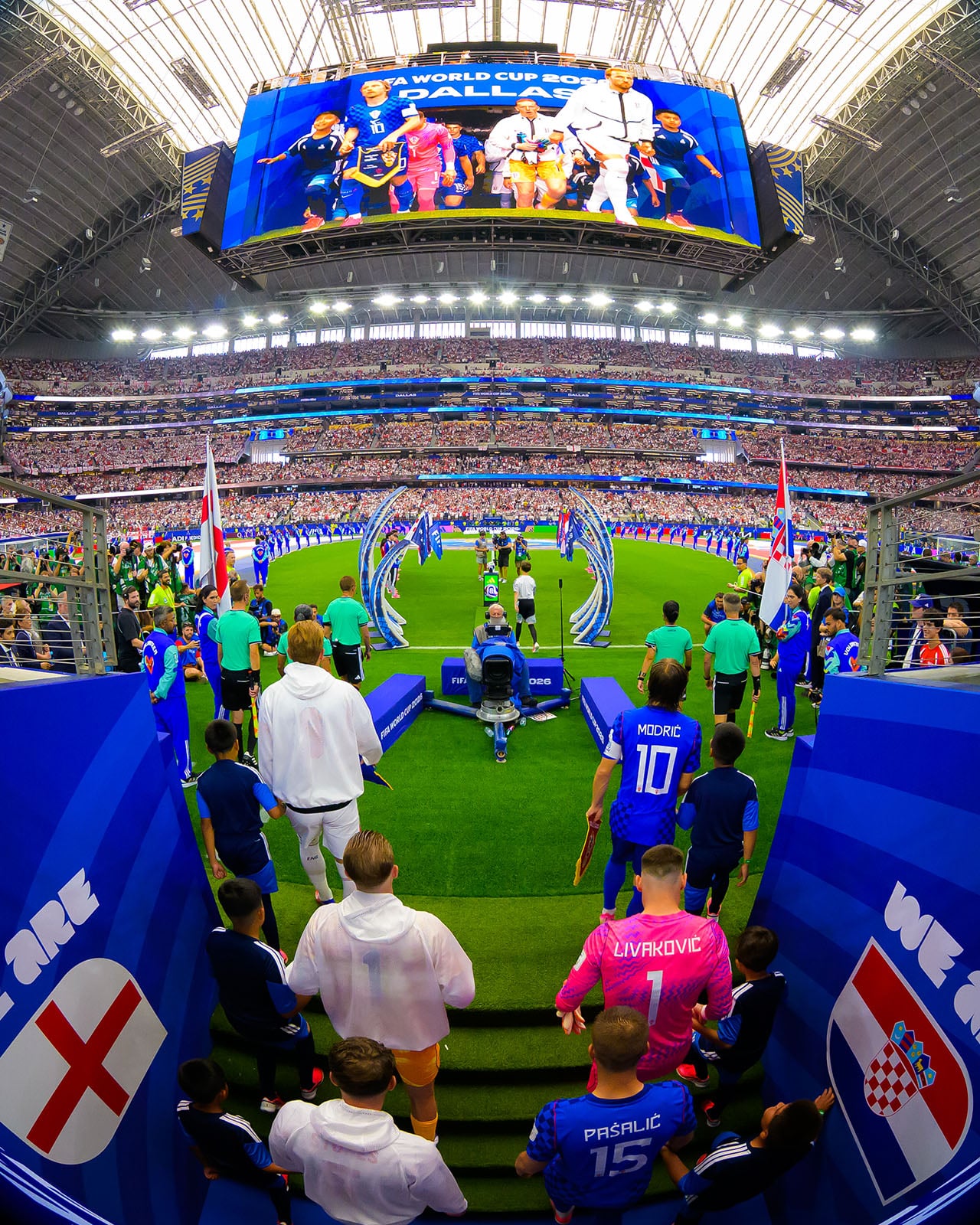
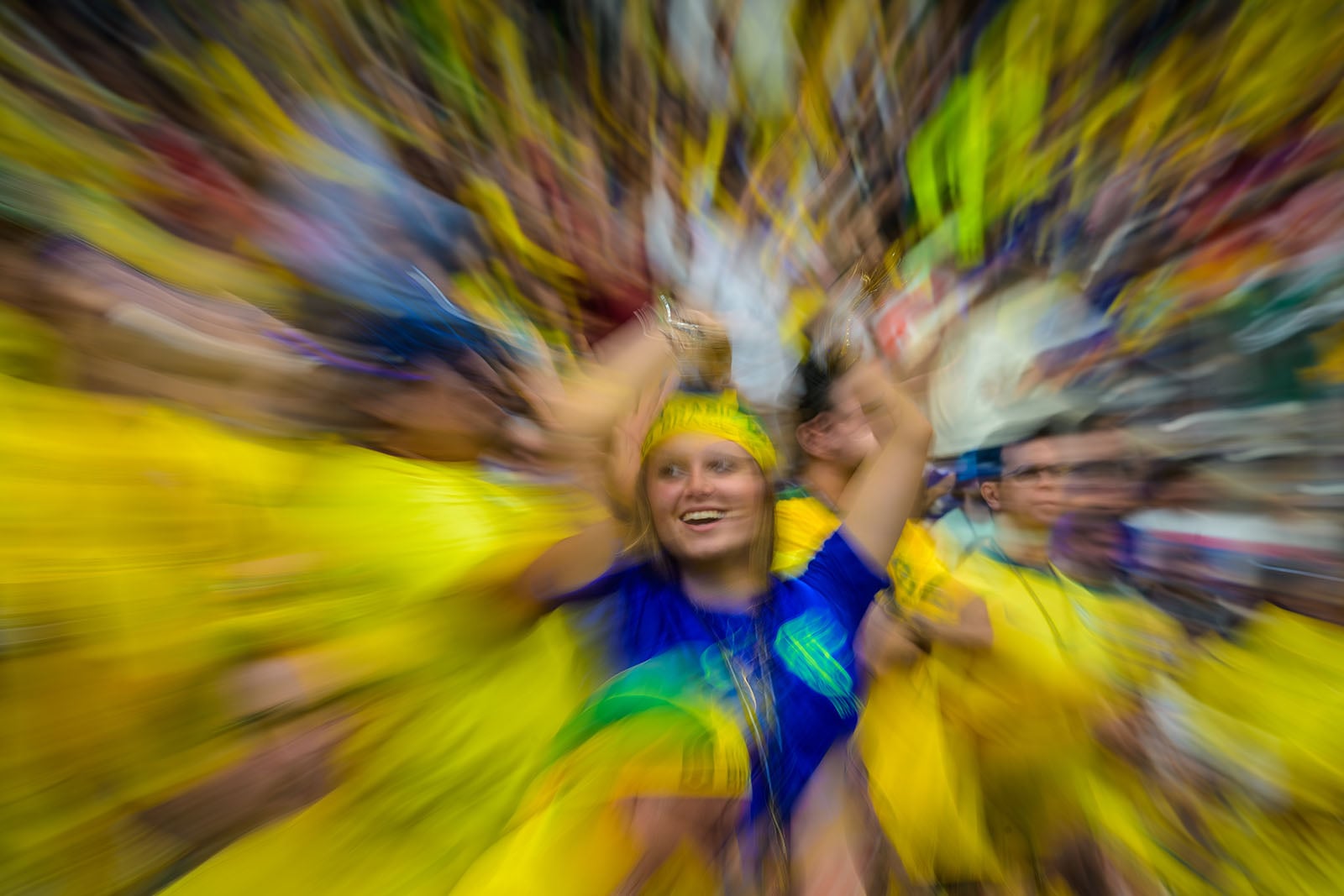
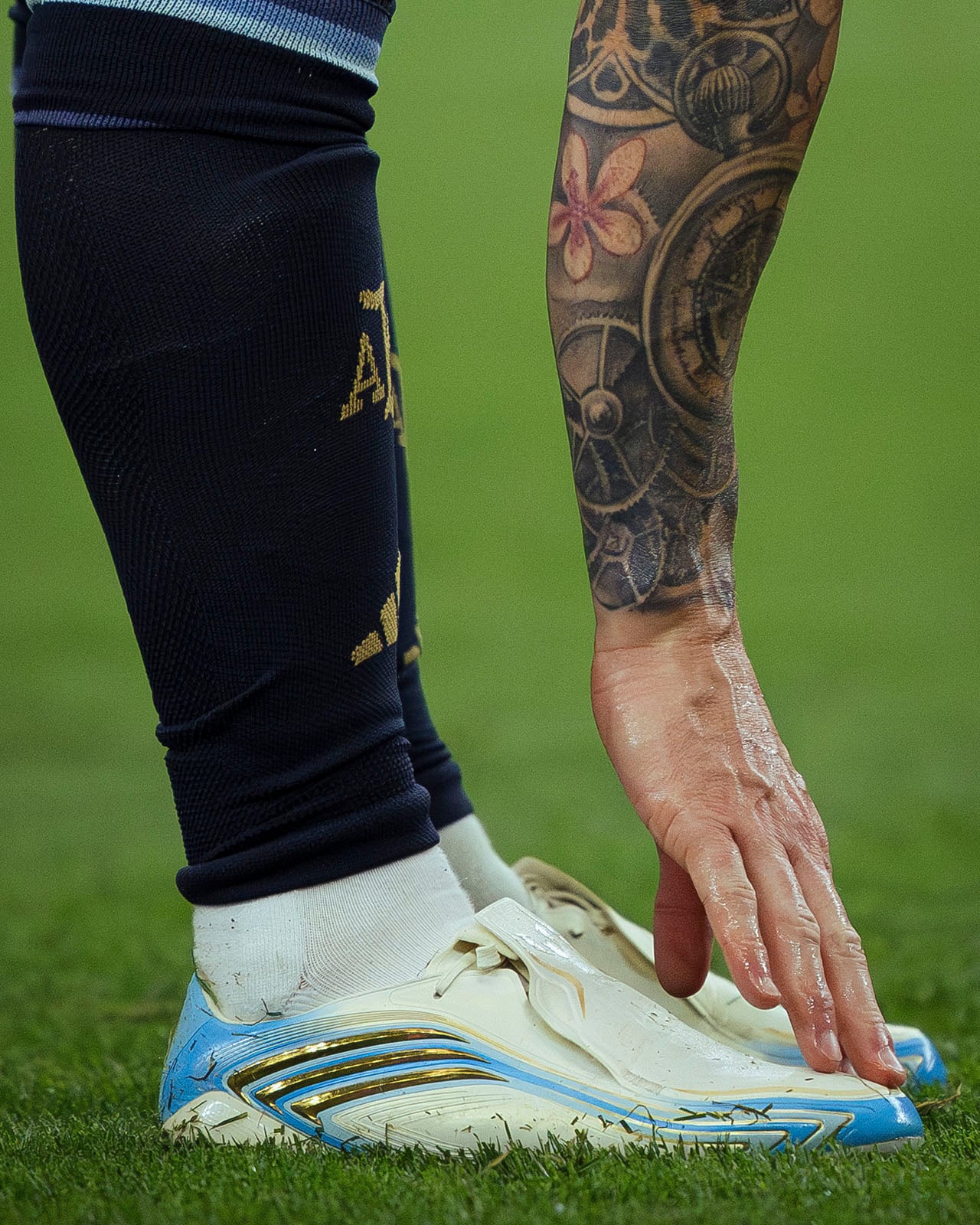
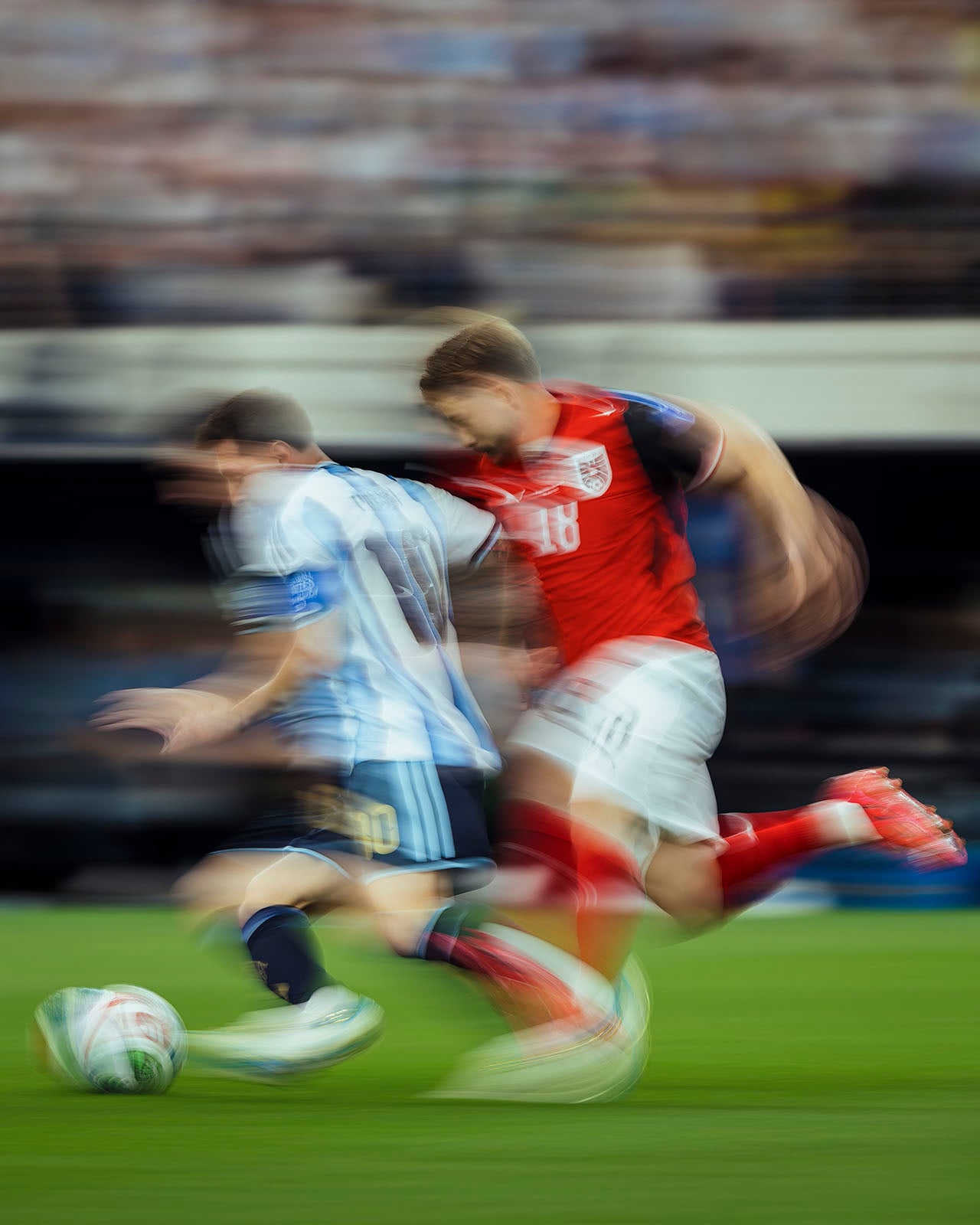
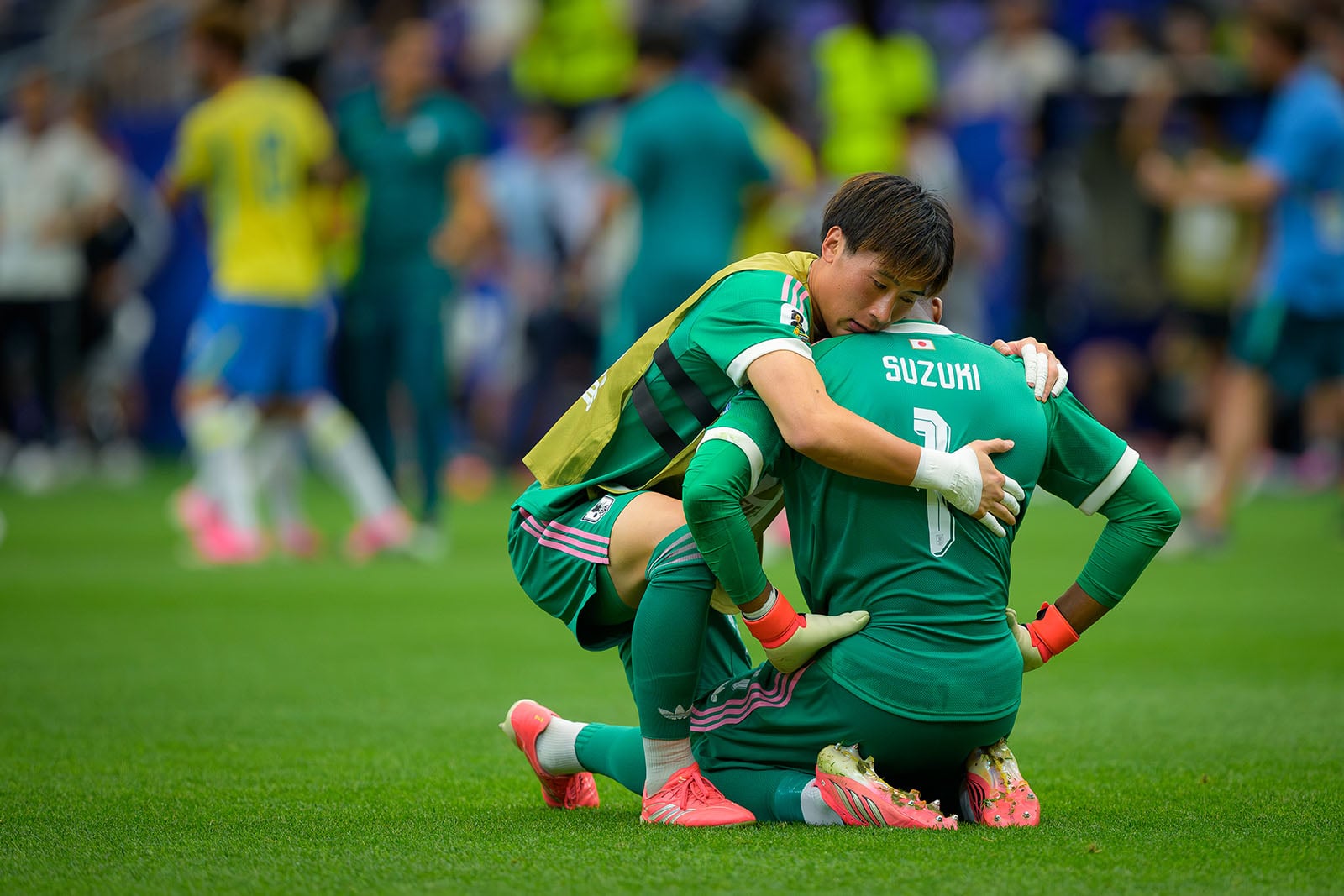
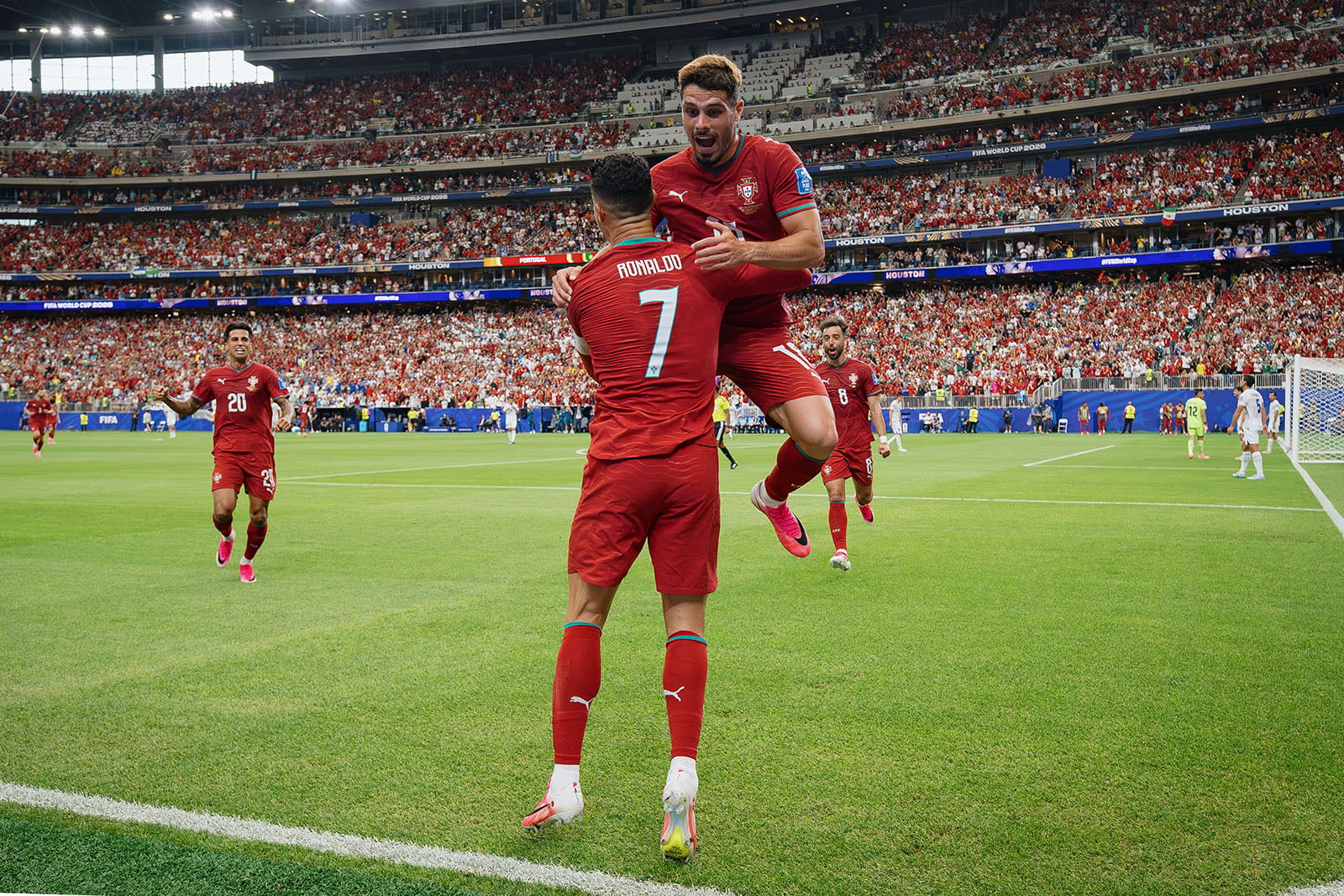
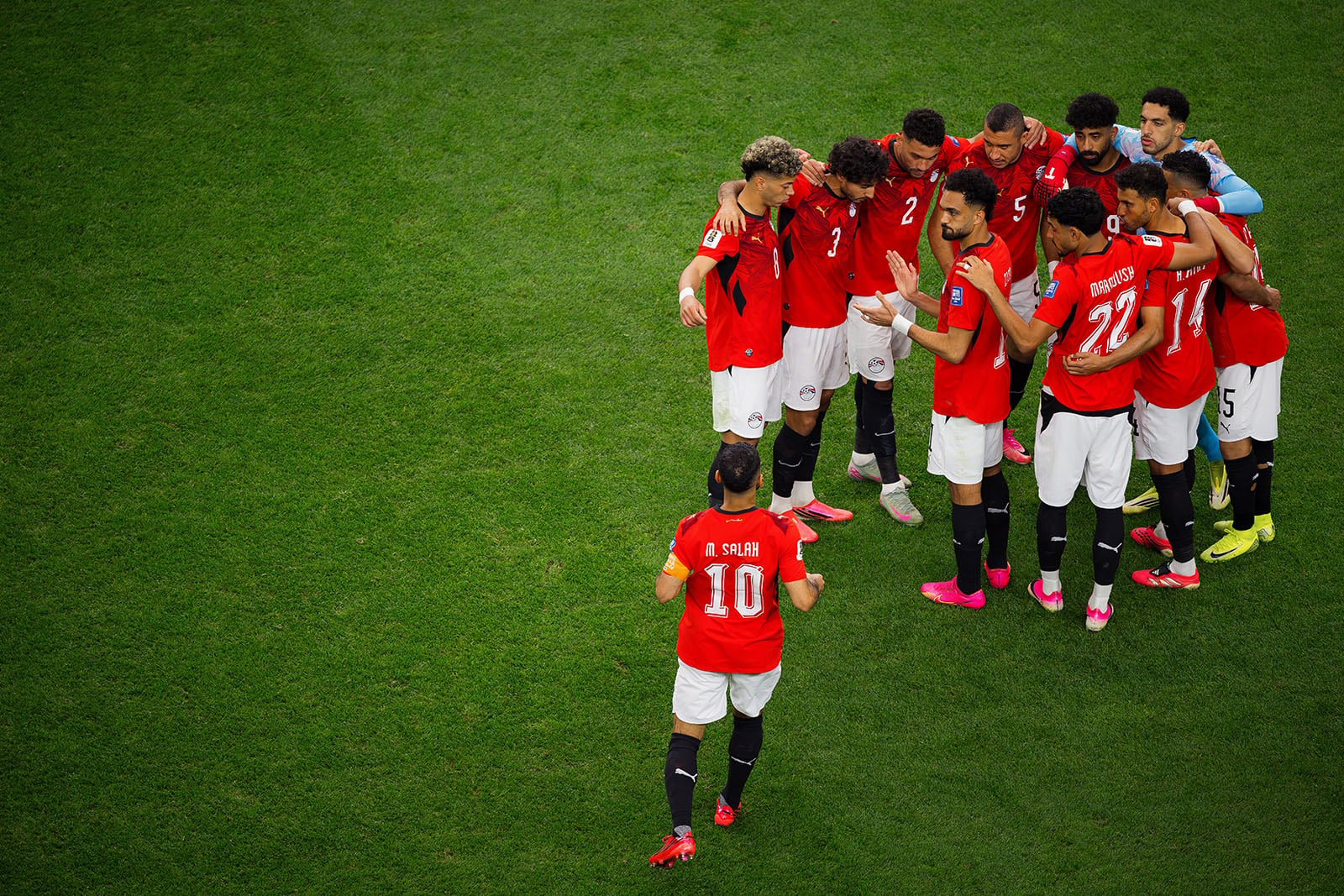
But despite Hancock’s diligent planning, soccer photography requires a certain amount of luck, especially when it comes to goal celebrations, and especially when you’re fixed to a point.
“I did not expect to be cursed with near-zero goal celebrations,” Hancock says. “By near zero, we are talking about less than 5% of goals scored in matches I covered. There were 50 goals scored in the 16 matches I covered. 47 of those goal celebrations went away from me, one was while I was in an elevated spot, so I consider that neither as towards me or away from me.”
“Only two goal celebrations came my way,” he continues. “And those were both during the first week of the tournament. Despite that, I would still work to make the best of the moment from my position while also keeping my eyes out for dejection of the opponent, which becomes much more pronounced when play enters the knockout rounds.”
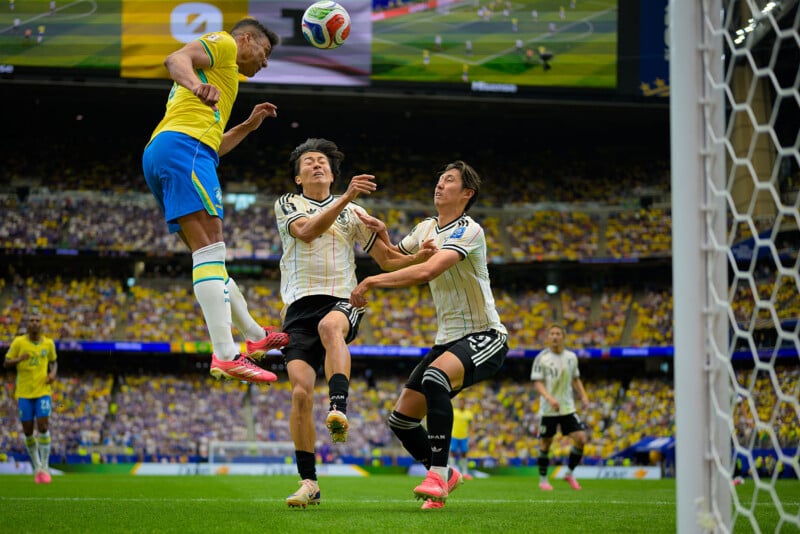
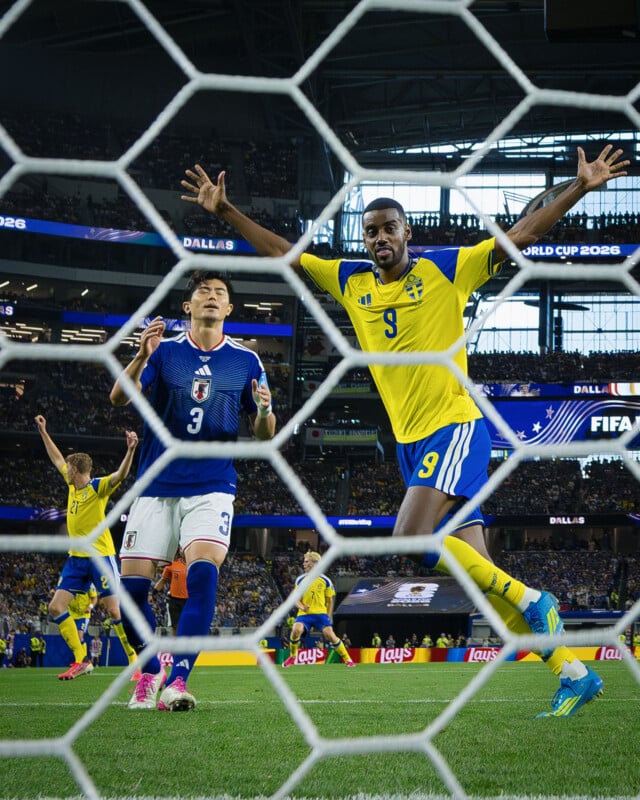
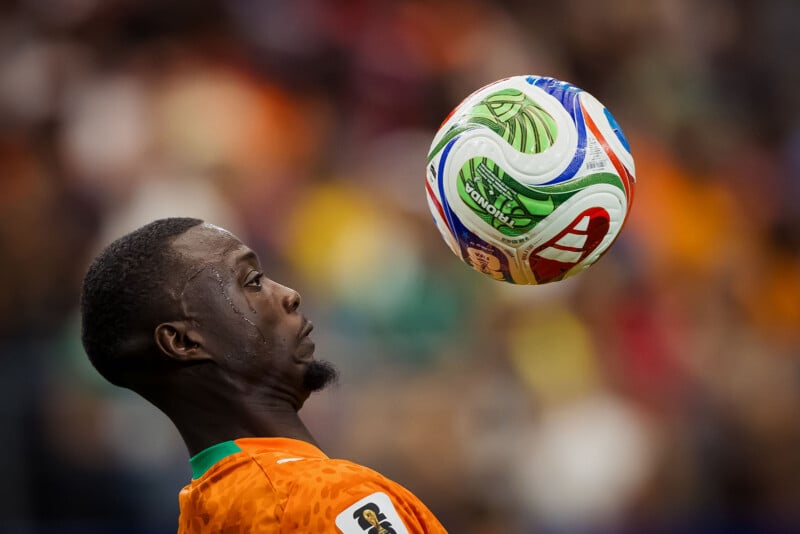
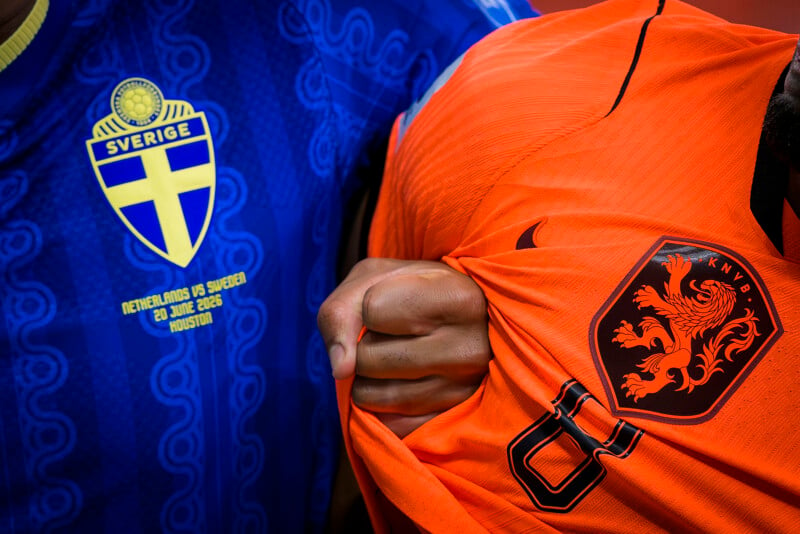
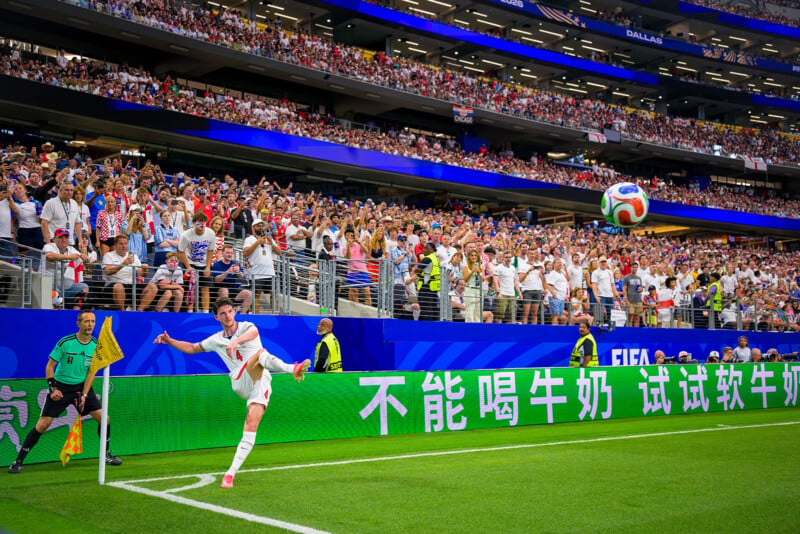
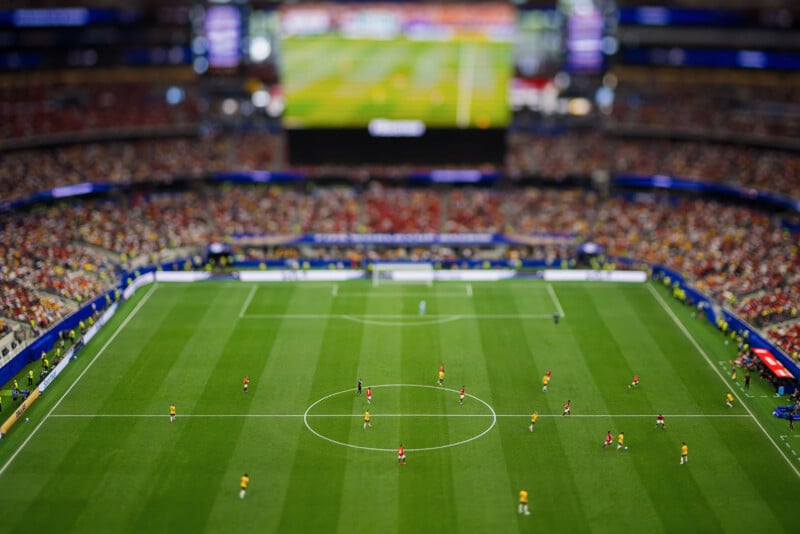
Nevertheless, Hancock still strived to “create something special,” and so he began using the in-camera multiple exposure mode, see gallery below, to bring together moments from the game with details in and around the stadium, as well as elsewhere in the cities where he was working.
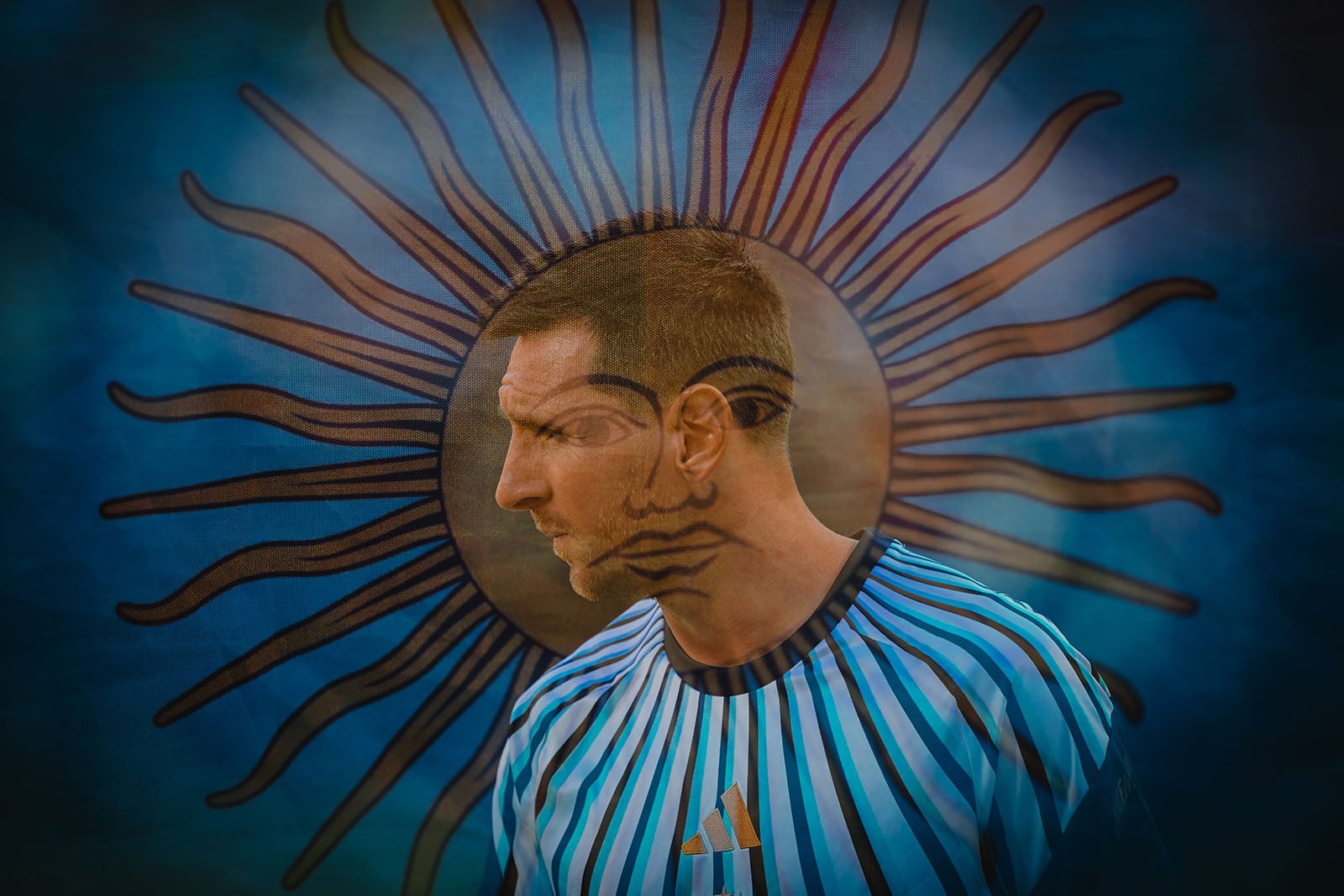
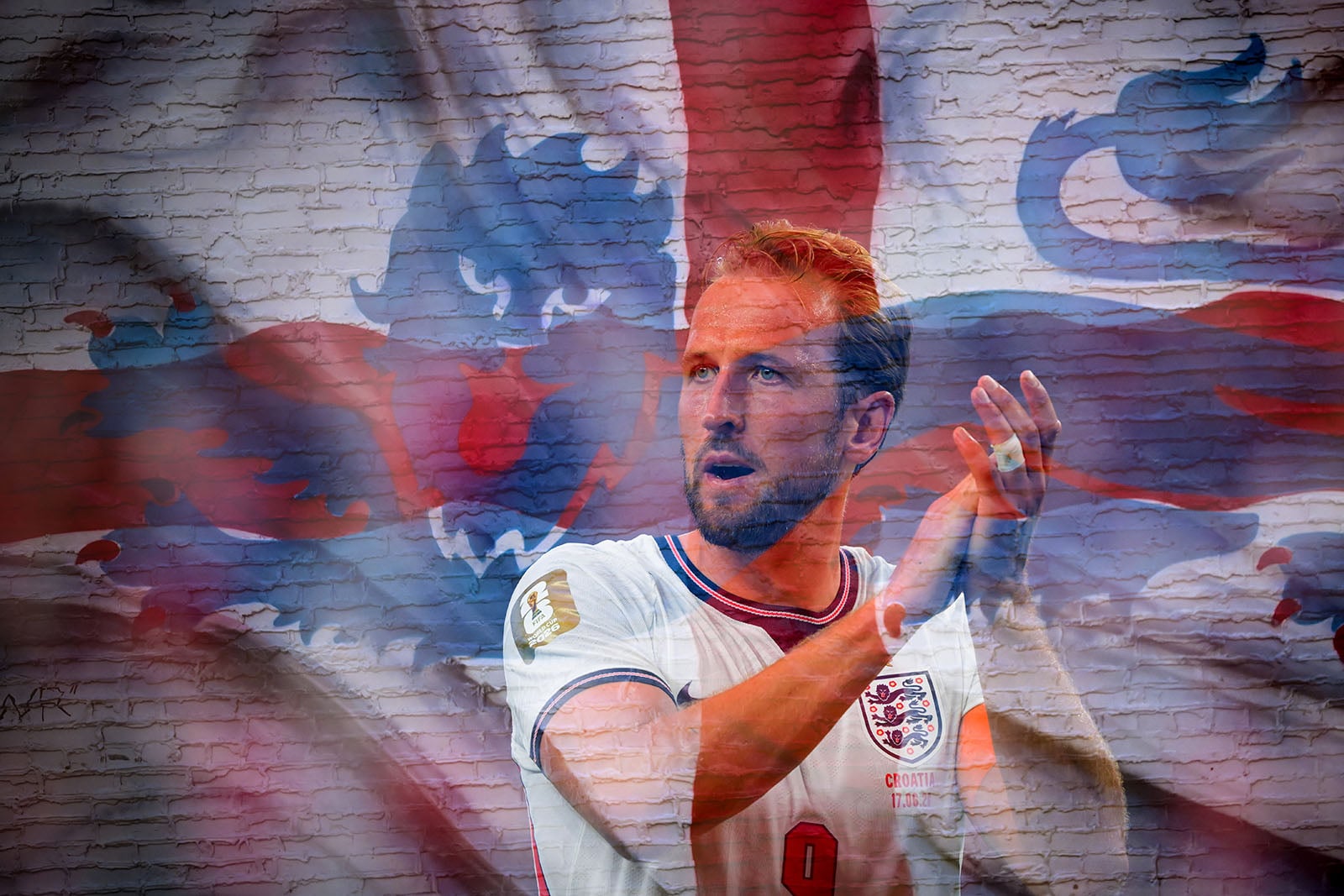
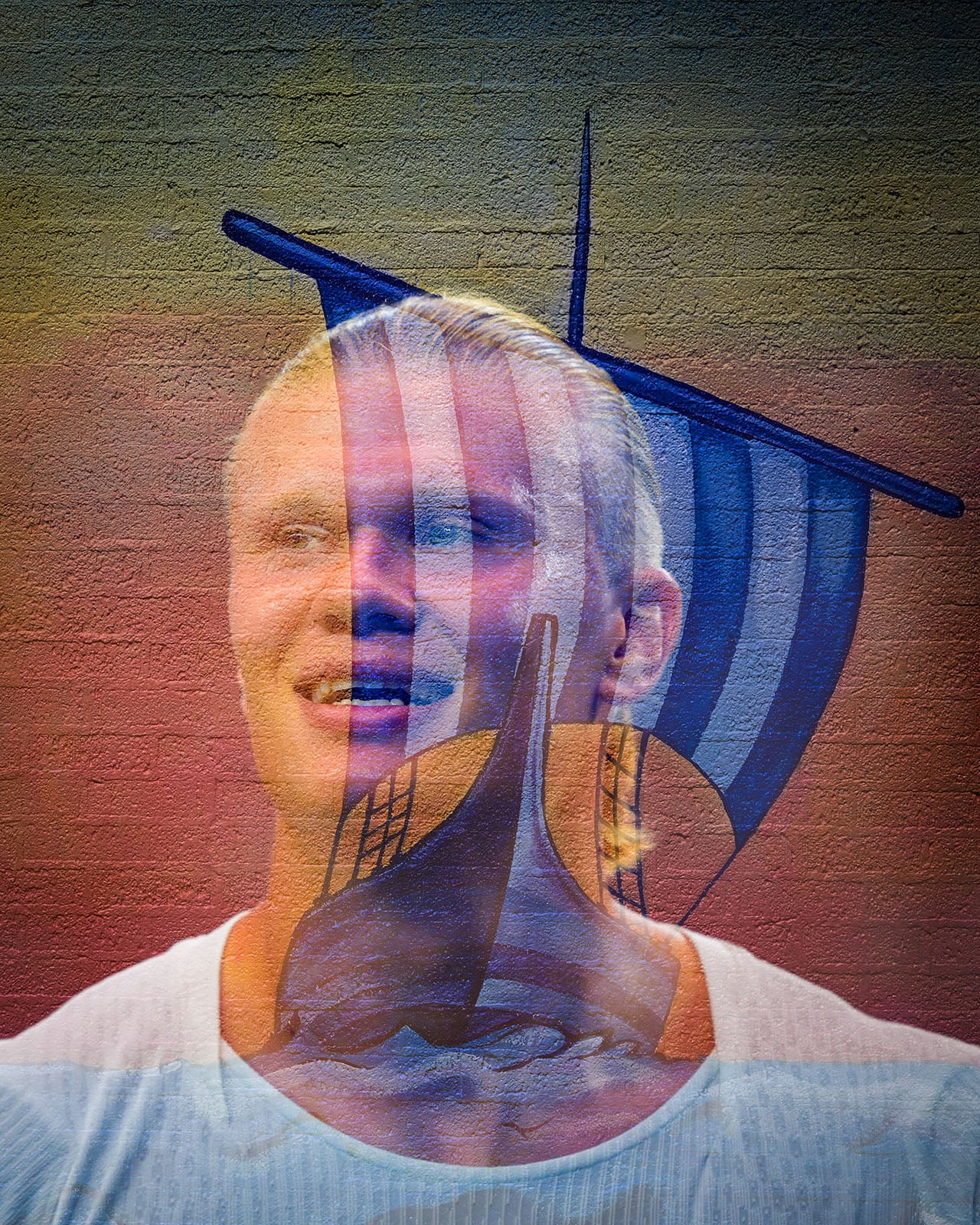
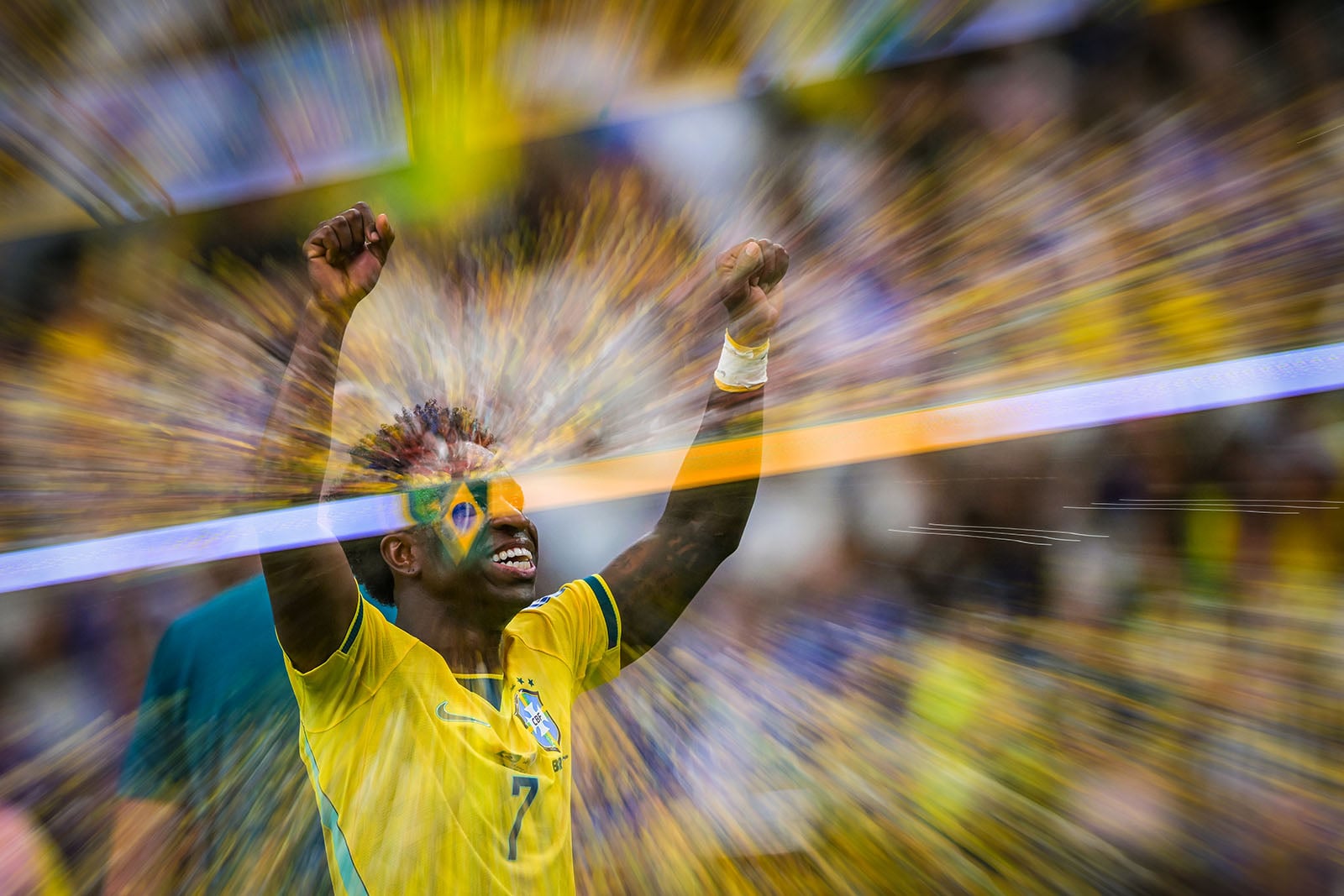
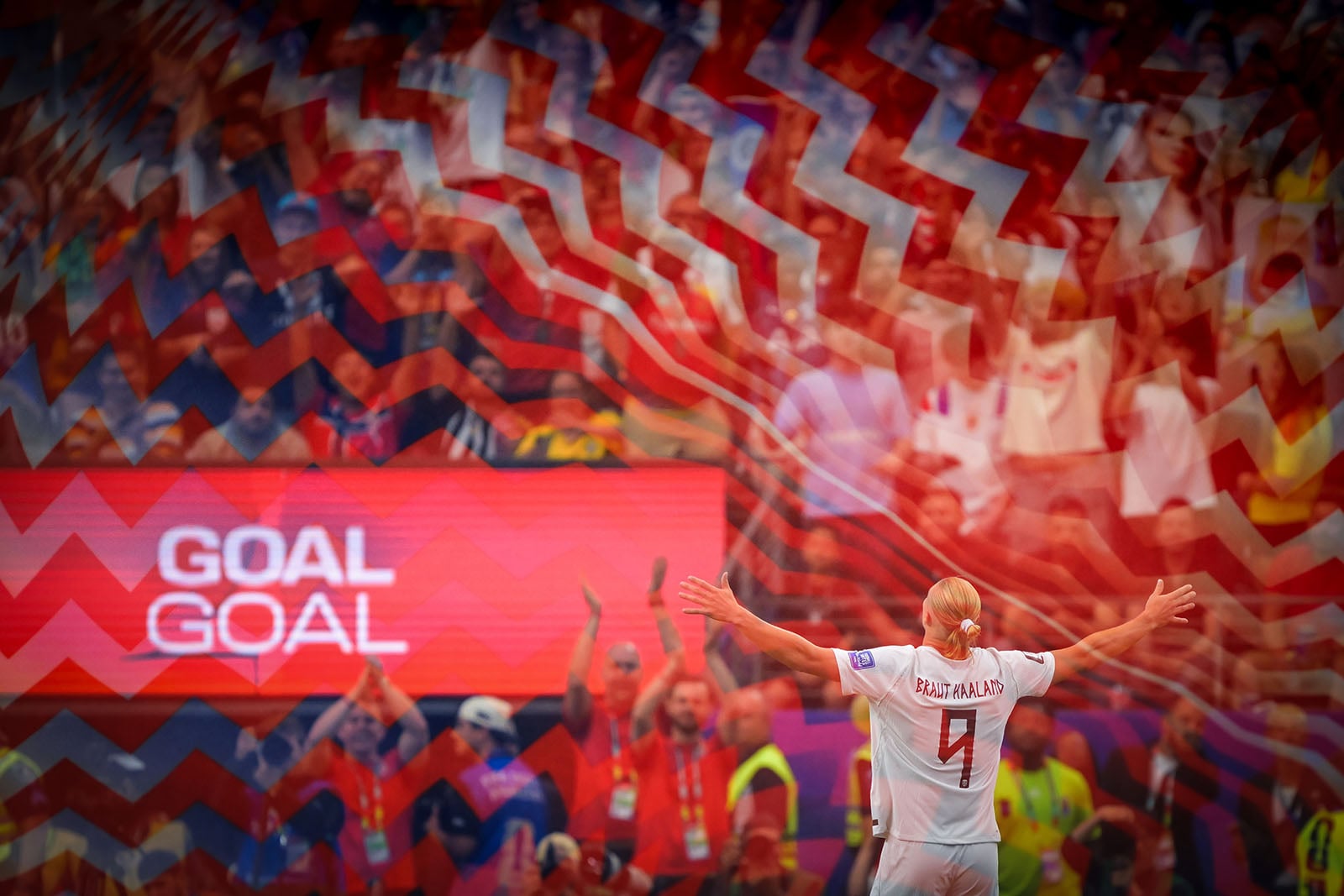
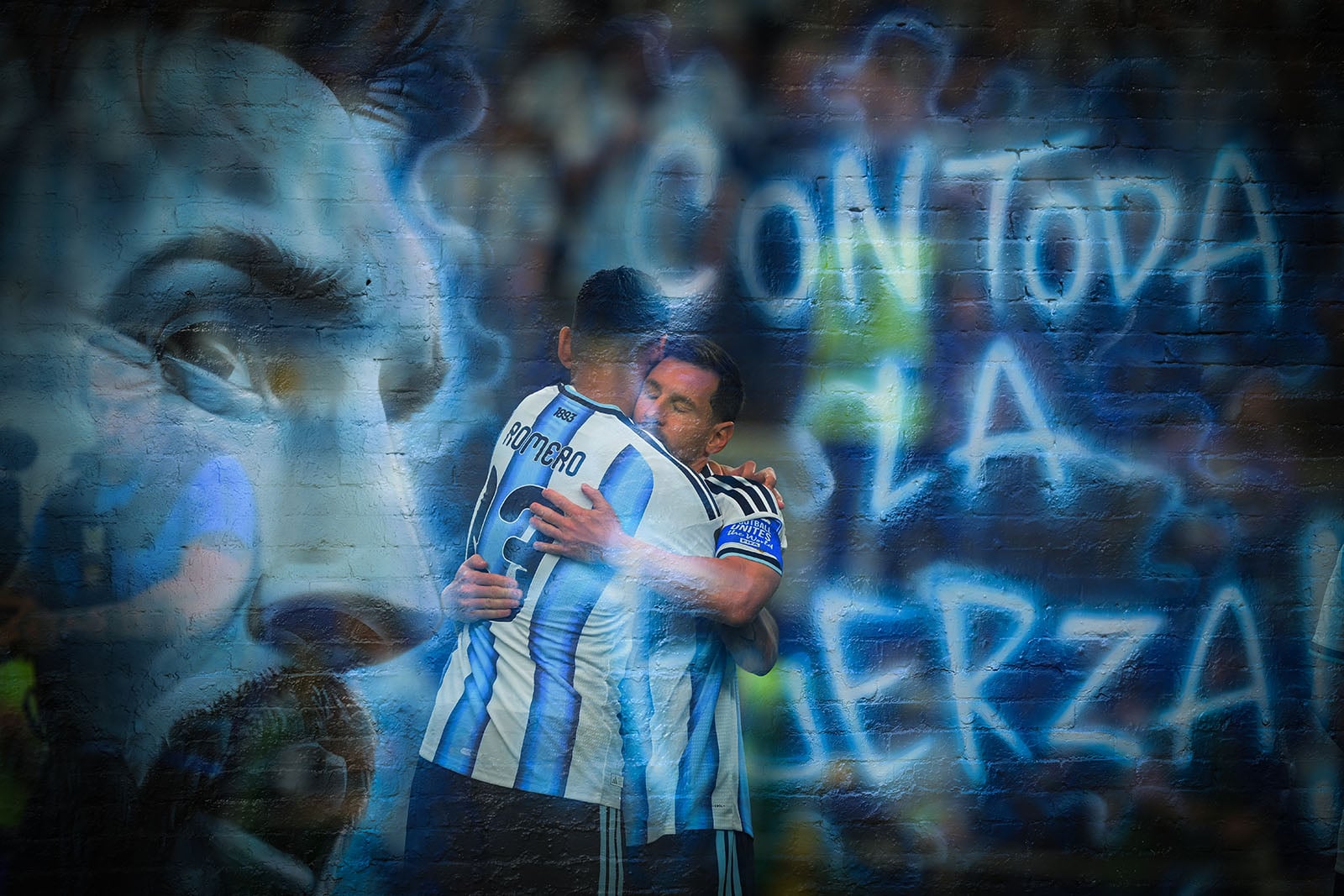
Hancock sees the ups and downs of his work at the World Cup, feeling frustrated with some of the limitations placed on him, but still pleased with some of the images.
“It was great to meet so many photographers from elsewhere in the world that I have come to know and be familiar with their work through social media,” he says. “At the semifinal, we even had Nikon Ambassadors from three countries represented, which was great to see.”
“In looking back at the past month,” he adds. “It was also a great learning experience and I know I will be in a much better position to make the images I am capable of making in 2030.