Woman Wins Lawsuit After Company Forced Her to Use a Webcam During Remote Work

An anxious travel consultant working from home for a British travel company successfully sued the company for discrimination after it made her turn on her camera during meetings.
As Daily Mail reports, a British tribunal ruled in favor of the employee, Laura Tait, agreeing that her employer, Holiday Extras, failed to provide “reasonable adjustments” for Tait in a sufficiently timely manner.
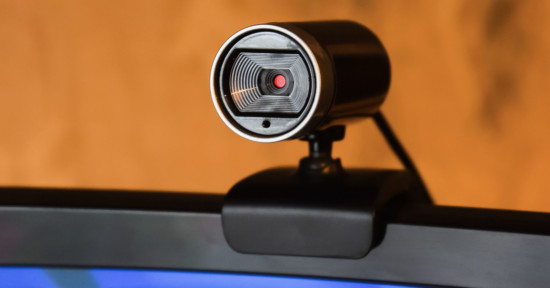
Tait says that having her webcam on during work meetings made her “super anxious,” which is in this case a legally protected form of medical disability. Tait was repeatedly asked to have her camera on, but Tait claimed that it was too overwhelming.
Ms. Tait reportedly requested that her supervisors accommodate her needs by not forcing her to have her camera on during meetings and by assigning her fewer calls with customers. However, as Daily Mail notes, calls with customers comprised the vast majority of Tait’s job.
In July 2023, Holiday Extras told Tait it could not exclusively give her live chat and email sessions, saying that it would be “unfair” to Tait’s coworkers, but would attempt to work around Tait’s difficulties, including her anxieties about using her camera.
The following month, when attending a remote training session, Tait’s employee asked her to turn her camera on. Tait logged off in response.
In October 2023, Tait was granted sick leave related to extreme stress and anxiety and has not returned to work since. In April 2024, Tait complained that Holiday Extras had discriminated against her by failing to make the requested adjustments at work.
Tait’s decision to stop working was the culmination of years of issues. In April 2022, less than a year after Tait joined Holiday Extras, she told a manager that she had to miss work due to extreme stress. Absences continued, with Tait saying that she needed emergency time off because she was experiencing “burnout.”
Working from home has been shown to increase anxiety and cause or exacerbate other mental health problems. Depending on where a company is located, it has different legal obligations to accommodate employees struggling with mental health issues and implement reasonable solutions.
While Tait’s original complaint was dismissed, UK Employment Judge Liz Ord has since ruled that Holiday Extras should have implemented adjustments more quickly, including allowing Tait to keep her camera off during meetings.
Ord determined that due to Holiday Extras’ failure to quickly accommodate Tait’s anxieties, the company left Tait with “substantial disadvantages in the workplace.”
Tait will receive compensation, the amount to be determined later.
Image creditsHeader photo licensed via Depositphotos.com.