Starlink routers avoid ban
Trump admin exempts SpaceX’s Starlink from FCC ban on foreign-made routers
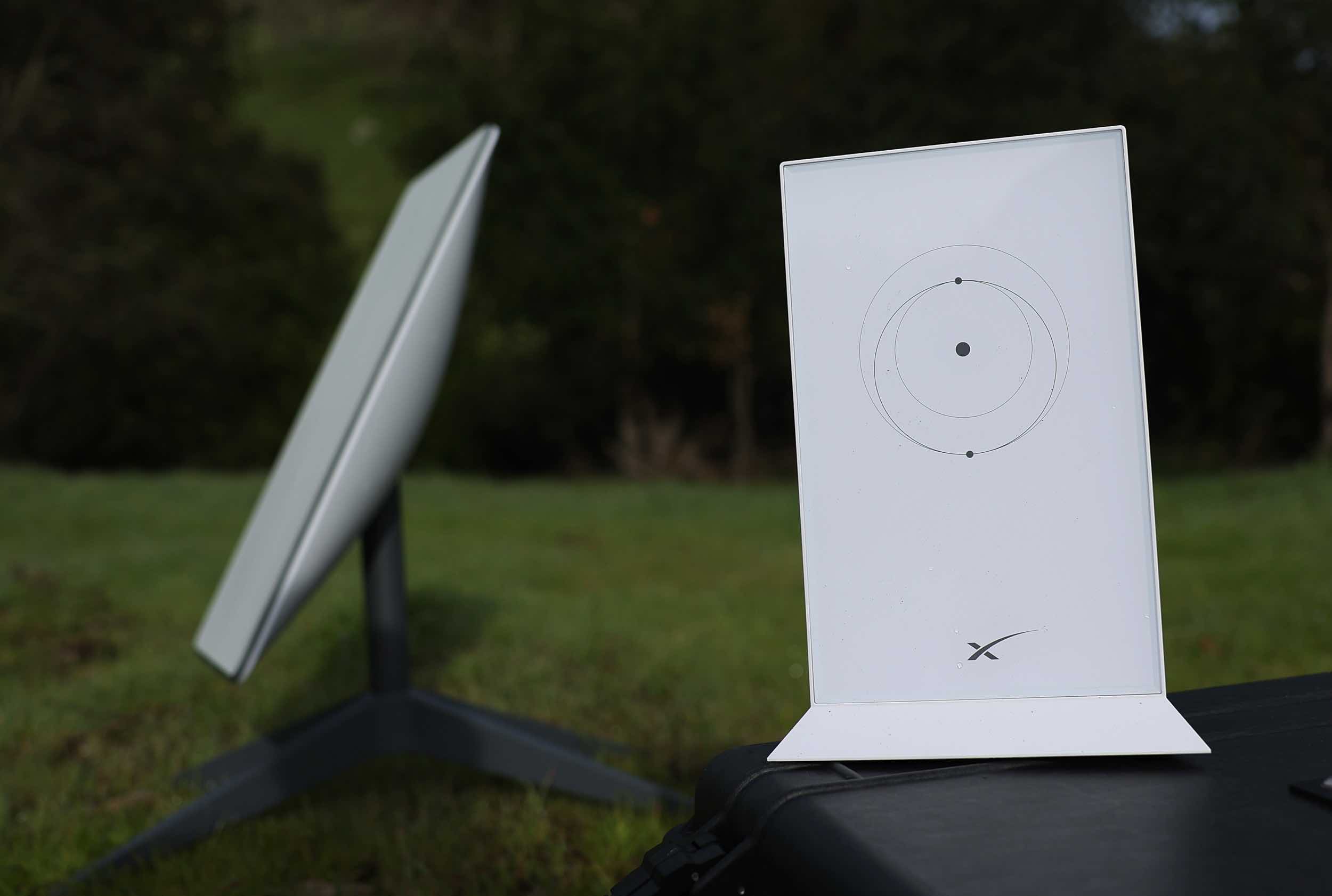
Starlink has a Texas factory but also makes routers in Vietnam.
Credit:
Getty Images | Justin Sullivan
Credit:
Getty Images | Justin Sullivan
The Trump administration today exempted SpaceX’s Starlink routers from the Federal Communications Commission ban on foreign-made routers.
A public notice issued by the FCC said Starlink routers received approval from the Department of War (also known as the Department of Defense). SpaceX’s exemption is good until February 1, 2028.
The FCC kicked off an industry-wide scramble when it updated the Covered List to include all consumer-grade routers made at least partly outside the US, except those that are granted exemptions. The Covered List includes devices deemed to pose an unacceptable risk to national security. Given that routers are generally built outside the US or at least contain foreign-made components, all major vendors need exemptions.
Netgear, Amazon, and other companies have previously been given exemptions. It’s widely expected that companies with Chinese ties will have the most trouble obtaining exemptions from the Trump administration, which alleges that foreign networking products pose national security risks and has pushed companies to make more devices in the US.
SpaceX routers made in Vietnam
SpaceX has a factory in Texas, and some of its routers have the words “Made in the USA” printed on them, leading some to believe that it might be the only major router maker to escape the FCC’s wide-ranging ban. But other Starlink routers are made in Vietnam, as PCMag reported in April.
The FCC ban does not affect any routers that the FCC approved for sale before the rule change, but companies need the exemptions to get approval for future router models. Under the process announced by the FCC in March, router makers can ask the Department of War or Department of Homeland Security for a determination that their devices do not pose unacceptable risks to national security.
Netgear was the first major vendor to get an exemption, on April 14. Amazon then received an exemption for its Eero routers and the routers to be used for its Leo satellite service. TP-Link, which was founded in China but relocated its headquarters to the US, has not yet received an exemption. The full list of exemptions, formally known as “conditional approvals,” is available on the FCC website.
Drone makers also need exemptions under the same process because the FCC added drones to the Covered List last year. Chinese drone company DJI sued the FCC over the ban, and router makers could do the same if they are similarly unable to gain exemptions.