Photographer’s Artistic ‘Conversation’ With Silk Weaver Practicing Ancient Chinese Art
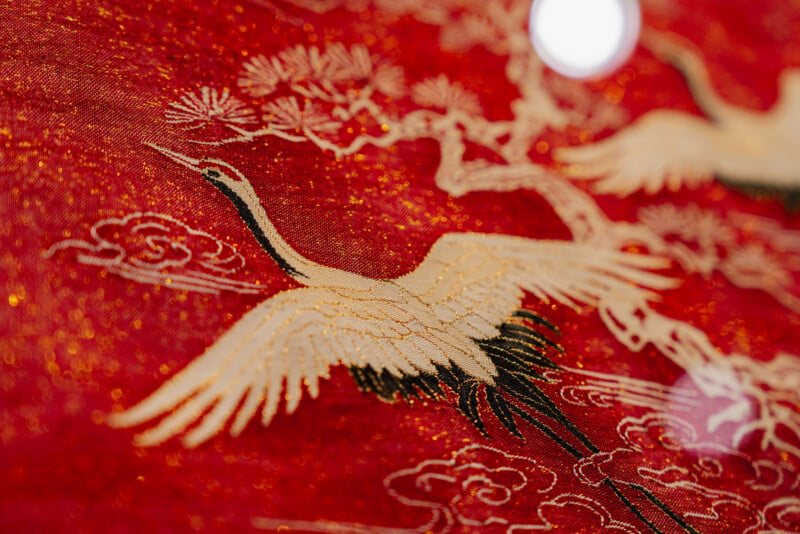
Kesi is not an easy word to say for an English speaker (it’s pronounced kooh-su), but the art form is recognizable to most Westerners who have even a passing interest in Chinese culture.
The beautiful silk tapestries made by kesi weavers peaked as an art form around the twelfth century. In modern China, there are only eight people who are officially recognized as inheritors of the traditional kesi weaving technique.
One of them is Jingwei, a young man from Suzhou who spends weeks weaving colored silks around a structure section by section.
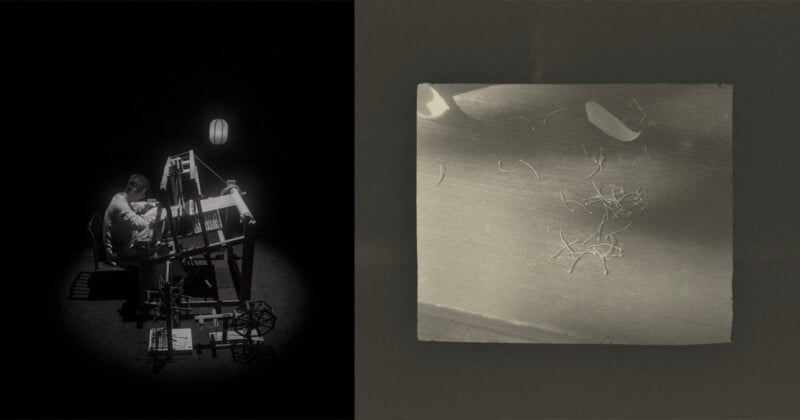
Lexar and Leica teamed up to document this unique artist by hiring photographer Jing Huang. No ordinary photographer, Huang’s work focuses on negative space, documenting the edges of things rather than the thing itself.
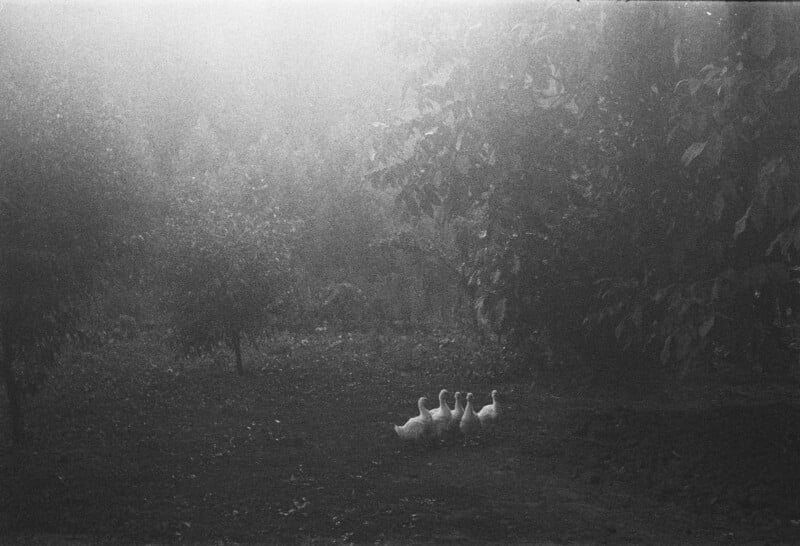
“For me, photography is not only about recording time,” says Huang. “Sometimes it is about forgetting time. What stays in an image is not simply when or where it was taken, but whether it carries a sense of beauty that can still be felt beyond that moment.”
Indeed, the award-winning photographer’s work is evocative and thoughtful — glimpses of life that only an empath would see.
Working on an old Leica SLR and 35mm film, Huang set about having a conversation between himself and Jingwei.
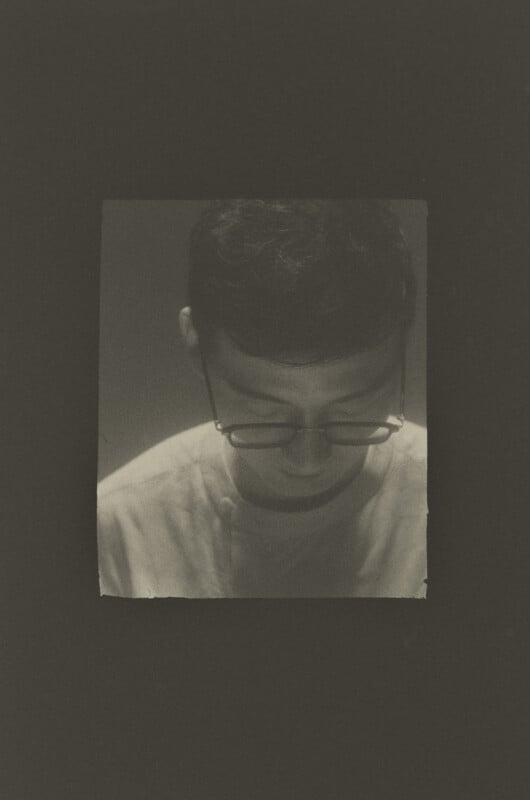
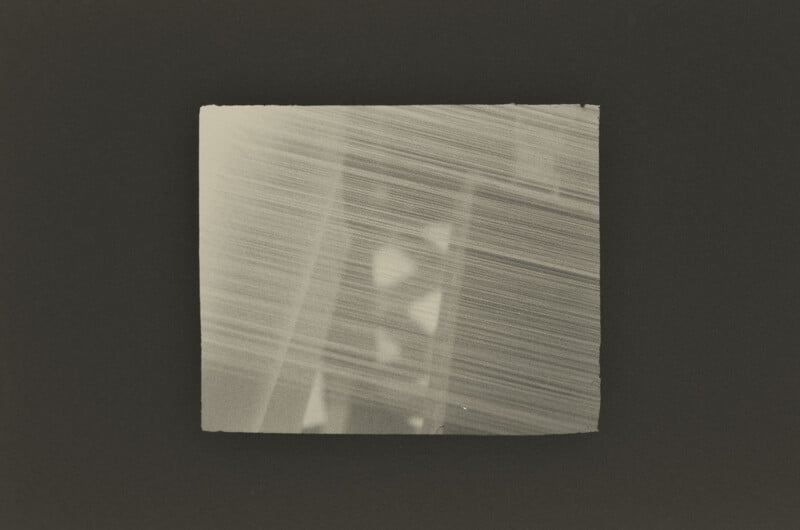
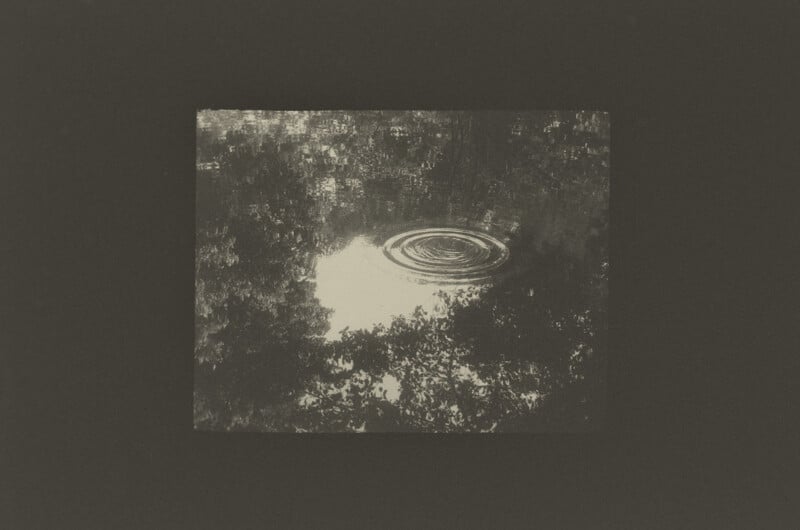
“What makes this project meaningful is the dialogue between the photographer’s eye and the artisan’s hand,” says Linda Warmerdam, the manager and curator of Leica Gallery Amsterdam, where Huang’s and Jingwei’s work has just finished showing.
“Through photography, audiences can encounter Suzhou kesi not only as a heritage object, but as a living process shaped by time, patience, and human presence.”
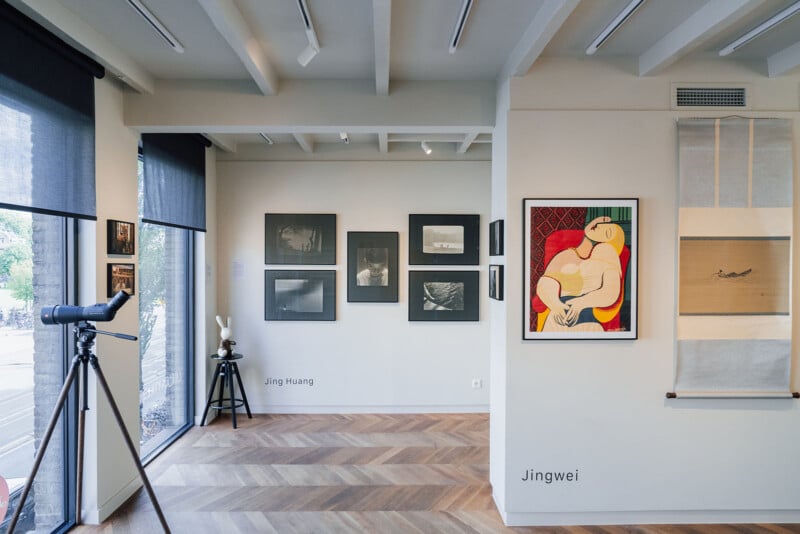
Huang’s photography is influenced by Chinese ink painting and small-format compositions, looking for stillness, restraint, and balance. Elements that can also be found in kesi.
“What moves me most about kesi is its restraint,” says Jingwei. “It is not a free gesture. It is created within the order of warp and weft, built slowly through time, patience and the experience of the hand.”
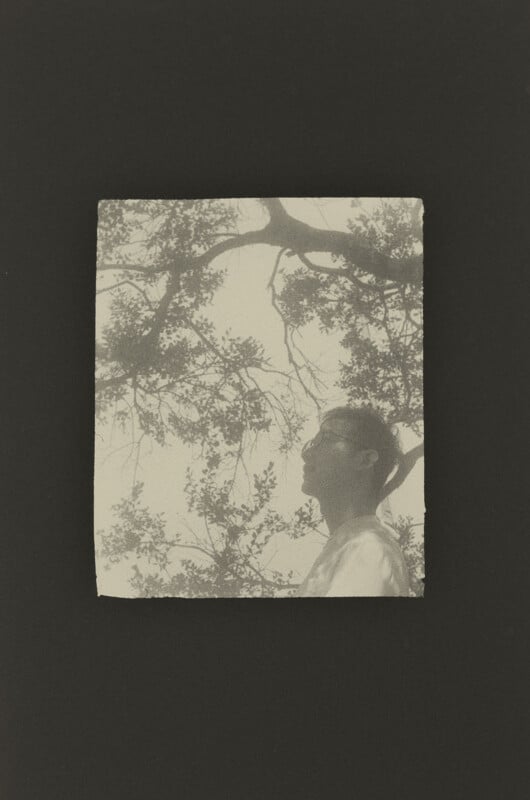
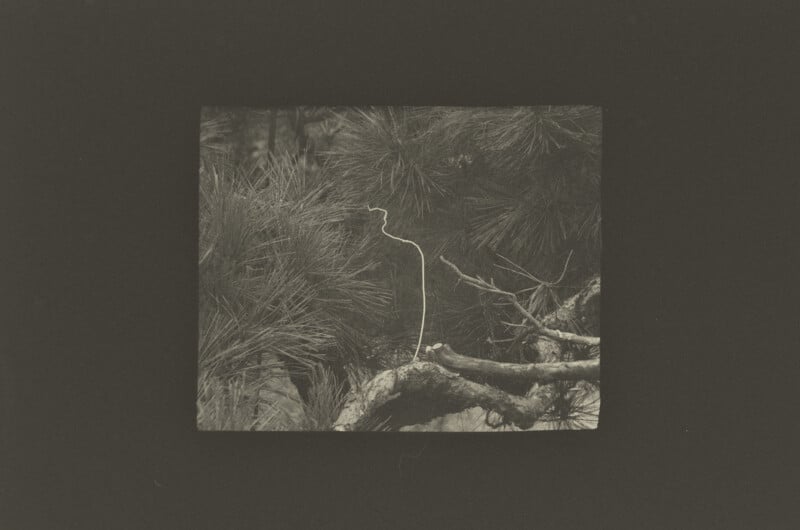
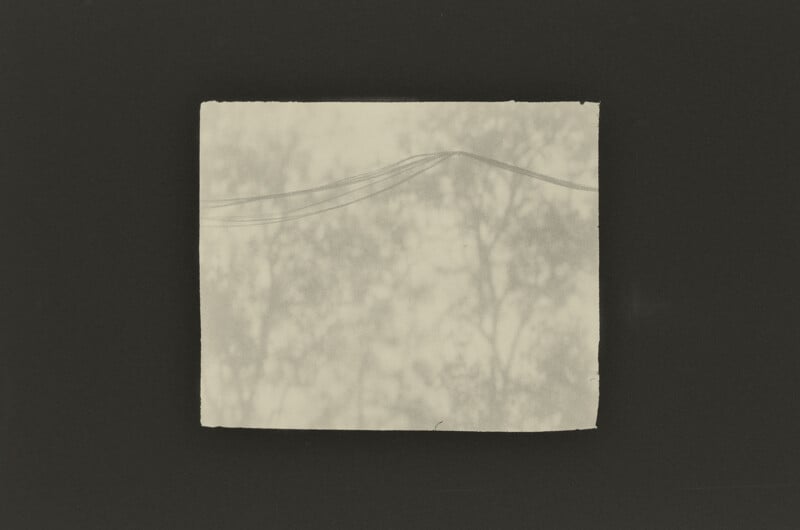

Lexar, a memory solutions company based in Shenzhen, says that despite the project’s analog nature, supporting the exhibition is a “natural extension” of what it does.
“Lexar has always been close to the creative process — photographers, filmmakers and creators rely on storage to protect work that often cannot be recreated,” Grace Su, General Manager of Lexar EU, tells PetaPixel.
“Kesi builds an image over time, while photography often captures one in a fraction of a second. But both depend on the same thing: a creator deciding what is worth seeing, and how it should be remembered.”