Upgrade or Start Fresh With These Camera Kit Picks for Every Type of Photographer

Whether you’re just starting out and building the kit for the photographer you want to become or upgrading your current setup to take your photography to the next level, buying used can help you save on the gear you need while giving you more flexibility in building your system. From wildlife and travel to portraits, sports, and fine art, here are some of the best camera and lens combinations to consider when building your next kit.
DisclosureThis story is brought to you by MPB.
Choosing a camera is only the first step in building a photography kit. The body determines many of the technical capabilities you have at your disposal, but your lenses ultimately determine what you can photograph, how you can approach a subject, and even the look of your images.
That can make choosing a first interchangeable-lens system especially overwhelming. When you choose a camera, you’re also choosing a lens mount and, by extension, the ecosystem you’ll be investing in over time. For photographers upgrading an existing system, the decision may be less about replacing everything and more about finding the one piece of gear that can take their photography to the next level.
Explore used cameras and lenses at MPB
For this guide, we’ve focused on mirrorless cameras and lenses introduced within roughly the past six years and paired them into complete kits for different genres. The relatively recent gear gives photographers access to modern features, while buying used can make these systems more affordable. Whether you’re starting fresh or ready to change gear, the goal is to build a kit that fits the way you photograph now and where you want your photography to go next.
For Beginners Building an Affordable First Kit
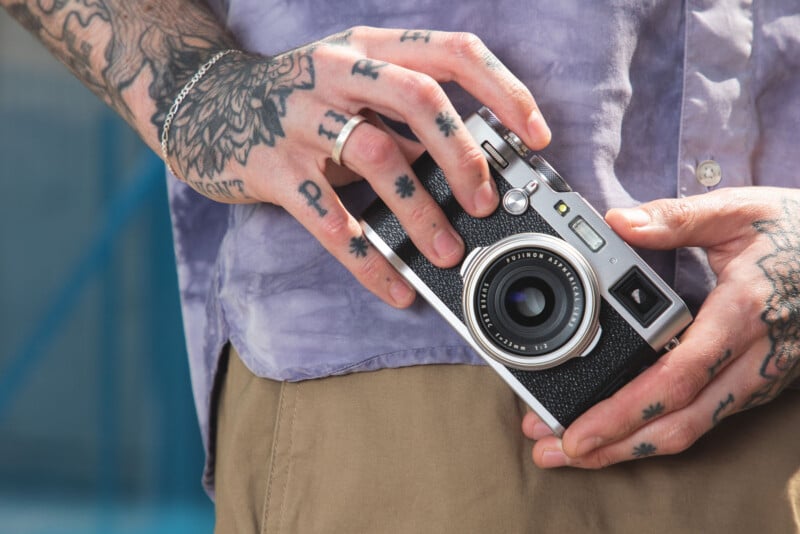
Choosing your first interchangeable-lens camera can feel overwhelming, but you don’t need the most advanced model to get started. A good beginner camera should be easy to learn with while still giving you enough room to grow as your photography develops and your interests change.
It’s also important to think beyond the camera body when building your first kit. Lenses can stay in your bag for many years and often outlive the cameras they’re used with, so the brand and lens mount you choose can be an important long-term decision. While switching systems later is possible, it can mean replacing several lenses or buying adapters. If saving money is a priority, consider not only what works for you now, but also what you may want to build toward in the future.
Choosing a recent APS-C mirrorless camera can also leave more room in your budget for lenses. That’s important because experimenting with different focal lengths is one of the best ways to learn what kind of photography you enjoy. A good lens can also remain useful long after you’ve upgraded your camera body.
Here are some great kits to get you started:
Canon EOS R50 + RF-S 18-45mm + RF-S 55-210mm
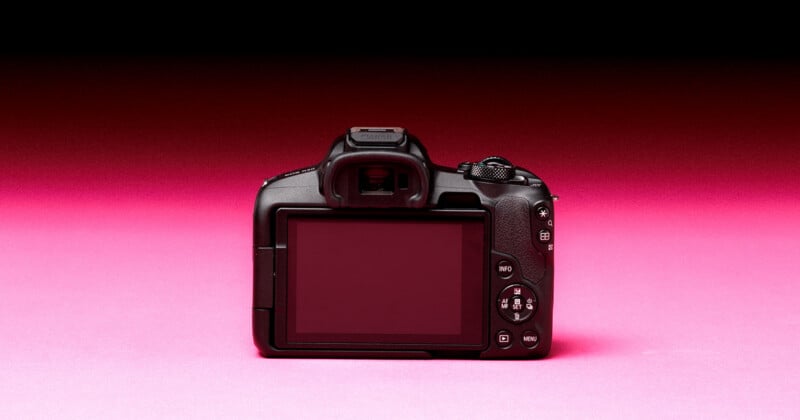
The Canon EOS R50 is one of the most straightforward ways to enter a modern mirrorless system without moving immediately into a full-frame body. Introduced in 2023, it has a 24.2-megapixel APS-C sensor, subject detection, and Canon’s Dual Pixel CMOS autofocus system. Canon positioned it as an entry-level camera, making it a sensible starting point for someone moving up from a phone or fixed-lens camera.
The RF-S 18-45mm is the everyday lens in this kit, covering wide-angle scenes, family photography, travel, and general shooting. The RF-S 55-210mm adds a completely different capability, giving a beginner enough reach to experiment with wildlife, sports, portraits, and distant details. Both lenses are native RF-S lenses designed for Canon’s APS-C EOS R cameras.
Find the Canon EOS R50 and RF-S lenses at MPB
Sony a6400 + E 18-135mm + E 70-350mm G OSS
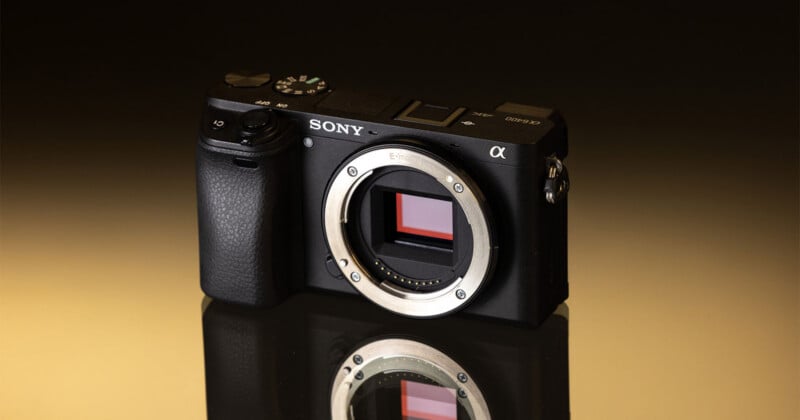
The Sony a6400 is a capable entry point into Sony’s APS-C mirrorless system, offering a 24.2-megapixel sensor, fast autofocus, and a compact body that can grow with a new photographer. While it isn’t the newest body in this guide, it remains a practical choice for beginners who want access to Sony’s extensive E-mount lens lineup without the cost of jumping straight into full frame.
The Sony E 18-135mm f/3.5-5.6 OSS makes a strong first lens because its broad range can handle everyday photography, travel, landscapes, portraits, and family photos without requiring frequent lens changes. The E 70-350mm f/4.5-6.3 G OSS then adds significant reach for wildlife, sports, and distant subjects. Together, the two lenses give a beginner a broad range of focal lengths while leaving plenty of room to explore different genres before deciding where to invest further.
Find the Sony a6400 and E-mount lenses at MPB
Fujifilm X-S20 + XF 16-50mm + XF 70-300mm
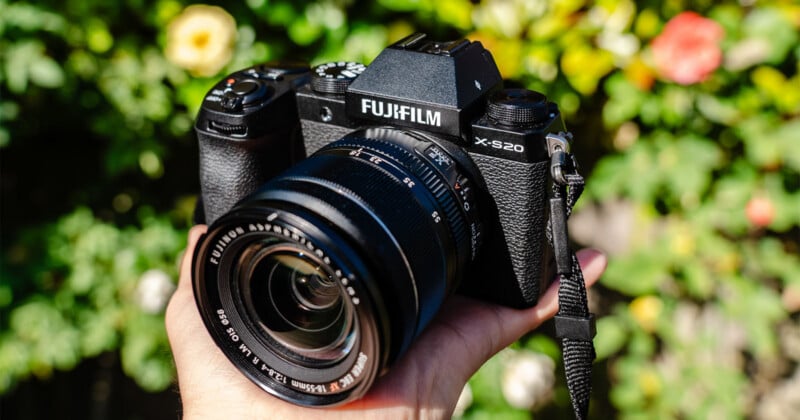
The Fujifilm X-S20 offers a slightly more advanced starting point while remaining an APS-C camera. Introduced in 2023, it has a 26.1-megapixel sensor, in-body image stabilization, and Fujifilm’s newer subject-detection autofocus. It is also designed to handle both still photography and video, which makes it a useful choice for beginners who aren’t yet sure where their photography will take them.
The XF 16-50mm f/2.8-4.8 R LM WR is an especially useful first lens because its 16mm wide end is suited to landscapes and travel, while its 50mm end works well for everyday photography and portraits. The XF 70-300mm then provides a substantial jump in reach for wildlife and outdoor subjects. Fujifilm introduced the 16-50mm in 2024, while the 70-300mm arrived in 2021, keeping both lenses within the recent-equipment window.
Find the Fujifilm X-S20 and X-mount lenses at MPB
Nikon Z50 II + NIKKOR Z DX 12-28mm + NIKKOR Z DX 24mm f/1.7
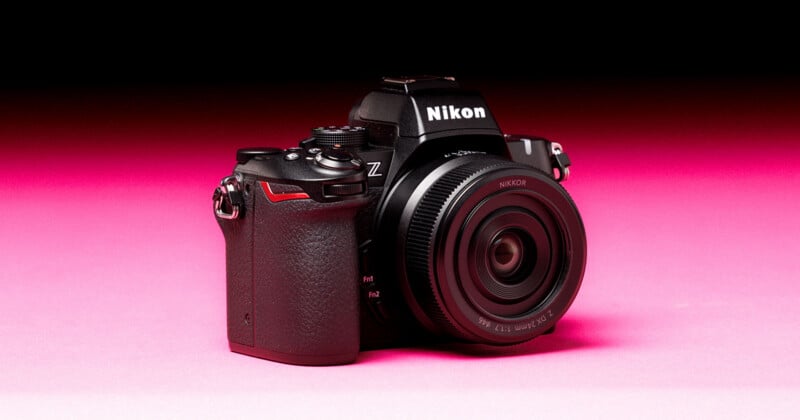
The Nikon Z50 II is another recent APS-C mirrorless option for beginners who want a camera they can continue using as their skills develop. Its smaller DX sensor keeps the overall system approachable while giving photographers access to Nikon’s Z-mount lens lineup.
Instead of starting with an older kit zoom, this combination pairs the body with two lenses that teach different approaches to composition. The NIKKOR Z DX 12-28mm is useful for landscapes, architecture, interiors, and travel, while the 24mm f/1.7 prime provides a natural perspective and a much wider aperture for portraits, low-light photography, and creative depth of field.
Find the Nikon Z50 II and Z DX lenses at MPB
For Nature and Wildlife Photography
Wildlife photography puts unusual demands on a camera system. Subjects may be distant and unpredictable, which makes autofocus, burst performance, resolution, and lens reach particularly important.
The lens selection can have an even greater effect on the photographs than the camera body. A high-resolution camera cannot compensate for a telephoto that doesn’t provide enough reach, while a long lens is much more useful when paired with a body capable of keeping a moving animal in focus.
Canon EOS R5 Mark II + RF 100-500mm + RF 200-800mm
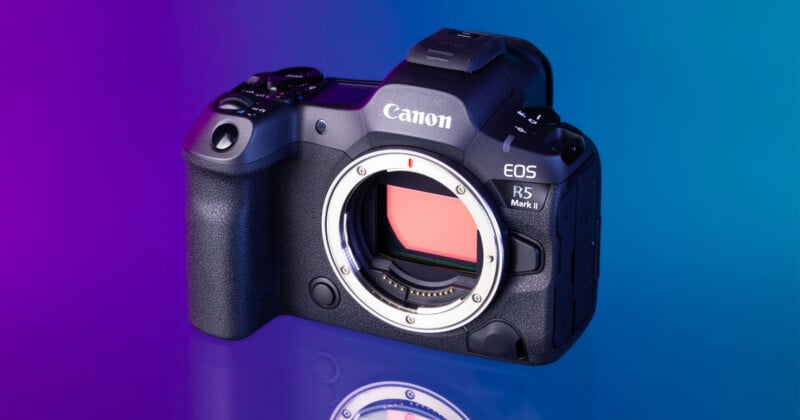
The Canon EOS R5 Mark II combines high resolution with modern autofocus and high-speed performance, making it a strong foundation for wildlife photography. Canon introduced it in 2024 as a high-performance full-frame mirrorless body designed to balance resolution, speed, and autofocus capabilities.
The RF 100-500mm is the versatile option for situations where wildlife changes distance quickly. Its broad zoom range accommodates larger animals that move closer, as well as subjects farther away. The RF 200-800mm takes the system into considerably longer territory, making it particularly useful for birds and smaller wildlife that remain distant.
Find the Canon EOS R5 Mark II and RF telephoto lenses at MPB
Sony a1 II + FE 100-400mm GM + FE 300mm f/2.8 GM OSS
The Sony a1 II is designed for photographers who want both high resolution and speed in one body. For wildlife photographers, that combination provides plenty of detail for cropping while retaining the responsiveness needed for moving subjects.
The FE 100-400mm f/4.5-5.6 GM OSS gives the system a flexible telephoto range for general wildlife work, while the FE 300mm f/2.8 GM OSS is the specialized option when a wide aperture and professional telephoto performance are priorities. Together, they give photographers a versatile zoom for changing situations and a fast prime for more demanding work.
Find the Sony a1 II and Sony telephoto lenses at MPB
Nikon Z8 + NIKKOR Z 180-600mm + NIKKOR Z 100-400mm
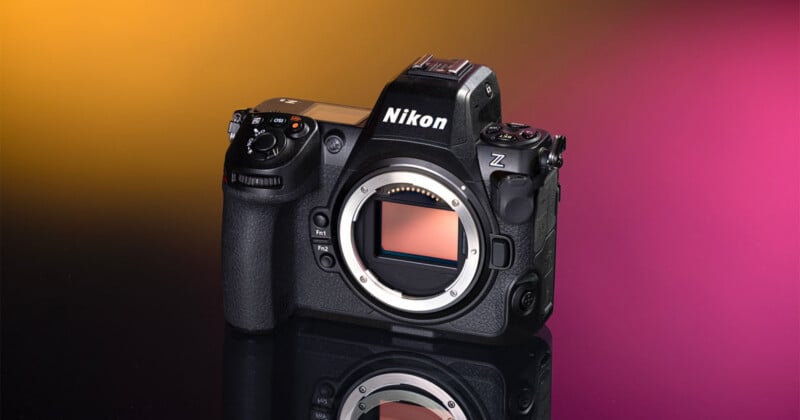
The Nikon Z8 gives wildlife photographers a 45.7-megapixel full-frame sensor and advanced autofocus in a smaller body than Nikon’s flagship Z9. Its resolution is particularly useful when a subject doesn’t fill the frame, and some cropping is expected.
The NIKKOR Z 180-600mm is the long-reach workhorse, giving photographers a substantial telephoto range for birds and distant animals. Nikon’s 100-400mm lens is better suited to larger animals, closer encounters, and situations where a wider field of view is useful. Together, the two lenses cover a broad range of wildlife situations without requiring a photographer to rely on a single focal length.
Find the Nikon Z8 and NIKKOR Z telephoto lenses at MPB
For Travel Photography
Travel photographers frequently have to cover several genres in a single day. A morning might involve landscapes, followed by architecture, portraits, street photography, food, and wildlife.
That makes versatility particularly valuable. A good travel kit should provide enough focal-length range to handle unexpected subjects without requiring a camera bag full of specialized equipment.
Sony a7C II + FE 20-70mm f/4 G + FE 70-200mm f/4 G OSS II
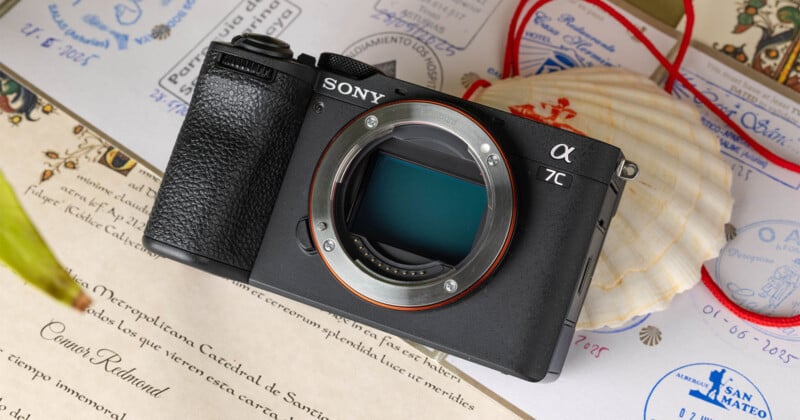
The Sony a7C II combines a 33-megapixel full-frame sensor with a relatively compact mirrorless body. Its autofocus system and full-frame sensor make it a capable choice for photographers who want one camera to cover a wide range of travel situations.
The FE 20-70mm f/4 G is particularly well suited to travel because 20mm provides a genuinely wide perspective for landscapes, architecture, and interiors, while 70mm works for portraits and everyday subjects. The FE 70-200mm f/4 G OSS II extends that range for distant details, wildlife, and compressed landscape compositions.
Find the Sony a7C II and FE travel lenses at MPB
Fujifilm X-T5 + XF 16-50mm + XF 70-300mm
The Fujifilm X-T5 combines a 40.2-megapixel APS-C sensor with a compact body and traditional physical controls. The high-resolution sensor provides substantial cropping flexibility, while Fujifilm’s X-mount system gives travelers a large selection of lenses to add as their interests develop.
The XF 16-50mm is the everyday lens, covering wide landscapes through short telephoto portraits. Its 24mm-equivalent wide end is particularly useful for travel, while the 70-300mm gives the photographer a second lens for wildlife, distant architecture, and details that are beyond the reach of the standard zoom.
Find the Fujifilm X-T5 and X-mount lenses at MPB
Nikon Zf + NIKKOR Z 24-120mm f/4 S + NIKKOR Z 40mm f/2
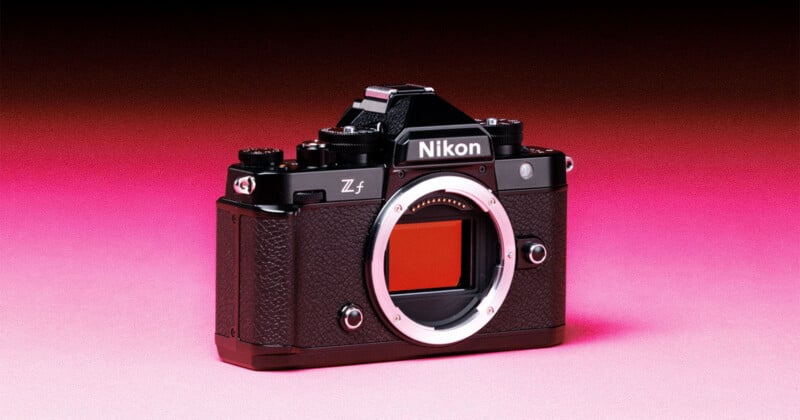
The Nikon Zf combines a full-frame sensor with physical controls inspired by Nikon’s film cameras. For travel photographers, that makes it an interesting option for those who enjoy a more deliberate shooting experience but still want modern mirrorless performance.
The NIKKOR Z 24-120mm f/4 S can serve as the primary travel lens, covering everything from wide landscapes to tighter details. The 40mm f/2 adds a smaller prime for street photography, portraits, restaurants, and low-light scenes.
Find the Nikon Zf and Z lenses at MPB
For Portrait Photography
Portrait photographers often benefit more from choosing the right lenses than from simply chasing the highest possible resolution. A fast prime can provide control over depth of field and background separation, while a wider lens can put a person into the context of their environment.
Canon EOS R6 Mark II + RF 85mm f/2 Macro IS STM + RF 24-105mm f/2.8L IS USM Z
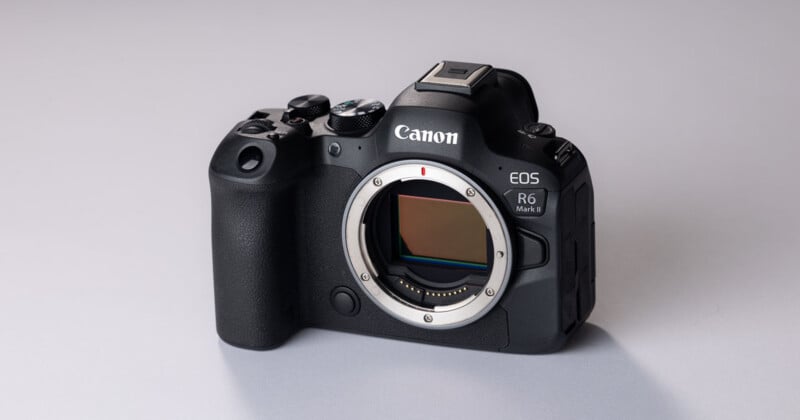
The EOS R6 Mark II provides a 24.2-megapixel full-frame sensor and sophisticated subject-detection autofocus, making it a strong choice for photographers who primarily photograph people but may also work at events or on location.
The RF 85mm f/2 Macro IS STM is the dedicated portrait lens, offering a classic perspective while also allowing photographers to work relatively close to their subjects. The RF 24-105mm f/2.8L IS USM Z is the flexible option, covering environmental portraits and group photographs at the wide end while providing more compressed perspectives toward 105mm.
Find the Canon EOS R6 Mark II and RF portrait lenses at MPB
Sony a7 IV + FE 85mm f/1.4 GM II + FE 35mm f/1.4 GM
Sony’s a7 IV offers a 33-megapixel full-frame sensor and a sophisticated autofocus system, making it useful for portrait photographers who also work in editorial, commercial, or event photography.
The FE 85mm f/1.4 GM II is the dedicated portrait choice, with a wide aperture for shallow depth of field and subject separation. The FE 35mm f/1.4 GM provides a wider perspective for environmental portraits and storytelling. The two lenses give the photographer distinctly different perspectives without requiring a second body.
Find the Sony a7 IV and Sony portrait lenses at MPB
Nikon Z6 III + NIKKOR Z 85mm f/1.2 S + NIKKOR Z 35mm f/1.4
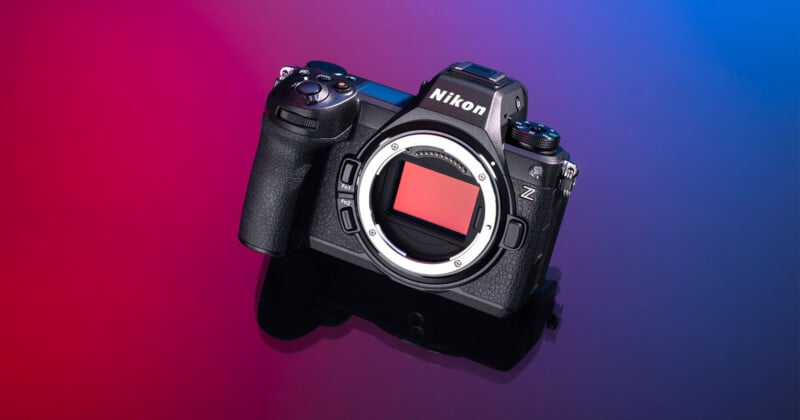
The Nikon Z6 III was introduced in 2024 as a 24.5-megapixel full-frame mirrorless camera with a partially stacked sensor design. Its autofocus and readout performance make it a versatile body for photographers who want their portrait camera to also handle events, video, and moving subjects.
The NIKKOR Z 85mm f/1.2 S is the obvious choice for traditional portraits, particularly when a photographer wants very shallow depth of field. The 35mm f/1.4 offers a wider perspective for environmental portraits, interiors, and documentary-style images.
Find the Nikon Z6 III and Z portrait lenses at MPB
For Fine Art Photography
Fine art photographers can have very different priorities, but resolution, dynamic range, lens rendering, and the ability to make large prints are often important considerations.
A high-resolution camera can also give you more freedom in editing. Cropping into a composition, producing large prints, or retaining fine texture can all benefit from having more image information available.
Sony a7R V + FE 50mm f/1.2 GM + FE 20-70mm f/4 G
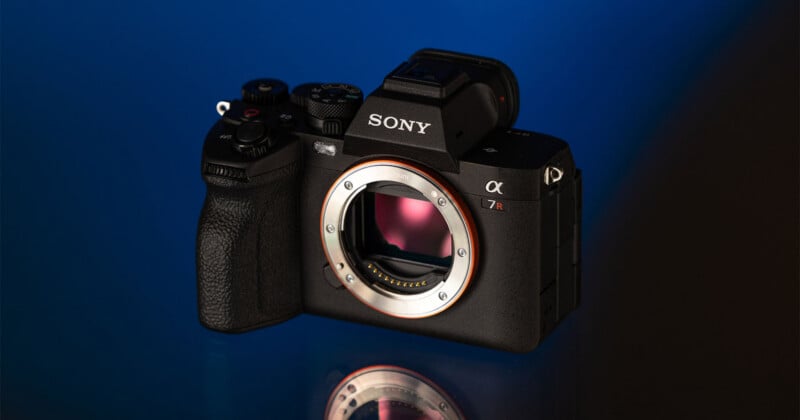
The Sony a7R V’s 61-megapixel full-frame sensor gives fine art photographers considerable resolution for large prints and cropping. It is also a flexible enough body to serve photographers who move between fine art, landscape, portrait, and commercial work.
The FE 50mm f/1.2 GM offers a natural perspective and an extremely wide aperture for more selective-focus images. The FE 20-70mm f/4 G takes the system in the opposite direction, offering a wide field of view for landscapes, architecture, and environmental compositions.
Find the Sony a7R V and lenses at MPB
Fujifilm GFX100S II + GF 55mm f/1.7 R WR + GF 32-64mm f/4 R LM WR II
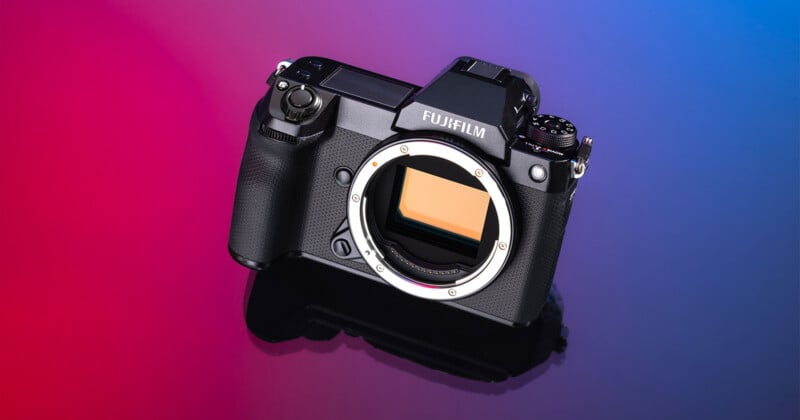
The GFX100S II moves into large-format territory with a 102-megapixel sensor. Fujifilm introduced the camera in 2024 as a more approachable entry point into its GFX system, bringing the format’s resolution and imaging capabilities into a smaller body.
The GF 55mm f/1.7 provides a natural perspective with a wide aperture, making it useful for portraits and more selective compositions. The GF 32-64mm f/4 LM WR II is the flexible zoom for landscapes, architecture, and larger scenes. This is the kit for the photographer who wants to explore what a larger sensor can offer and has printmaking or highly detailed imagery at the center of their work.
Find the Fujifilm GFX100S II and GF lenses at MPB
Panasonic Lumix S1R II + Lumix S 24-60mm f/2.8 + Lumix S 100mm f/2.8 Macro
The Lumix S1R II provides a high-resolution full-frame platform for photographers who want substantial detail while remaining within a conventional mirrorless system. Its L-Mount compatibility also gives photographers access to lenses from Panasonic, Leica, and Sigma.
The Lumix S 24-60mm f/2.8 is a versatile option for landscapes, architecture, and environmental work, while the 100mm f/2.8 Macro provides a completely different perspective for detail-oriented fine art photography. That combination is particularly useful for photographers whose work moves between large scenes and small, carefully composed subjects.
https://www.mpb.com/en-us“>Find the Panasonic Lumix S1R II and L-Mount lenses at MPB
For Sports and Action Photography
Sports photography is one of the clearest examples of why the body and lenses need to be considered as one system. Fast autofocus and high-speed shooting matter, but so do readout speed, lens focusing performance, and enough focal length to fill the frame from the sidelines.
Sony a9 III + FE 70-200mm f/2.8 GM OSS II + FE 300mm f/2.8 GM OSS
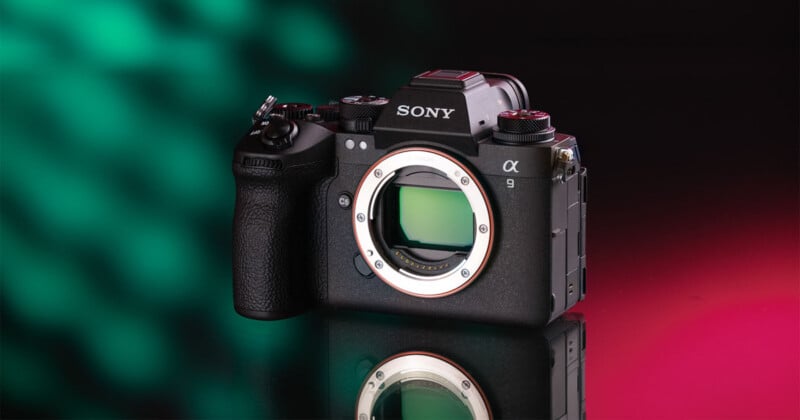
The Sony a9 III is built specifically around speed. Its global shutter enables extremely fast electronic shutter operation while avoiding many of the rolling-shutter effects that can affect rapidly moving subjects.
The FE 70-200mm f/2.8 GM OSS II is the workhorse for action happening relatively close to the photographer. The FE 300mm f/2.8 GM OSS provides more reach and a much wider aperture for situations where subject separation and low-light performance are important.
https://www.mpb.com/en-us“>Find the Sony a9 III and sports lenses at MPB
Canon EOS R1 + RF 70-200mm f/2.8L IS USM Z + RF 100-500mm
Canon introduced the EOS R1 in 2024 as its flagship EOS R mirrorless camera, with a design centered on speed and professional action photography.
The RF 70-200mm f/2.8L IS USM Z covers the versatile short-to-medium telephoto range that is useful for many sports. The RF 100-500mm provides considerably more reach for field sports and situations where photographers cannot get close to the action. Together, the lenses provide options for both nearby and distant action.
Find the Canon EOS R1 and RF sports lenses at MPB
Nikon Z9 + NIKKOR Z 70-200mm f/2.8 VR S II + NIKKOR Z 180-600mm
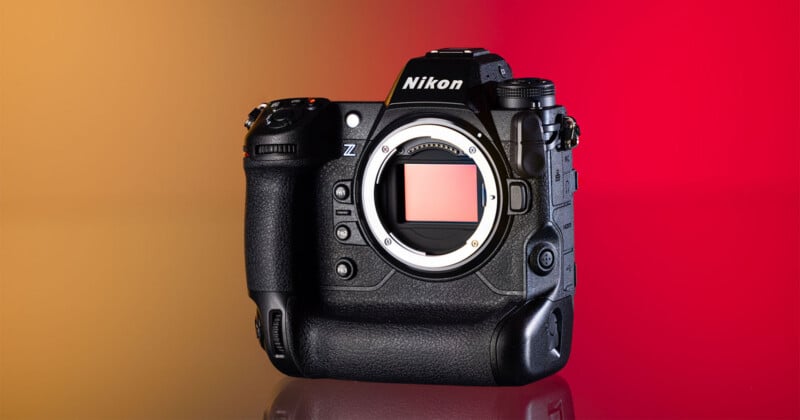
The Nikon Z9 combines flagship autofocus and high-speed performance with a 45.7-megapixel sensor. That resolution can be particularly useful for sports photographers who need to crop when an athlete or play is farther away than expected.
The NIKKOR Z 70-200mm f/2.8 VR S II is the professional workhorse for closer action, while the 180-600mm offers much more reach for field sports. This combination gives photographers a practical way to cover both nearby and distant action without changing camera systems.
Find the Nikon Z9 and NIKKOR Z sports lenses at MPB
For Commercial and Editorial Photography
Commercial and editorial photographers often need the most adaptable kits because assignments can change from one day to the next. A portrait session might become an environmental shoot, while an editorial assignment could require wide establishing images followed by tightly framed details.
That makes a high-performance body with versatile zoom lenses a strong starting point.
Canon EOS R5 Mark II + RF 24-105mm f/2.8L IS USM Z + RF 100-500mm
The EOS R5 Mark II provides the combination of resolution, autofocus, and speed needed for a wide variety of professional assignments. Its 45-megapixel sensor provides plenty of detail for commercial work while its performance makes it capable of handling more unpredictable editorial situations.
The RF 24-105mm f/2.8L IS USM Z is the centerpiece of this kit. Its range can cover environmental portraits, products, events, and general editorial photography. The RF 100-500mm adds an entirely different capability for portraits with compression, distant details, sports, and outdoor assignments.
Find the Canon EOS R5 Mark II and RF lenses at MPB
Nikon Z8 + NIKKOR Z 24-120mm f/4 S + NIKKOR Z 70-200mm f/2.8 VR S II
The Nikon Z8 provides 45.7 megapixels in a body considerably smaller than the Z9, making it a useful choice for photographers who need professional image quality but don’t necessarily need a flagship body.
The 24-120mm f/4 S is a particularly useful editorial lens because it covers a broad range without requiring a lens change for many assignments. The 70-200mm f/2.8 VR S II adds the classic professional telephoto range for portraits, events, details, and situations where the photographer needs more reach.
Find the Nikon Z8 and NIKKOR Z lenses at MPB
Panasonic Lumix S5II + Lumix S Pro 24-70mm f/2.8 + Lumix S Pro 70-200mm f/2.8
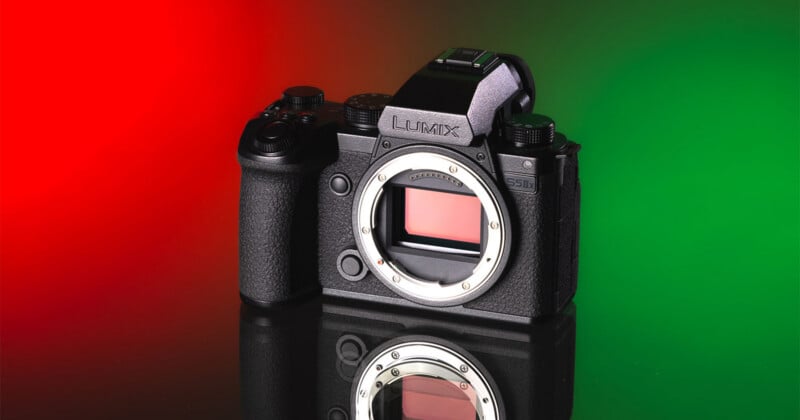
The Lumix S5II is a 24-megapixel full-frame mirrorless camera that makes a strong case for photographers who want a capable stills and video system. Its L-Mount also opens the door to a broad selection of lenses from multiple manufacturers.
The 24-70mm f/2.8 is the general-purpose workhorse for commercial and editorial assignments, covering portraits, products, events, and environmental work. The 70-200mm f/2.8 adds reach and compression for portraits and details. Together, they create a straightforward two-lens professional kit without requiring a collection of specialized primes.
Find the Panasonic Lumix S5II and L-Mount lenses at MPB
For Macro Photography
Macro photography is a genre where the lens can be just as important as the camera body. Magnification, working distance, stabilization, and focusing performance all affect how easily a photographer can capture small subjects.
A good macro kit should also have a useful general-purpose lens, since photographers often encounter larger scenes while working outdoors.
OM SYSTEM OM-1 Mark II + M.Zuiko 90mm f/3.5 Macro IS PRO + M.Zuiko 12-45mm f/4 PRO
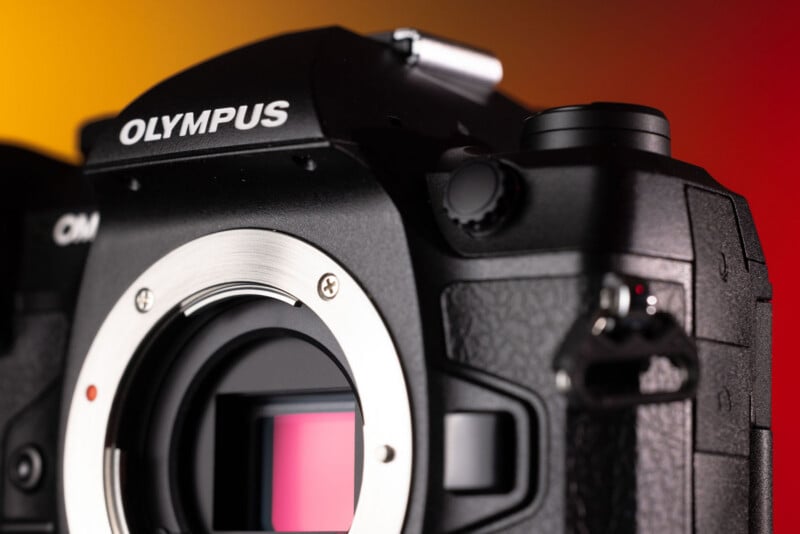
The OM SYSTEM OM-1 Mark II is particularly well suited to nature photographers who also enjoy macro work. Its Micro Four Thirds sensor and specialized computational features make it a versatile field camera, while the system has a number of compact lenses designed around close-up photography.
The M.Zuiko 90mm f/3.5 Macro IS PRO is the dedicated macro lens, offering high magnification and a long working distance that can be useful for insects and other subjects that are easily disturbed. The 12-45mm f/4 PRO provides a general-purpose option for landscapes and environmental photography.
Find the OM SYSTEM OM-1 Mark II and M.Zuiko lenses at MPB
Nikon Z8 + NIKKOR Z MC 105mm f/2.8 VR S + NIKKOR Z 24-120mm f/4 S
The Nikon Z8’s 45.7-megapixel sensor gives macro photographers substantial resolution for capturing fine detail and cropping compositions. It also remains a capable general-purpose camera, making it suitable for photographers who don’t want a dedicated macro-only system.
The NIKKOR Z MC 105mm f/2.8 VR S is the specialized lens, providing true macro capability with a focal length that gives photographers useful working distance. The 24-120mm f/4 S serves as the everyday lens for landscapes, travel, and larger nature scenes.
Find the Nikon Z8 and NIKKOR Z macro lens at MPB
Panasonic Lumix S5II + Lumix S 100mm f/2.8 Macro + Lumix S 24-60mm f/2.8
The Lumix S5II provides a full-frame foundation for photographers who want to combine macro photography with broader nature and commercial work. Its L-Mount compatibility also means photographers can expand beyond Panasonic’s own lens lineup.
The Lumix S 100mm f/2.8 Macro is the dedicated close-up lens, while the 24-60mm f/2.8 is useful when the subject calls for a broader composition. The combination works particularly well for photographers who photograph flowers, products, textures, and other small subjects but don’t want to build a system exclusively around macro.
https://www.mpb.com/en-us“>Find the Panasonic Lumix S5II and L-Mount lenses at MPB
Build the Kit for the Photographer You Want to Become
There isn’t one camera system that is right for every photographer. A wildlife photographer has very different priorities from someone photographing portraits, while a travel photographer may value versatility and portability more than maximum resolution.
That’s why upgrading doesn’t necessarily mean buying the newest camera body. Sometimes the most meaningful change is adding a lens that opens up a type of photography you couldn’t easily do before. Other times, a newer body can give an existing collection of lenses faster autofocus, higher resolution, or capabilities that better match the way you now work.
For photographers starting from scratch, buying used can make it possible to build a more capable kit without putting the entire budget into a camera body. For photographers who already have equipment sitting unused, selling that gear can help fund the next step.
Shop used camera gear at MPB to compare bodies and lenses across a range of camera systems, conditions, and price points. MPB individually evaluates used equipment before it is listed, giving photographers more information when deciding whether a particular piece of gear is the right fit.
And when a camera or lens no longer fits the way you photograph, sell or trade your gear through MPB to put its value toward whatever comes next. That can make changing systems less of a leap and more of a progression from one kit to another.
Changing gear is ultimately about more than owning newer equipment. The right body and lenses can open up different subjects, new creative approaches, and opportunities that weren’t possible with the kit you had before.
Whether you’re starting fresh or upgrading one piece at a time, the goal is the same: find the camera and lenses that help you move your photography forward
Affiliate Disclosure PetaPixel articles may include affiliate links; we may earn a commission if you buy through one.